COP30 in Belém brought renewed attention to the Amazon’s role in global conversations on climate and development, drawing greater interest from governments, investors, companies, and organizations in the potential of the sociobioeconomy.
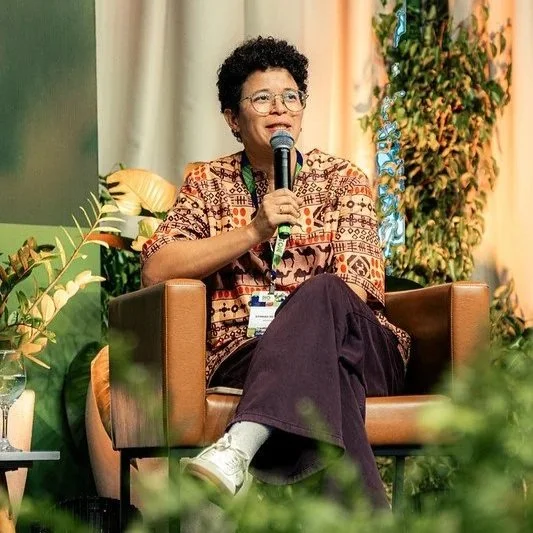
Bárbara Pachêco, researcher and CEO of VerdeNovo in discussions on restoration and seed value chains.
With that growing attention comes an important challenge: ensuring that interest in the region is sustained over time and matched by stronger leadership from the people and organizations building solutions across the Amazon.
NESsT has been advancing this work for years by supporting entrepreneurs, cooperatives, and community-based organizations in the Amazon. Beyond strengthening their businesses, NESsT also works to expand their participation in the forums where decisions are made, strategies are shaped, and investments, public policies, and development pathways for the region are discussed.
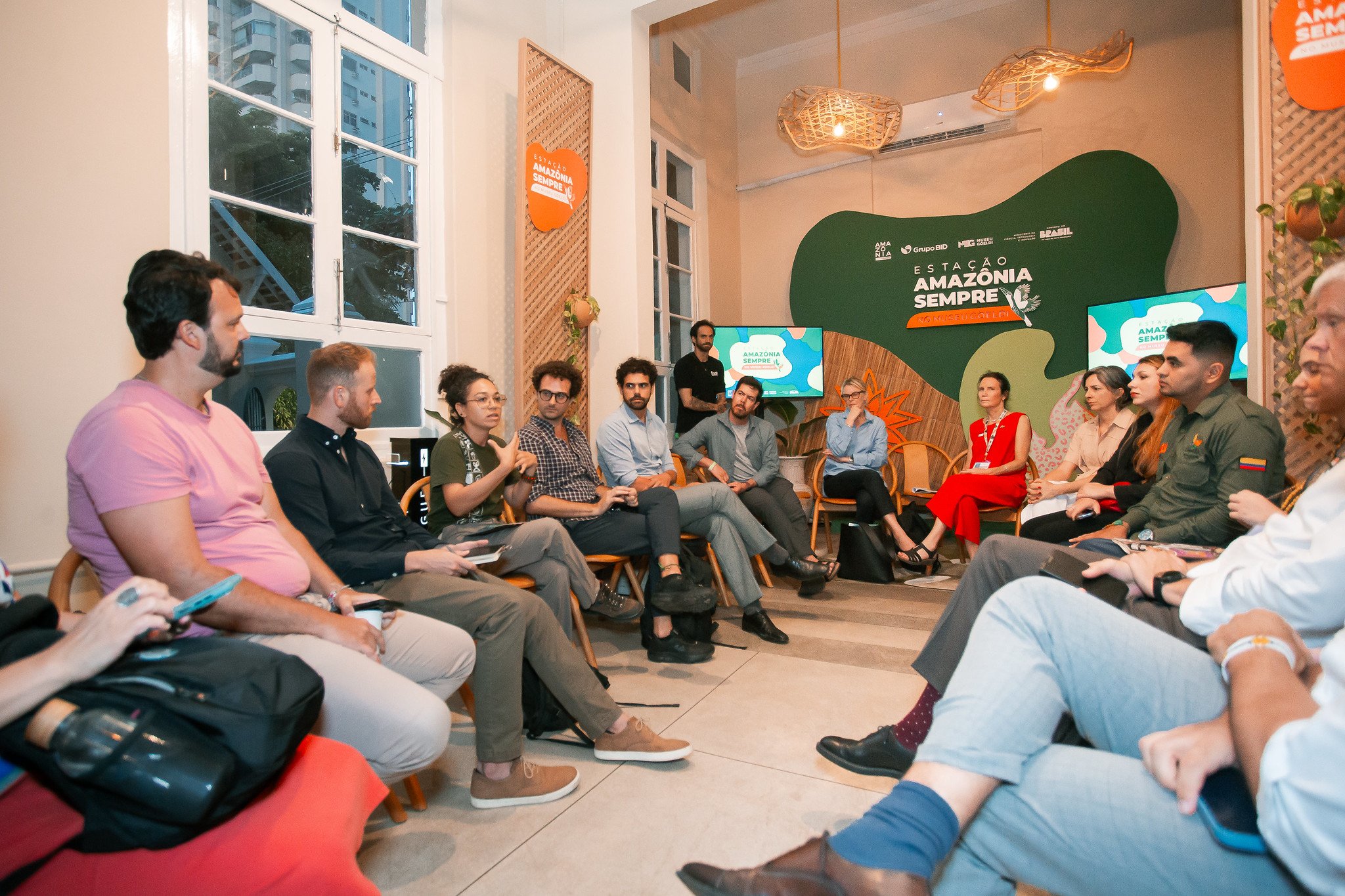
In this context, NESsT participated in the Bioeconomy Amazon Summit (BAS) 2026, held from May 12–14 in Belém, Pará, Brazil. NESsT joined leaders from its portfolio enterprises in conversations on locally rooted development, financing, restoration, sociobiodiversity value chains, and the future of the Amazonian sociobioeconomy.
Amazonian entrepreneurs take to the stage at BAS
NESsT and its portfolio enterprises did more than attend BAS 2026. Throughout the program, entrepreneurs and leaders supported by NESsT contributed directly to key conversations on the future of the sociobioeconomy.
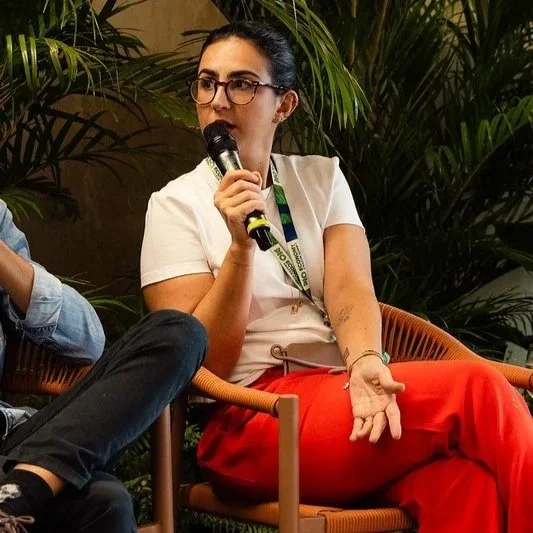
Mariana Lima, Lirio Fund Manager in Brazil
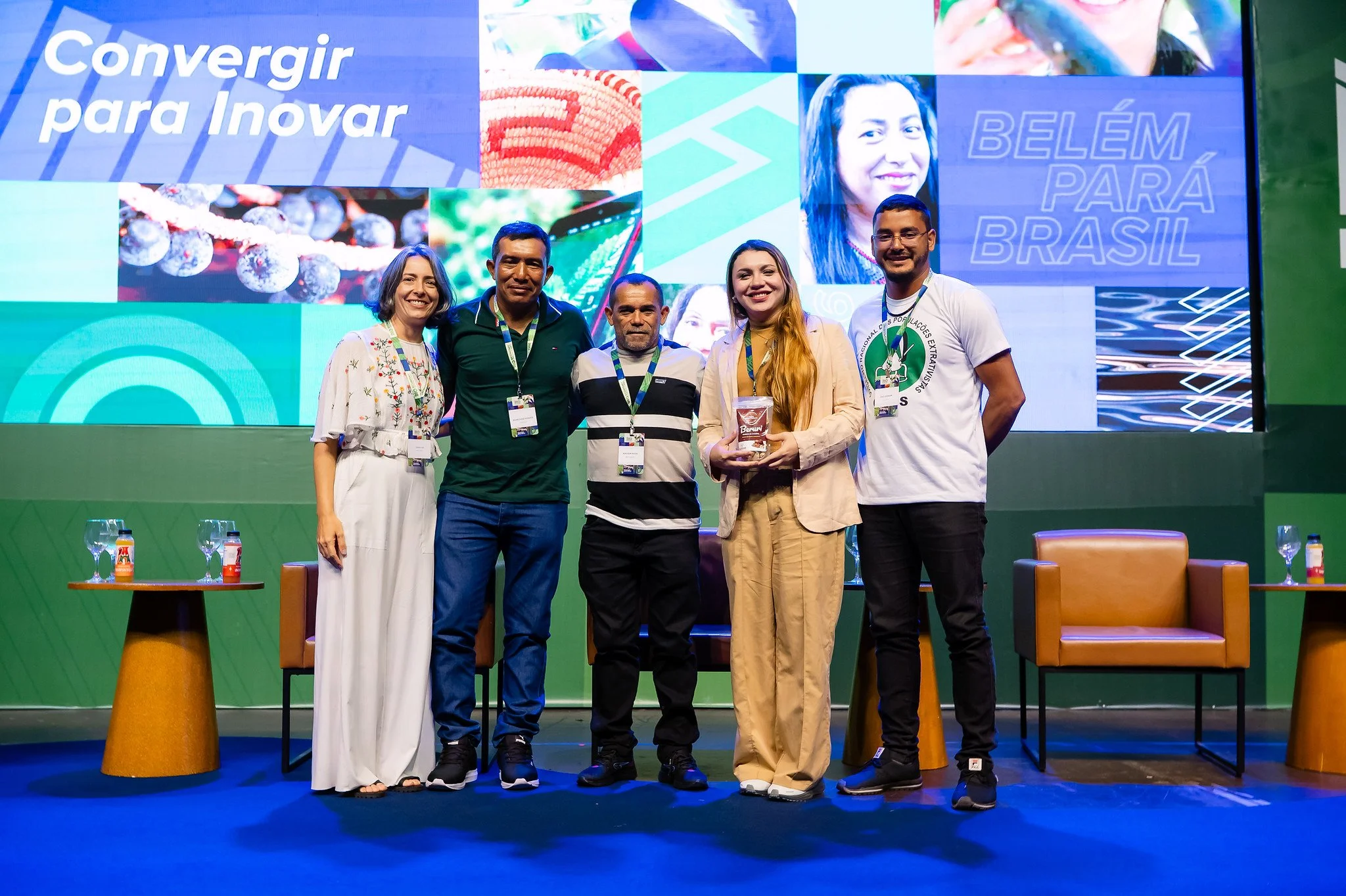
Highlights included the participation of Naianny Maia, co-founder of Cacauaré, and Maurílio Gomes, managing partner and founder of Apoena, in the panel “The Bioeconomy Born in the Territories”; Adeilson Gomes de Souza, known as “Dedeco,” president of Coopersapó, and Keivan Hamoud, Administrative Director of ASSOAB, in the panel “Voices from the Territory”; and Bárbara Pachêco, researcher and CEO of VerdeNovo Sementes Nativas, in discussions on restoration and seed value chains.
NESsT was also represented by Tiana Lins, NESsT Brazil Director, who moderated the panel “Voices from the Territory,” and Mariana Lima, Lirio Fund Manager in Brazil, who joined conversations on financing mechanisms for the sociobioeconomy. NESsT also launched the technical note “Sociobioeconomy Businesses: Pilot Project for the Financial Visibility of the Socioenvironmental and Productive Contribution of Hybrid Businesses in the Amazon.”
The conversations throughout the program reflected the challenges sociobioeconomy entrepreneurs face in their communities and regions. Financing, logistics, traceability, market access, distribution of sociobiodiversity products, restoration, and locally rooted development were among the issues discussed by investors, governments, support organizations, and community leaders.
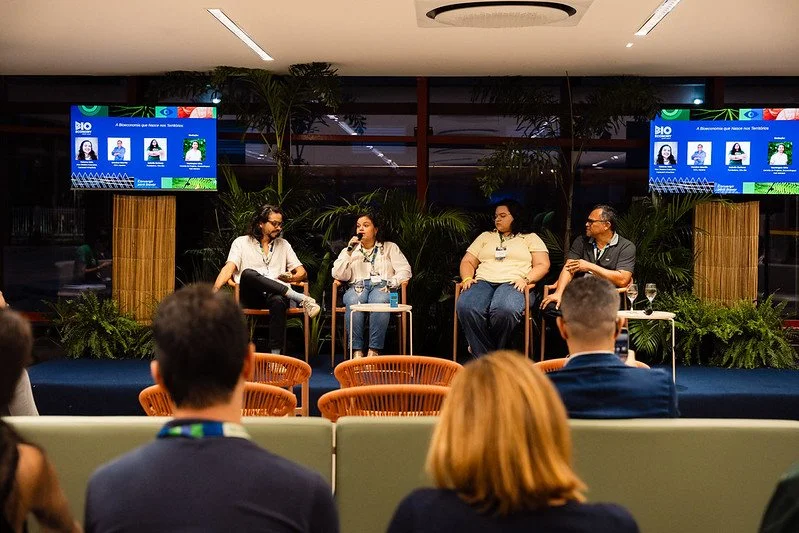
Naianny Maia, co-founder of Cacauaré, and Maurílio Gomes, managing partner and founder of Apoena, in the panel “The Bioeconomy Born in the Territories”
For Maurílio Gomes of Apoena, participating in BAS showed why sociobioeconomy entrepreneurs need to be present in the forums where relationships are built, ideas are exchanged, and the ecosystem takes shape.
“NESsT’s role in shaping the program made it possible for us to be part of very important discussions within the bioeconomy ecosystem. We participated in panels with organizations such as Plataforma Parceiros pela Amazônia (PPA), Instituto de Conservação e Desenvolvimento da Amazônia (IDESAM), and Impact Hub, which brought us valuable connections and opportunities to collaborate.”
According to Maurílio, the event also created space for new relationships and future collaboration.
“We came back very happy and grateful for all the experiences, conversations, friendships, and new connections we were able to build within the ecosystem during the gatherings held in Belém.”
“We came back very happy and grateful for all the experiences, conversations, friendships, and new connections we were able to build within the ecosystem during the gatherings held in Belém.”
Why being in the room matters
For Keivan Hamoud, Administrative Director of ASSOAB, participating in BAS was an opportunity to bring the perspective of those working directly in Amazonian sociobiodiversity value chains to a national and international platform.
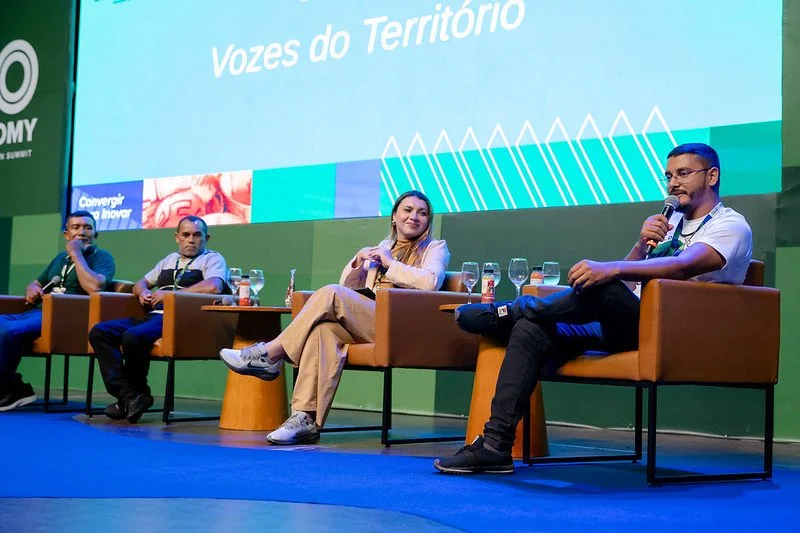
Adeilson Gomes de Souza, known as “Dedeco,” president of Coopersapó, and Keivan Hamoud, Administrative Director of ASSOAB, in the panel “Voices from the Territory”
“Being able to speak about the challenges faced in the territories, but also about the solutions that community-based organizations are already putting into practice, was very important.”
Keivan also emphasized that NESsT’s support helped increase the presence of Amazonian grassroots organizations in a strategic space for the sector.
“NESsT’s support was fundamental in strengthening ASSOAB’s participation in these spaces. I believe this support contributed not only to our presence at the event, but also to amplifying the voices of Amazonian grassroots organizations.”
“Being able to speak about the challenges faced in the territories, but also about the solutions that community-based organizations are already putting into practice, was very important.””
For Dedeco of Coopersapó, the participation of producers, cooperatives, and community-based organizations is essential to keep these conversations grounded in the realities of the Amazon.
"“When we talk about climate change, agriculture, and the forest-based sociobioeconomy, all of this has to do with our lives. If the people from the territories are not participating, I don’t think it makes sense.”
He also highlighted the importance of discussing not only forest products, but the social, cultural, and environmental context that sustains these value chains.
"“I always say that we don’t only sell guaraná. We sell our history, our tradition. When we talk about this, we are also talking about the work we do in the territory, the way we live with nature, and the way we respect it.”
The work beyond BAS
NESsT’s participation in BAS 2026 was part of a broader effort to strengthen the presence of sociobioeconomy entrepreneurs in the forums where the future of the Amazon is being shaped.
This work is about more than ensuring participation in major events. It is about creating opportunities for cooperatives, associations, and sociobioeconomy businesses to contribute directly to debates on locally rooted development, conservation, income generation, market access, and financing.
At a time when the sociobioeconomy is gaining greater visibility in national and international conversations, expanding the participation of those building these solutions in their own communities remains essential. Their leadership is key to ensuring that Amazonian development is inclusive, sustainable, and grounded in the lives and priorities of local communities.
This commitment continues to guide NESsT’s work with the entrepreneurs in its portfolio and across the broader ecosystem working to strengthen the Amazonian sociobioeconomy.