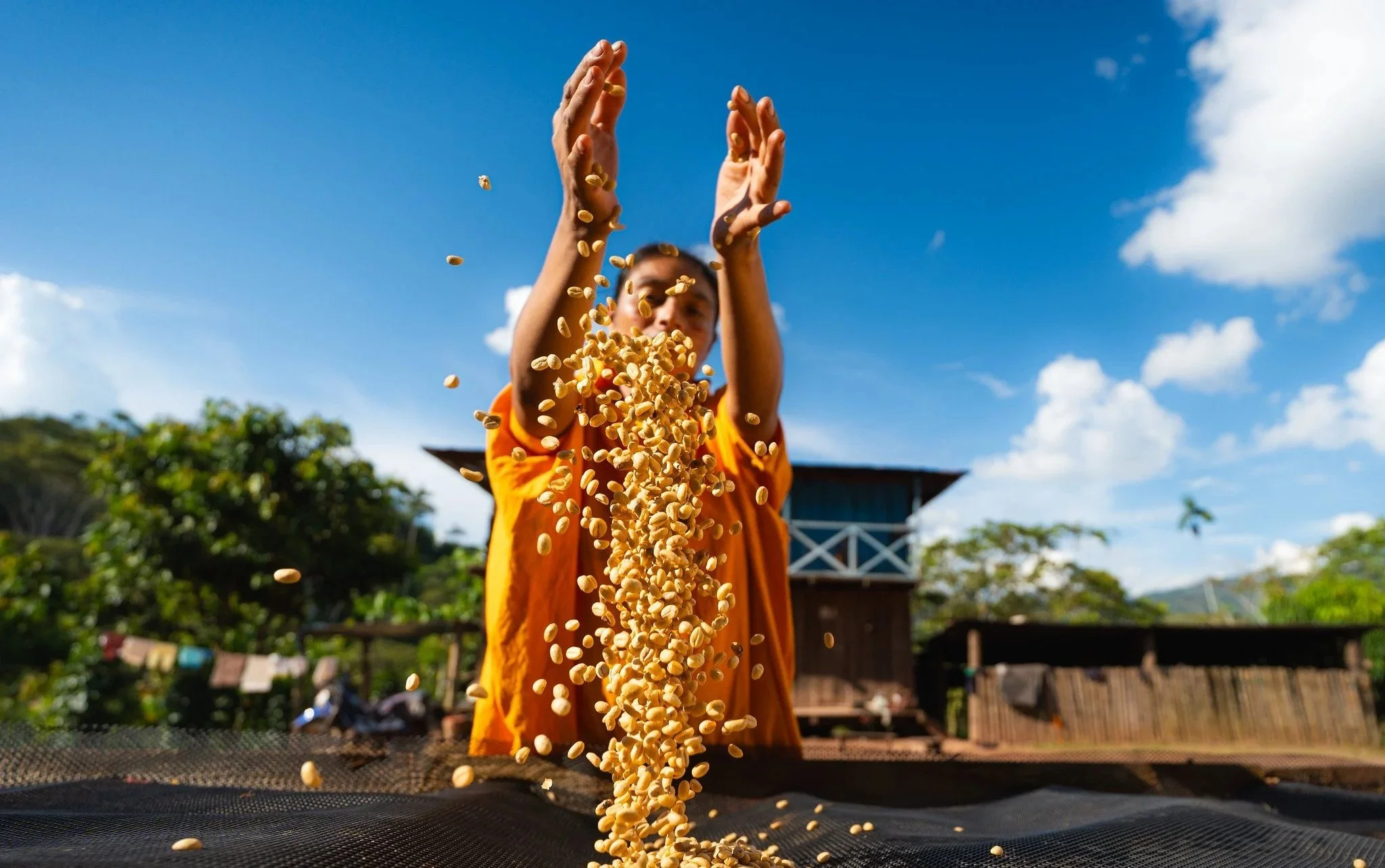
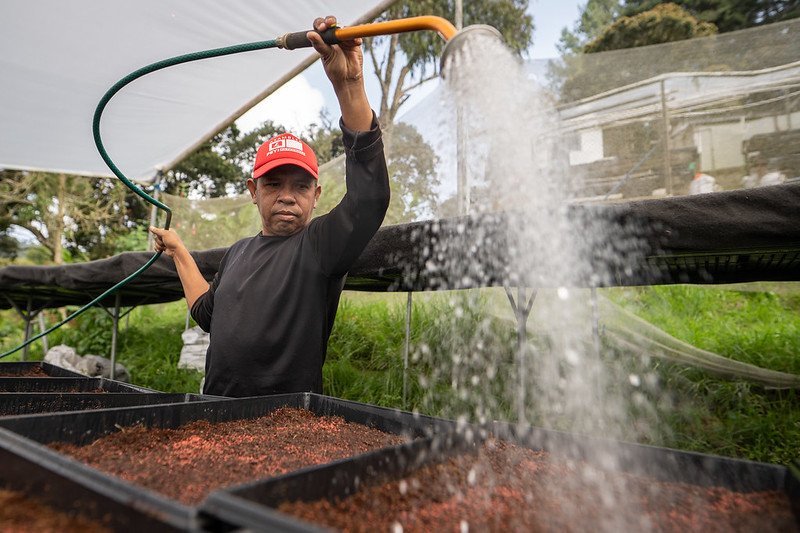
Pomario, NESsT portfolio enterprise in Colombia
Close to 7 million people in Colombia still live in extreme poverty.
NESsT invests in and accelerates social enterprises in Colombia that generate quality job opportunities for marginalized individuals, including women, Indigenous peoples, smallholder farmers and producers, and youth.
Through hands-on business assistance, we support these enterprises to bring their innovative business solutions to communities the market has traditionally overlooked, while developing their social and environmental practices.
We’ve invested in 24 social enterprises across Colombia.
3,765
dignified employment & income generation opportunities created
+US $2.4M
invested
231,231
lives improved
As of June 2025
Discover our work advancing labor inclusion in sustainable agriculture in Colombia
NESsT Portfolio in Colombia
Bogotá-based social enterprise Amazóniko operates a collaborative recycling platform that provides everyone involved in the recycling process with knowledge, tools, and incentives to prevent waste from ending up in landfills.
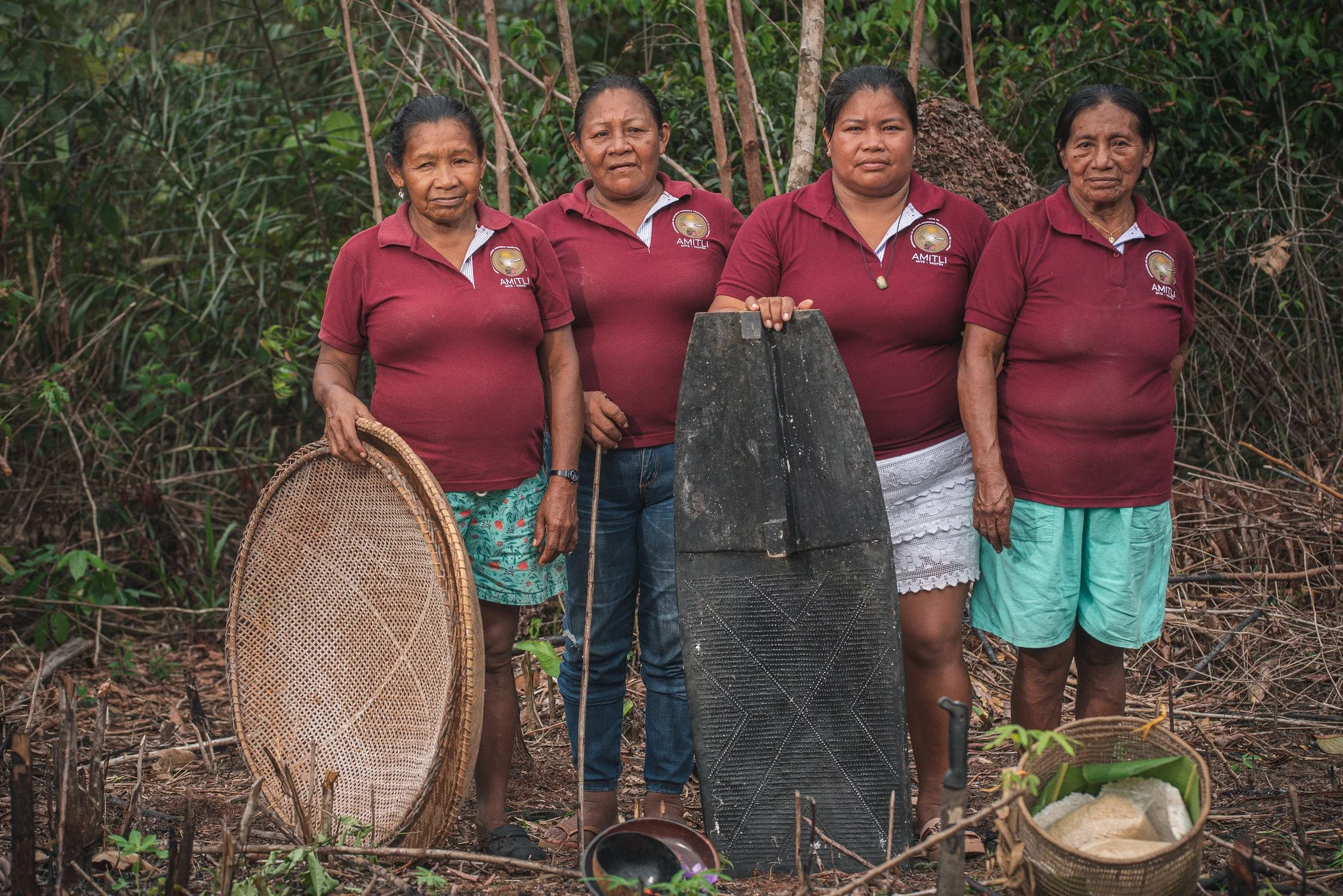
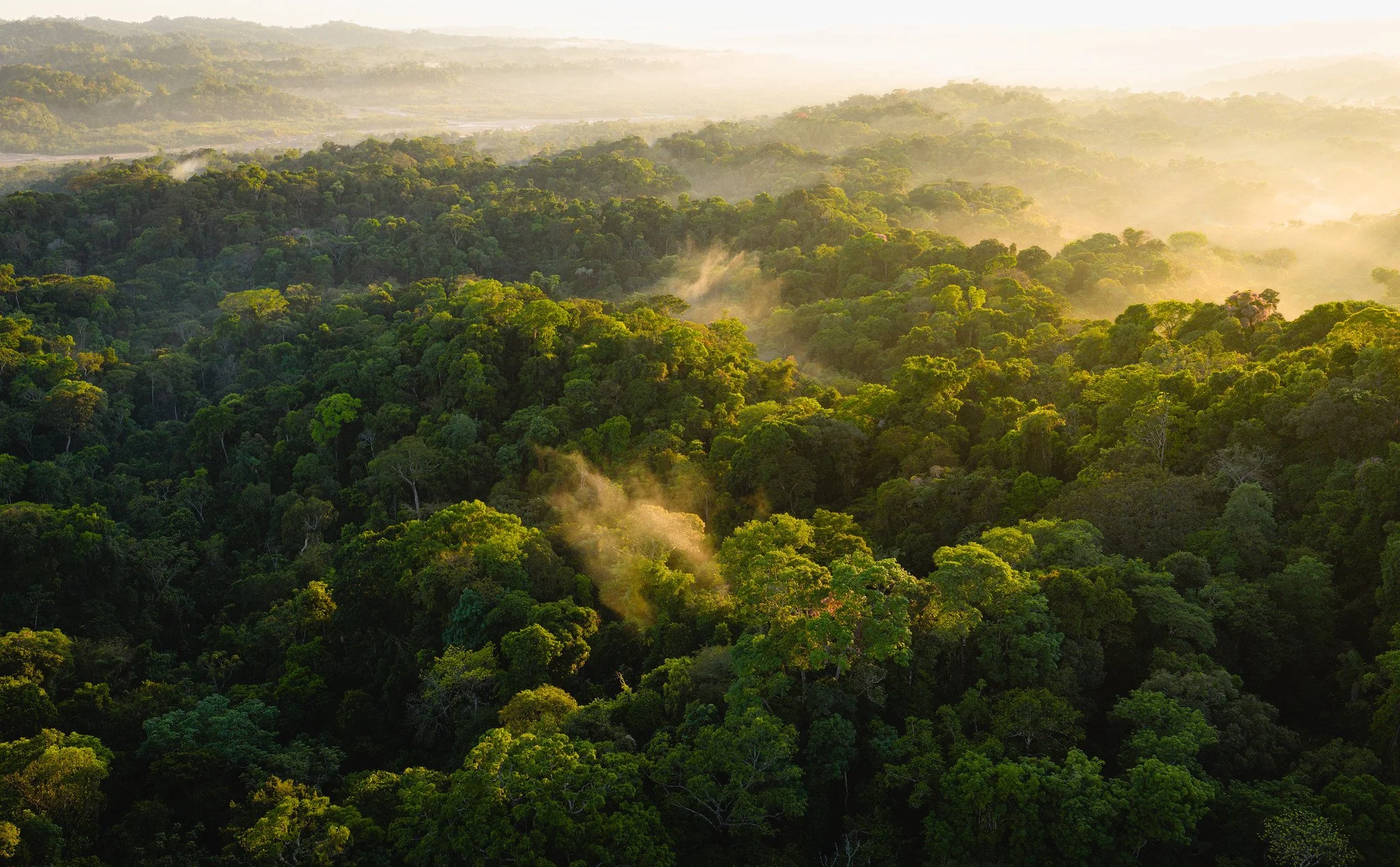
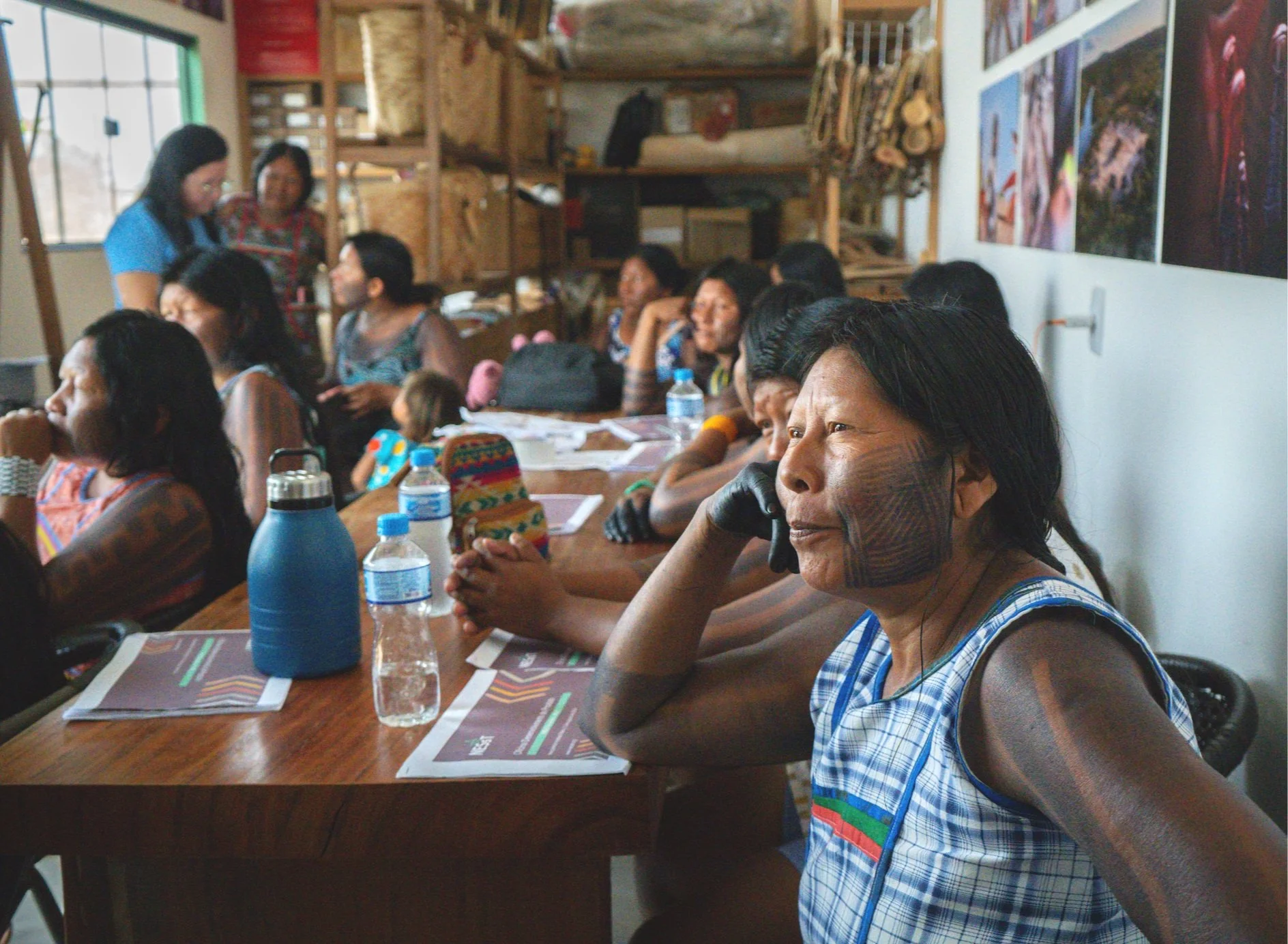
Asociación de Mujeres Indígenas Trabajadoras de La Libertad (AMITLI) is a women-led association in the remote rural area of the Vaupés in the Colombian Amazon – a region marked by poverty, lack of infrastructure, and the presence of armed groups.
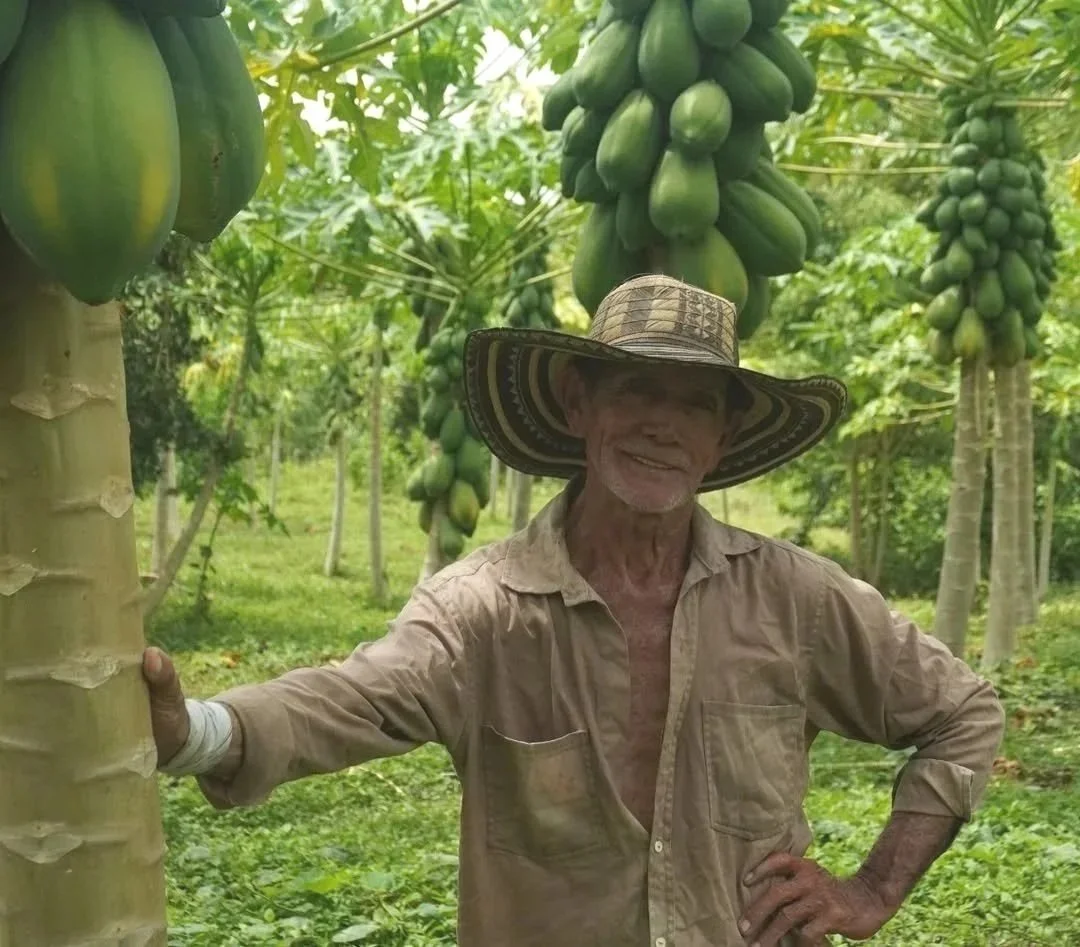
Asoprocegua builds thriving, sustainable livelihoods for farming communities in Guaviare, Colombia. It supports small farmers to cultivate Amazon fruits such as açaí that are naturally produced in forests and can be sourced without cutting down a single tree.
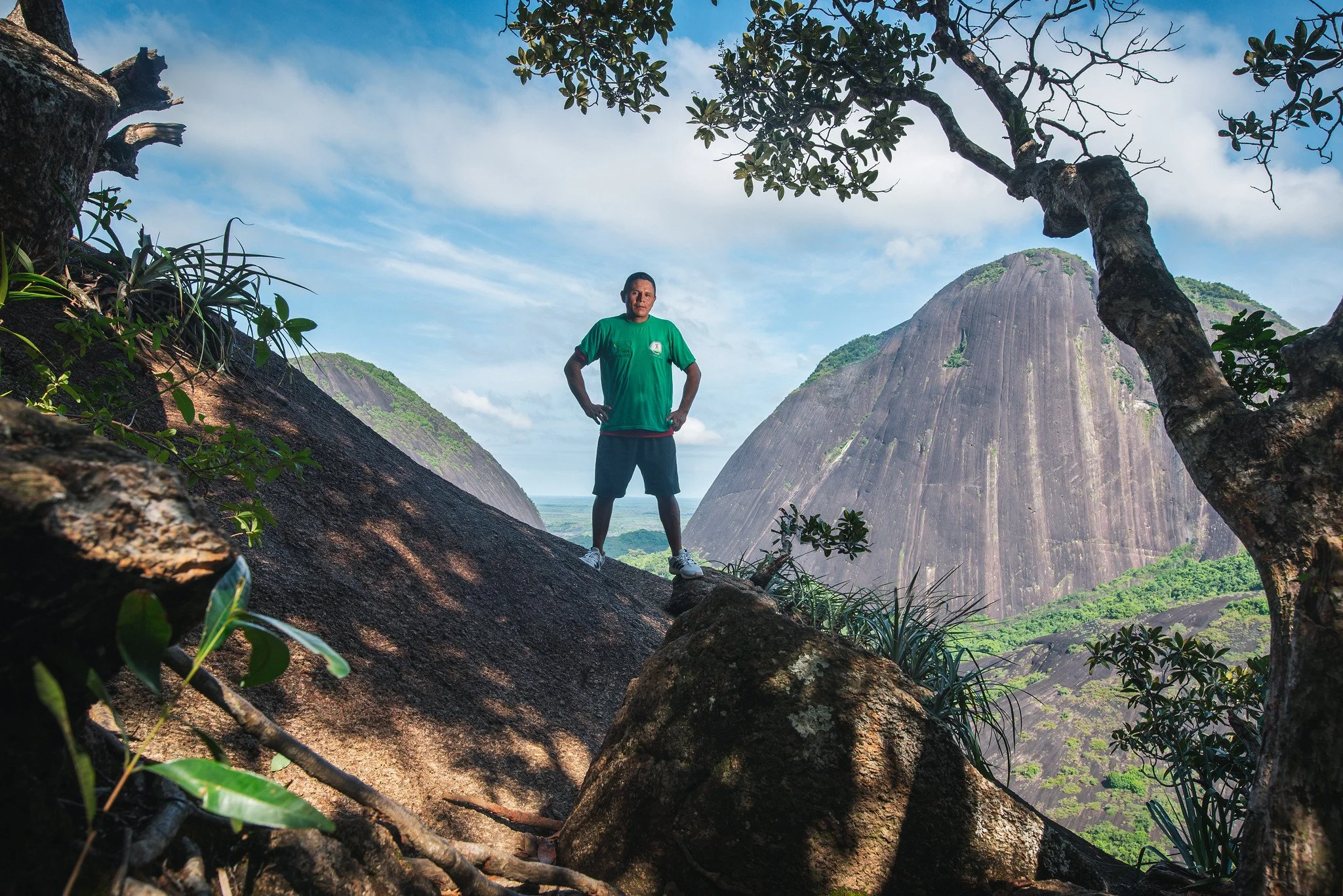
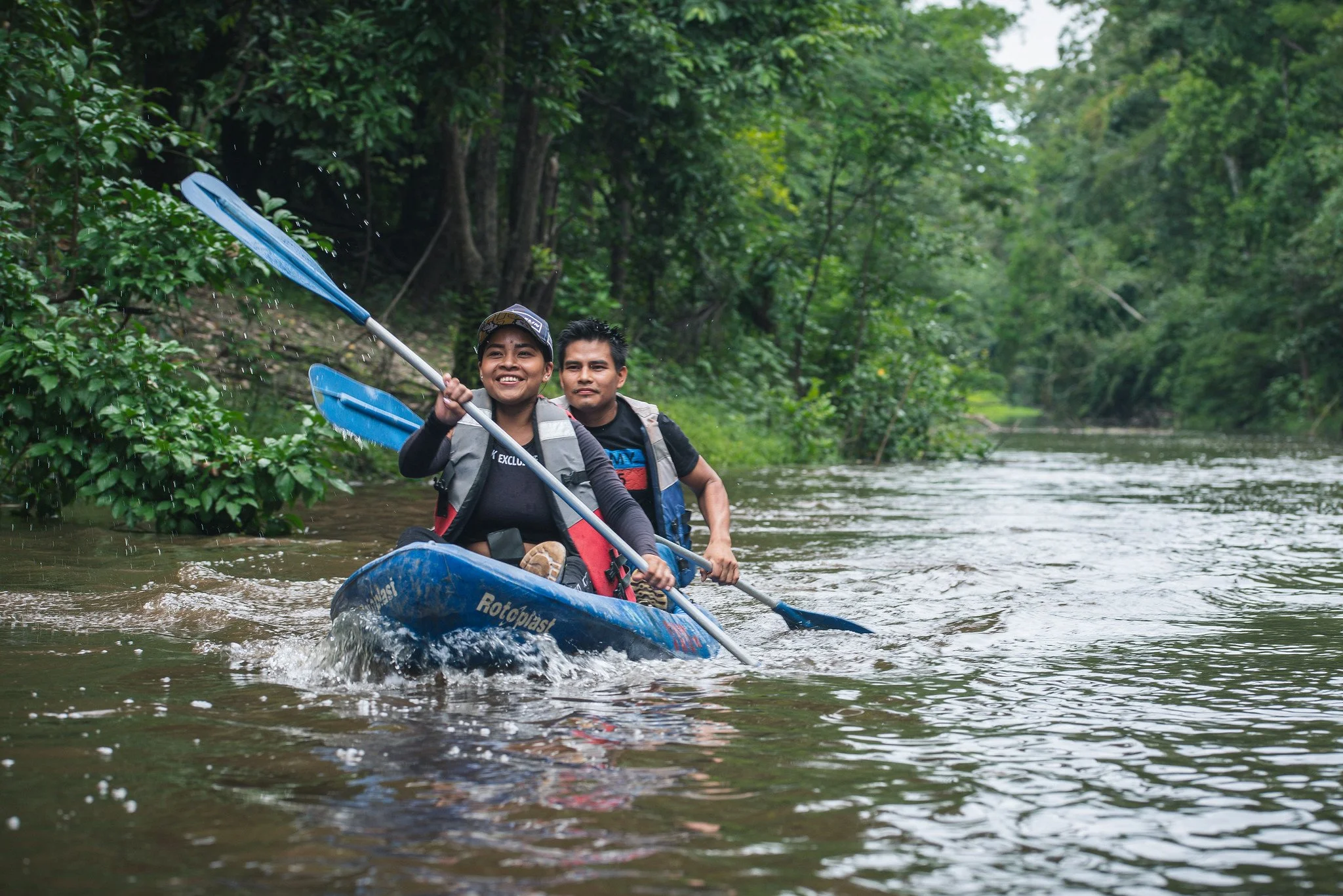
Founded in 2018, Asozhonm has developed a sustainable tourism model around these natural wonders, offering guided experiences that educate visitors while generating income for over 70 community members—many of whom previously relied on artisanal mining, fishing, or subsistence agriculture.
Bioingredientes Amazónicos (“BioIncos”) sources wild fruits from Indigenous communities in the Amazon Piedmont in Colombia and transforms them into natural oils for use in the cosmetics industry.
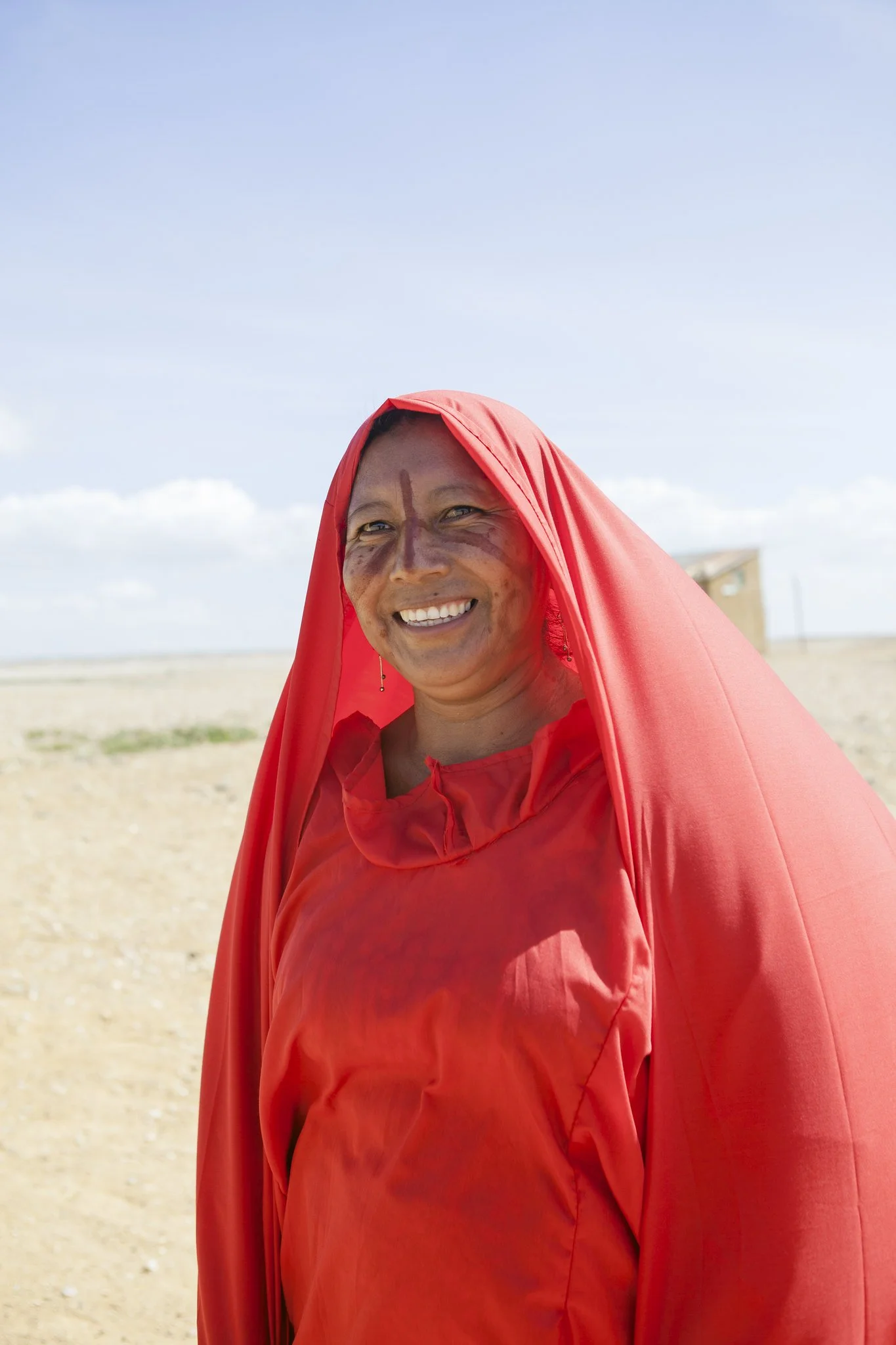
Chunaky Baru is an Indigenous-led association dedicated to advancing the livelihoods of artisans in the San José community in the Colombian Amazon.
International fashion brand Delzur promotes and exports conscious Indigenous art produced by more than 250 Indigenous artisans, over 90% of whom are women, working to highlight the invaluable contribution of Indigenous communities to protecting the planet.
Colombian enterprise Disruptia uses AI-driven technology to bridge the skills gap in Latin America. Its accessible training services support youth, women, ethnic minorities, migrants, and people over the age of 50 to find dignified work.
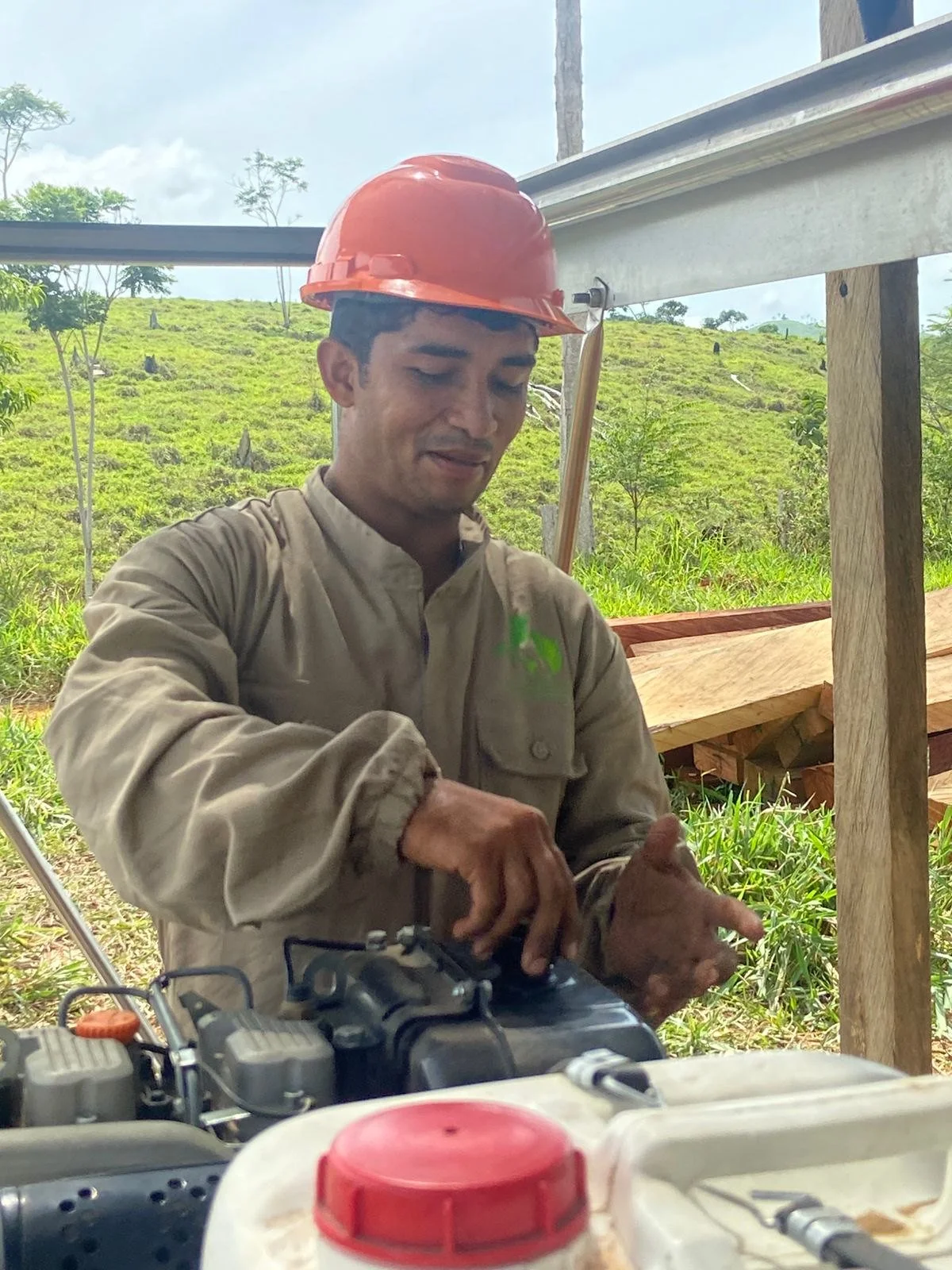
Founded in 2021 by 33 campesino families, Ecoserranía is a nonprofit association building a legal, community-managed forestry model that prioritizes conservation, traceability, and income generation. The association has obtained legal forestry permits covering 1,174 hectares of protected forest, where members apply sustainable harvesting and monitoring practices.
Federación Campesina del Cauca (FCC) sources organic, Fair Trade coffee from close to 500 smallholder farmers operating in Cauca, Colombia, over 30% of whom are women. FCC ensures its members earn a living income and supports them to become more climate resilient by diversifying their income streams.
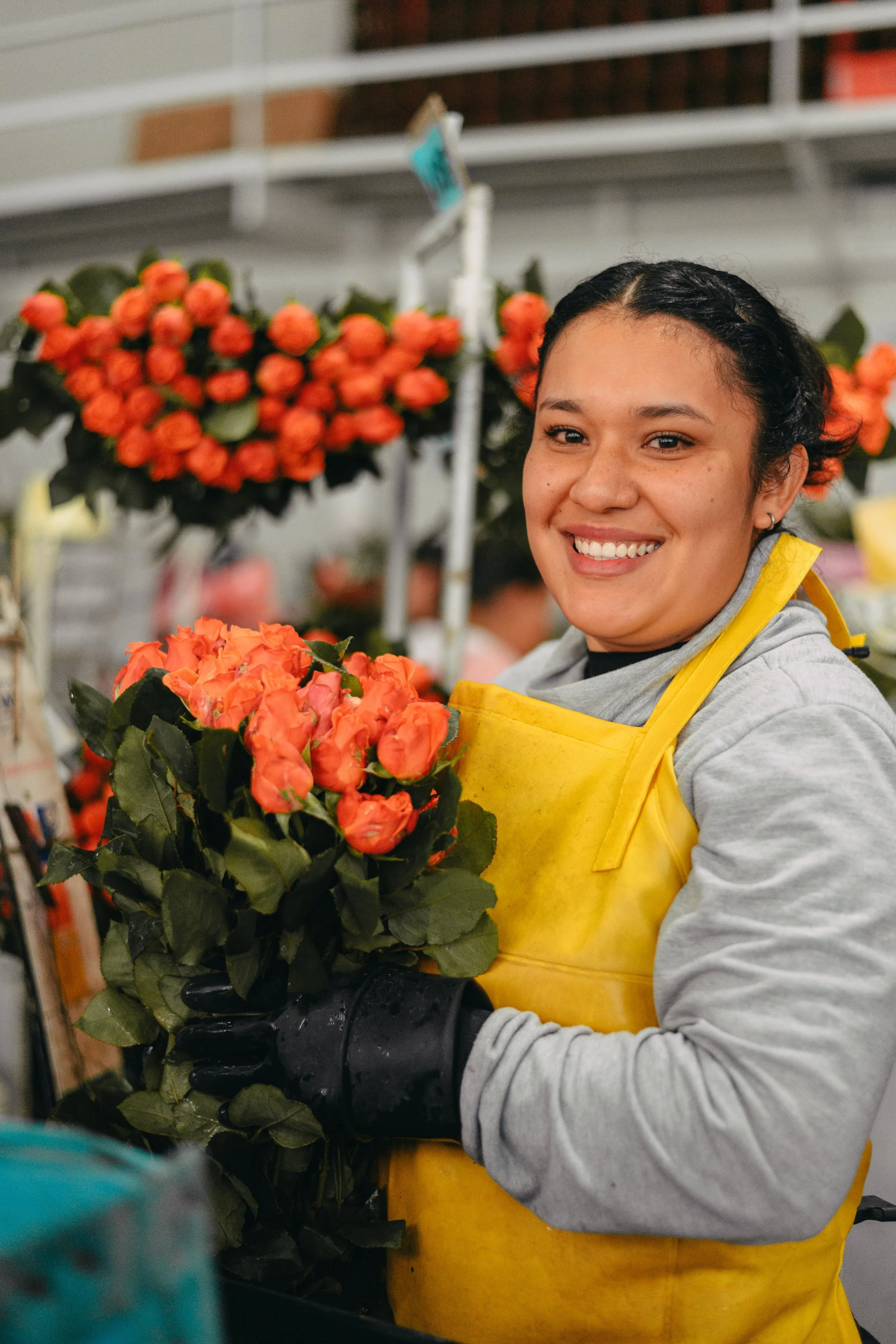
Based in Colombia, Indigo (formerly known as Cattleya) produces and sells roses for export to the US. Indigo currently employs 350 individuals, primarily from rural towns, providing them with a stable source of income and fair wages.
Mueblea is a family-owned, women-led sustainable furniture company with the mission to tackle the problem of furniture waste and reduce the environmental footprint of the furniture industry.
Novatio brings clean energy solutions to remote farming communities in Colombia. Rural families receive hands-on support to use sustainable fuel for cooking and domestic tasks to reduce household pollution and protect their health.
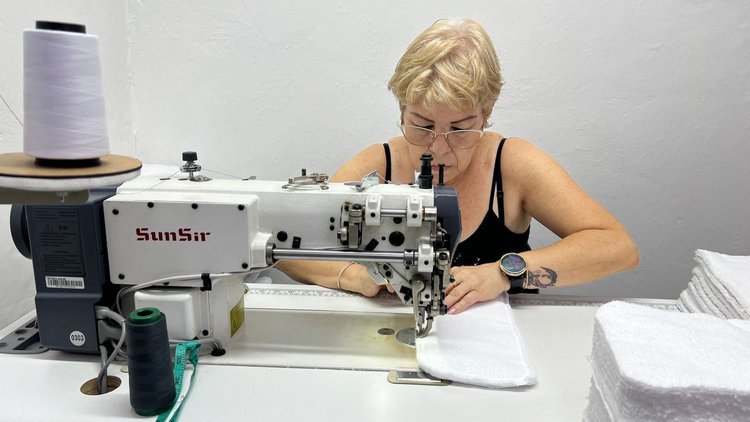
Colombia-based enterprise Okolo produces eco-friendly reusable diapers and promotes their environmental and health benefits. It also runs a Brand Ambassador program that provides flexible income opportunities to mothers.
Associación Intercomunitaria Painü (“Painü) was founded over ten years ago in Leticia, Amazonas to improve the livelihoods the Indigenous communities of the Yahuarcaca Lakes while protecting their territory and recovering and preserving ancestral knowledge.
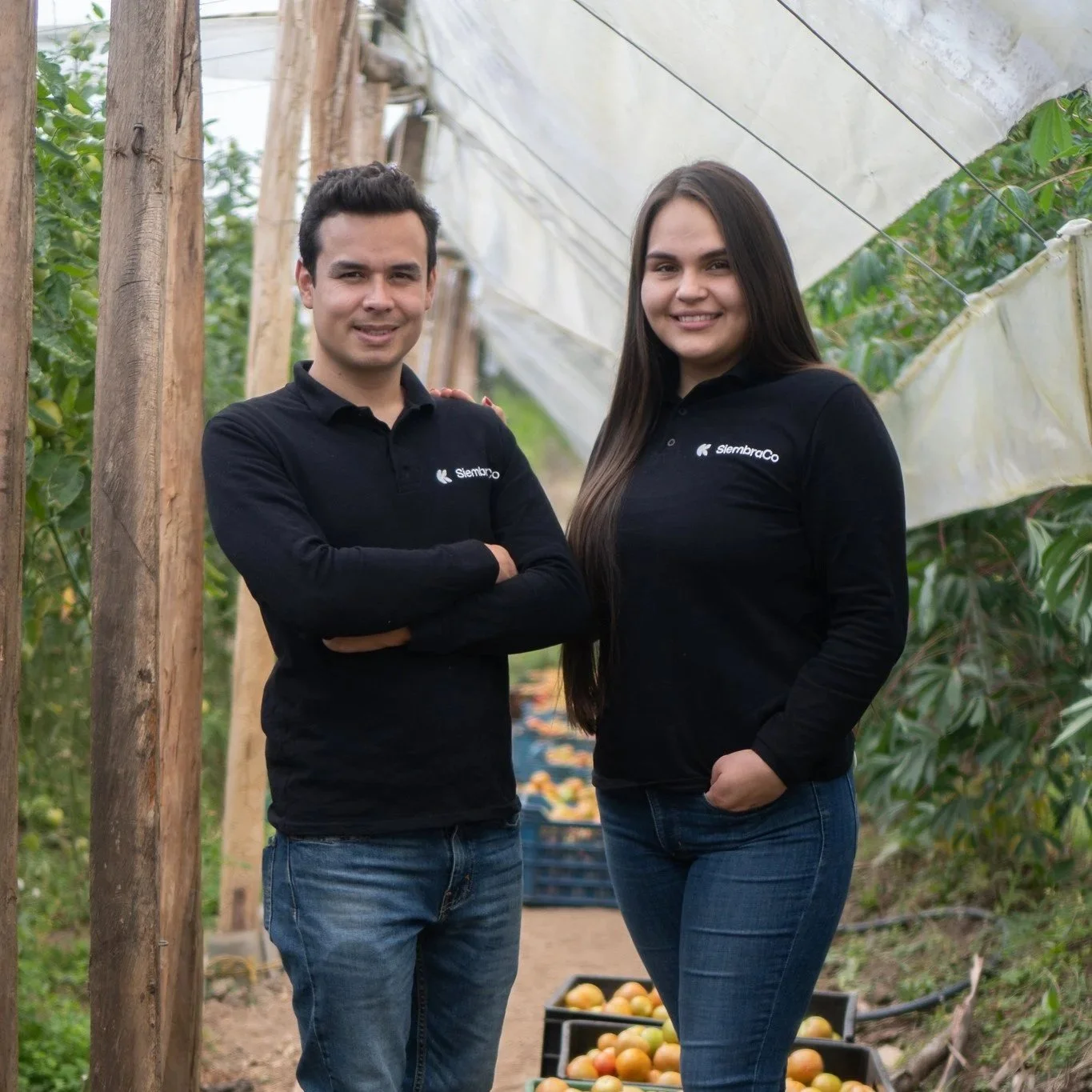
SiembraCo was founded in 2020 to strengthen local agriculture in Colombia. Facing fragile food systems and food shortages, the founders launched an online platform to connect rural farmers directly with urban customers, creating a more stable, transparent, and sustainable food value chain.
Are you ready to join the NESsT Colombia Portfolio?
Tell us about your social enterprise and the impact its making in your community.
Latest news
La próxima semana, NESsT participará en la COP30, en Belém do Pará, una conferencia histórica que situará a la Amazonía en el centro de los debates mundiales sobre el clima y marcará la mayor presencia indígena jamás registrada en las negociaciones de la ONU. La organización estará presente junto con emprendedores de su cartera amazónica, aportando experiencias nacidas en los territorios y demostrando que las soluciones climáticas más eficaces provienen de quienes viven en la selva y la protegen.
En julio de 2025, NESsT formalizó su presencia legal en Colombia con la apertura de una nueva oficina. Si bien llevamos más de 5 años acompañando el crecimiento de empresas de impacto en el país, este paso nos permite fortalecer nuestra presencia local y seguir contribuyendo de forma más directa al desarrollo sostenible de la región.
Suecia se une como donante al programa de aceleración consolidado de NESsT en Sudamérica, lo que permitirá ampliar el apoyo a más emprendimientos y profundizar su presencia en Colombia y Perú, además de extender sus esfuerzos a Brasil.
En este blog, conversamos con emprendedores de la bioeconomía para comprender mejor los desafíos que enfrentan al buscar financiamiento de distintas fuentes. Léelo para descubrir cómo los procesos de solicitud complejos y los requisitos de reporte afectan a sus negocios, y para explorar recomendaciones prácticas sobre cómo el sector financiero puede promover un acceso más justo e inclusivo al financiamiento.
Nuestro estudio reciente y la investigación exhaustiva realizada identifican que el término “bioeconomía” a menudo es interpretado de manera muy amplia por los financiadores de bioeconomía y los responsables de políticas a nivel global, a veces alejándose de una visión de cuidado ambiental. Como parte de los esfuerzos continuos por profundizar en la comprensión de sus perspectivas, visión y expectativas sobre la bioeconomía, entrevistamos a líderes indígenas y emprendedores, quienes la conciben no solo como un modelo económico, sino como una forma de vida profundamente arraigada en la tradición ancestral.
NESsT anuncia avances significativos en su liderazgo en dos de sus mercados sudamericanos, impulsados por crecientes oportunidades para dirigir recursos financieros y capacidad estratégica hacia empresas con impacto social.