Peru—one of the most biodiverse countries on Earth—has made significant economic strides in recent decades, yet millions of Peruvians still live below the poverty line—particularly in remote Amazonian and high-Andean communities. Indigenous Peoples, rural smallholder farmers, and women face deep systemic barriers to dignified employment and fair income. Peru's extraordinary natural wealth, from its Amazon rainforest to its Andean highlands, holds enormous potential, but the communities that steward these ecosystems are often the last to benefit from them.
NESsT's investments in Peru focus on social enterprises that put this potential to work for the people who need it most. We back innovative businesses that create dignified jobs, connect smallholder farmers to fair markets, protect the Amazon, preserve Indigenous knowledge, and build pathways out of poverty for women and rural communities across the country.
We’ve invested in 122 social enterprises across Peru
54,824
dignified employment & income generation opportunities created
$29 million USD
invested
812,379
lives improved
As of March 24, 2025
See Our Work in Peru
“Whatever it is, the way you tell your story online can make all the difference.”
Learn How NESsT Social Enterprises Fight Inequality in Peru
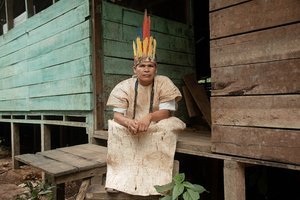
AFIMAD (The Indigenous Forestry Association of Madre de Dios) is an association formed by Amazon nut collectors as an alternative solution to the unsustainable
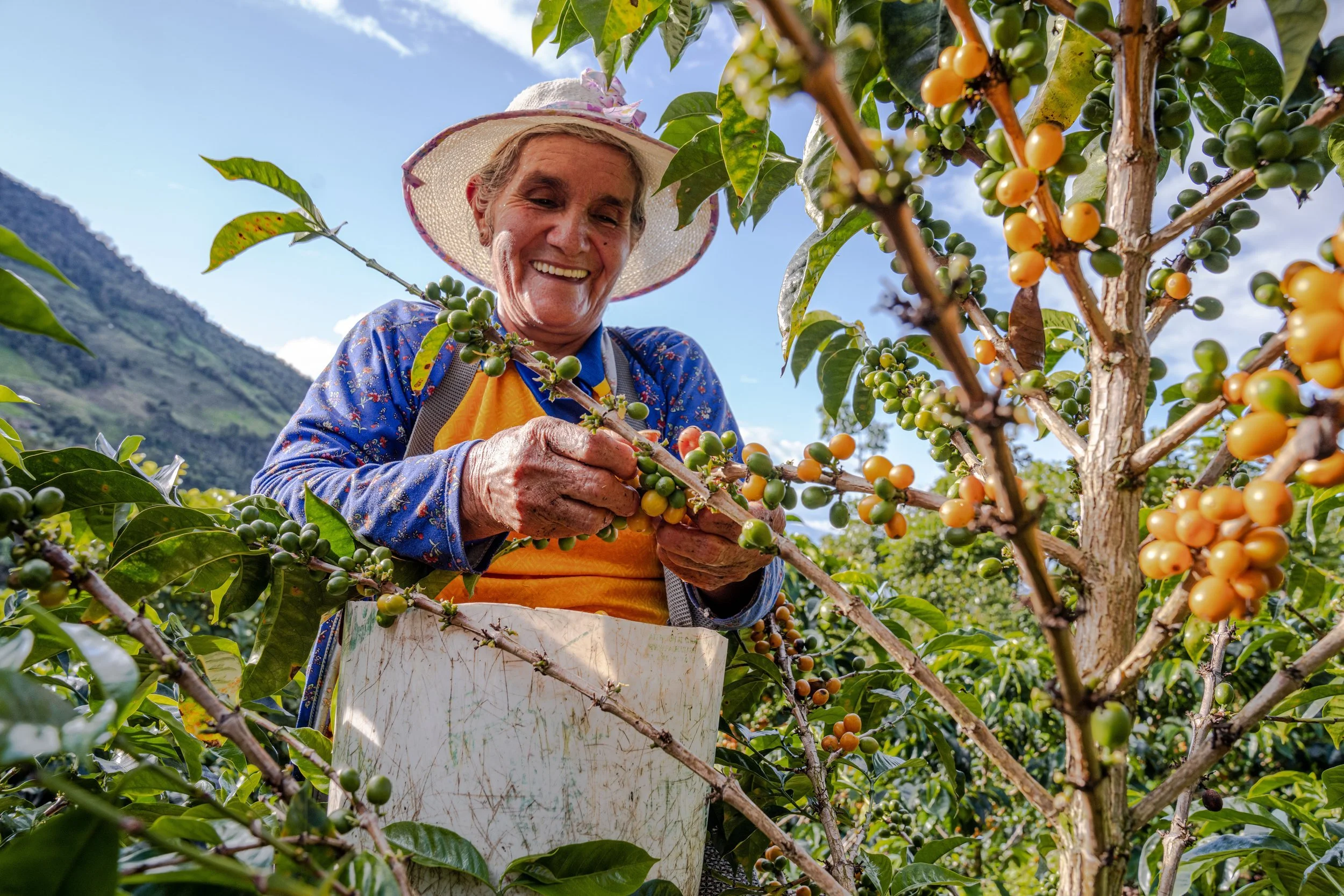
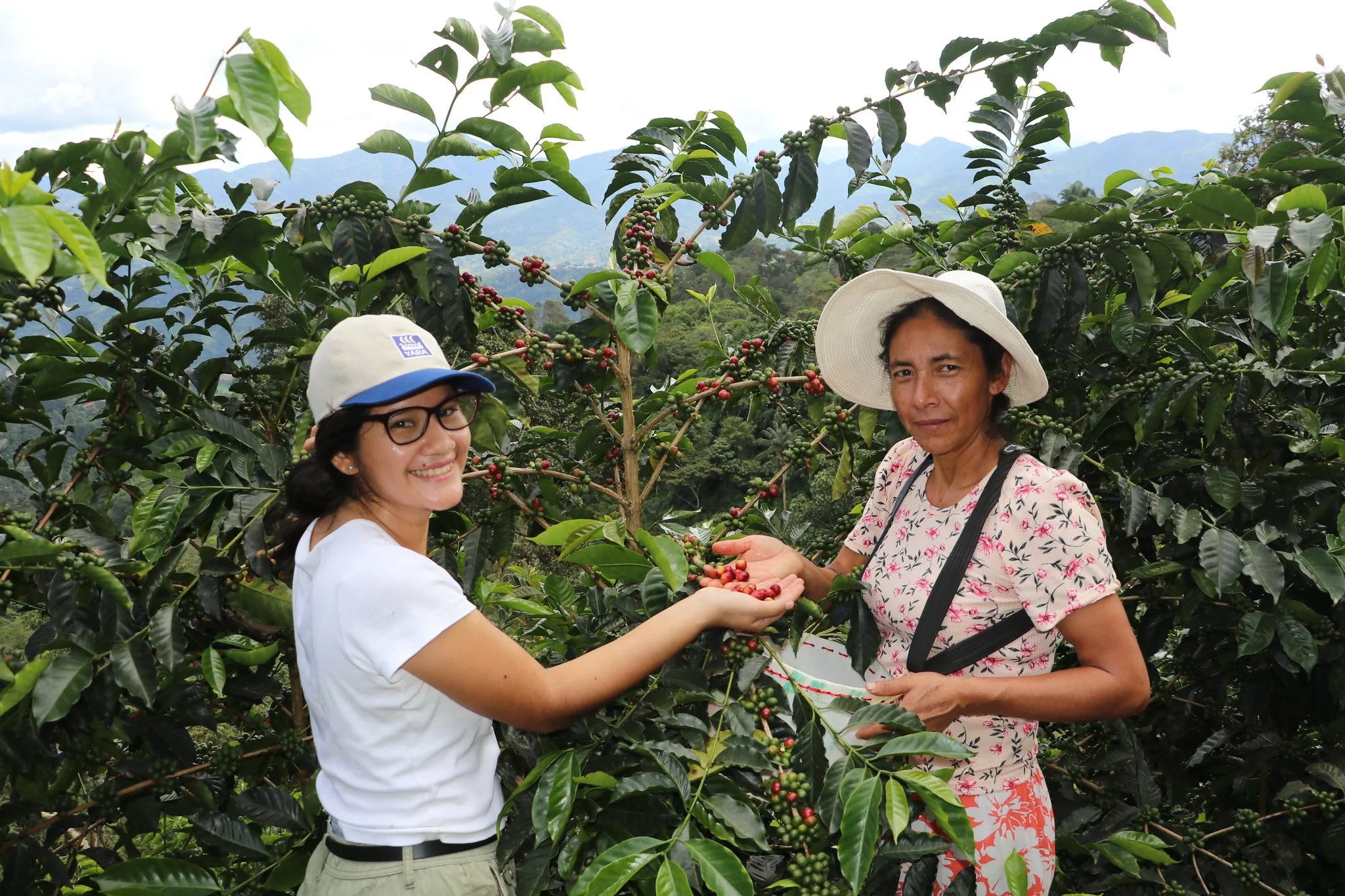
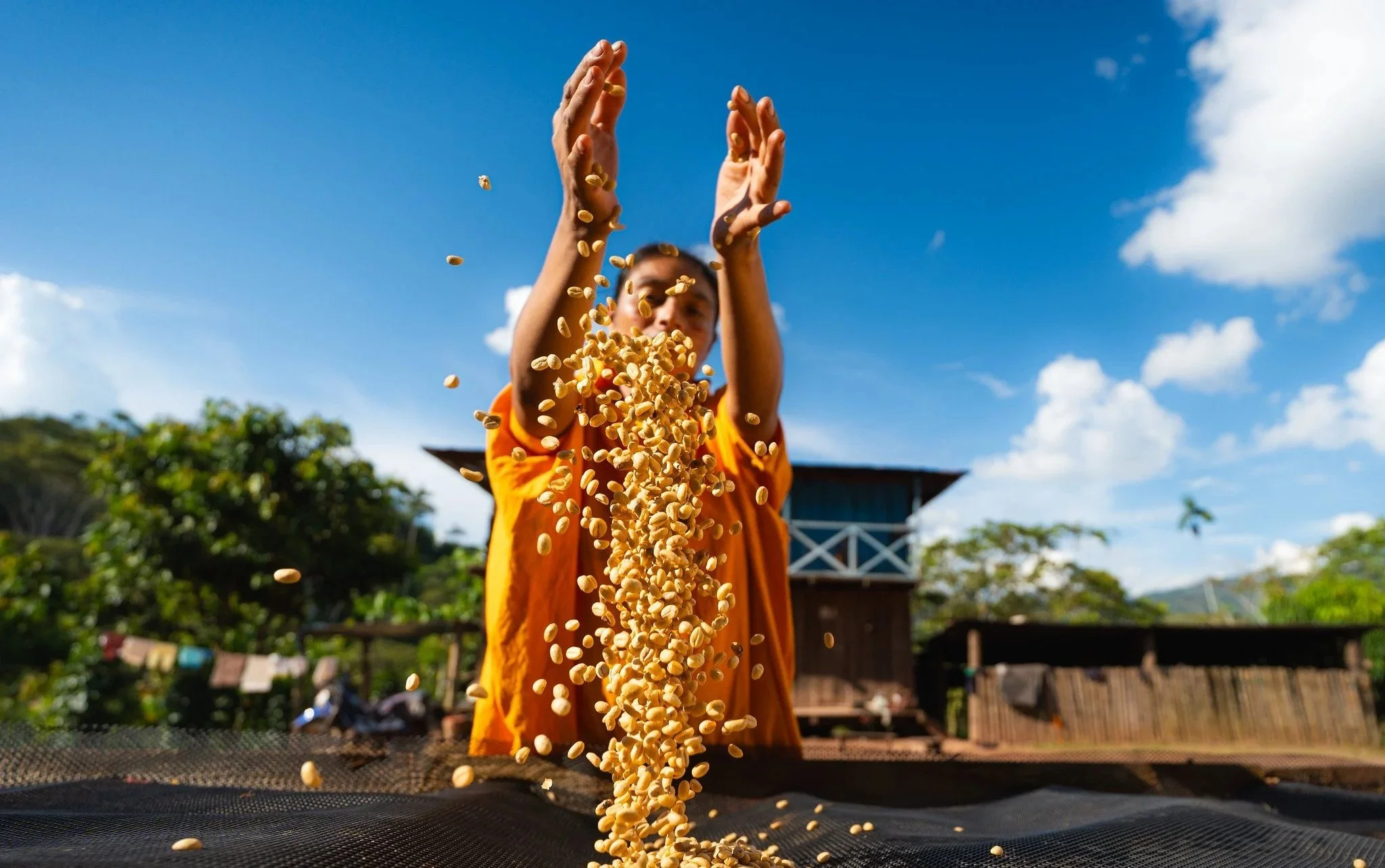
Founded in 2015, La Asociación de Productores Amazonas – Alto Mayo (“Apromayo”) sources coffee beans from over 300 producers in remote rainforest areas of San Martín and Amazonas, supporting them to make a living income while conserving the environment. Today, the association, led by a woman and supported by a young team, has become a key player in the region's coffee industry.
Cedros Café is a cooperative that supports smallholder coffee farmers in the region to improve their business practices and income opportunities, offering its associates 30% more than conventional buyers for their coffee beans
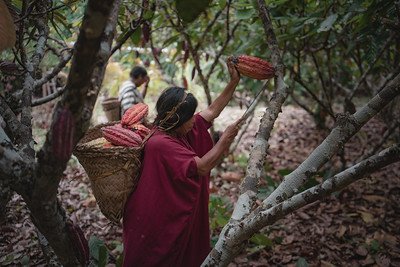
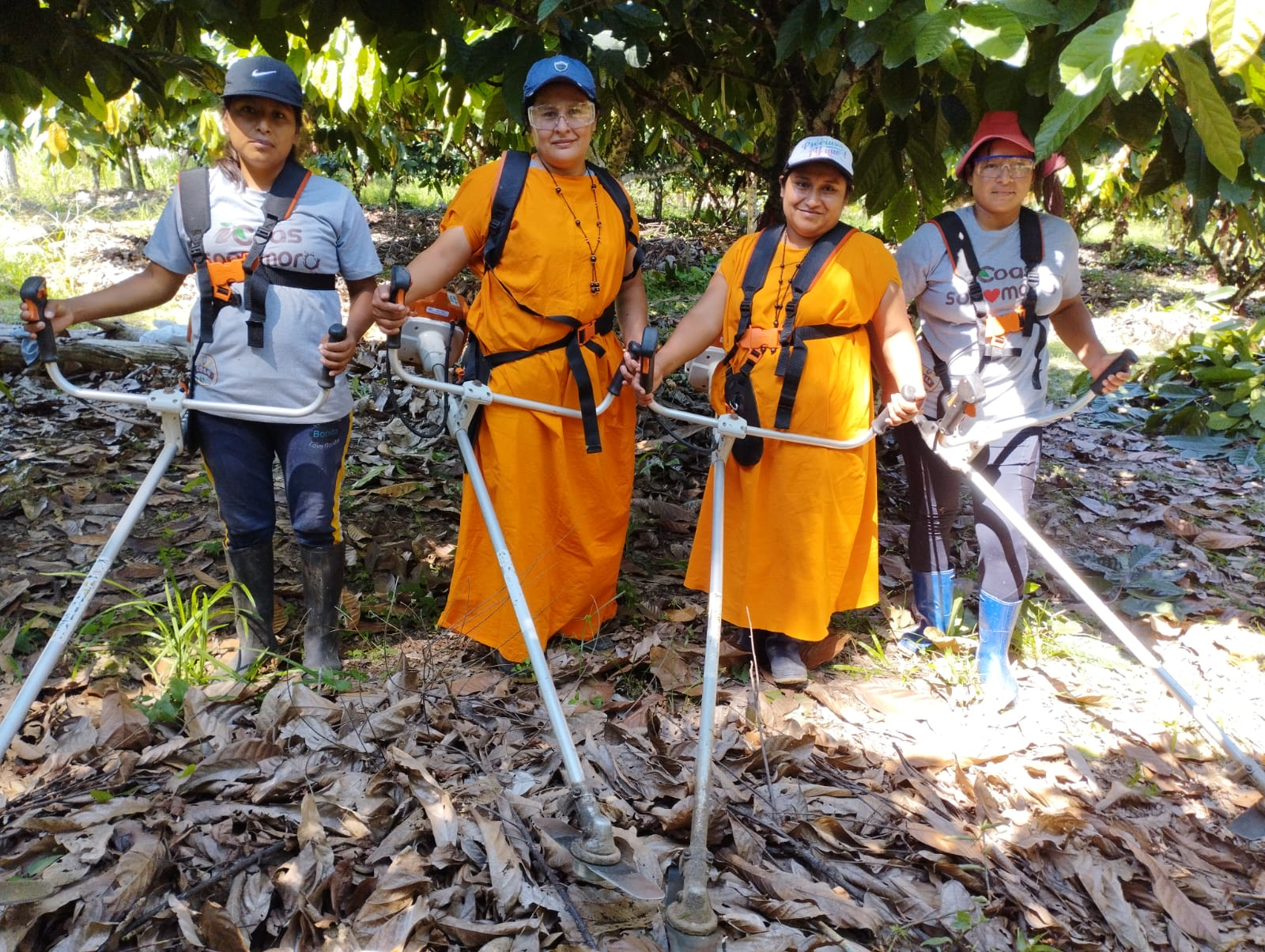
For over two decades, Cooperativa Agraria Sonomoro del VRAEM (“COAS”) has been working to improve the lives of smallholder farmers in Junin and Ucayali in Peru. It equips farmers with resources to cultivate organic, Fairtrade cacao, highlighting the benefits of sustainable farming practices.
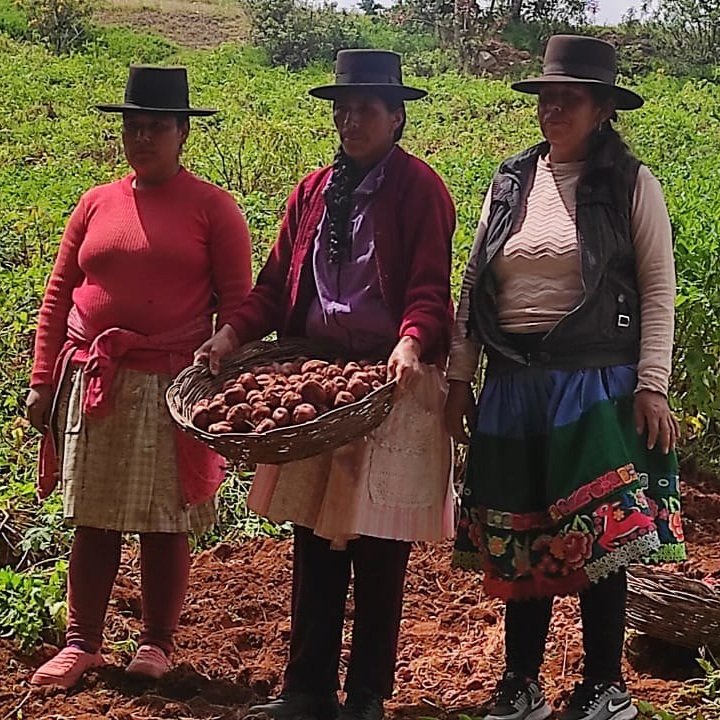
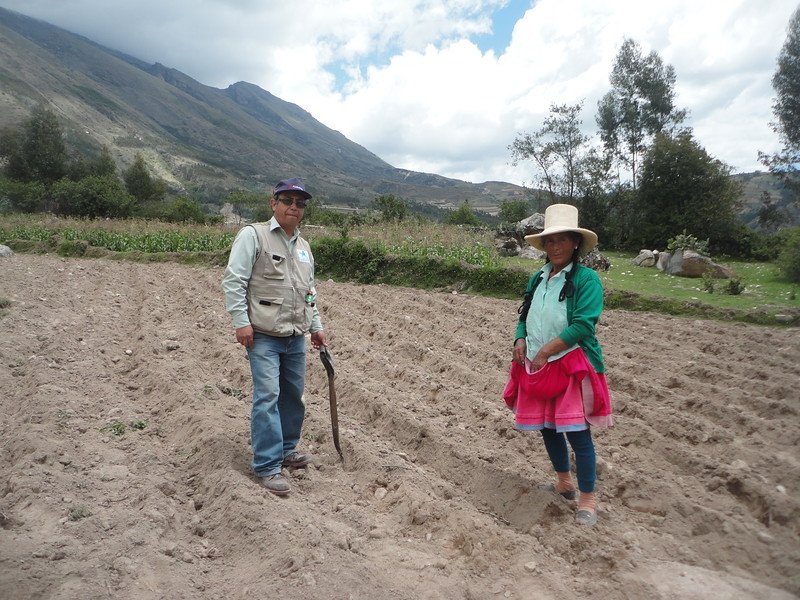
Coordinadora Rural de la Papa del Perú (CORPAPA) was founded to support the livelihoods of traditional potato farmers in Ayacucho.
Founded by 15 members with a shared vision for fairer coffee production, Cooperativa Agraria de Servicios Múltiples Cordillera Azul (“Cordillera Azul”) is a growing cooperative that supports over 350 small coffee farmers in the northeast of Peru.
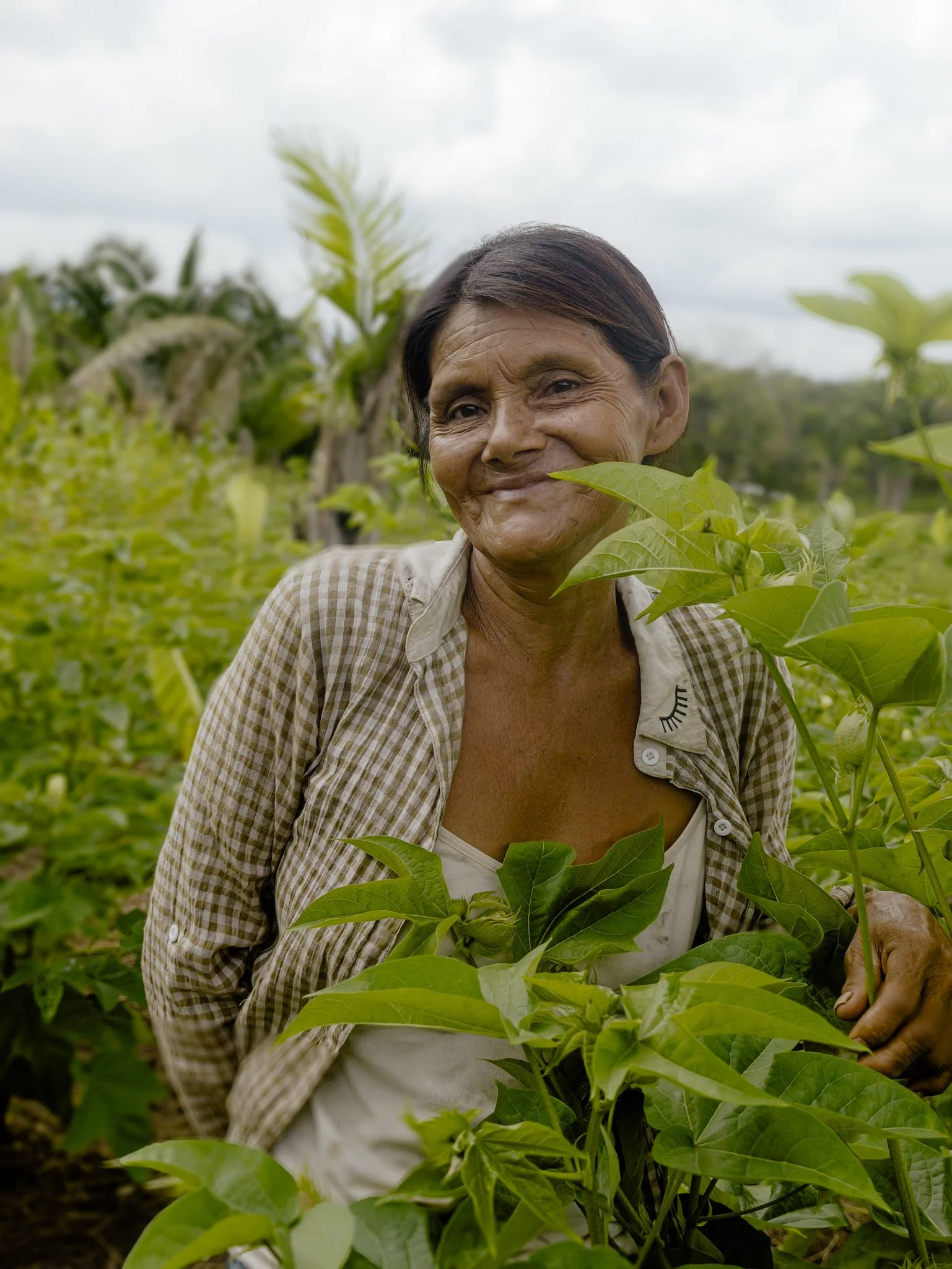
Cotton Nation promotes organic and regenerative cotton farming, working closely with more than 3,000 Indigenous and rural producers across Peru's San Martín region, where smallholder agriculture is highly exposed to climate risk and has limited access to formal markets.
Located on the banks of the Huallaga River in the Peruvian Amazon, Cuencas del Huallaga sources high-quality Fairtrade, organic cocoa from over 500 smallholder farmers, paying fair prices for their products.
Founded in 2012, Finca Chorro Blanco S.R.L. is a family-owned business that operates a dry coffee processing plant and engages in coffee trading.
Greenbox is a social enterprise that transforms regions in the Amazon Andes of Peru from harvesting coca plants for use in drug trafficking, to harvesting organic fruit for use in value-add products. Farmers in this region are smallholders who practice subsistence agriculture, use limited technology, and sell their produce in the local market where prices are volatile each season.
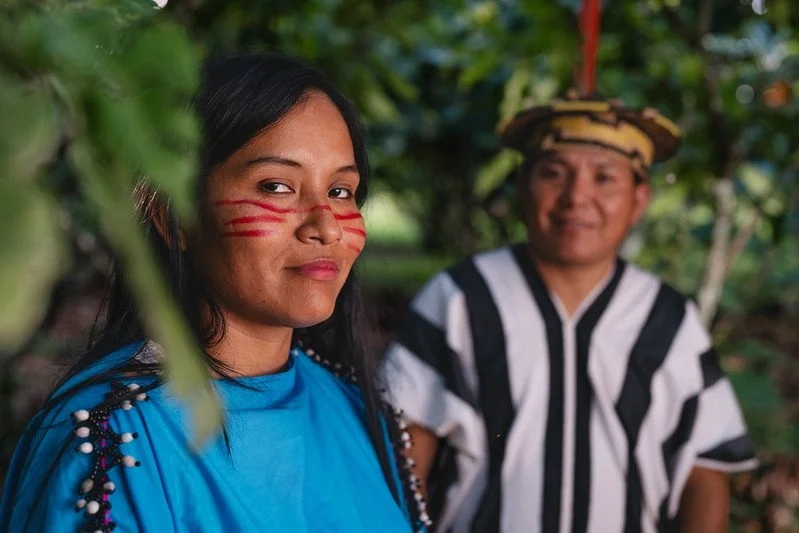
Kemito Ene is an Indigenous-led cooperative of producers of the Asháninka nationality, from the Ene River basin, dedicated to the sustainable production and marketing of certified organic and fair-trade cacao beans, cacao-derived products, chocolate, and roasted and ground coffee beans.
Asociación de Productores Agrarios Alto Kivinaki ("Kivinaki”) was founded in 2019 to provide a more sustainable livelihood alternative through organic orange farming.
Kotsimba Eco Lodge SAC is a community-based ecotourism enterprise that offers immersive nature and cultural tourism experiences, from full-day tours to extended packages with overnight stays.
Located in the jungle areas of central and eastern Peru, Kulkao sources cocoa from over 1,000 smallholder farmers living in the remote regions of the Amazon basin, purchasing their cocoa at prices typically higher than the market price. Its products include cocoa butter, powder and nibs and are sold locally and internationally.
The cooperative sources coffee from almost 460 smallholder farmers operating in the region, working to alleviate their severe financial strains and ensure coffee producers earn a living income.
Organic Rainforest sources organic cacao from lush regions of Peru’s northern and central jungle, partnering with three local cooperatives and supporting close to 400 cacao growers – 30% of whom are women.
Pebani has 21 years of experience working with smallholder farmers and native communities to sustainably source and process over 140 species of plants, bringing to the market a wide variety of nature-based products recognized for their high nutritional and medicinal values.
Cooperativa La Perla de los Andes is an agricultural cooperative made up of 90 smallholder farmers in Ancash, Peru that supports local farmers in the Huaylas province to grow the ancient Andean legume tarwi.
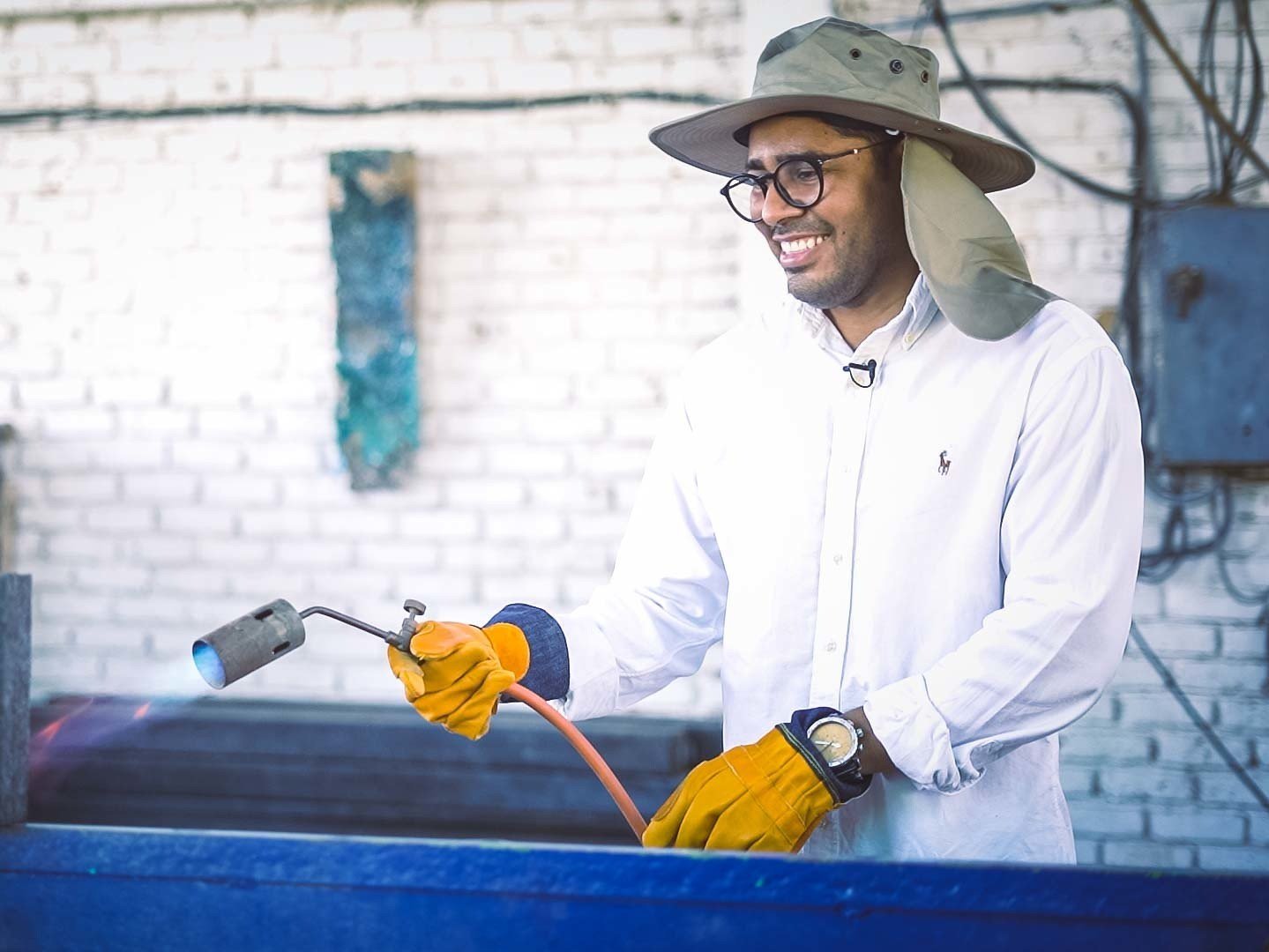
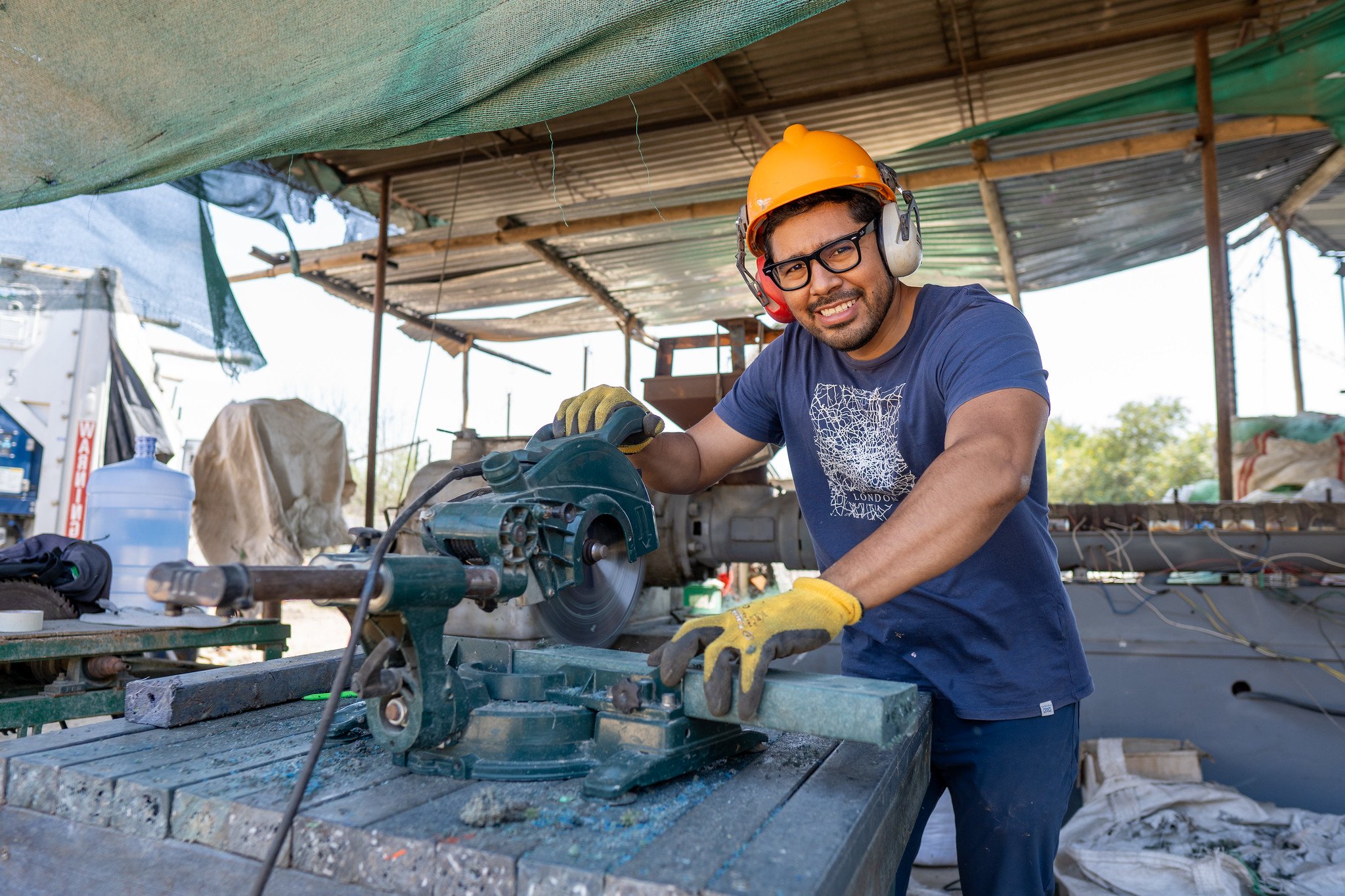
Plastic Corporation uses single-use plastic waste and reclaimed plant fibers as an alternative to lumber to make products such as furniture, playground equipment, and construction materials, contributing to a robust local circular economy.
RONAP exports raw Brazil nuts, an Amazon nut rich in healthy fats, antioxidants, vitamins, and minerals, to the U.S. and European markets. The association eliminates intermediaries and acquires nuts directly from 33 Brazil nut collectors in Madre de Dios, Peru, ensuring that they receive fair prices for their products.
Located in the coffee-growing region of Perené in Junin, Peru, Cooperativa Agraria Cafetalera Santa Ana is a coffee cooperative with environmental and community well-being at its core. Since its founding in 2018 with just 22 members, the cooperative has grown to support over 170 small-scale coffee farmers across Perené and neighboring districts to harvest, process, and sell certified organic and Fair-Trade coffee.
Shanantina is a social enterprise that works exclusively with indigenous communities to cultivate sacha inchi, a nut that is native to the Peruvian Amazon, and has been used by indigenous people in Peru for at least 2,000 years.
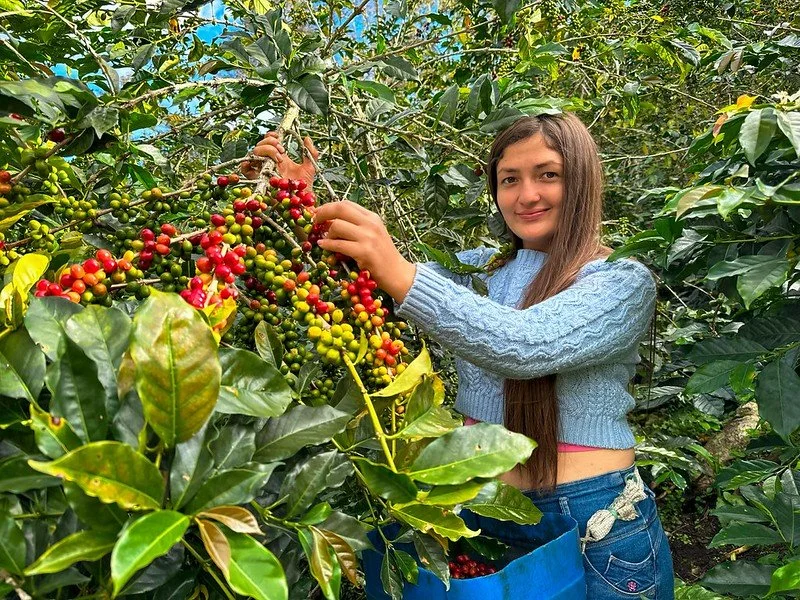
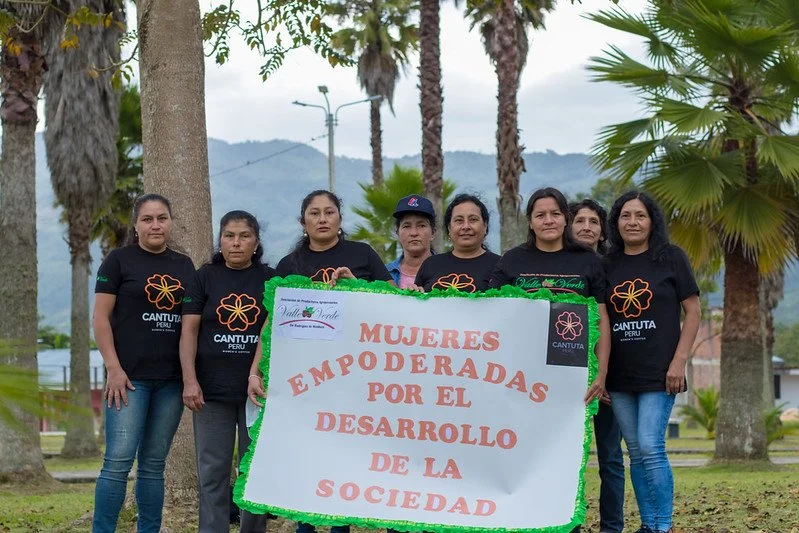
Founded over a decade ago by local producers, Valle Verde strengthens farming livelihoods through sustainable agriculture. Today, the association supports close to 500 smallholder farmers who cultivate coffee on plots averaging 2 to 4 hectares in size. Of its members, nearly half are women and 30% are young people.
NESsT’s Work in Ecuador
Peru and Ecuador share some of the most extraordinary landscapes — and some of the deepest inequalities — in the Americas. Both countries are anchored in the Amazon basin, home to vast tropical forests and the Indigenous communities who have stewarded them for generations.
NESsT works on both sides of this shared Amazonian frontier. We invest in and accompany social enterprises that protect the forest, honor ancestral knowledge, and create dignified livelihoods for the communities who call these territories home.
NESsT's portfolio in Ecuador centers on Kichwa-led enterprises in the Amazon that are revaluing ancestral plants, foods, and practices — and turning them into sustainable businesses. We accompany these associations through business acceleration, access to markets, and patient capital, supporting them to grow without compromising the community values and ecological practices that make their enterprises unique.
Ally Guayusa is a Kichwa-led association founded in 2018 in the Ecuadorian Amazon. It brings together Indigenous community members who cultivate Amazonian fruits and products using traditional knowledge and organic practices.
Asotexkich is a women-led textile association that brings together 27 artisans – 23 women and four men – from six Kichwa communities. What began as a small initiative in 2016 has grown into a collective effort to support local families, respond to growing demand, and keep cultural heritage alive through traditional clothing.
The Indigenous-led association, Wayusa Ruku Kawsay, brings together members from 14 Kichwa communities in the Ecuadorian Amazon to grow, process, and sell guayusa (Ilex guayusa) – a sacred Amazonian plant known for its natural energizing effects. The name ‘Ruku Kawsay’ means “ancestral life” in Kichwa, reflecting the association's goals to use this traditional plant to reconnect with and sustain Indigenous knowledge and livelihoods.
Led by 25 Kichwa Indigenous community members, Ñukanchi Sacha Waysa offers cultural and eco-tourism experiences for local, national, and international visitors to the Ecuadorian Amazon, inviting them to step into their way of life. It offers visitors a chance to connect with ancestral Kichwa traditions, learn sustainable farming practices, and help protect the Amazon rainforest.
Are you ready to change the world with your social enterprise?
NESsT News in Peru
The NESsT Team in Peru
Our Supporters in Peru
Thanks to our incredible partners and donors who help us fight inequality in Peru