The NESsT South America Accelerator Program, with a focus on Brazil, Colombia, Chile, and Peru, provides social enterprises and socially impactful enterprises companies with patient capital and tailored business support services.
These companies are tackling some of South America’s most pressing issues, from poverty and social exclusion to climate change and environmental degradation. And their impact doesn’t stop there. They also hire people from underserved communities in dignified jobs, including women, small-holder farmers, people from Indigenous communities, people with disabilities, the LGBTQIA+ community, and provide stable income opportunities to small-scale suppliers and producers. Despite this, these companies often face recurring barriers in accessing the funding and meaningful business assistance they need to grow their businesses and scale their social and environmental impact.
The accelerator program provides support on average for three years and is tailored to address the specific needs of social entrepreneurs, including balancing purpose and profit. The program is delivered by NESsT and includes mentoring from corporate mentors at Cisco, IKEA, MetLife Chile, ACM Consulting, Seedstars, Growth Intelligence, and other program peers.
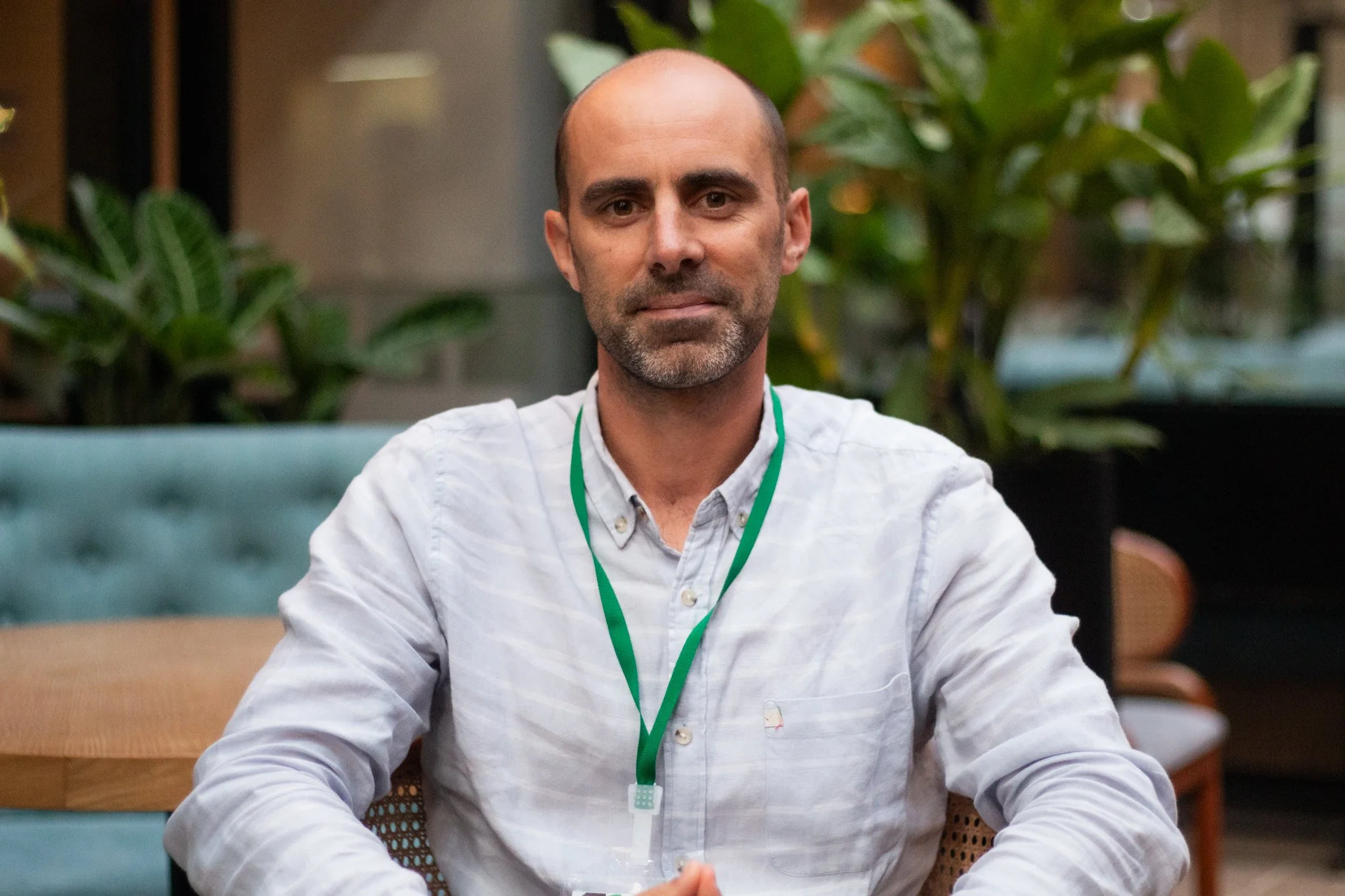
“The ecosystem NESsT has built is invaluable – it makes us feel part of a community that supports one another. It gives us the energy to keep moving forward.”
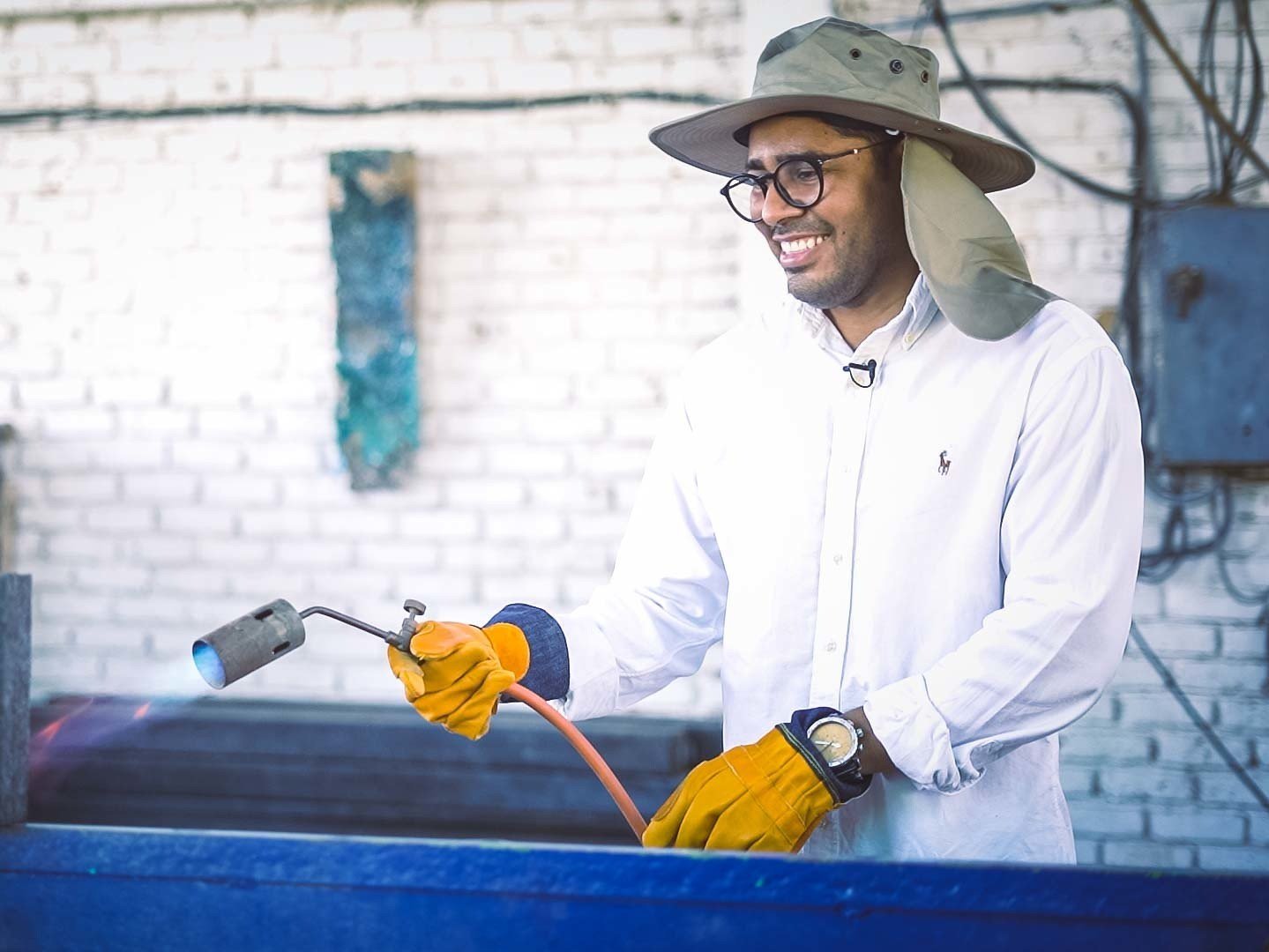
Arnau Godet, CEO and Co-Founder of Novatio – a social enterprise that brings clean energy solutions to remote farming communities in Colombia.
Program benefits
-
Recoverable grants to finance business growth activities, investment, and working capital*,
*Smaller non-recoverable grants may be offered for strongly justified purposes as additional funding.
-
Enterprises work one-on-one with selected mentors from NESsT’s portfolio management team, along with selected mentors and partners s to effectively address their identified needs.
-
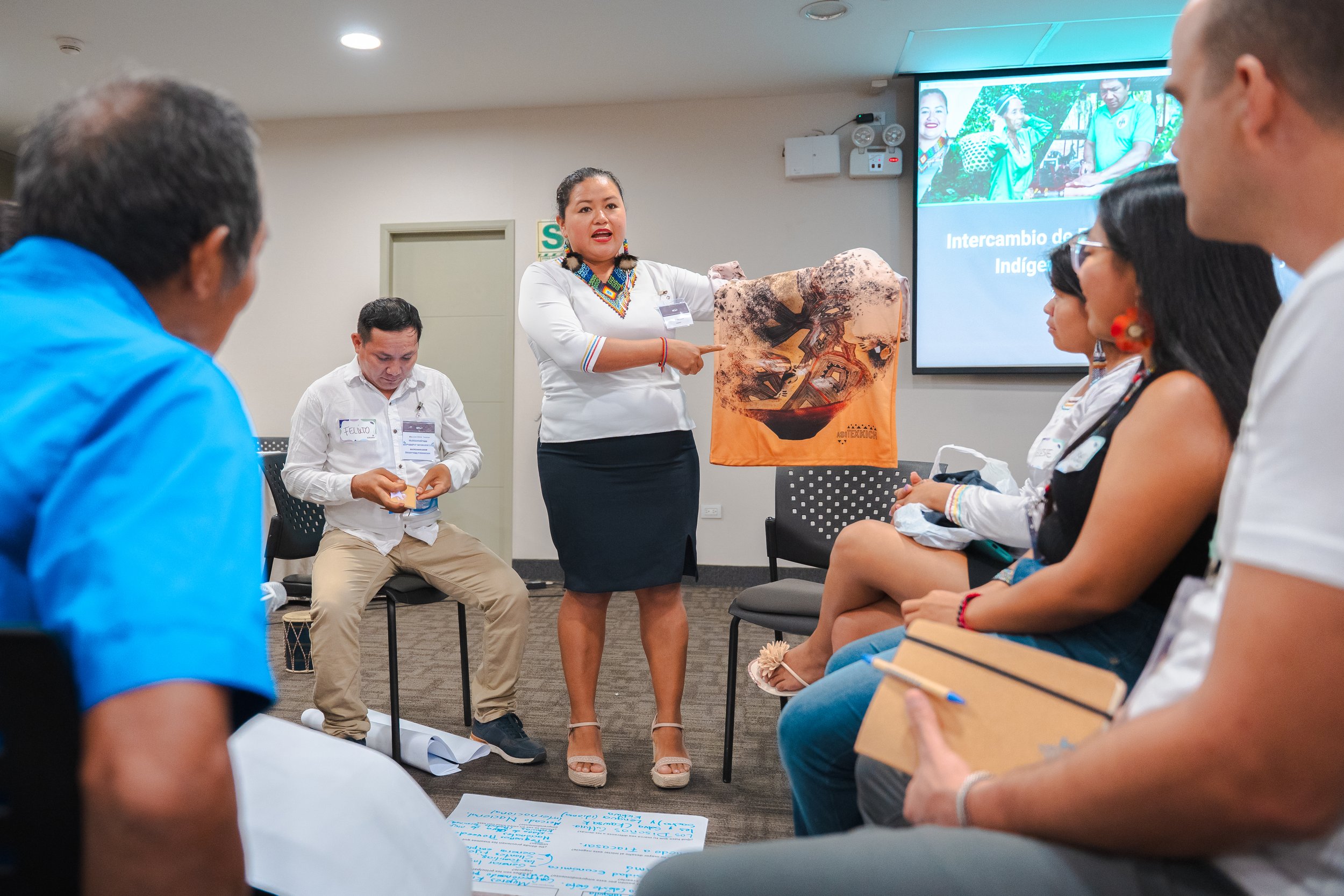
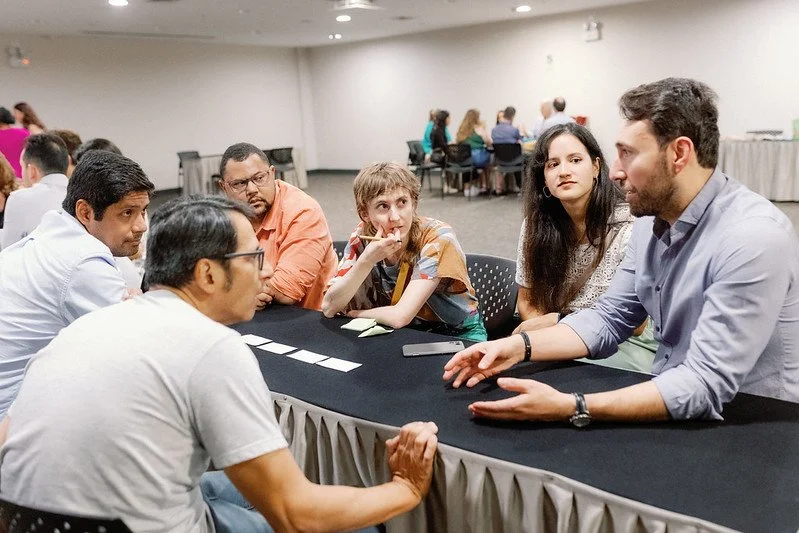
Enterprises receive support to network with other portfolio entrepreneurs, sharing and gaining valuable insights from peers through both online and in-person meetings. Enterprises may also have the chance to attend sector-building events and other events delivered by NESsT and its ecosystem partners.
-
Entrepreneurs participate in training sessions covering strategic areas such as sales, marketing, brand building, social impact, diversity, equity, and inclusion (DEI), environmental indicators, and financial management.
-
Enterprises gain access to other impactful organizations in the NESsT portfolio throughout Central and Eastern Europe and South America, leveraging business tools to tackle some of the most pressing social and environmental challenges of our time.
-
Enterprises advance their impact journey by working with the NESsT team to establish systems for measuring social and environmental impact.
-
Companies can share their impact, employee stories, milestones, and lessons learned through local media coverage, NESsT’s social media channels, videos, and events.
About the Accelerator Program
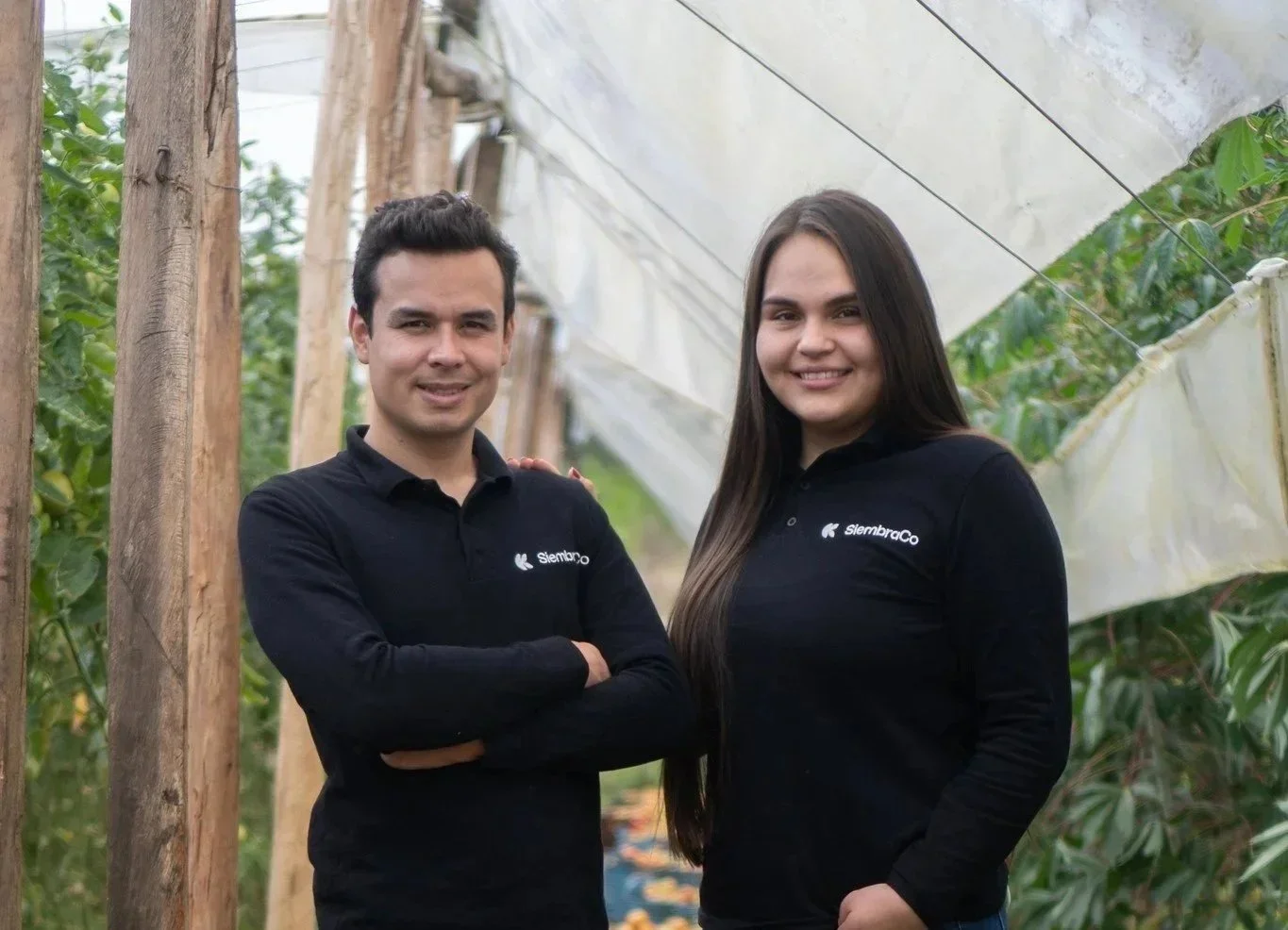
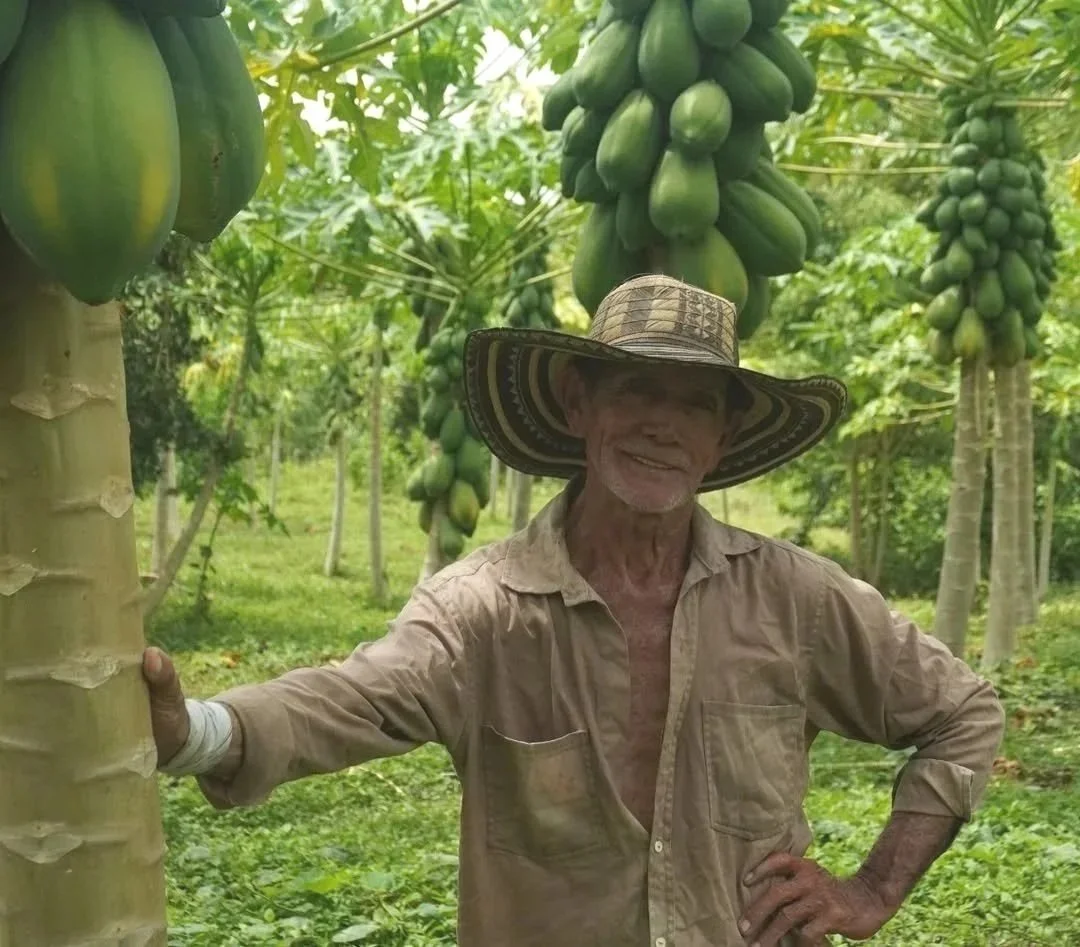
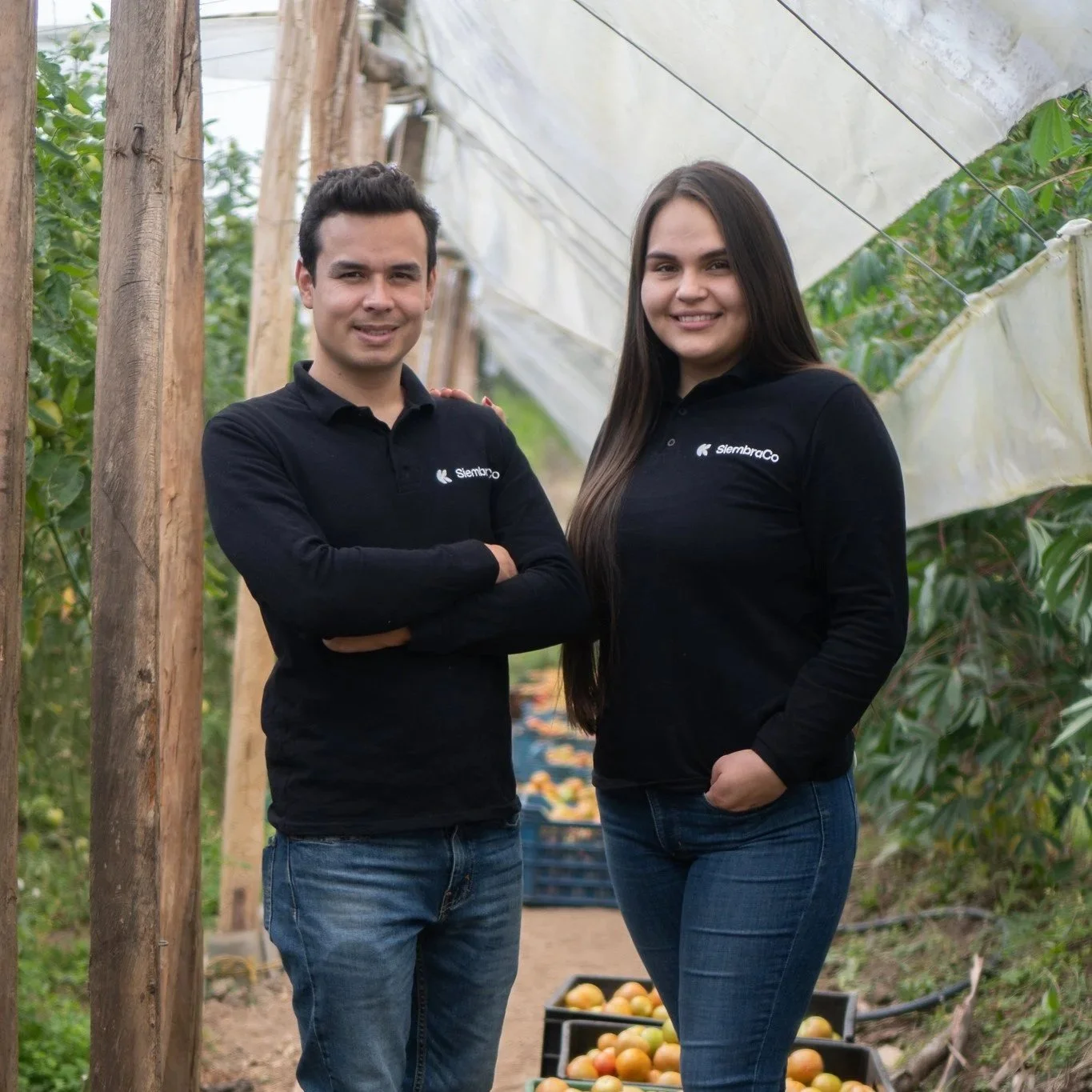
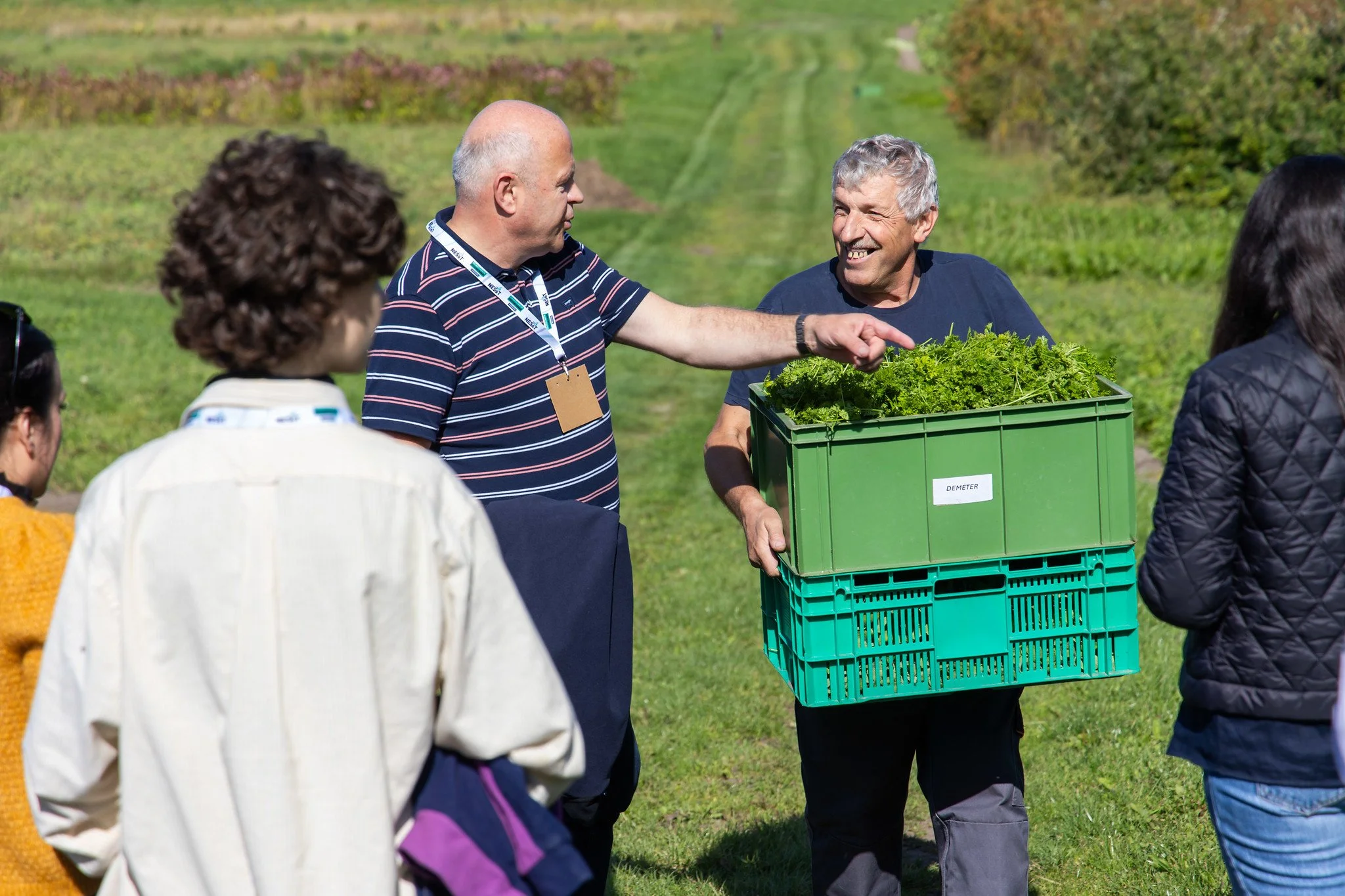
Colombian enterprise SiembraCo joined the NESsT South America Accelerator Program in 2025 to reach an additional 1,000 smallholder farmers through its online farm-to-fork marketplace.
NESsT’s acceleration work in South America builds on nearly 30 years of experience supporting social enterprises across Brazil, Chile, Colombia, Ecuador, and Peru to create and sustain formal, decent jobs while conserving the planet.
Today, our South America Accelerator Program is supported by a range of long-term partners and donors including Cisco Foundation, IKEA Social Entrepreneurship, MetLife Chile, and Sweden through the Swedish International Development Cooperation Agency (Sida), working together to address regional inequality and environmental challenges across South America.
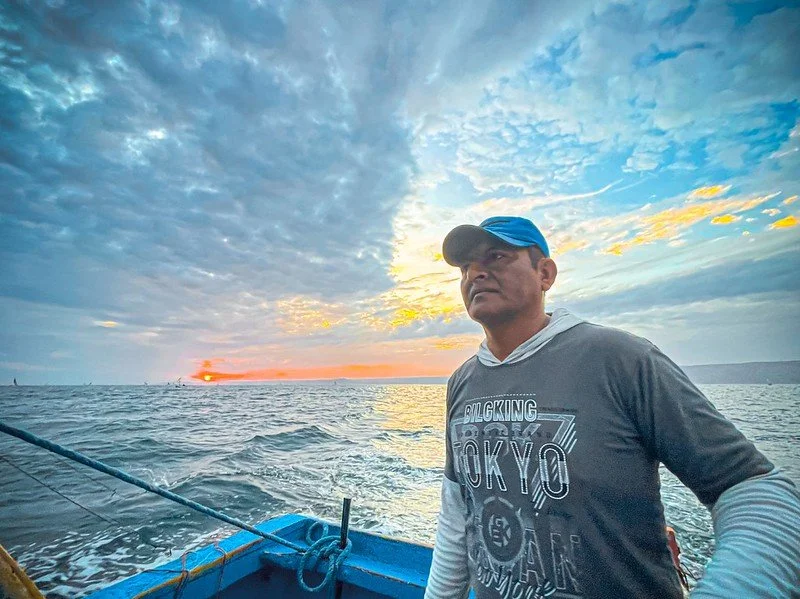
Social enterprise PesCo joined the NESsT South America Accelerator Program in 2021 to strengthen its support to artisanal fishers on the Peruvian coast.
Meet the Portfolio
ASSOAB has been supporting small Brazil nut collectors in Beruri, Amazonas since 1970, generating stable income for the isolated communities while respecting their traditional livelihoods and the environment.
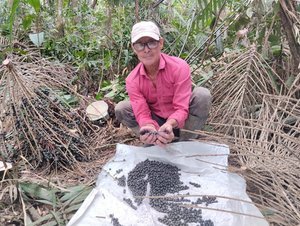
Based in Maués, Amazonas, ASCAMPA is a community association that aims to improve the livelihoods of local smallholder farming families, many of whom are of indigenous ancestry. Its main product is the Guaraná seed, a native Amazonian superfood known for its energy-boosting benefits.
EcoCiclo was founded in 2019 by three Black women from northeastern Brazil who set out to tackle menstrual poverty through innovation, sustainability, and inclusion. The company developed Brazil’s first 100% biodegradable sanitary pad, made from bamboo and natural cellulose that fully decomposes within six months.
ManejeBem provides digital tools and technical assistance to rural farming families to enhance their agricultural processes and improve their incomes.
Plantus, founded in 2010, develops and manufactures natural and organic inputs for pharmaceutical, cosmetics, and food industries. Led by an all-women management team, the social enterprise is committed to creating income opportunities for local communities while safeguarding the planet.
Ágil is a tech enterprise that brings affordable e-commerce solutions to small, micro, and family-run enterprises in the HoReCa (Hospitality, Restaurants, and Catering) industry in Chile and supports food delivery drivers to earn a sustainable income.
Building upon three generations of beekeeping tradition, Alma del Panal sources sustainable honey and bee products from small beekeepers in Chile, paying them fair prices while promoting and advancing their work.
Cooperativa Rewe is a Mapuche cooperative producing berries, and dedicated to supporting local Mapuche farmers – a group of Indigenous inhabitants native to south-central Chile and southwestern Argentina – and grew from five to 200 active members in 16 years, impacting more than 1,000 people in the community.
NG-Seeds produces, processes, and commercializes lupine and its byproducts, for both animal feed and human consumption.
Nowu Hogar is a socially driven furniture enterprise that produces handcrafted pieces using reclaimed wood from demolition sites. It focuses on connecting conscious consumers with skilled Chilean artisans, supporting local livelihoods.
Fundación Proyecto B is contributing to crime prevention and the workforce inclusion of young people who have been deprived of their liberty and are reintegrating into society in Chile.
Founded in 2007, Wen Kimey (formely known as “Meliñir”) is a Chilean social enterprise based in Lonquimay, Araucanía that produces and commercializes pine nut products – the enterprise consists of four Mapuche families and sources from over 100 collecting families from the Quinquén and Pantuco Pedregoso communities.
Bogotá-based social enterprise Amazóniko operates a collaborative recycling platform that provides everyone involved in the recycling process with knowledge, tools, and incentives to prevent waste from ending up in landfills.
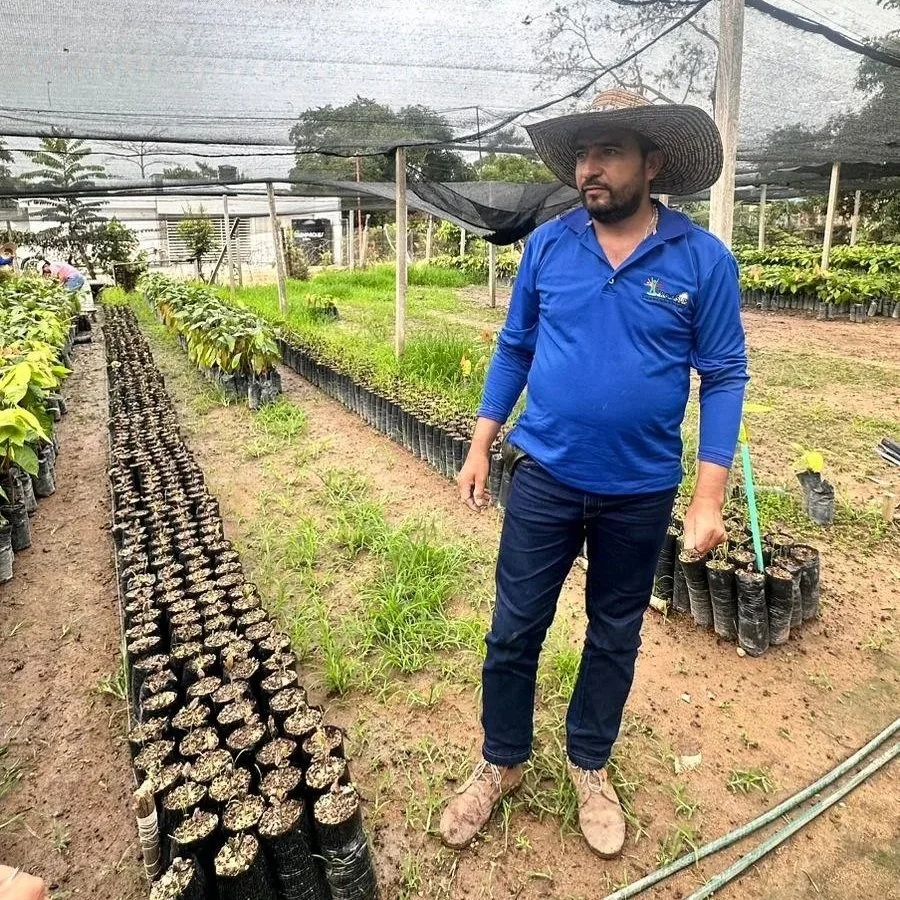
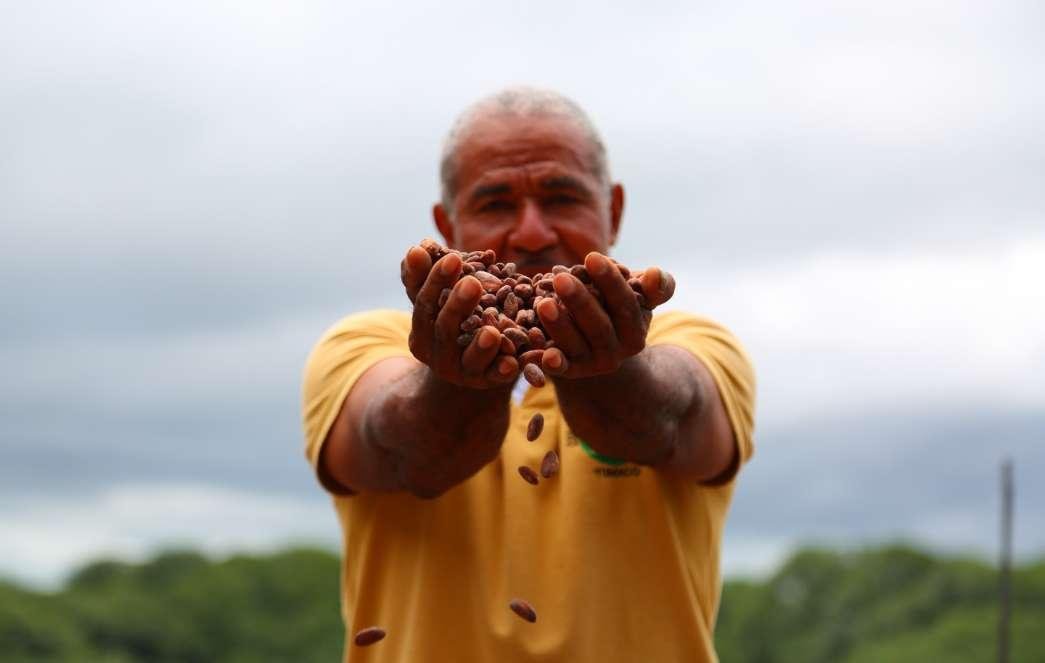
Aprocasur works with local families in the Serranía de San Lucas – a remote region of northern Colombia long affected by conflict, illegal mining, and coca cultivation – to grow stable, safer crops such as cacao. Since its founding in 2004, it has worked with over 500 families, strengthening livelihoods and building a resilient local economy where economic opportunities are limited.
Asoprocegua builds thriving, sustainable livelihoods for farming communities in Guaviare, Colombia. It supports small farmers to cultivate Amazon fruits such as açaí that are naturally produced in forests and can be sourced without cutting down a single tree.
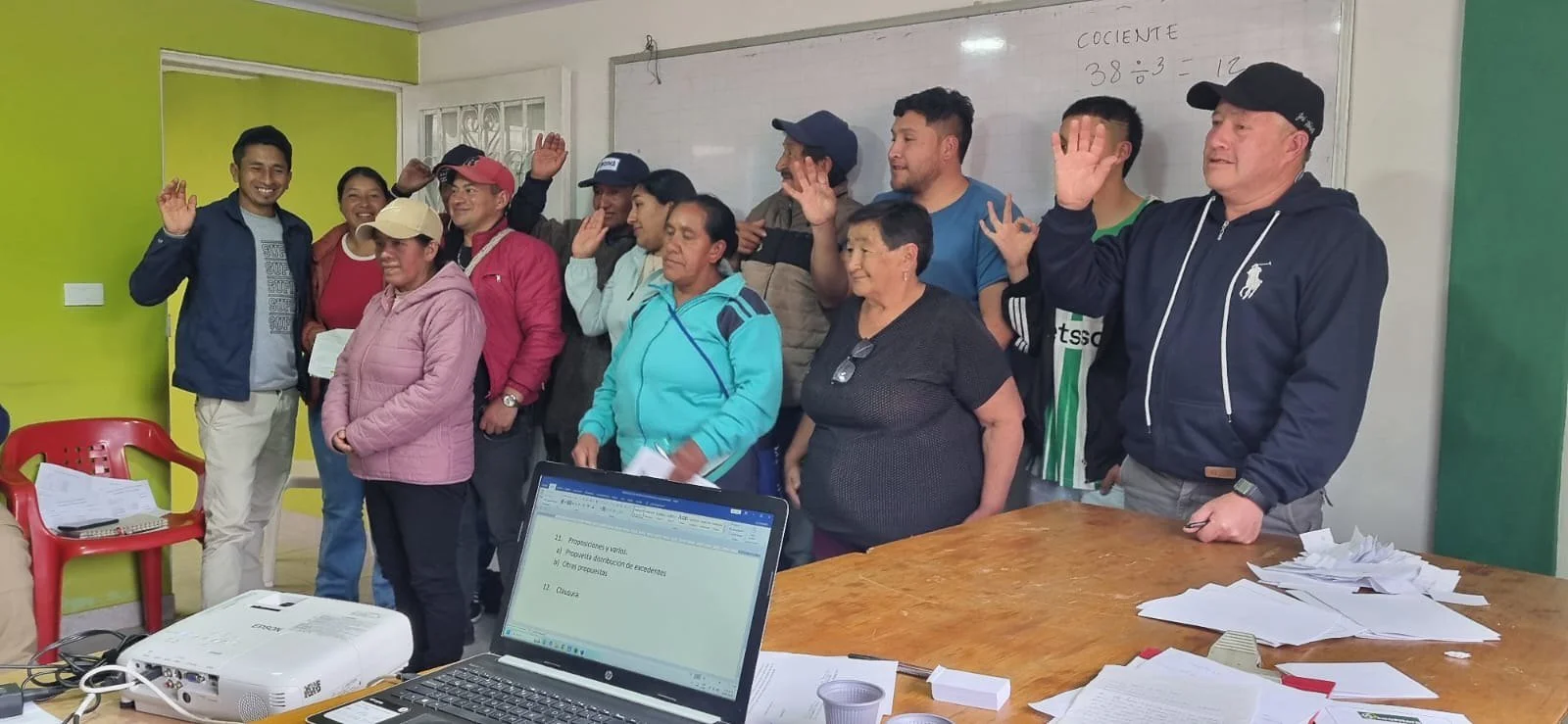
Coopitayó was founded in 1984 in the Indigenous Resguardo de Pitayó, Silvia to strengthen livelihoods through artisanal and sustainable dairy products. Rooted in Indigenous governance and cultural values, today, Coopitayó brings together 65 Indigenous smallholder families who supply raw milk and participate in the cooperative’s social, environmental, and economic programs.
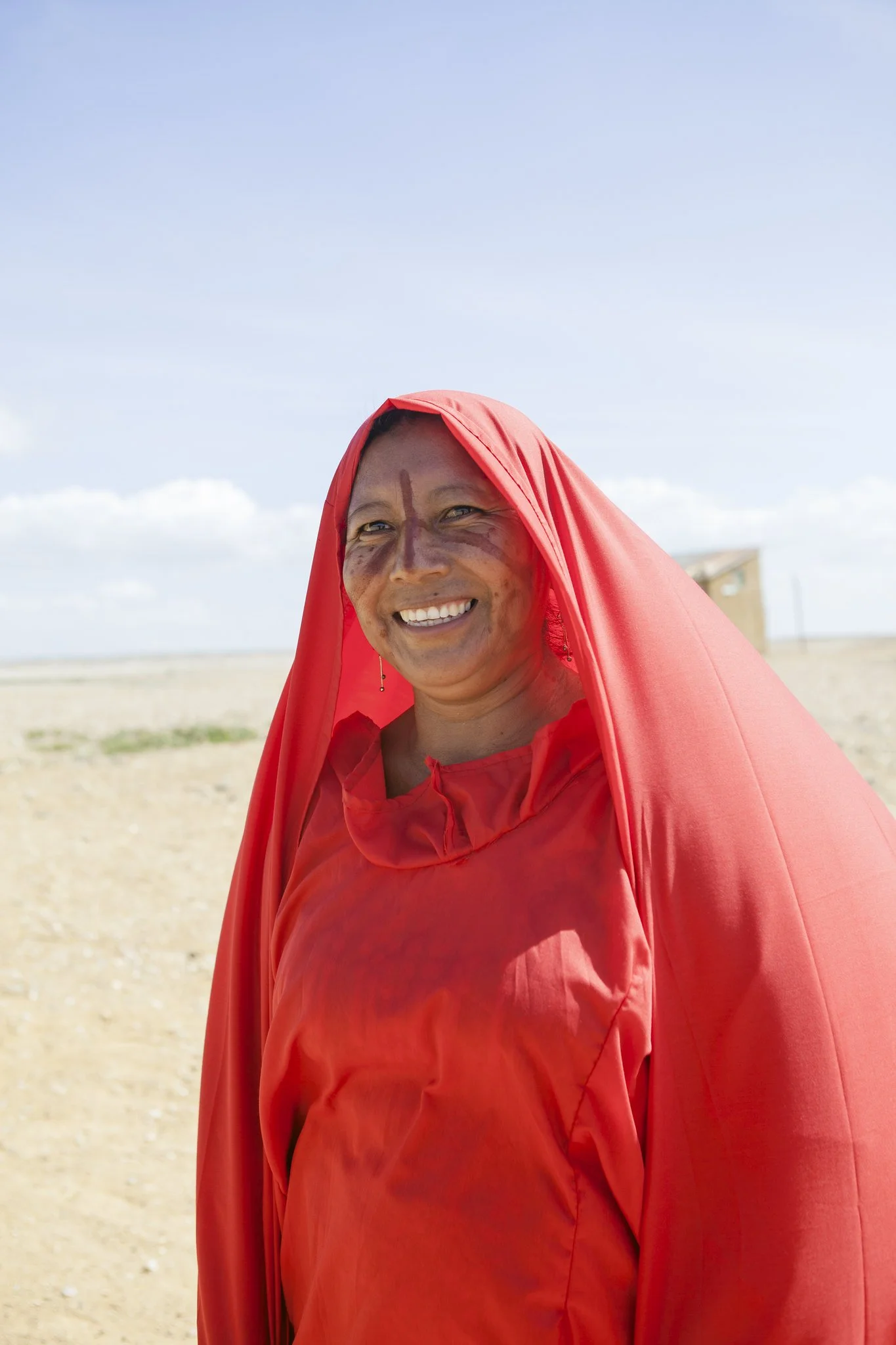
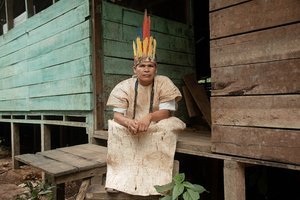
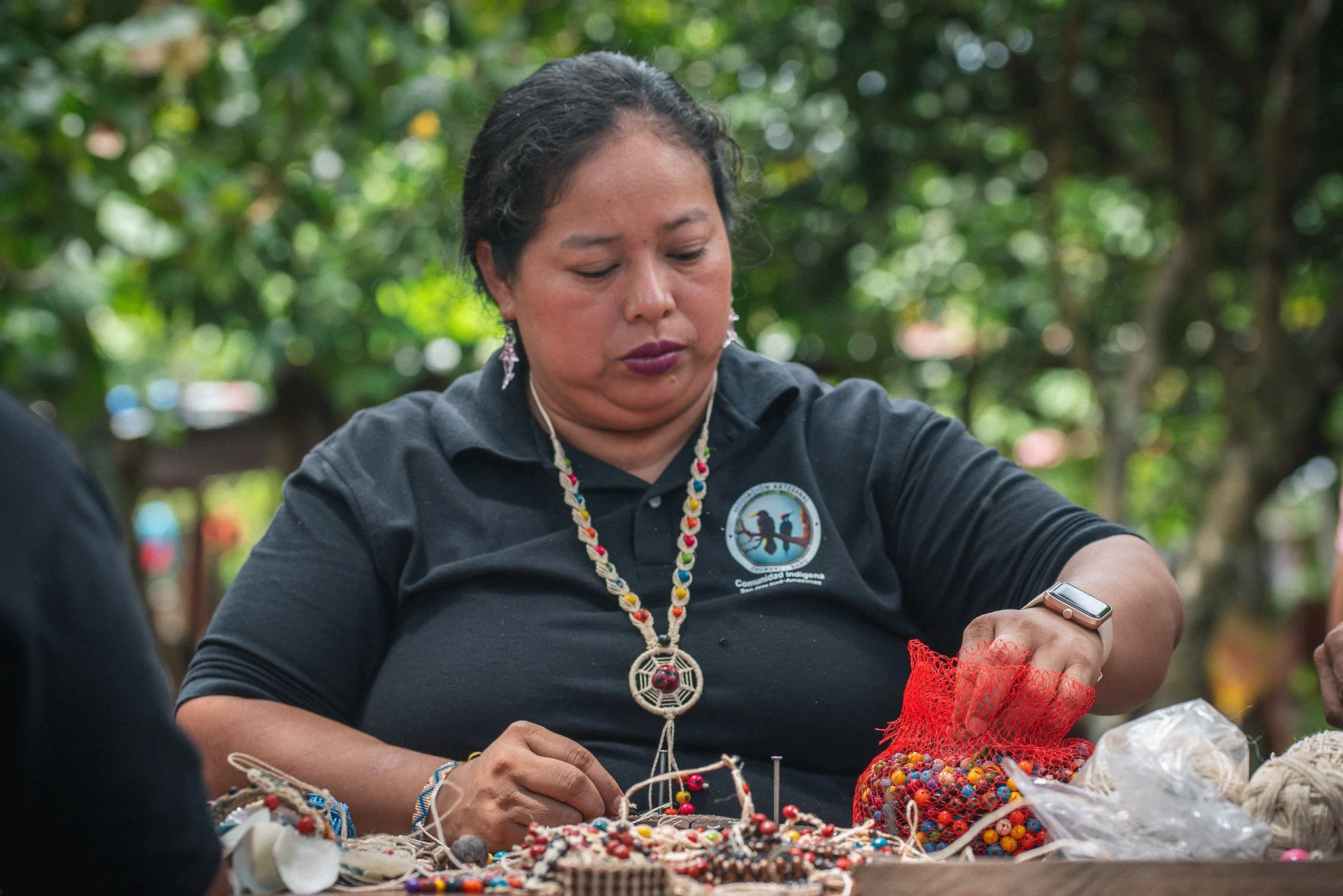
International fashion brand Delzur promotes and exports conscious Indigenous art produced by more than 250 Indigenous artisans, over 90% of whom are women, working to highlight the invaluable contribution of Indigenous communities to protecting the planet.
Colombian enterprise Disruptia uses AI-driven technology to bridge the skills gap in Latin America. Its accessible training services support youth, women, ethnic minorities, migrants, and people over the age of 50 to find dignified work.
Founded in 2021 by 33 campesino families, Ecoserranía is a nonprofit association building a legal, community-managed forestry model that prioritizes conservation, traceability, and income generation. The association has obtained legal forestry permits covering 1,174 hectares of protected forest, where members apply sustainable harvesting and monitoring practices.
Federación Campesina del Cauca (FCC) sources organic, Fair Trade coffee from close to 500 smallholder farmers operating in Cauca, Colombia, over 30% of whom are women. FCC ensures its members earn a living income and supports them to become more climate resilient by diversifying their income streams.
Mueblea is a family-owned, women-led sustainable furniture company with the mission to tackle the problem of furniture waste and reduce the environmental footprint of the furniture industry.
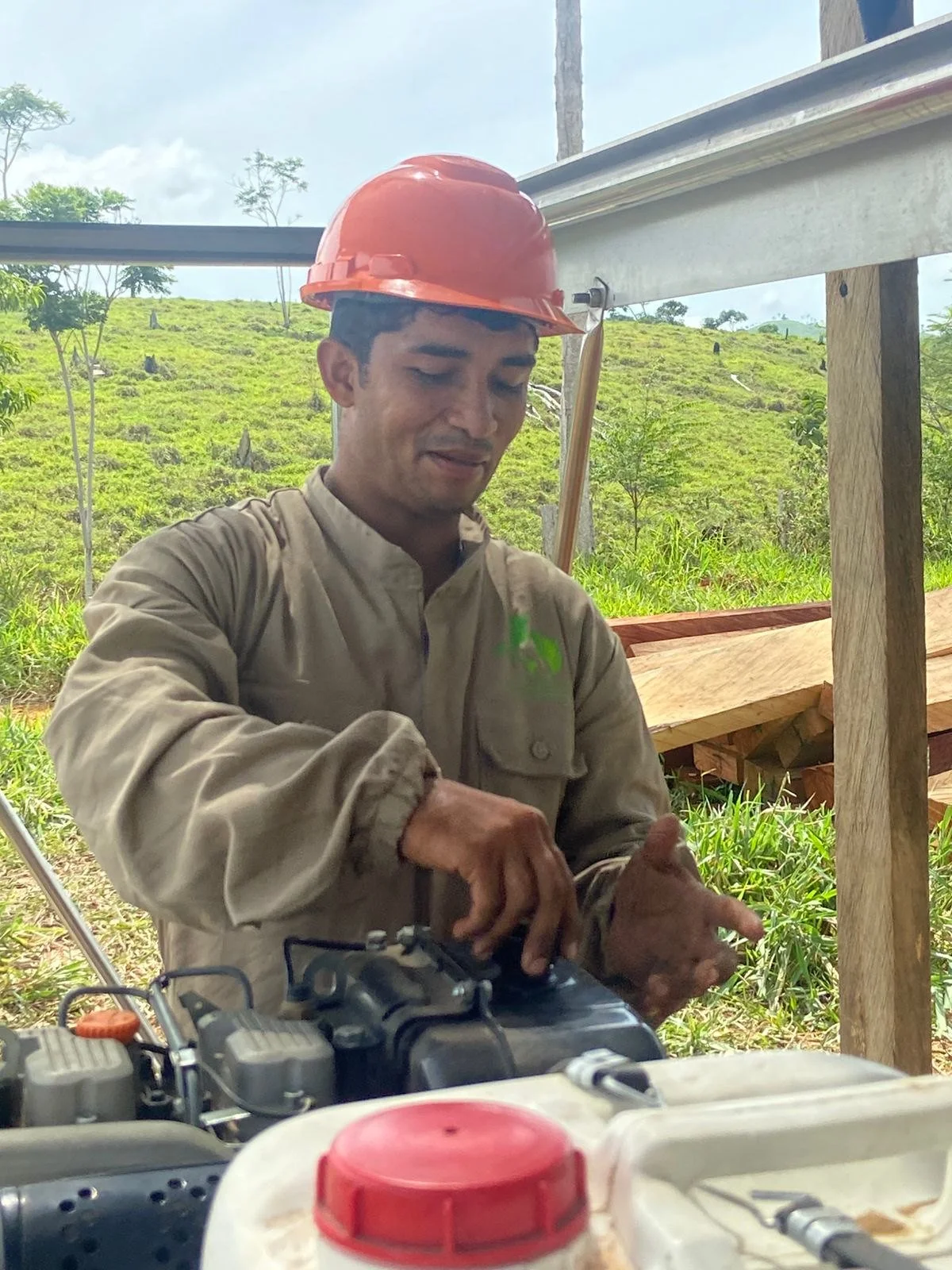
Novatio brings clean energy solutions to remote farming communities in Colombia. Rural families receive hands-on support to use sustainable fuel for cooking and domestic tasks to reduce household pollution and protect their health.
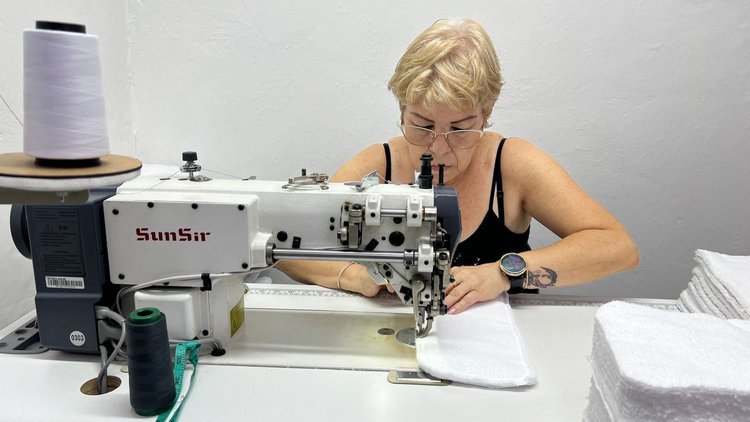
Colombia-based enterprise Okolo produces eco-friendly reusable diapers and promotes their environmental and health benefits. It also runs a Brand Ambassador program that provides flexible income opportunities to mothers.
SiembraCo was founded in 2020 to strengthen local agriculture in Colombia. Facing fragile food systems and food shortages, the founders launched an online platform to connect rural farmers directly with urban customers, creating a more stable, transparent, and sustainable food value chain.
AFIMAD (The Indigenous Forestry Association of Madre de Dios) is an association formed by Amazon nut collectors as an alternative solution to the unsustainable
Café Origenes' mission is to sell traceable, ethically-sourced specialty coffee and ensure fair pay for producers who are often excluded from the traditional coffee value chain. Today it supports 64 coffee growers and their families.
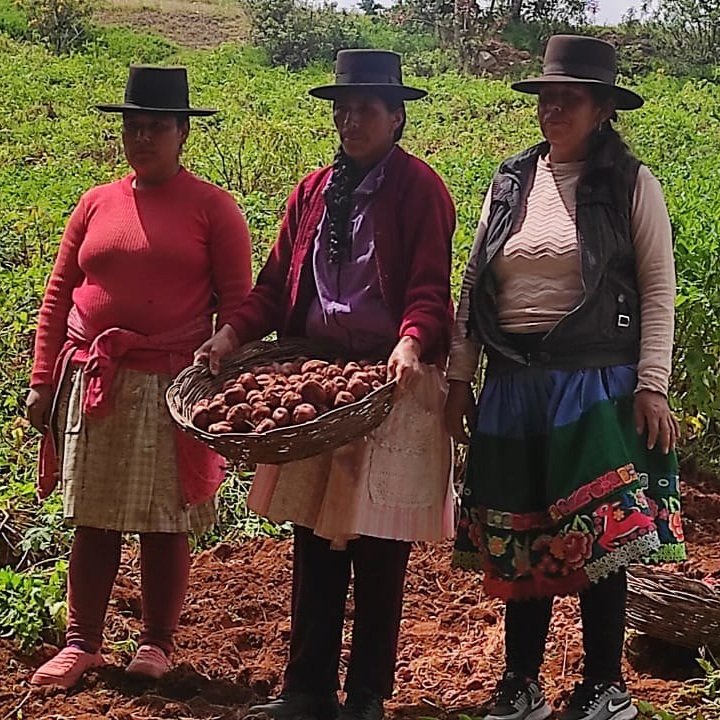
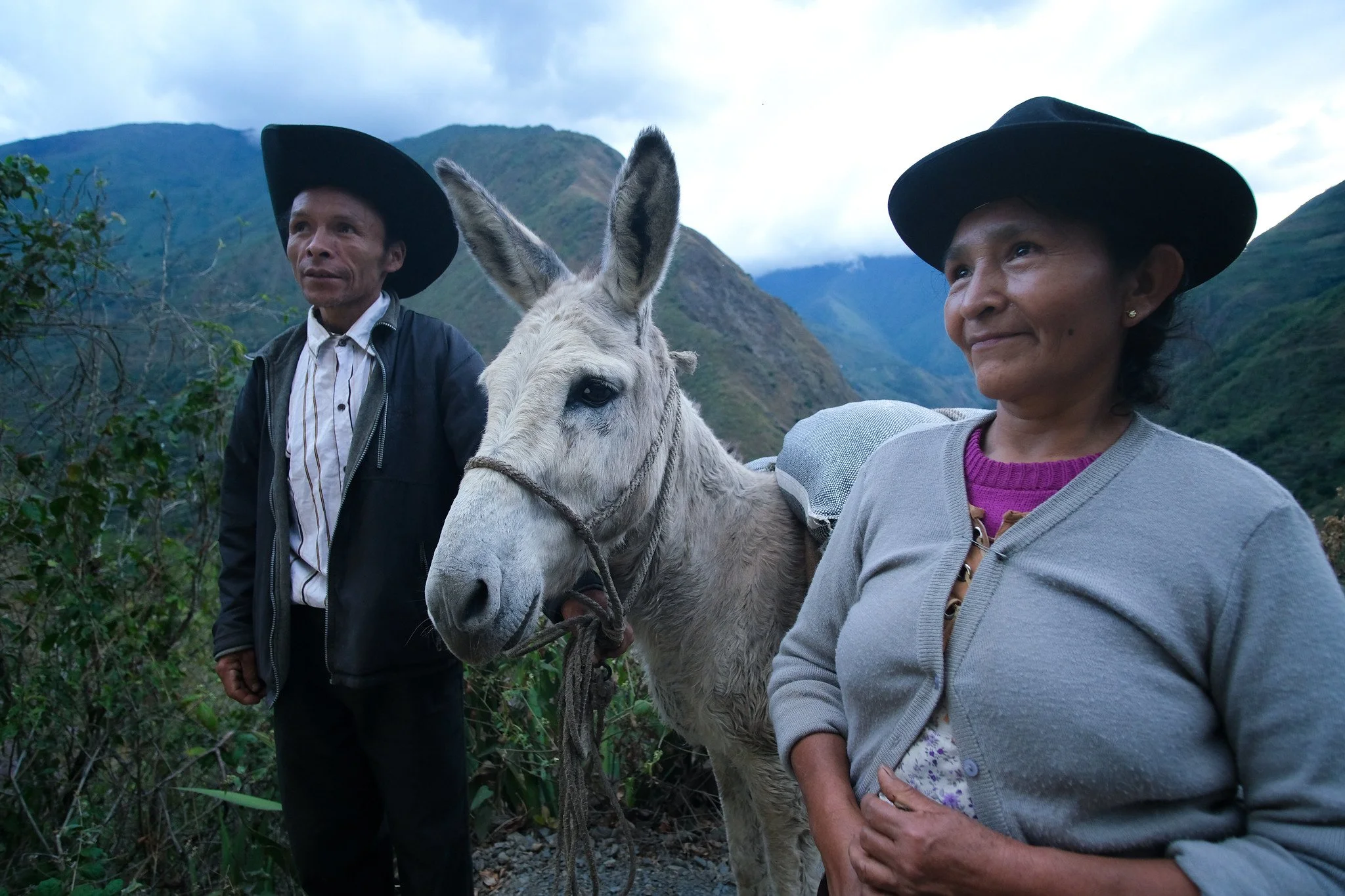
Coordinadora Rural de la Papa del Perú (CORPAPA) was founded to support the livelihoods of traditional potato farmers in Ayacucho.
Kanuja was established to eliminate intermediary exploitation and ensure fair prices for coffee and cacao growers. Representing 57 communities, Kanuja plays a vital role in the region’s economic development through sustainable agriculture and community-based business.
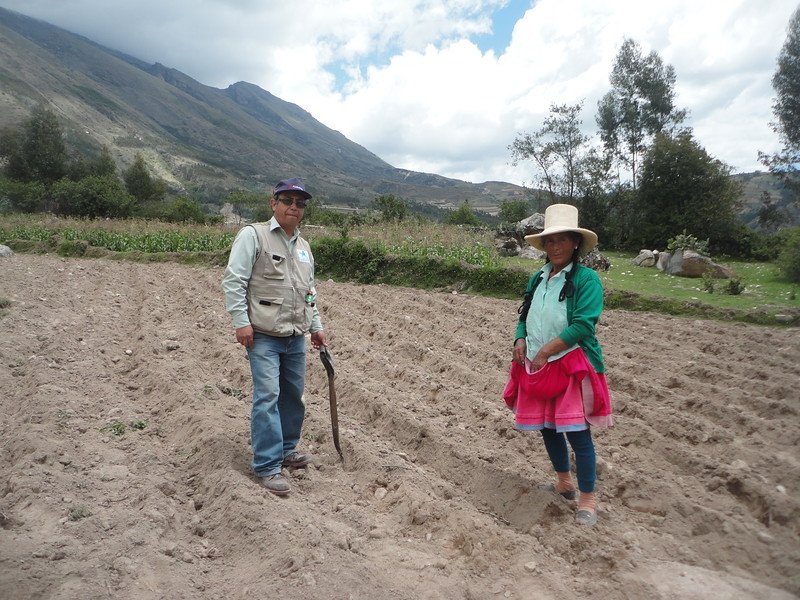
Cooperativa La Perla de los Andes is an agricultural cooperative made up of 90 smallholder farmers in Ancash, Peru that supports local farmers in the Huaylas province to grow the ancient Andean legume tarwi.
Plastic Corporation uses single-use plastic waste and reclaimed plant fibers as an alternative to lumber to make products such as furniture, playground equipment, and construction materials, contributing to a robust local circular economy.
“What I most value about NESsT's partnership with Sweden is that we can work together to reach people making real changes in their communities and protecting the environment [...]”
Nataly Bernal, Program Officer for Regional Cooperation in Latin America and the Caribbean, Sida
Interested in joining us?
We’re always interested in hearing from enterprises creating dignified jobs across South America.
Tell us about your social enterprise below.

Meet the NESsT Acceleration Team
MANAGEMENT
BRAZIL

CHILE

COLOMBIA

PERU