
At a Glance
Location: Tumaco, Nariño, Colombia
Impact Areas: Sustainable Income, Economic Empowerment, Agriculture
People Supported:
Smallholder farmers and producers, Afro-Colombian communities, Riverine communities, Victims of armed conflict
NESsT Program: South America Accelerator
Joined NESsT Portfolio:
2026
Overview
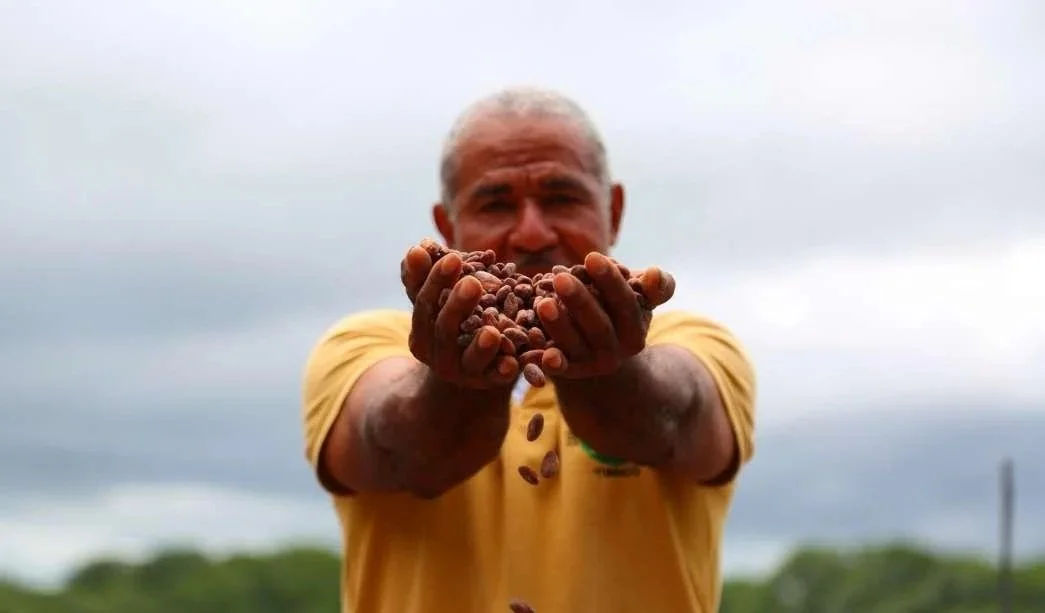
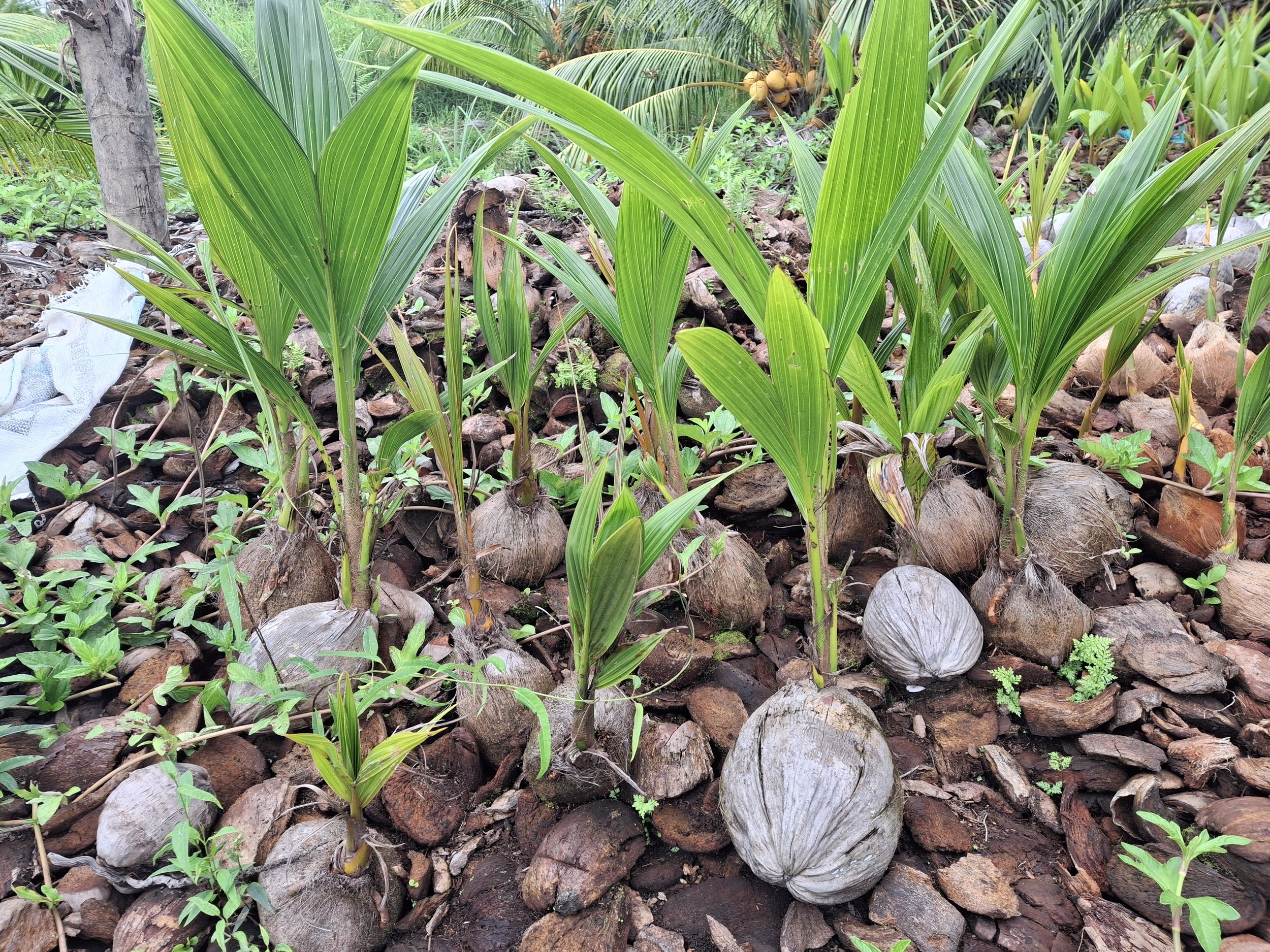
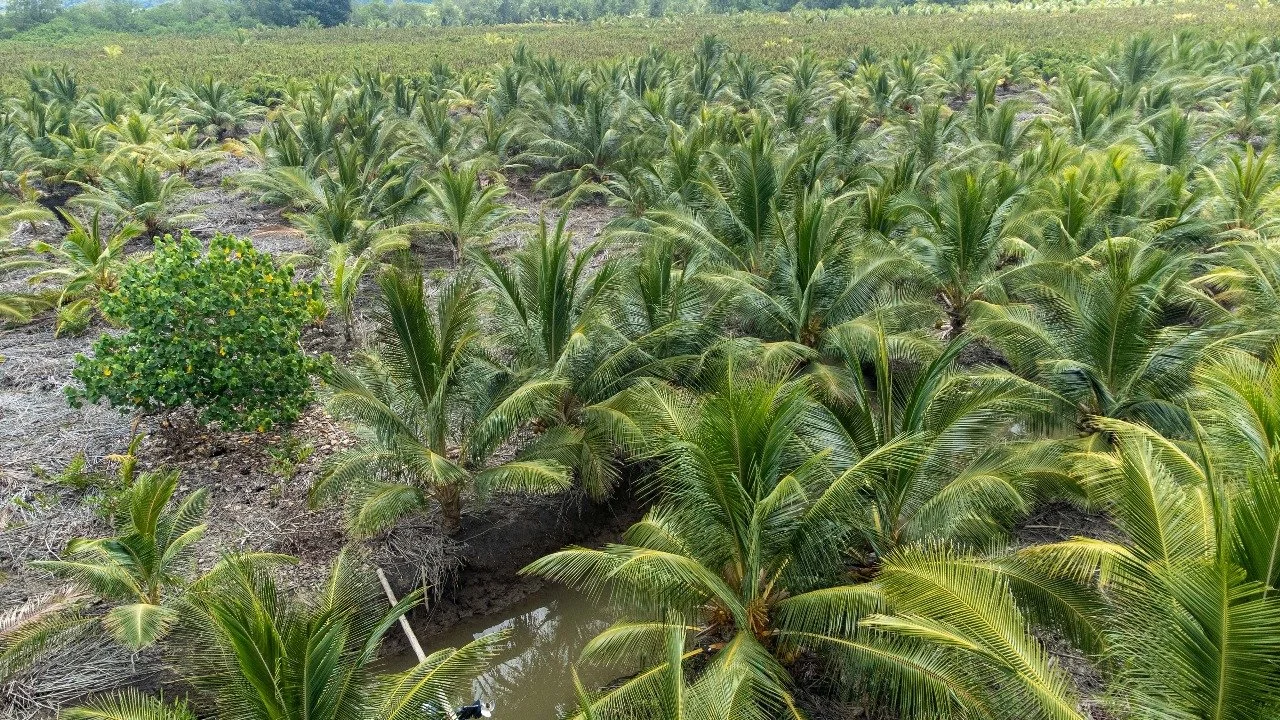
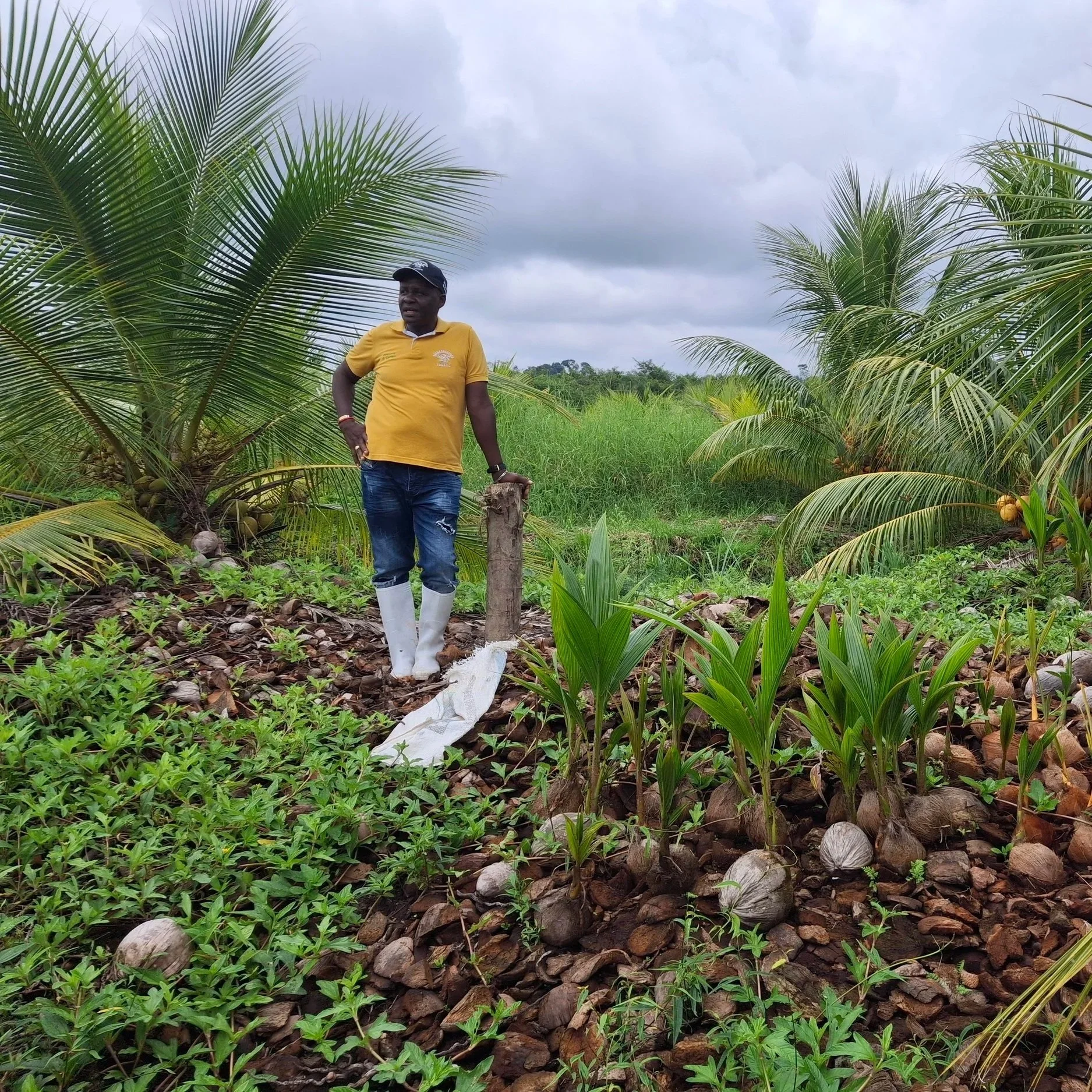
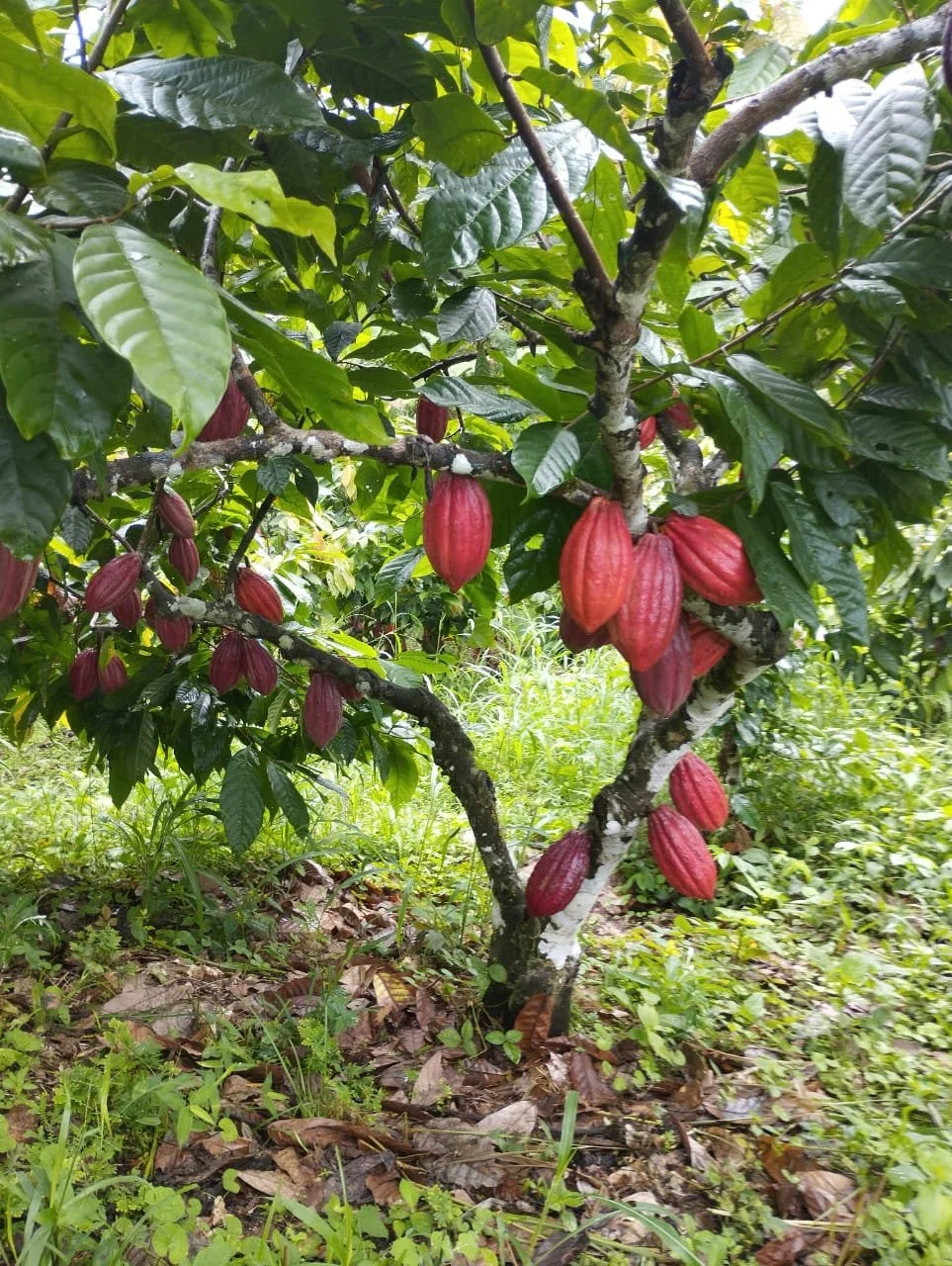
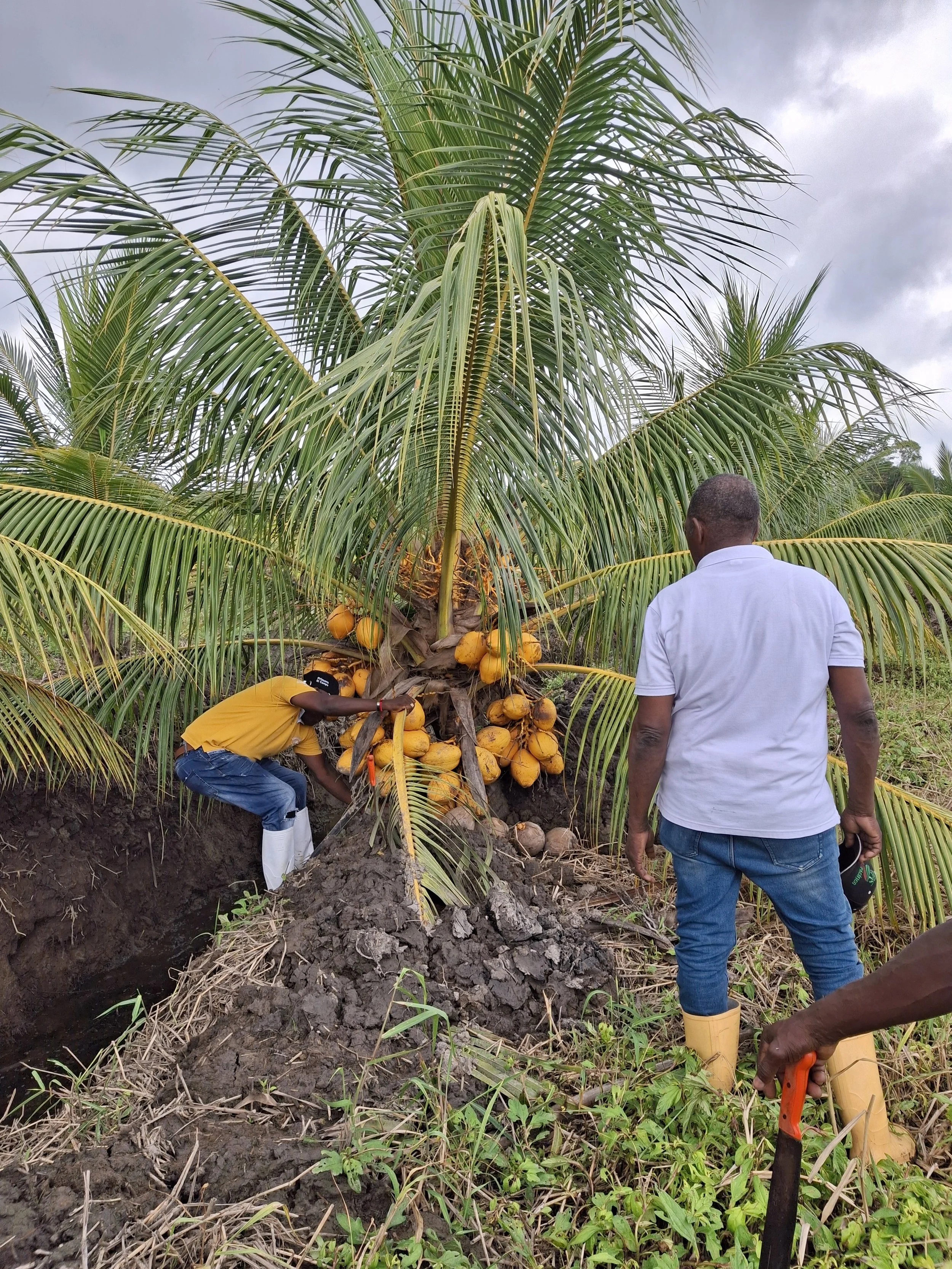
Cooperativa Multiactiva Agropecuaria del Pacifico “Coagropacifico” is a producer-owned cooperative operating in Tumaco, Nariño, in southwestern Colombia, a historically underserved region shaped by armed conflict, rural isolation, illicit economies, and limited access to infrastructure and formal markets. Founded in 1989, the cooperative connects smallholder cacao and coconut farmers to stable buyers, supporting them to earn reliable incomes from their farms.
Most of the cooperative’s members are Afro-Colombian producers living in riverine communities, where selling agricultural products has traditionally depended on informal intermediaries. In many cases, these intermediaries pay below-market prices and payments are often delayed, leaving families with limited bargaining power and unstable incomes.
By aggregating, classifying, and selling its members’ products, Coagropacífico can guarantee access to formal markets with more predictable, transparent buying conditions. Producers receive purchasing agreements and faster, more consistent payments that allow them to plan ahead and support the livelihoods of their families.
While Coagropacífico has historically focused on coconut commercialization, in recent years it has expanded into cacao, supporting its members to diversify their income sources, while strengthening the cooperative’s long-term sustainability. This is particularly important in rural territories that are more susceptible to market fluctuations and the effects of climate change on their crops.
Today, around 90% of Coagropacífico’s suppliers are Afro-Colombian producers living in conflict-affected areas with a very high presence of coca crops and trafficking. Beyond market access, the cooperative provides more stable economic alternatives for families who have long operated on income levels below the minimum wage and have been deeply affected by illicit economies. Through technical support to improve the quality of the crops they grow, Coagropacífico is supporting them to improve their livelihoods.
The cooperative has a long institutional history, a strong formal governance structure, and a well-known reputation closely tied to the region. One notable aspect is its intergenerational link, given that there are now many second-generation active members. Through its work, Coagropacífico creates conditions and incentives that encourage vulnerable young people to establish livelihoods in the legal economy, thereby supporting peacebuilding and long-term regional development.




Results & Impact
+300
smallholder producers engaged annually
90%
of producers supported identify as Afro-Colombian
100%
employees and suppliers have formalized contracts
“We’re very grateful to the NESsT team for supporting us in strengthening our operations and for helping us find ways to connect with other institutions that can support our cooperative. We hope NESsT can continue supporting its community of enterprises and other organizations like Coagropacífico.”
NESsT Investment
Despite operating in a highly competitive and volatile sector, Coagropacífico has demonstrated resilience and operational recovery, reaching break-even after a period of financial instability and continuing to improve its commercial and financial management.
NESsT’s investment will support Coagropacífico to strengthen its day-to-day operations and improve how it processes and sells coconut and cacao products. Financing will primarily be used to ensure the cooperative has sufficient working capital to purchase crops from producers on time. Additionally, the Coagropacífico team will work closely with NESsT portfolio managers to improve its environmental and product quality practices and upgrade equipment and safety conditions at its processing plant.