At a Glance
Location: São Paulo and Macapá, Amapá, Brazil
Impact Areas: Sustainable Income, Bioeconomy, Employment Generation
People Supported:
Indigenous Peoples and Local Communities, Smallholder Farmers
NESsT Program: Lirio Fund
Joined NESsT Portfolio:
2026

Overview
Founded in 2020, Ages Bioactive Compounds (“Ages”) is a Brazilian health and biotechnology company that develops science-based wellness products designed to support areas such as women’s hormonal health, chronic pain, metabolic health, and healthy aging.
These products, developed from natural ingredients, are sourced from Brazilian biomes like the Amazon, which are home to plants and fruits such as açaí, camu-camu, tucumã, copaiba, and andiroba, known for their rich concentration of nutrients and bioactive compounds. Research points to their high levels of phytochemicals, vitamins, minerals, and antioxidant and anti-inflammatory properties making these ingredients increasingly relevant to the health and wellness sector.
Ages was created around a simple but powerful idea: Brazil’s biodiversity can be the basis for high-value health products when it is combined with rigorous research, responsible sourcing, and strong commercial partnerships. Instead of importing active ingredients, as many companies in the sector do, Ages develops its own products from these natural ingredients while working with pharmacies and healthcare professionals to bring them to health-aware consumers.
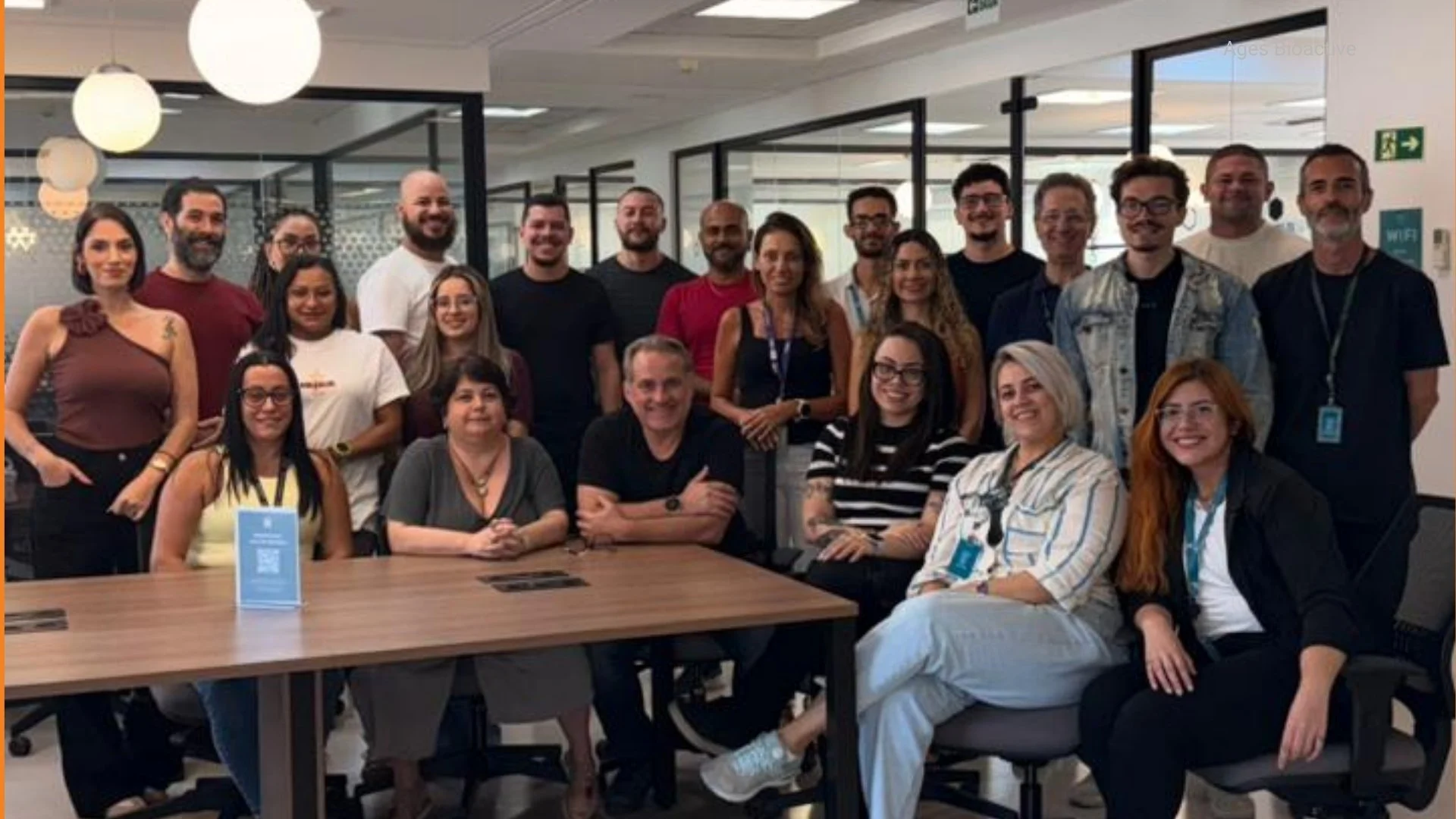
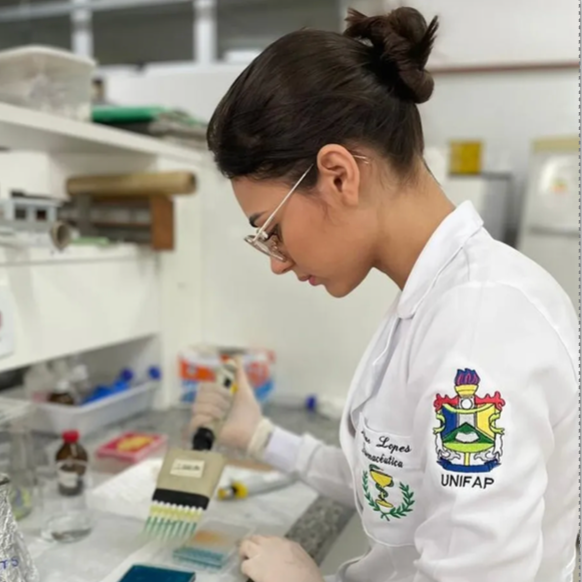
Ages conducts research in Macapá, Amapá, and has created close to 50 skilled jobs for local researchers in a region where scientific career paths are limited. Many of the researchers it works with come from local communities and are the first in their families to pursue university or postgraduate education. Through Ages, they are able to build careers in science while contributing to products that are developed from Amazonian ingredients.
Through its supply chains, Ages also creates income opportunities for smallholder farmers and local suppliers, providing a stable livelihood alternative to deforestation-related activities. In 2025, the company supported a network of around 200 smallholder farmers including traditional communities, cooperatives, Indigenous communities, Quilombola communities, and local producers who protect close to 30,000 hectares of standing forest.







Results & Impact
48
dignified jobs created for researchers
50%
of Ages workforce expected to be women by 2027
30,000
hectares of forest protected
“NESsT’s financing strengthens Ages®’ operational foundation at a defining moment for the company. This capital enables us to reinforce our working capital and significantly reduce our financing costs, giving us stronger conditions to pursue growth. More than capital, NESsT represents a partnership that amplifies our impact as a Brazilian company that researches, develops and brings novel bioactive compounds from our own biodiversity to market, adding value to the bioeconomy and driven by the conviction that healthy longevity should be accessible to more people.”
NESsT Investment
Ages is in a strong position to scale a model that connects research-backed innovation, Amazonian biodiversity, and local economic opportunity. A term loan from the NESsT Lirio Fund will support the company as it purchases ingredients, manages inventory, and responds to growing demand from pharmacies and healthcare professionals, while reducing its dependence on short-term financing. This will help Ages continue building demand for Amazonian plant-based ingredients while maintaining stronger relationships with the suppliers and communities connected to its supply chains.
NESsT will also support Ages in strengthening how it tracks its social and environmental impact. This is especially important as the company expands its use of Amazonian plant extracts and reaches new communities that work with renewable, non-timber forest materials. With better impact measurement, Ages will be able to more clearly show how its growth supports local income, responsible sourcing, and forest-based value chains.