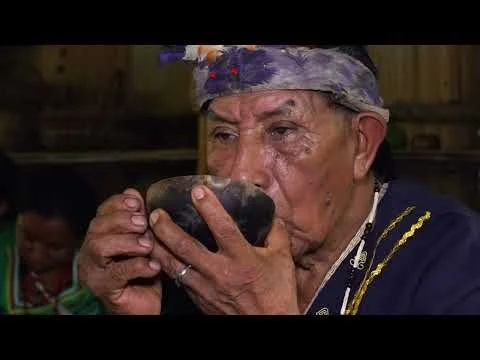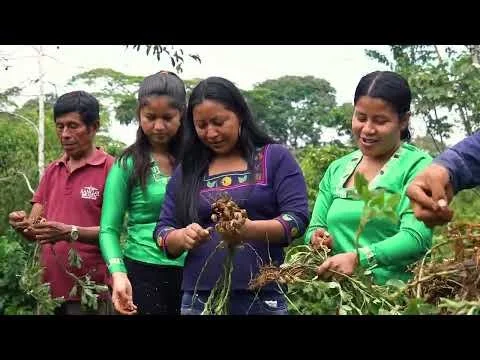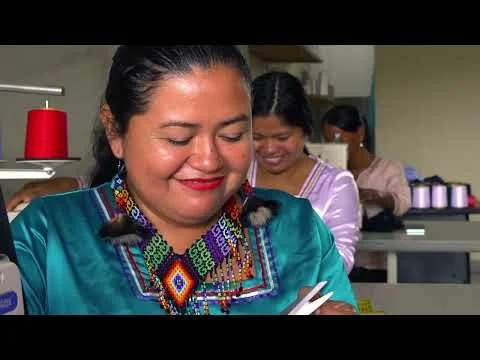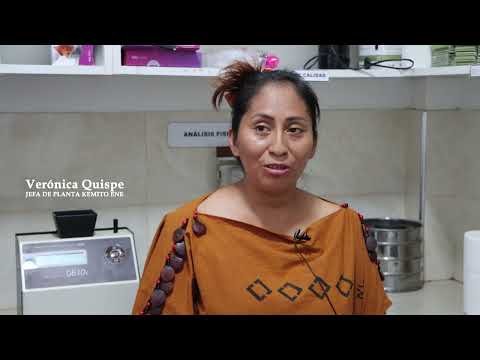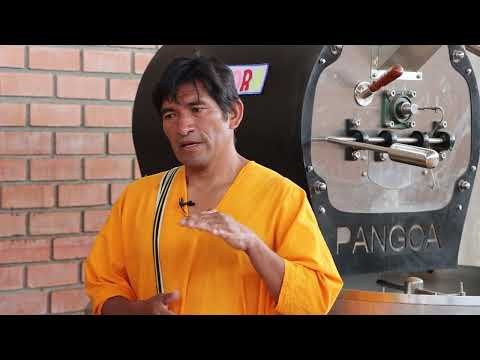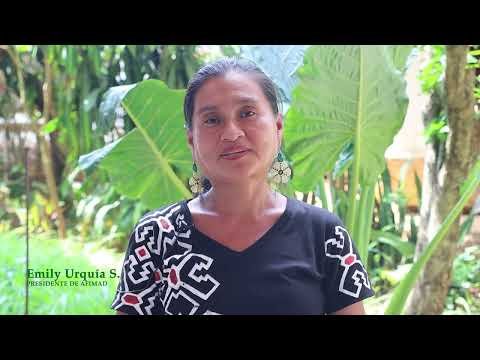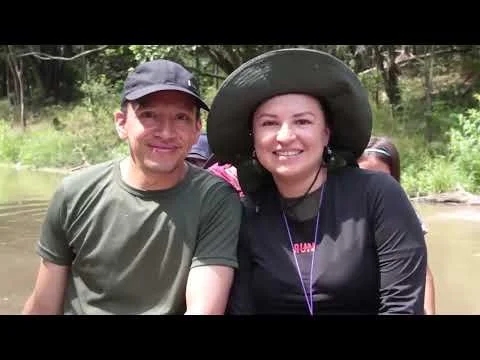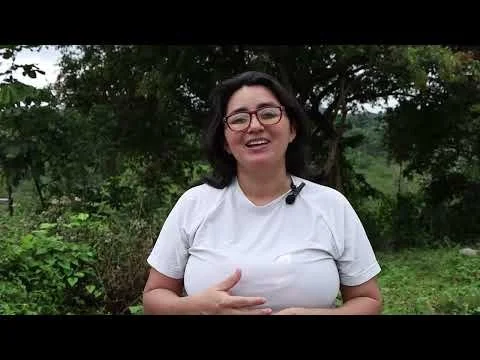
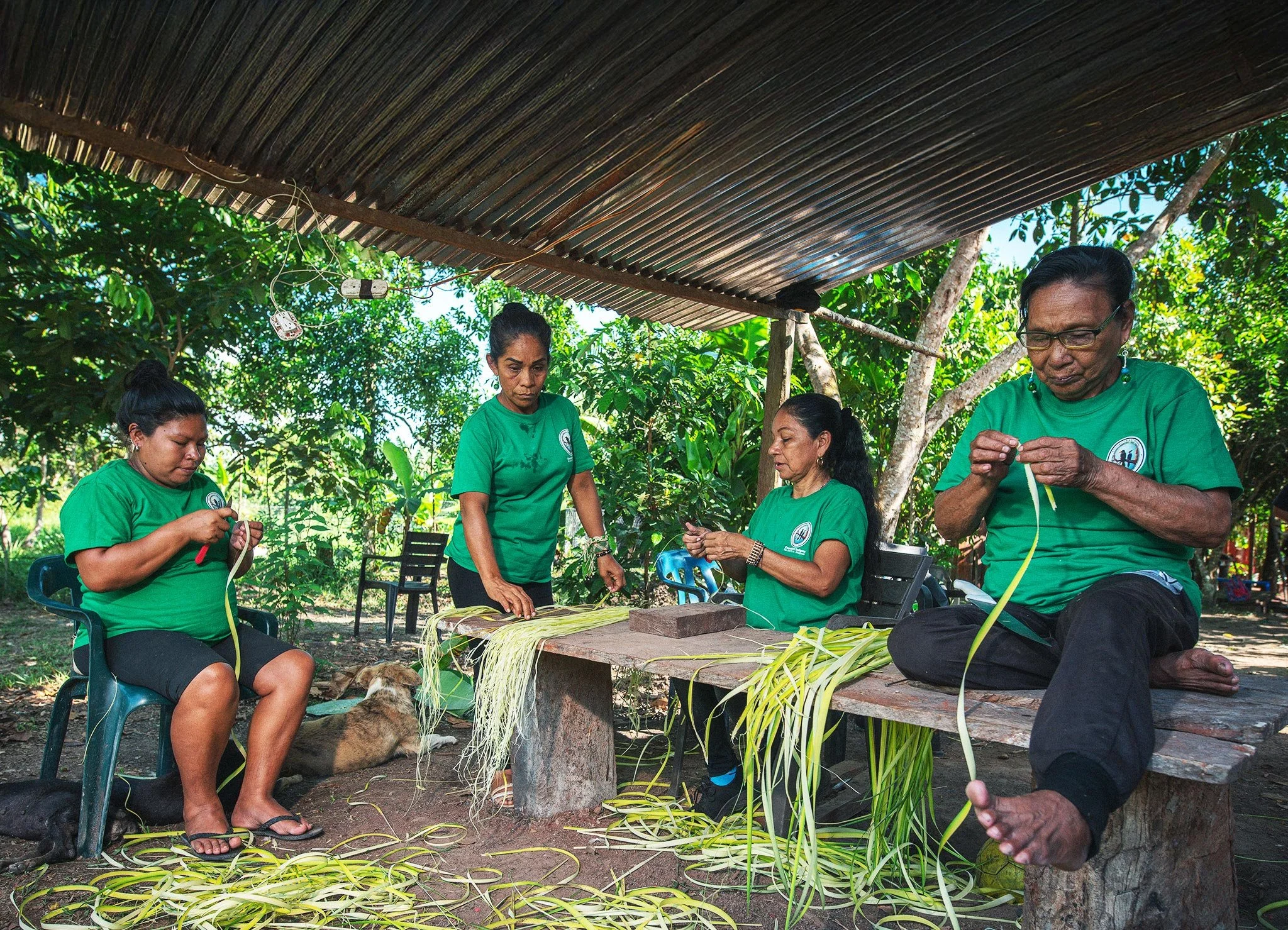
“My dream is that one day we can say: the Amazon bioeconomy really is viable and people can make a living from it, and that we never have to say the forest is gone.”
Yuli Rodríguez (Co-founder, BioIncos)
A two-year pilot program co-designed with Indigenous Peoples of the Amazon Basin to strengthen a network of 13 enterprises across Colombia, Ecuador, and Peru while advancing an Indigenous-led economy.
Purpose
To position Amazonian Indigenous Peoples and their enterprises, reinforcing incubation processes and channelling flexible financial resources aligned with the realities of their territories.
Vision
An Amazon where Indigenous Peoples lead support and development services for enterprises that conserve forests, protect biodiversity, strengthen traditional knowledge, preserve cultural identity, and contribute to resilient local economies.
“Our communities are not the same as before. Homes have improved, family incomes have grown, and people now they have opportunities to buy things they need and give their children a better education.”
Martín Huaypuna (Co-founder, AFIMAD)
-
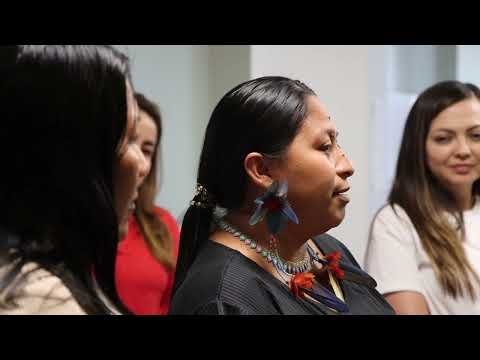
One of the foundations of this pilot project was designing the incubator in close collaboration with Indigenous organizations, led by OPIAC (Colombia), CONFENIAE (Ecuador), and AIDESEP (Peru). Through this participatory governance model, each national organization determined how enterprises are selected, made investment decisions, and provided technical support for entrepreneurs. In this way, each national incubator reflects local priorities, knowledge, and governance practices.
-
The incubators guided Indigenous leaders from the initial selection process through investment and tailored business support, using tools such as investment committees with local, diverse representation, investment plans, and impact monitoring support.
In this way, each enterprise’s economic, social, and environmental potential was assessed, and financing and technical assistance tailored to their specific needs.
-
The project is a multi-level alliance that combines institutional support, specialized technical assistance, financing, and territorial backing from local and regional grassroots organizations.
NESsT: The organization driving and managing the project. It designed and implemented the Indigenous incubation model together with Indigenou Amazonian organizations, provided business support and organizational training, and channeled financing to 13 Indigenous-led enterprises.
COICA (Coordinator of Indigenous Organizations of the Amazon Basin): Promoted the project from its initial phase and played a key role in its design and regional coordination. COICA served as the regional body for political governance, territorial coordination, and strategic advocacy for the model. It acts as the political-territorial guarantor of the project’s Amazonian Indigenous approach, ensuring coherence, legitimacy, and regional scalability.
National Indigenous organizations (OPIAC in Colombia, CONFENIAE in Ecuador, AIDESEP in Peru): Co-created the governance models and managed the national incubators.
IDB Lab (Inter-American Development Bank): Served as a key sponsor and the main funder of the program, accompanying the technical implementation of the regional pilot.
Gordon & Betty Moore Foundation: Provided additional funding to expand support for Indigenous enterprises, specifically regarding knowledge exchange and to position the initiative.
Meet the Indigenous-led Enterprises
ECUADOR


PERU


COLOMBIA
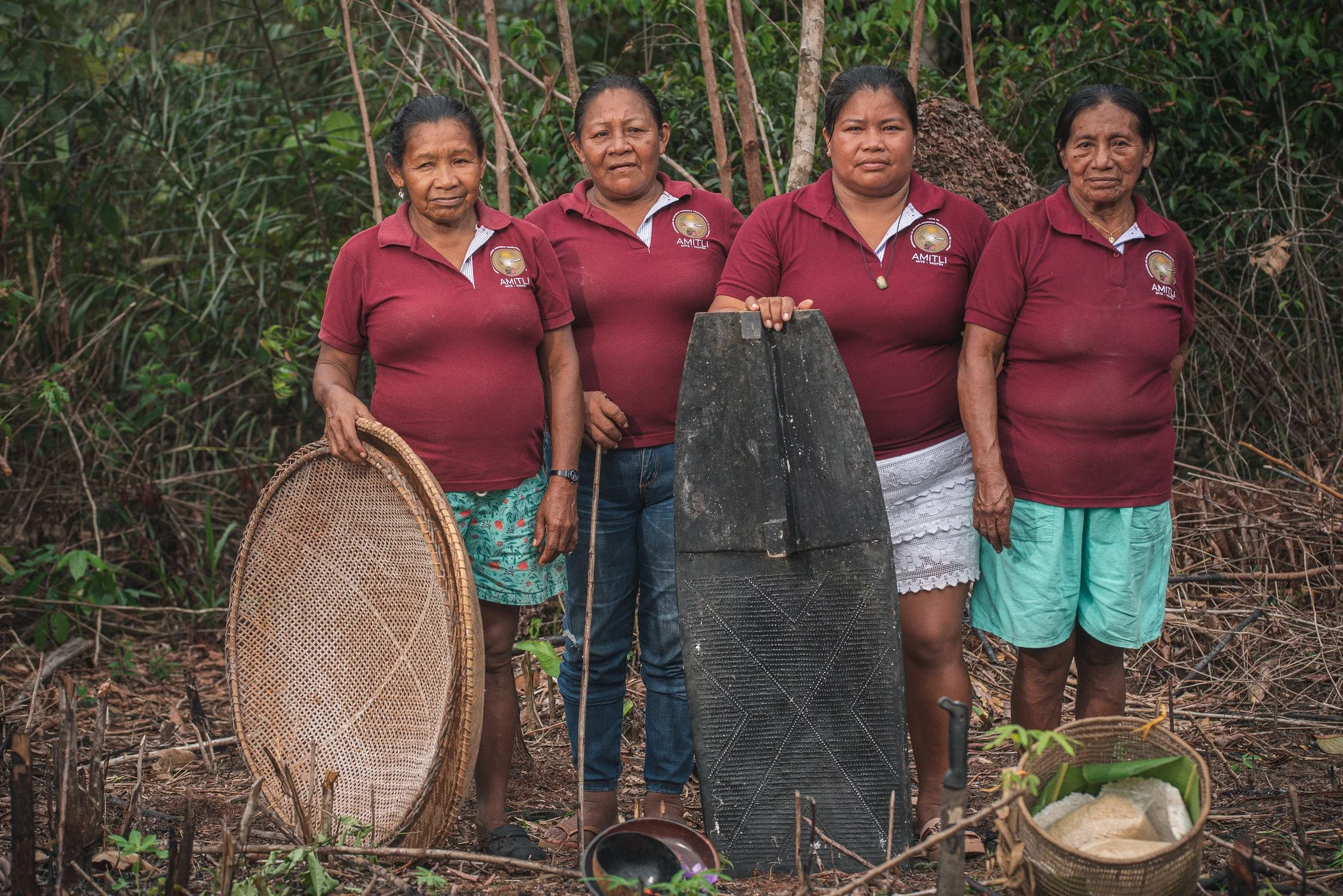
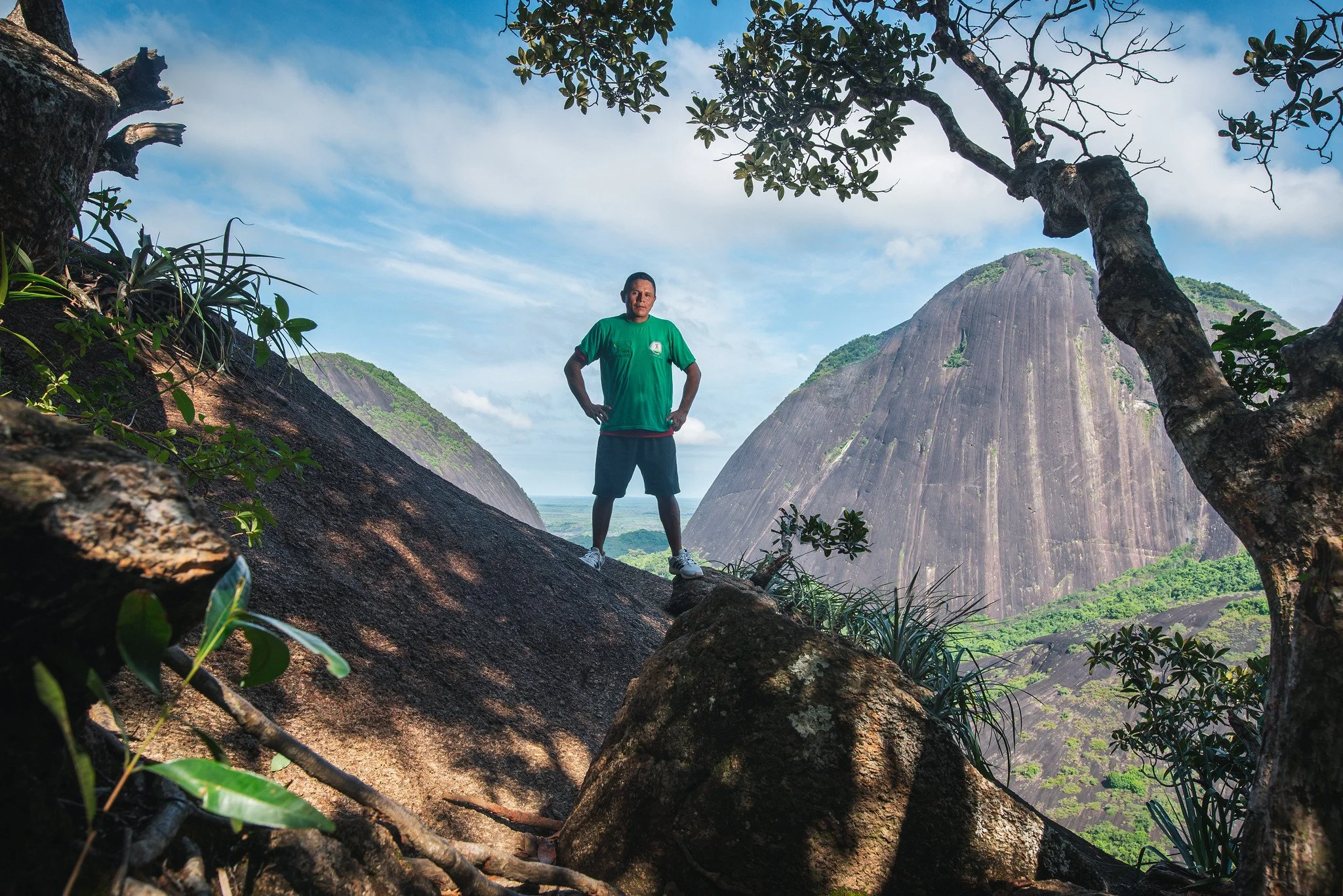
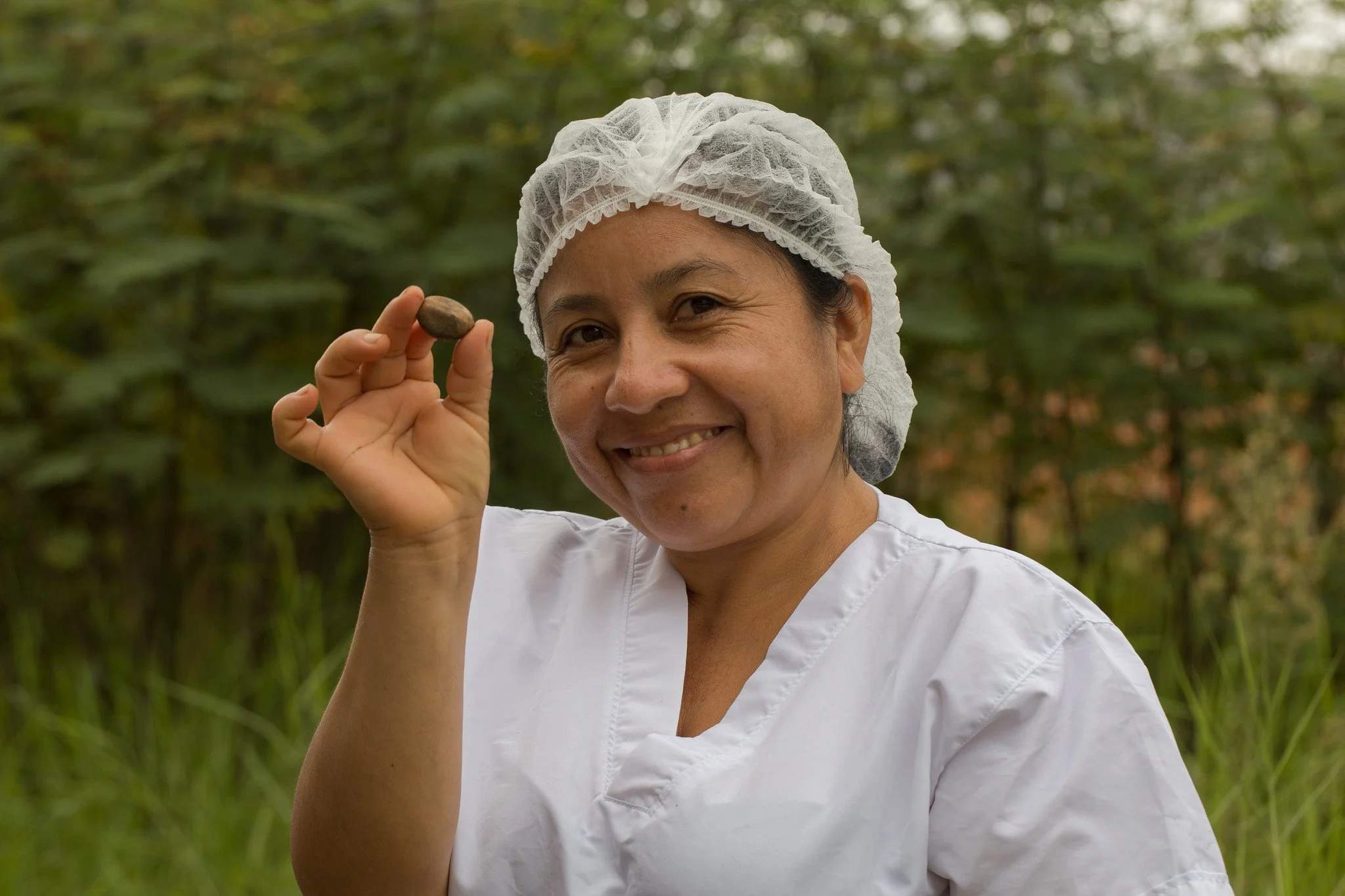
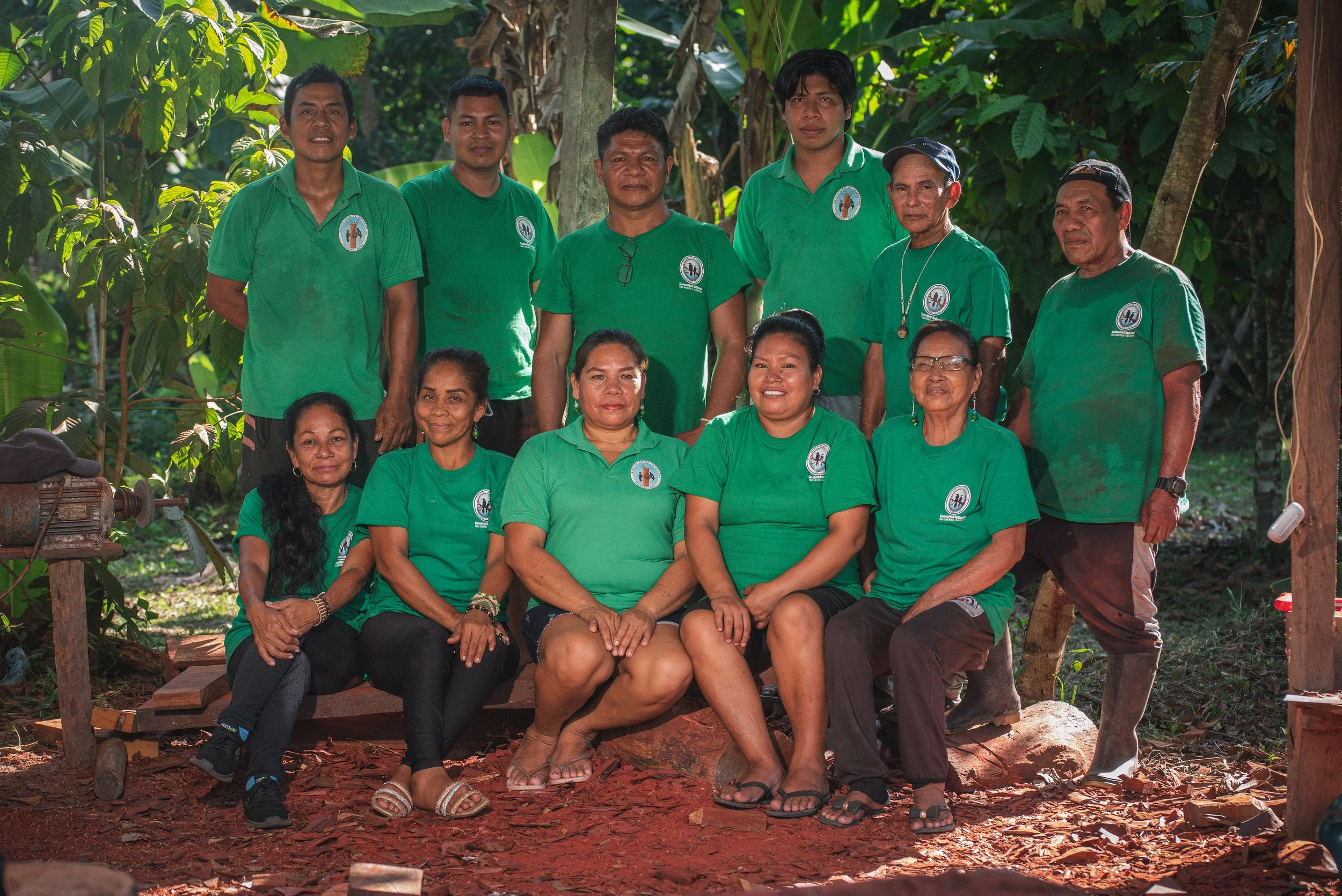
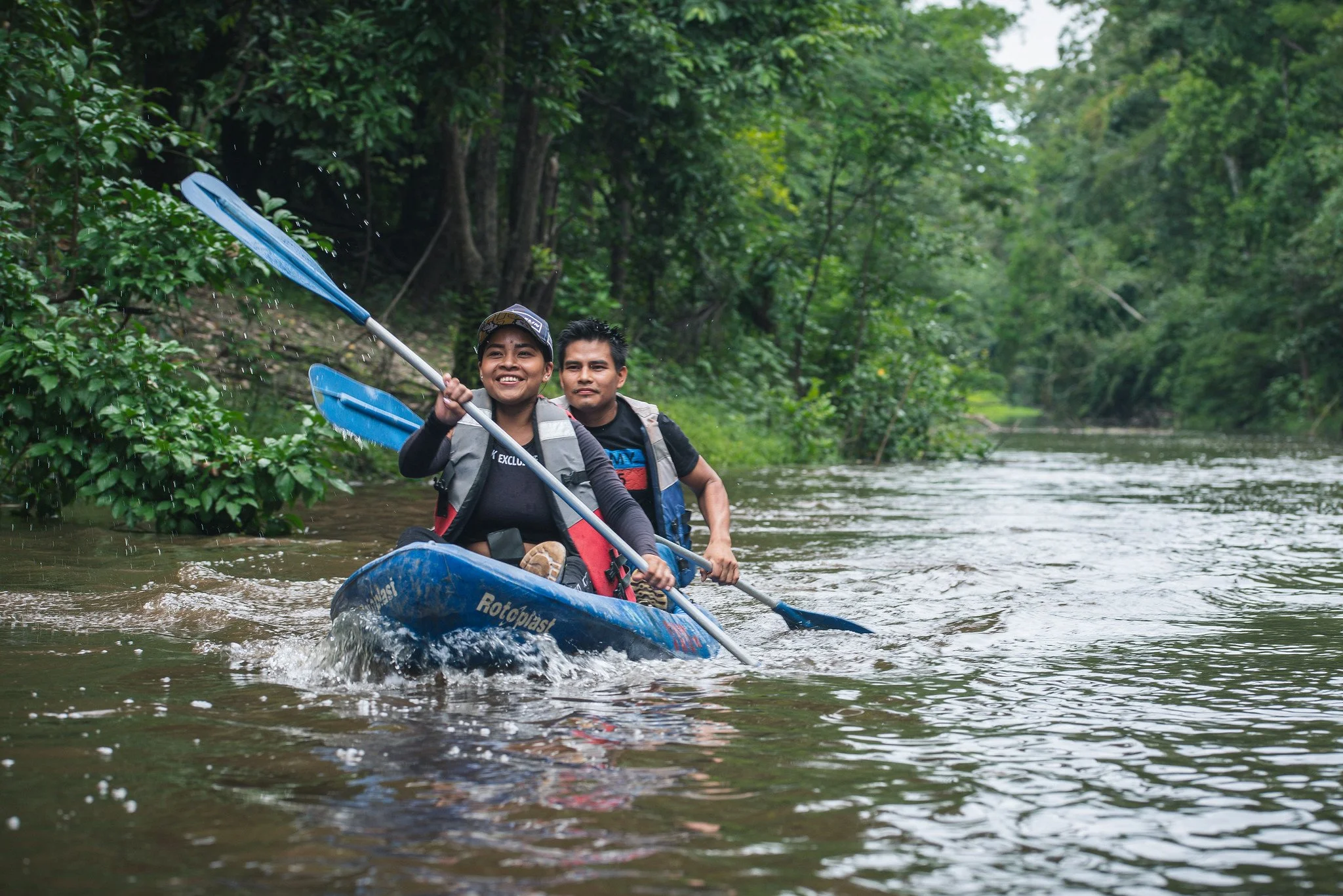
“Many young people here in the Amazon migrate to big cities because there are no jobs. This is what we don’t want. What we want is to have employment in our own territory, in our own community.”
– Gerardo Chongo (Founder, Sacha Waysa)
13
Indigenous-led enterprises accelerated
USD $738,000
in funding mobilized for Indigenous-led enterprises
1,749
families impacted
84,200
hectares of forest under conservation, restoration and sustainable use practices
Documents for download
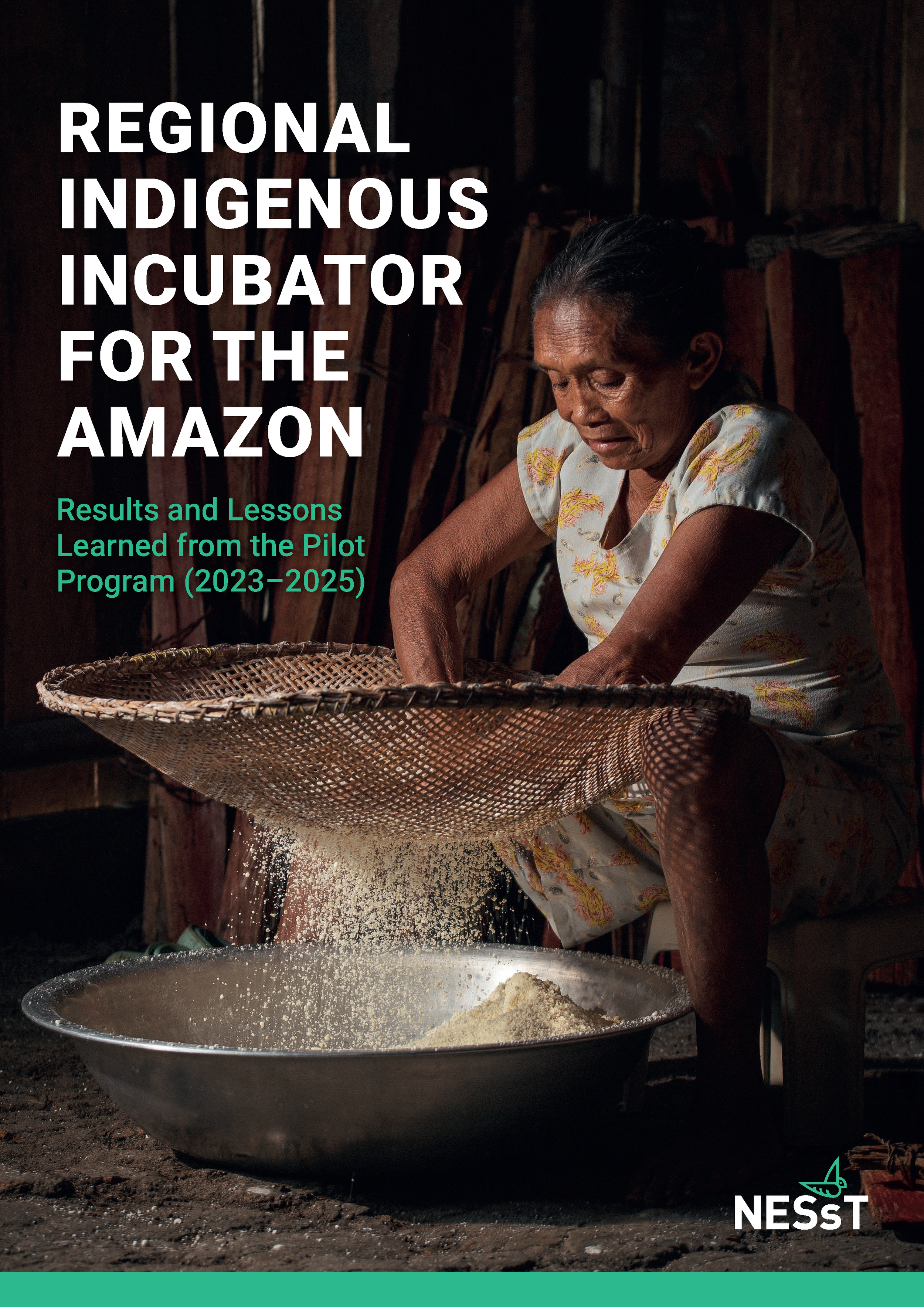
Summary Report (English)
An overview of the project with key data, testimonials, the impact model, milestones, achievements, challenges, and lessons learned.

Summary Report (Spanish)
An overview of the project with key data, testimonials, the impact model, milestones, achievements, challenges, and lessons learned.
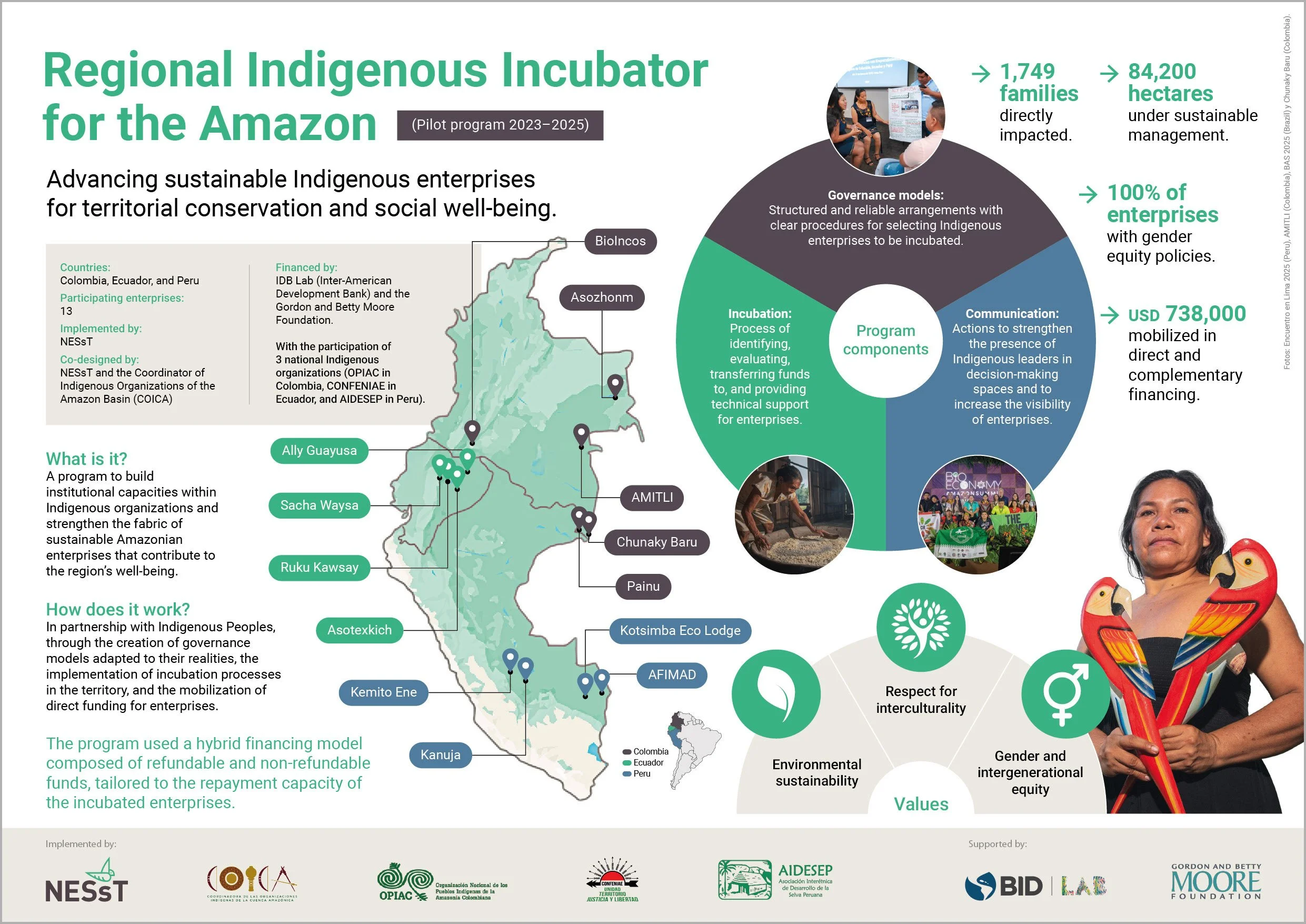
Project at a Glance (Infographic in English)
A snapshot of at the project’s main components and most significant results.
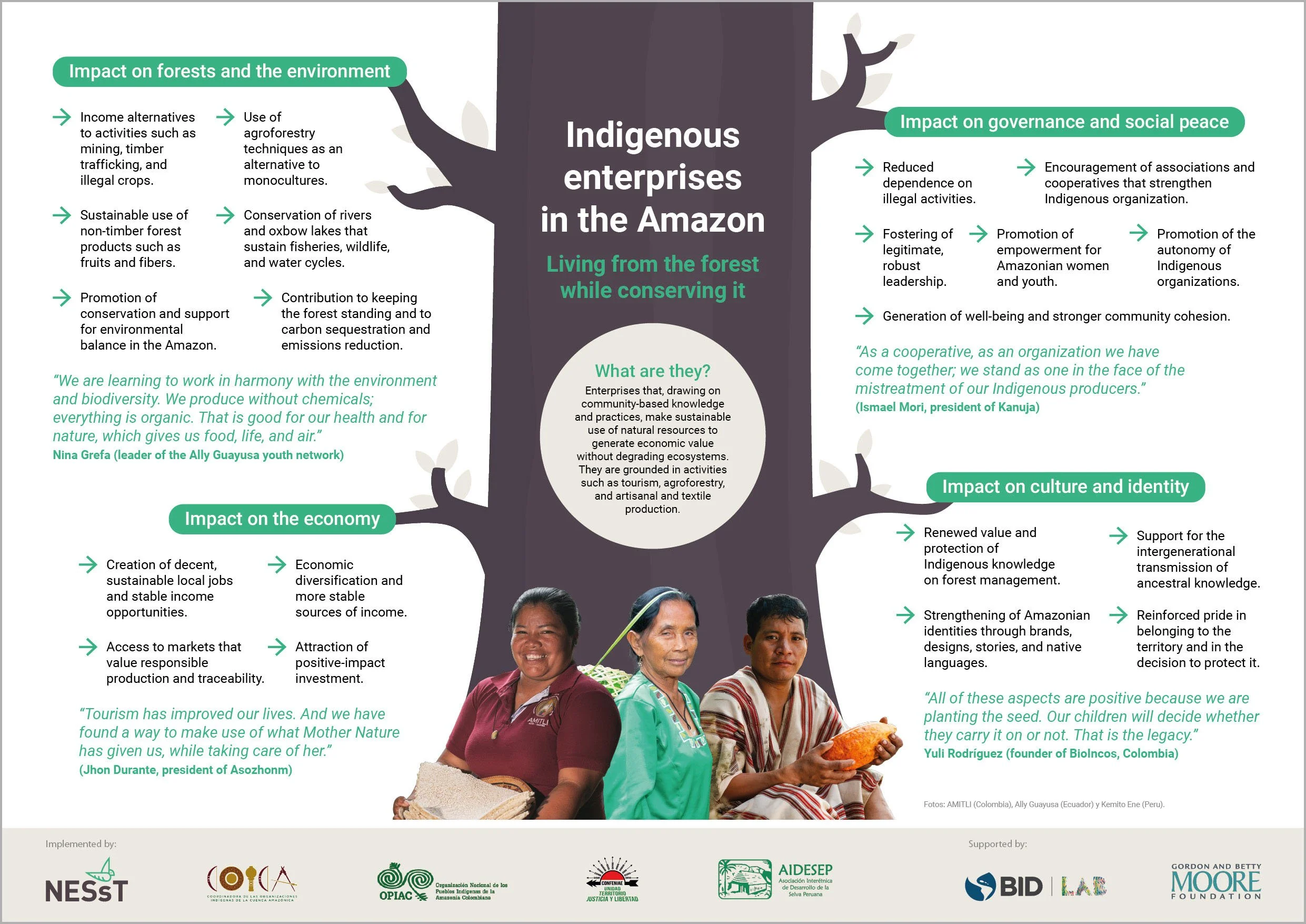
Bioeconomy in Action (Infographic in English)
Shows how Indigenous-led enterprises benefit both forest conservation and community well-being.
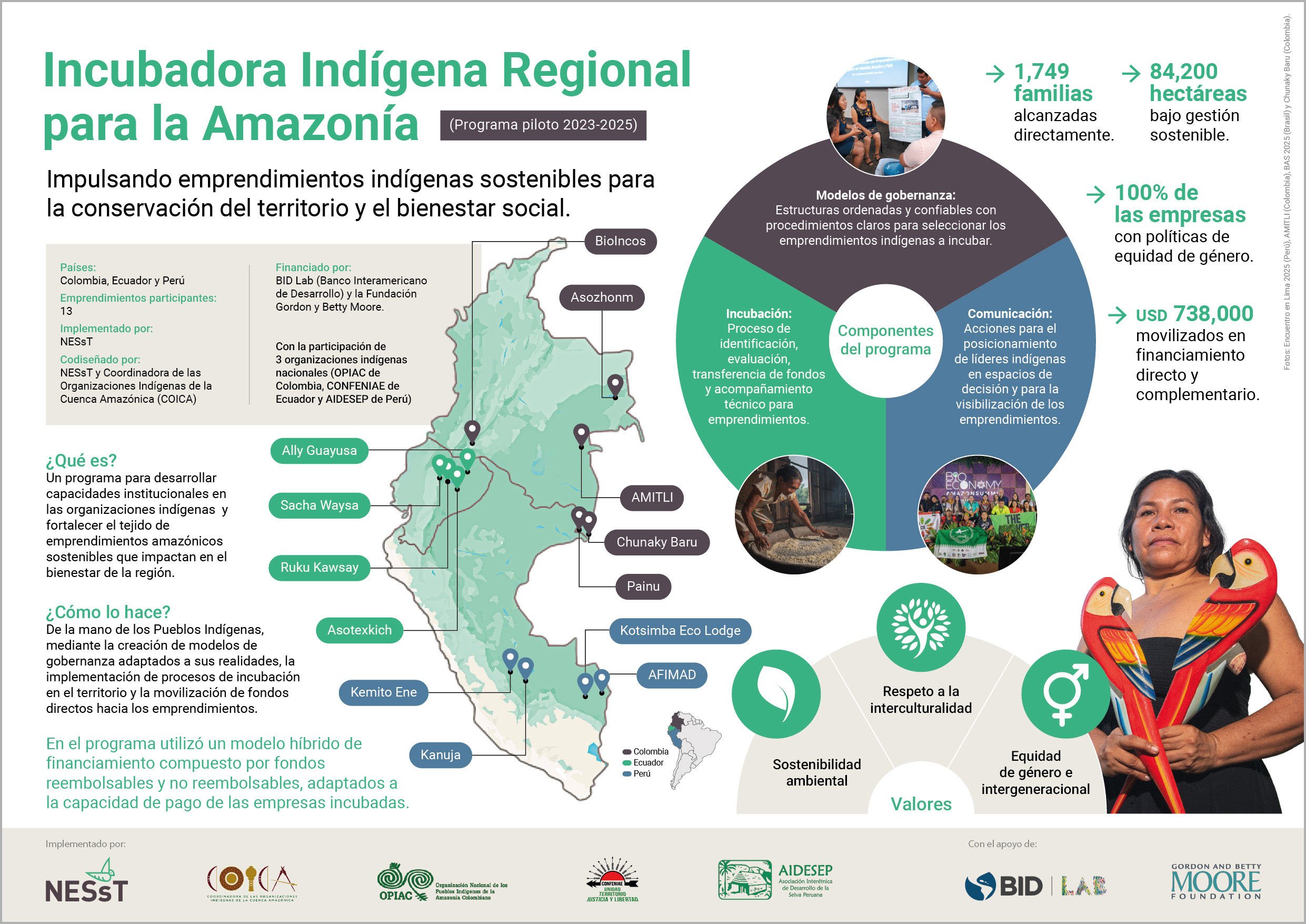
Project at a Glance (Infographic in Spanish)
A snapshot of at the project’s main components and most significant results.
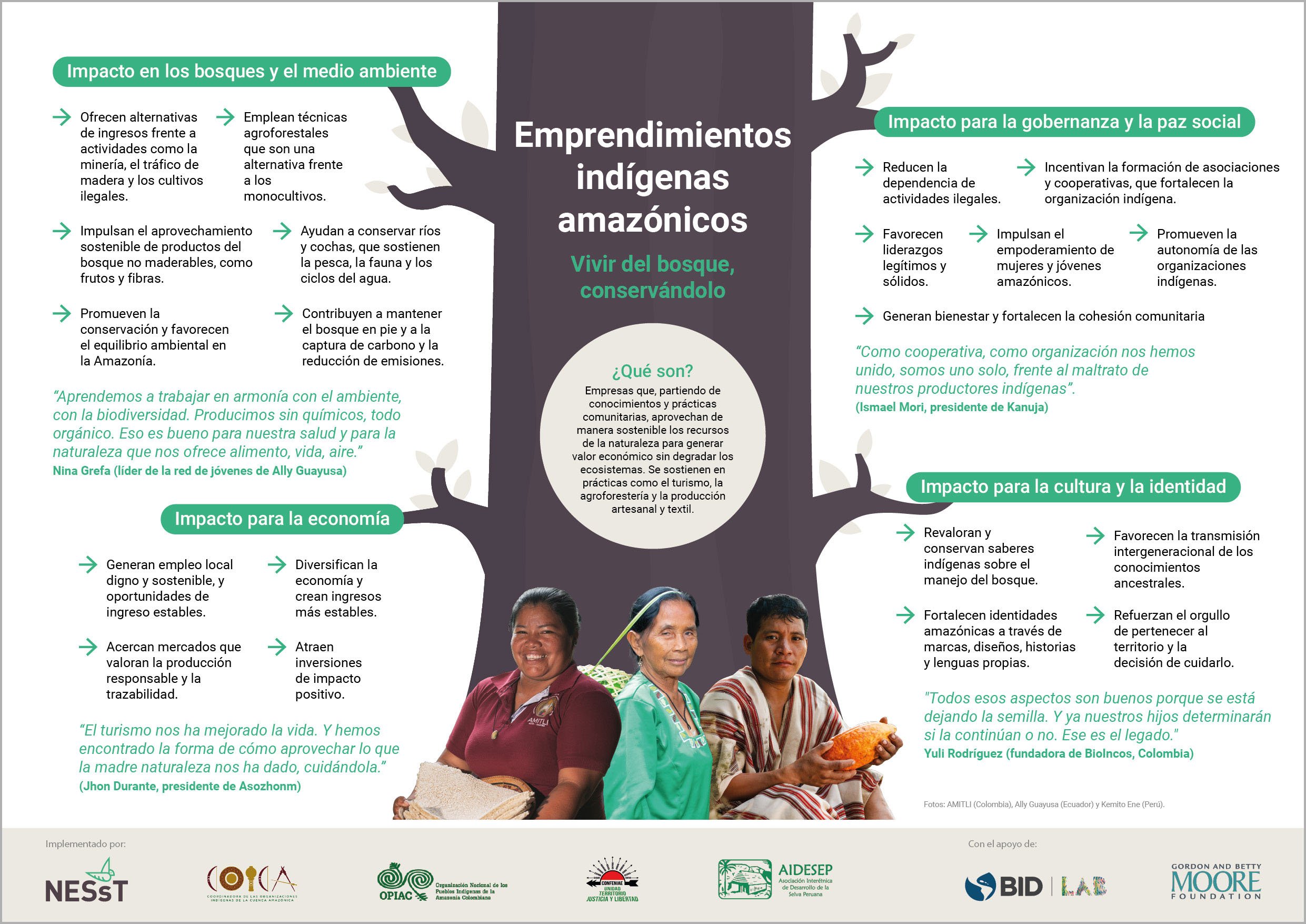
Bioeconomy in Action (Infographic in Spanish)
Shows how Indigenous-led enterprises benefit both forest conservation and community well-being.
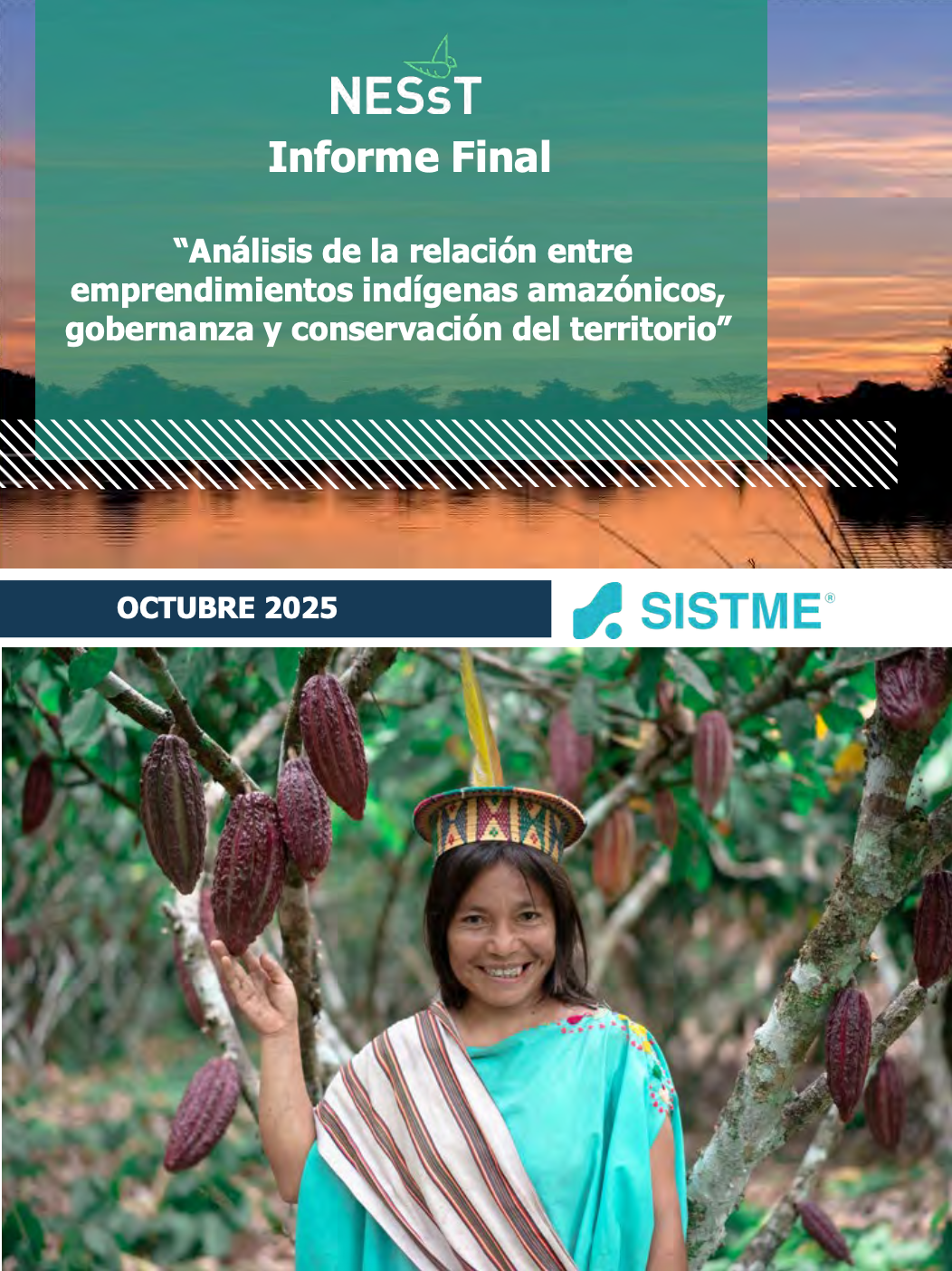
Analysis of the relationship between Indigenous-led enterprises in the Amazon, territorial governance, and conservation
This external study, conducted by SISTME, analyzes pioneering work on Indigenous entrepreneurship, governance and conservation. Enter your email below to download the study. This research is available only in Spanish.
Entrepreneur Stories
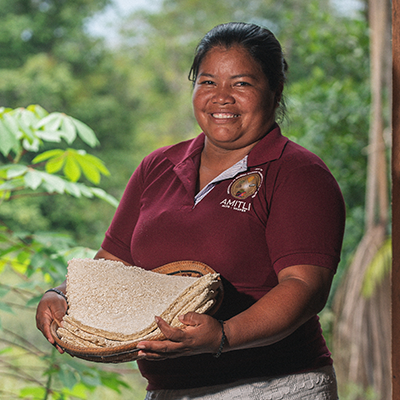
“Mom, I want to be like you”
Lida Medina (AMITLI, Colombia)

“Opportunities do exist, but we have to create them”
Yuli Rodríguez (BioIncos, Colombia)
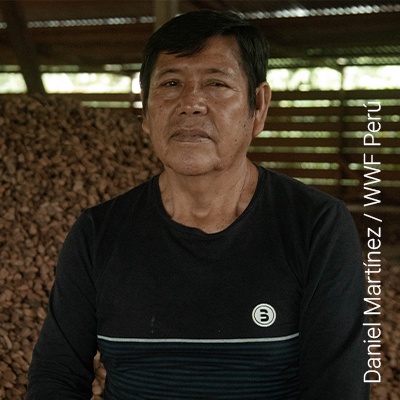
From Fear to a Collective Dream
Martín Huaypuna (AFIMAD, Peru)
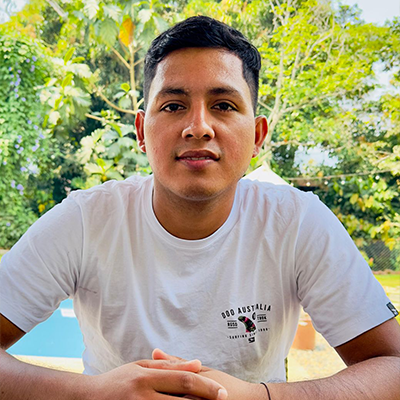
The Fair Price
Luis Cuadros (Kemito Ene, Peru)
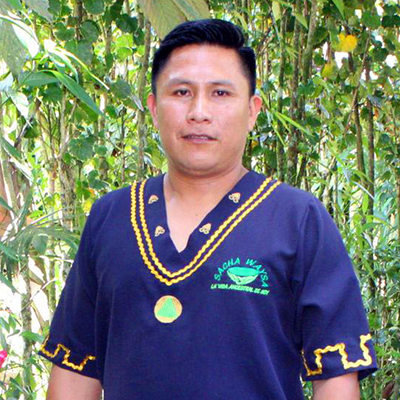
Tourism that Cares for the Forest
Gerardo Chongo (Sacha Waysa, Ecuador)
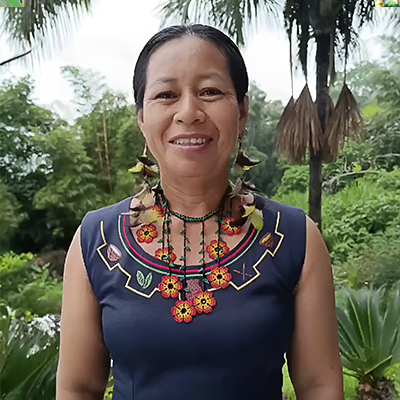
Seeds for the Future
Glenda Andy (Ally Guayusa, Ecuador)
Multimedia