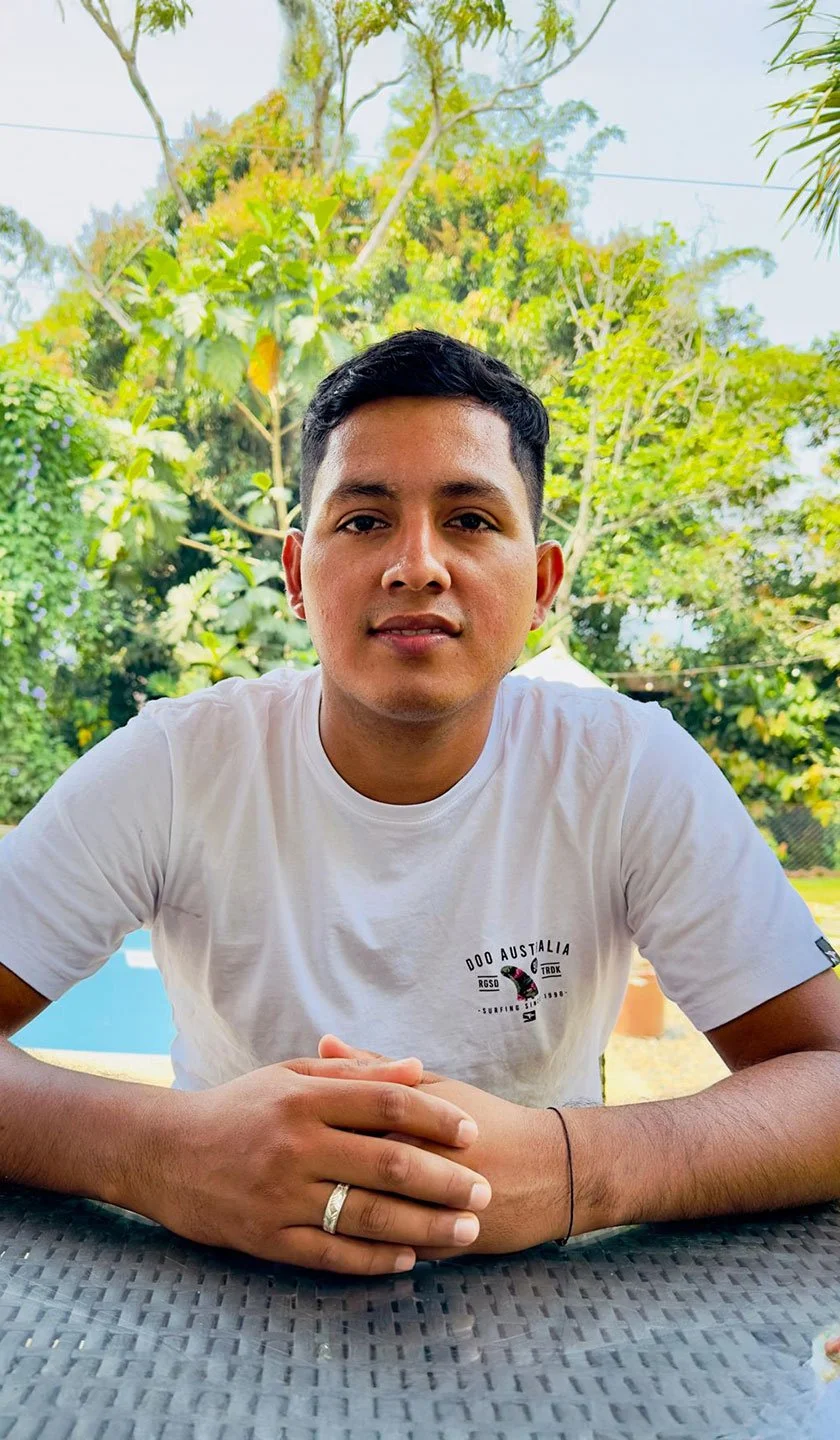
Luis Cuadros
Accountant at Kemito Ene, Peru
The Fair Price
When Luis Cuadros first arrived in the Amazon, he was simply looking for work and a fresh start for his family. Born in Huancayo, high in the Peruvian Andes, he eventually settled in Satipo, in the central jungle, where he completed his accounting studies. A friend introduced him to the Kemito Ene cooperative, and what began as a job gradually became a calling. As he often says with quiet conviction: “I really like this issue of support for Asháninka families and fair trade work.”
From his office overlooking the cooperative’s operations, Luis sees clearly what makes Kemito Ene different: they pay producers what they truly deserve. In a region where intermediaries often exploit small farmers, fair prices translate directly into better living conditions for hundreds of families.
This model is the result of long, deliberate work. Before they could sustain it, Kemito Ene had to organize itself and strengthen its productive capacity. Support from NESsT arrived at a decisive moment, after the pandemic had wiped out contracts and clients. The first fund allowed them to purchase a selection machine; the second strengthened working capital and improved processing infrastructure. These improvements changed everything: instead of scrambling to secure advances to fulfill orders, Kemito Ene could finally purchase cocoa, process it into powder or butter, and maintain stock in the plant. Stock meant time; time meant negotiation power; negotiation power meant stability. And stability is what sustains fair prices.
Certifications became the other crucial pillar. “We have the organic certificate, and we’re starting Fair Trade certification,” Luis explains. Certifications open doors to buyers willing to pay a premium price—value that can then be shared with producers. The virtuous cycle is simple but powerful: financing enables better production; certifications enable better sales; transparency ensures better payment for families.
The impacts are tangible. Families now access better food, health, and education—“by their own means,” Luis emphasizes. That phrase matters: where once many members depended on state programs or sporadic donations, today they increasingly sustain themselves through cocoa, coffee, and agroforestry crops.
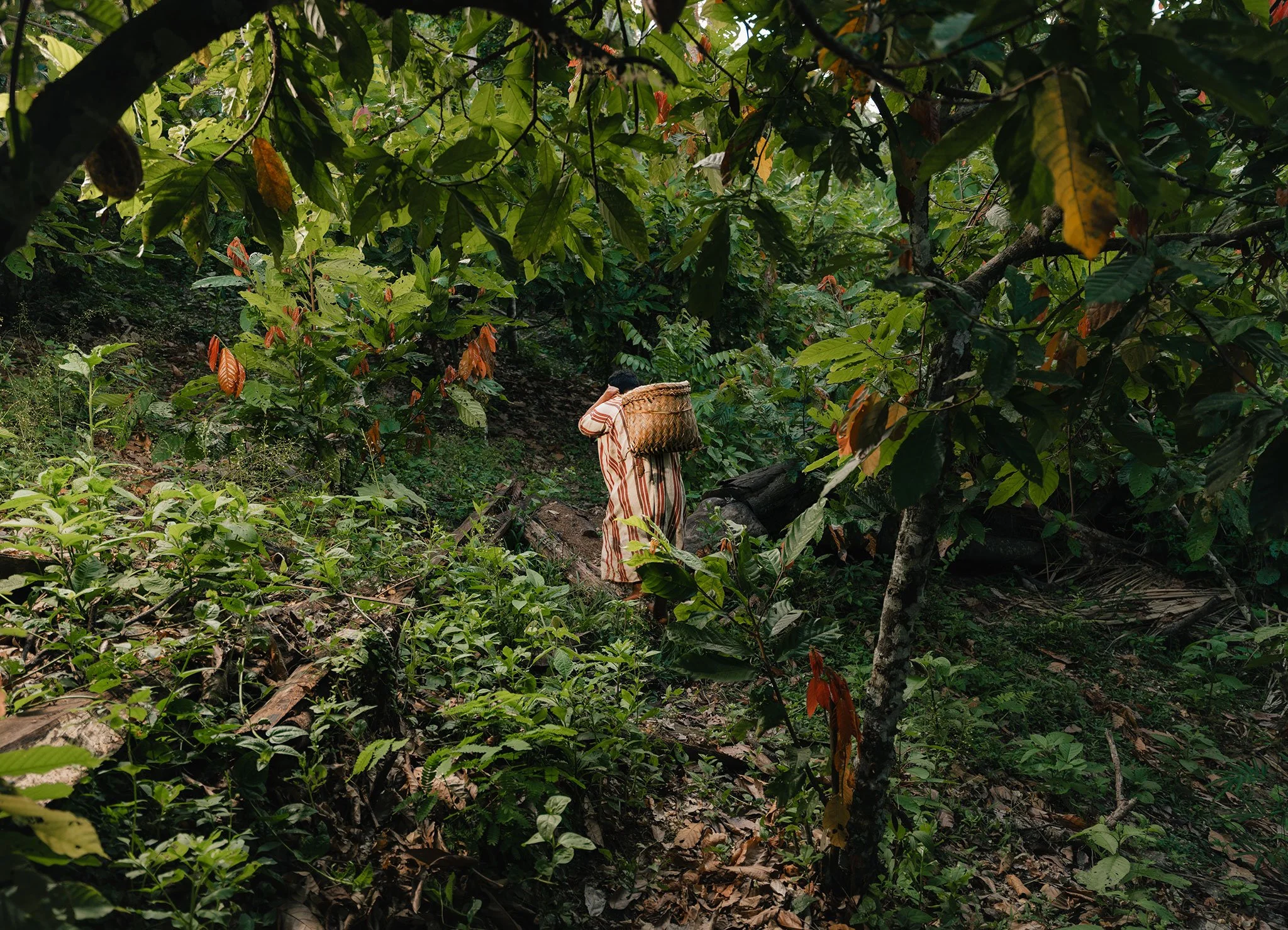
Fair prices also reshape the territory. Cocoa and coffee have become real alternatives to illegal coca cultivation, offering safety and legal income. Expanding agroforestry means reduced burning, less deforestation, and more trees standing. This is vital in a region bordering three major protected areas: Otishi National Park, the Asháninka Communal Reserve, and the Avireri Biosphere.
Luis sees it all as one coherent system: fair prices, sustainable forests, stronger families, and a cooperative capable of dreaming bigger—exporting 200 or 300 tons of cocoa with its 360 members. Professionally and personally, his motivations align: growing with his family, growing with the cooperative, and helping build a dignified future for Asháninka families.
Fair pricing, for him, is not an accounting strategy. It is a way to imagine and build a better tomorrow.