
A loan fund to create 25,000 jobs in Latin America.
Why we do it
High-impact enterprises need patient, flexible capital with return expectations aligned with the costs and risks they face in achieving positive social changes.

Typical micro-finance loans go up to only $5,000, below financing need of small and medium enterprises.

Loans from financial institutions and private lenders, including friends and family, are expensive, offer little flexibility and limit ability to raise follow-on investments.

Impact investments in South America are above what small enterprises can absorb and business assistance rarely available alongside lending capital.
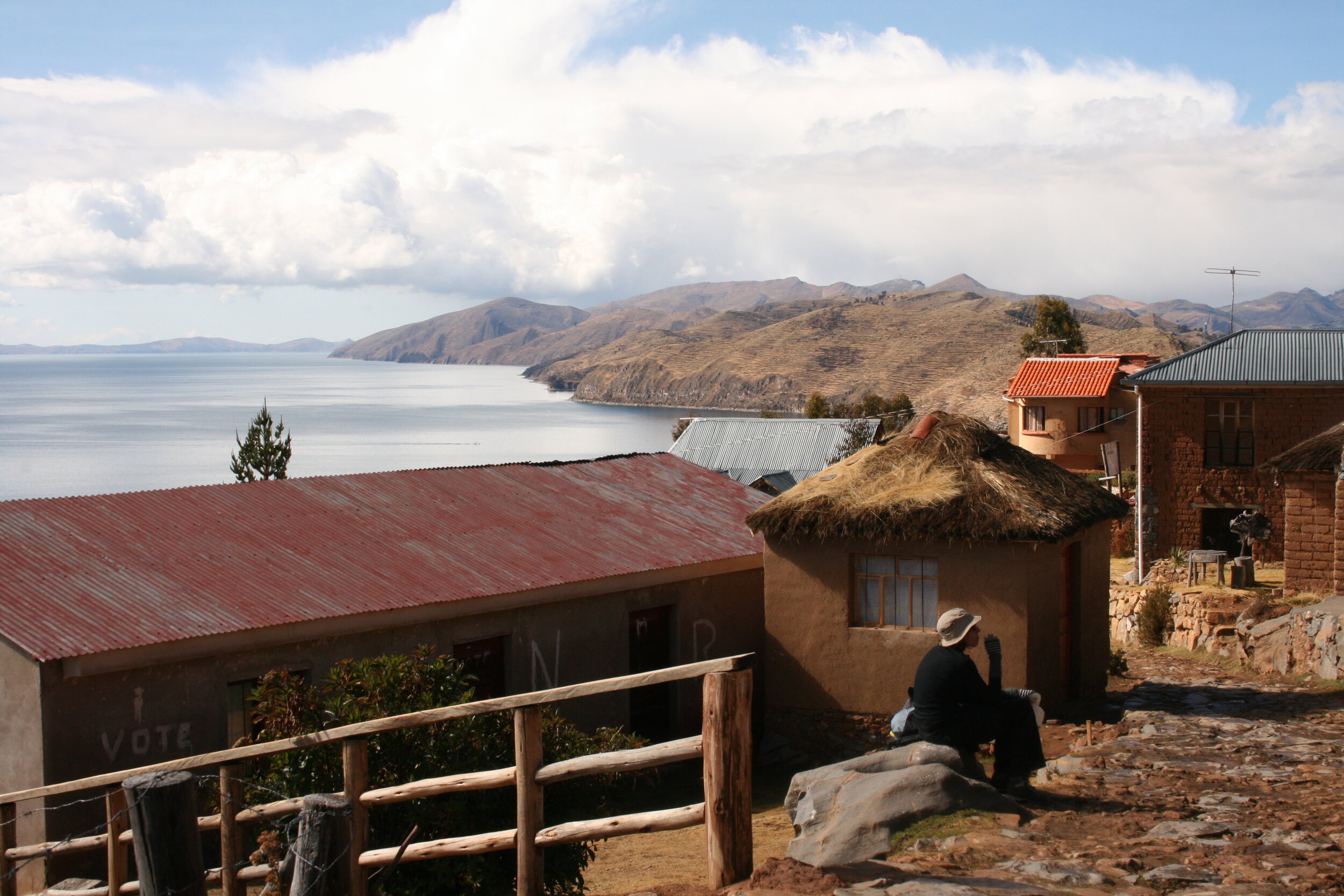
The NESsT Lirio Fund provides debt capital to high-impact enterprises that are advancing job creation for individuals most in need and accelerating environmental conservation in the Andes and Amazon.
An Investment Vehicle for Socially-Minded Investors

Meets Funding Needs
Competitive interest rates and terms that are more flexible than traditional sources of capital, allowing entrepreneurs to accelerate their growth in a sustainable manner.
Strong Impact Framework
Collects employee-level metrics shared annually with investors.
Key Metric Examples:
Vulnerability | Workers operating in the informal economy and earning less than minimum wage.
Employment | Job creation impacting between 100 and 500 vulnerable individuals.
Earnings | Increase of 25% to 50% in employees' incomes.
Environment | Hectares of land sustainably managed.

Business Assistance Facility (BAF)
The NESsT Fund manages a Business Assistance Facility (BAF) to prepare enterprises for loans and to ensure that they meet their goals and repay their loans.
Client Acquisition
Business Operations
Impact Measurements
Financial Management
Meet the Lirio Fund Portfolio
Founded in 2015, La Asociación de Productores Amazonas – Alto Mayo (“Apromayo”) sources coffee beans from over 300 producers in remote rainforest areas of San Martín and Amazonas, supporting them to make a living income while conserving the environment. Today, the association, led by a woman and supported by a young team, has become a key player in the region's coffee industry.
Cedros Café is a cooperative that supports smallholder coffee farmers in the region to improve their business practices and income opportunities, offering its associates 30% more than conventional buyers for their coffee beans
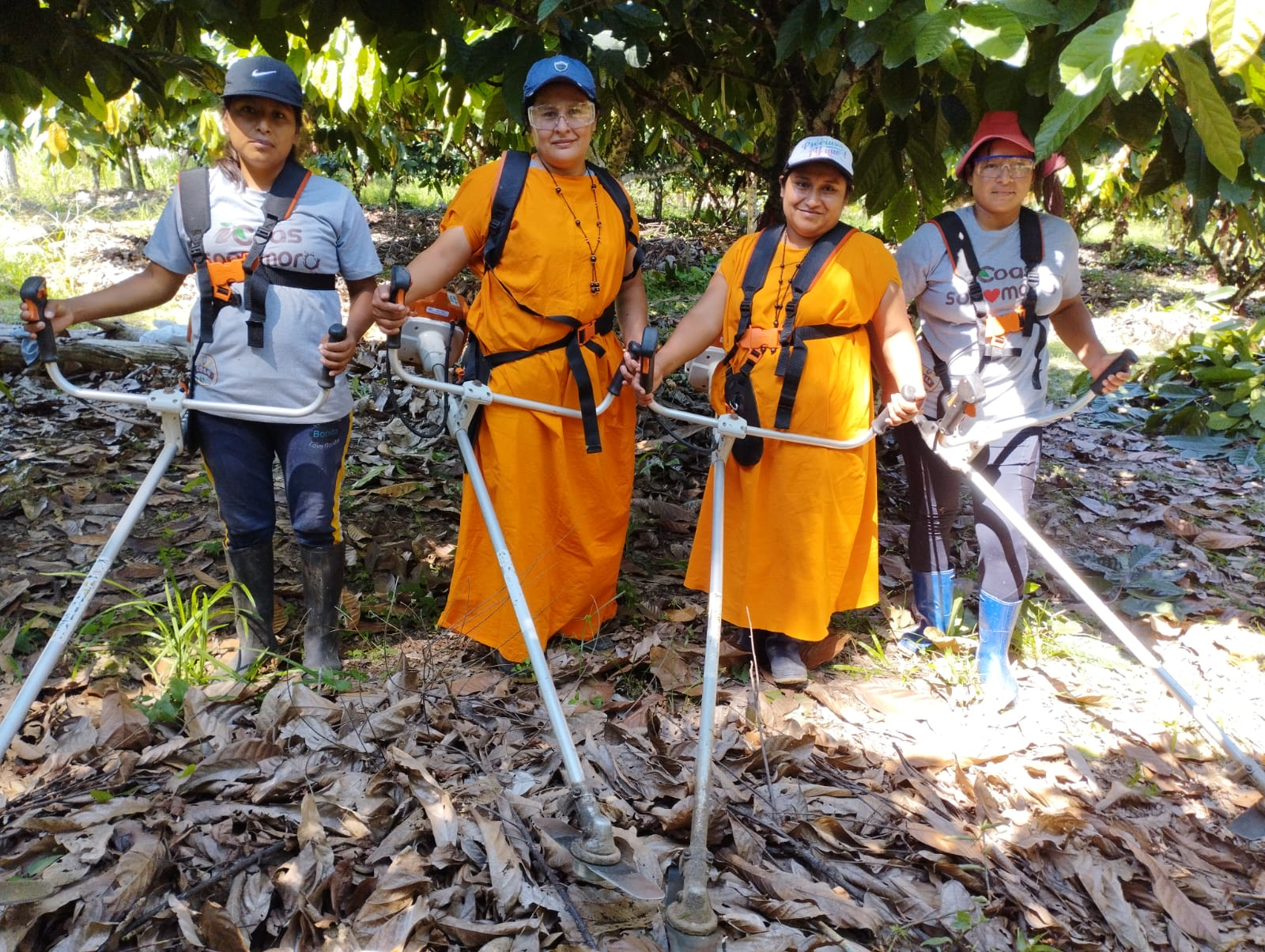
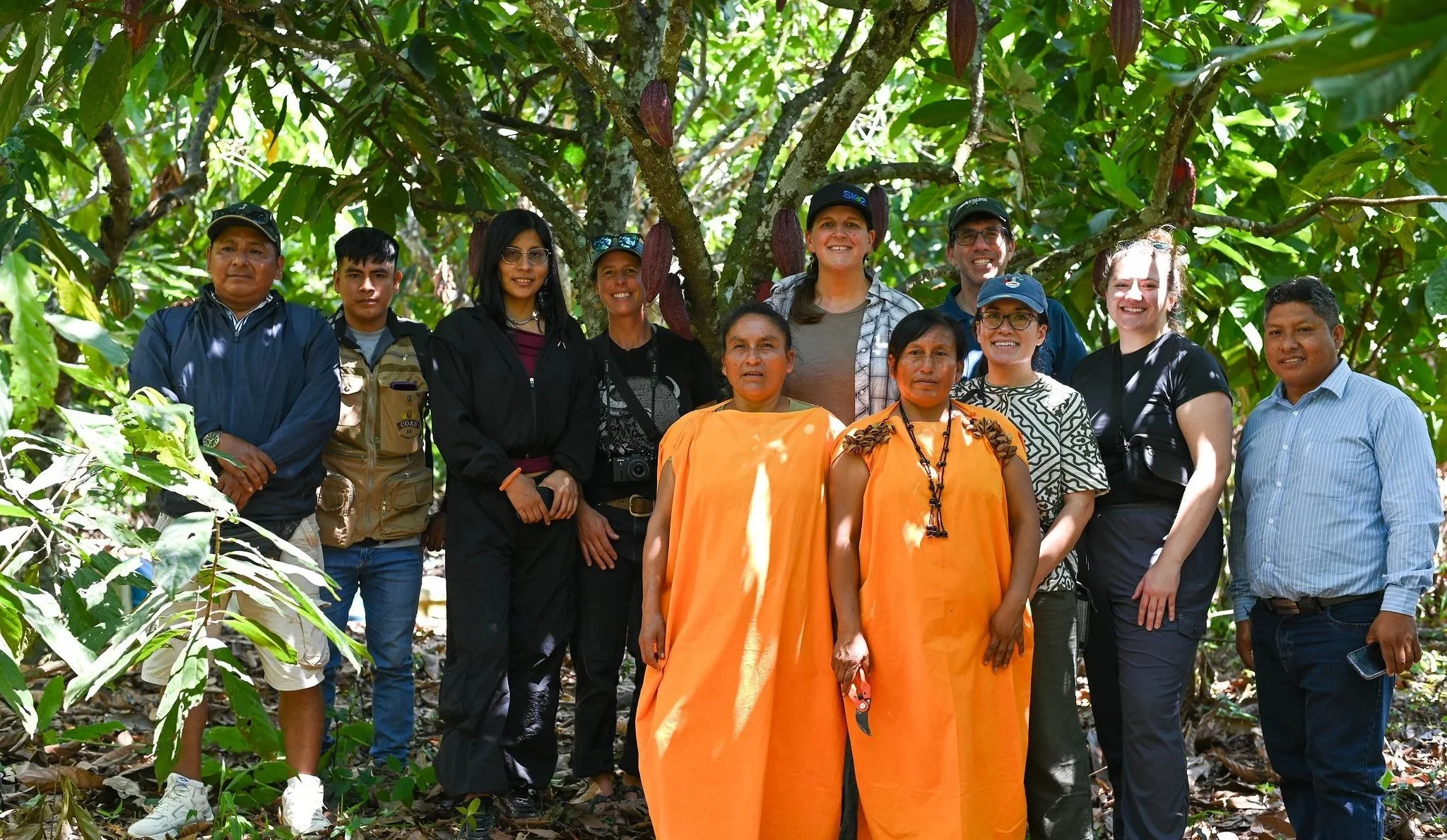
For over two decades, Cooperativa Agraria Sonomoro del VRAEM (“COAS”) has been working to improve the lives of smallholder farmers in Junin and Ucayali in Peru. It equips farmers with resources to cultivate organic, Fairtrade cacao, highlighting the benefits of sustainable farming practices.
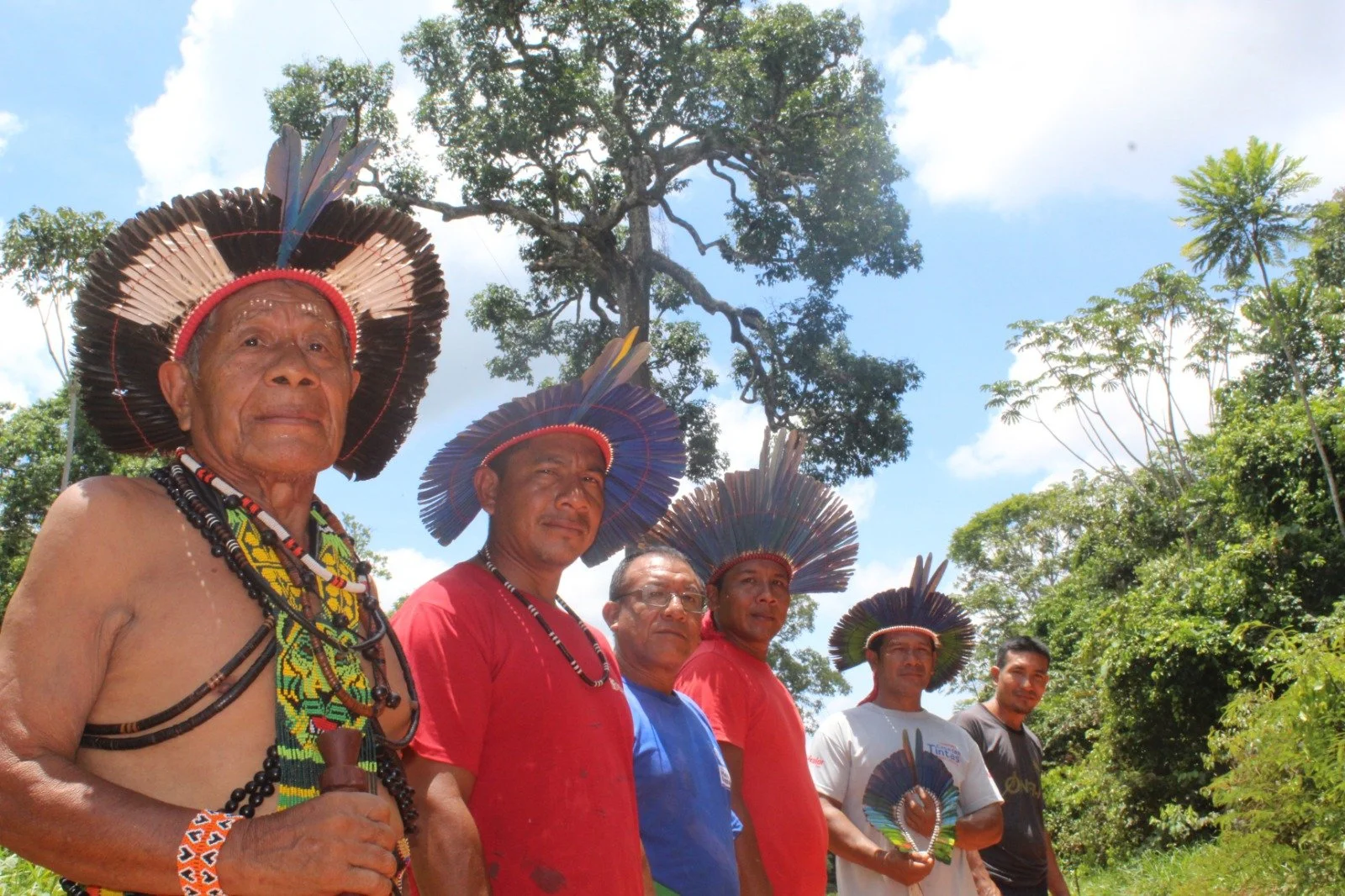
Founded in 2008, Cooperativa de Agricultores do Vale do Amanhecer (COOPAVAM) is a women-led cooperative of rural settlers that sources native Brazil nuts from smallholder farmers and Indigenous communities in the Brazilian Amazon. COOPAVAM pays premium prices to suppliers, supporting sustainable livelihood alternatives to activities that degrade the forest.
Founded by 15 members with a shared vision for fairer coffee production, Cooperativa Agraria de Servicios Múltiples Cordillera Azul (“Cordillera Azul”) is a growing cooperative that supports over 350 small coffee farmers in the northeast of Peru.
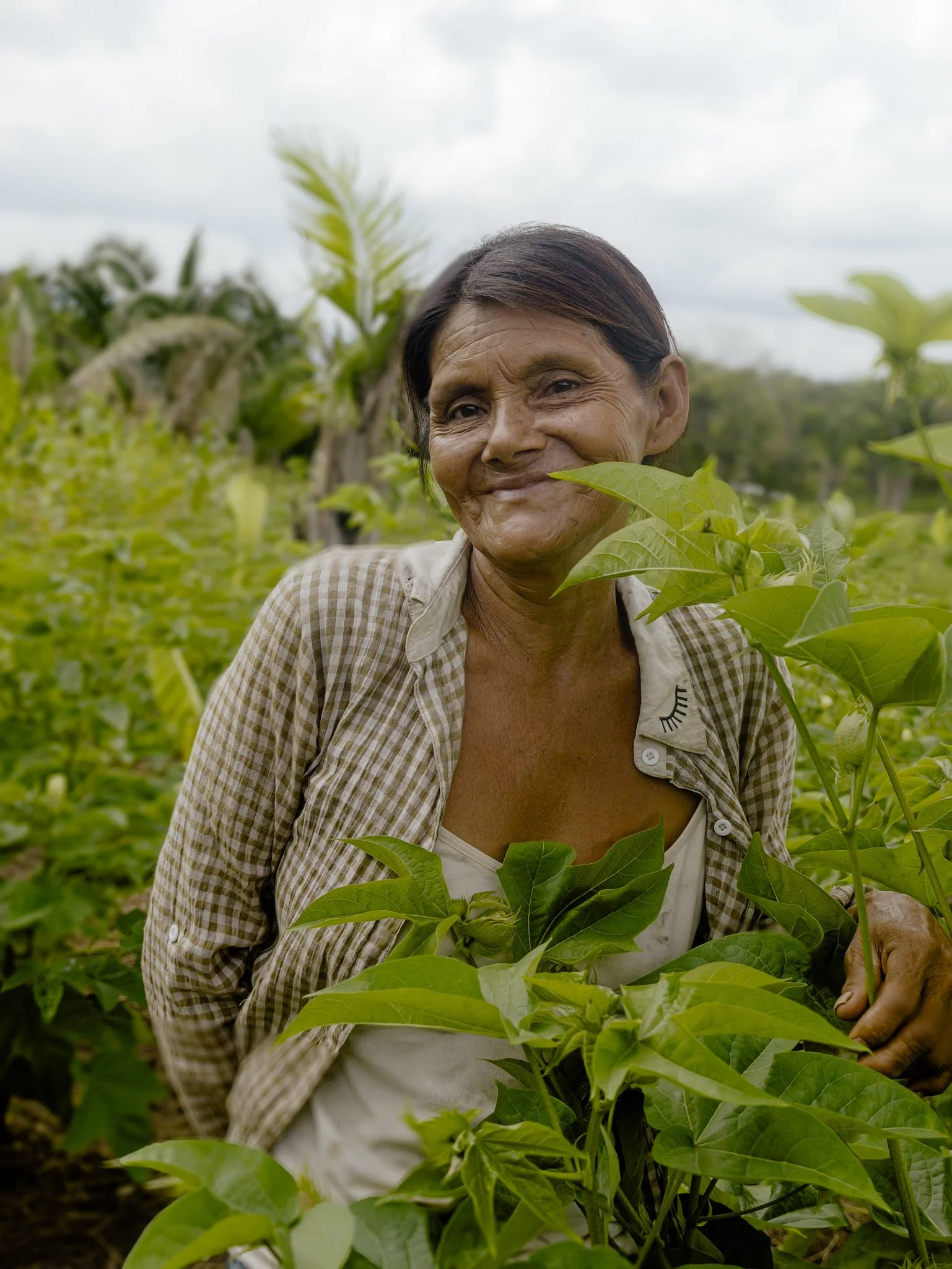
Cotton Nation promotes organic and regenerative cotton farming, working closely with more than 3,000 Indigenous and rural producers across Peru's San Martín region, where smallholder agriculture is highly exposed to climate risk and has limited access to formal markets.
Located on the banks of the Huallaga River in the Peruvian Amazon, Cuencas del Huallaga sources high-quality Fairtrade, organic cocoa from over 500 smallholder farmers, paying fair prices for their products.
Federación Campesina del Cauca (FCC) sources organic, Fair Trade coffee from close to 500 smallholder farmers operating in Cauca, Colombia, over 30% of whom are women. FCC ensures its members earn a living income and supports them to become more climate resilient by diversifying their income streams.
Founded in 2012, Finca Chorro Blanco S.R.L. is a family-owned business that operates a dry coffee processing plant and engages in coffee trading.
Greenbox is a social enterprise that transforms regions in the Amazon Andes of Peru from harvesting coca plants for use in drug trafficking, to harvesting organic fruit for use in value-add products. Farmers in this region are smallholders who practice subsistence agriculture, use limited technology, and sell their produce in the local market where prices are volatile each season.
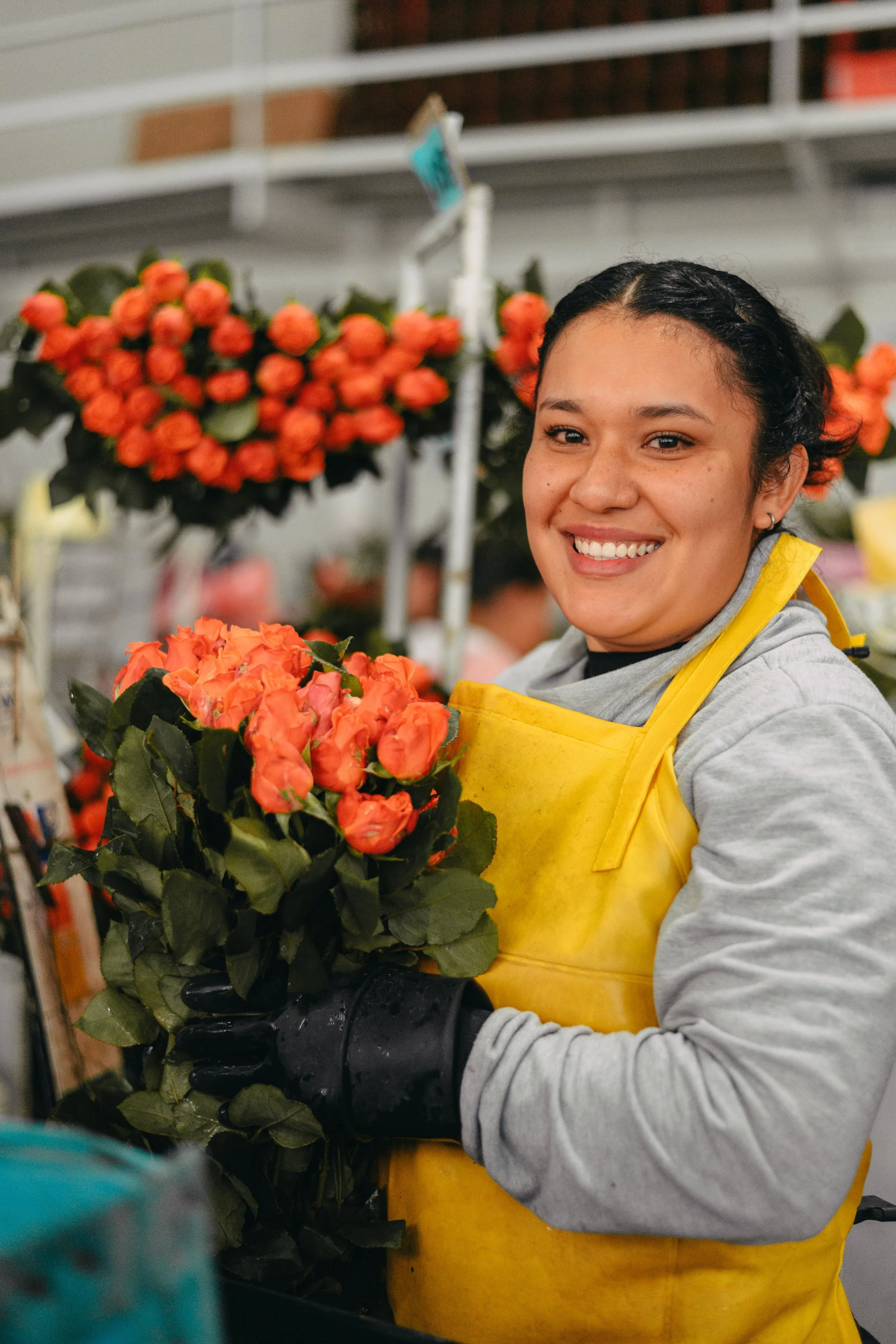
Based in Colombia, Indigo (formerly known as Cattleya) produces and sells roses for export to the US. Indigo currently employs 350 individuals, primarily from rural towns, providing them with a stable source of income and fair wages.
Asociación de Productores Agrarios Alto Kivinaki ("Kivinaki”) was founded in 2019 to provide a more sustainable livelihood alternative through organic orange farming.
Located in the jungle areas of central and eastern Peru, Kulkao sources cocoa from over 1,000 smallholder farmers living in the remote regions of the Amazon basin, purchasing their cocoa at prices typically higher than the market price. Its products include cocoa butter, powder and nibs and are sold locally and internationally.
The cooperative sources coffee from almost 460 smallholder farmers operating in the region, working to alleviate their severe financial strains and ensure coffee producers earn a living income.
Organic Rainforest sources organic cacao from lush regions of Peru’s northern and central jungle, partnering with three local cooperatives and supporting close to 400 cacao growers – 30% of whom are women.
Pebani has 21 years of experience working with smallholder farmers and native communities to sustainably source and process over 140 species of plants, bringing to the market a wide variety of nature-based products recognized for their high nutritional and medicinal values.
RONAP exports raw Brazil nuts, an Amazon nut rich in healthy fats, antioxidants, vitamins, and minerals, to the U.S. and European markets. The association eliminates intermediaries and acquires nuts directly from 33 Brazil nut collectors in Madre de Dios, Peru, ensuring that they receive fair prices for their products.
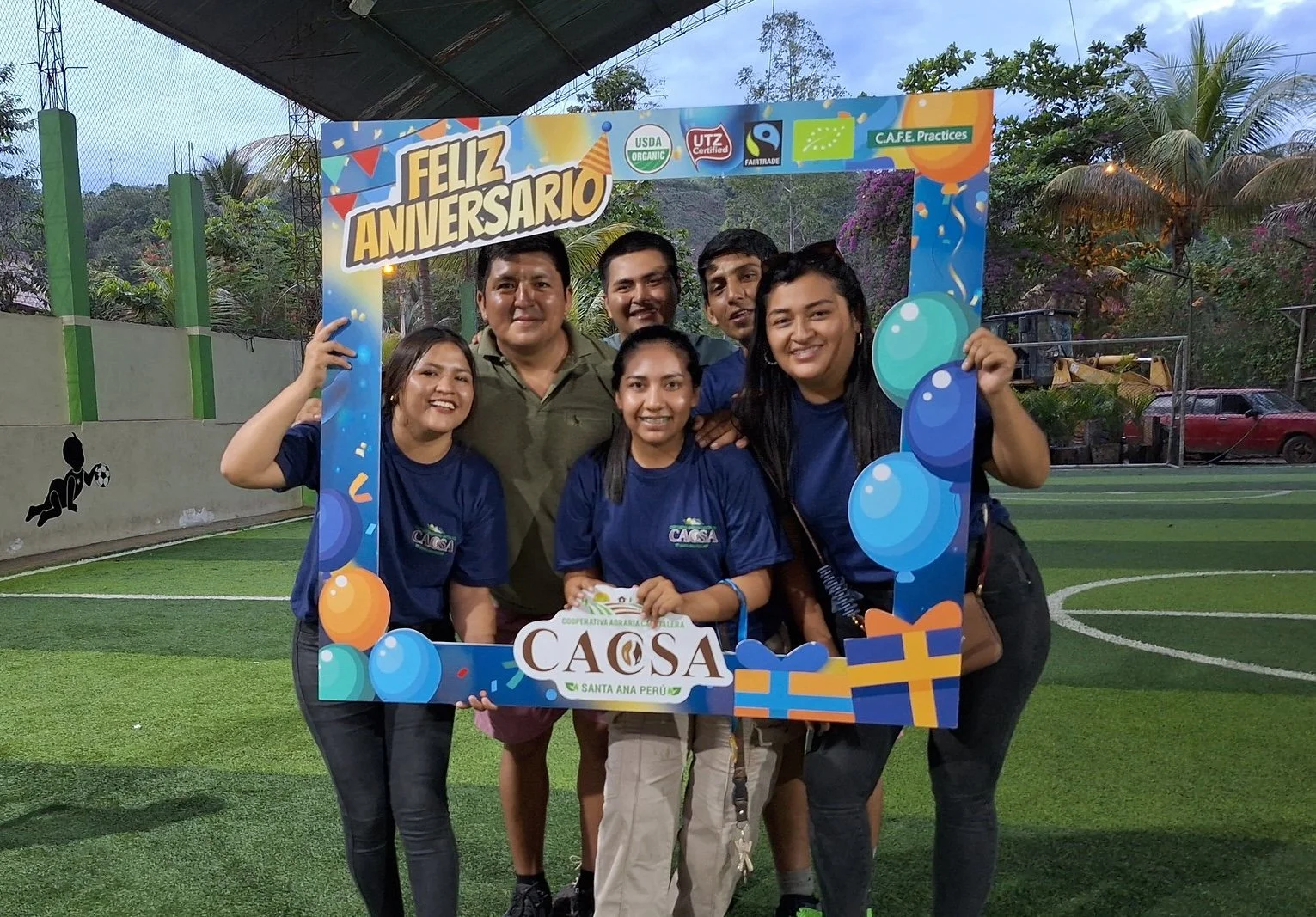
Located in the coffee-growing region of Perené in Junin, Peru, Cooperativa Agraria Cafetalera Santa Ana is a coffee cooperative with environmental and community well-being at its core. Since its founding in 2018 with just 22 members, the cooperative has grown to support over 170 small-scale coffee farmers across Perené and neighboring districts to harvest, process, and sell certified organic and Fair-Trade coffee.
Shanantina is a social enterprise that works exclusively with indigenous communities to cultivate sacha inchi, a nut that is native to the Peruvian Amazon, and has been used by indigenous people in Peru for at least 2,000 years.
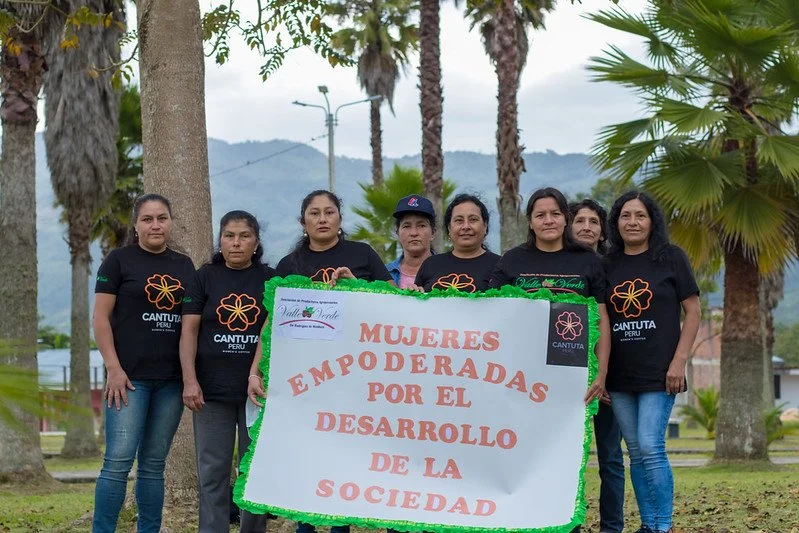
Founded over a decade ago by local producers, Valle Verde strengthens farming livelihoods through sustainable agriculture. Today, the association supports close to 500 smallholder farmers who cultivate coffee on plots averaging 2 to 4 hectares in size. Of its members, nearly half are women and 30% are young people.
Blog Updates
The NESsT Lirio Fund Team

““We provide a platform for social investors to invest in remote communities while generating high impact.”
”