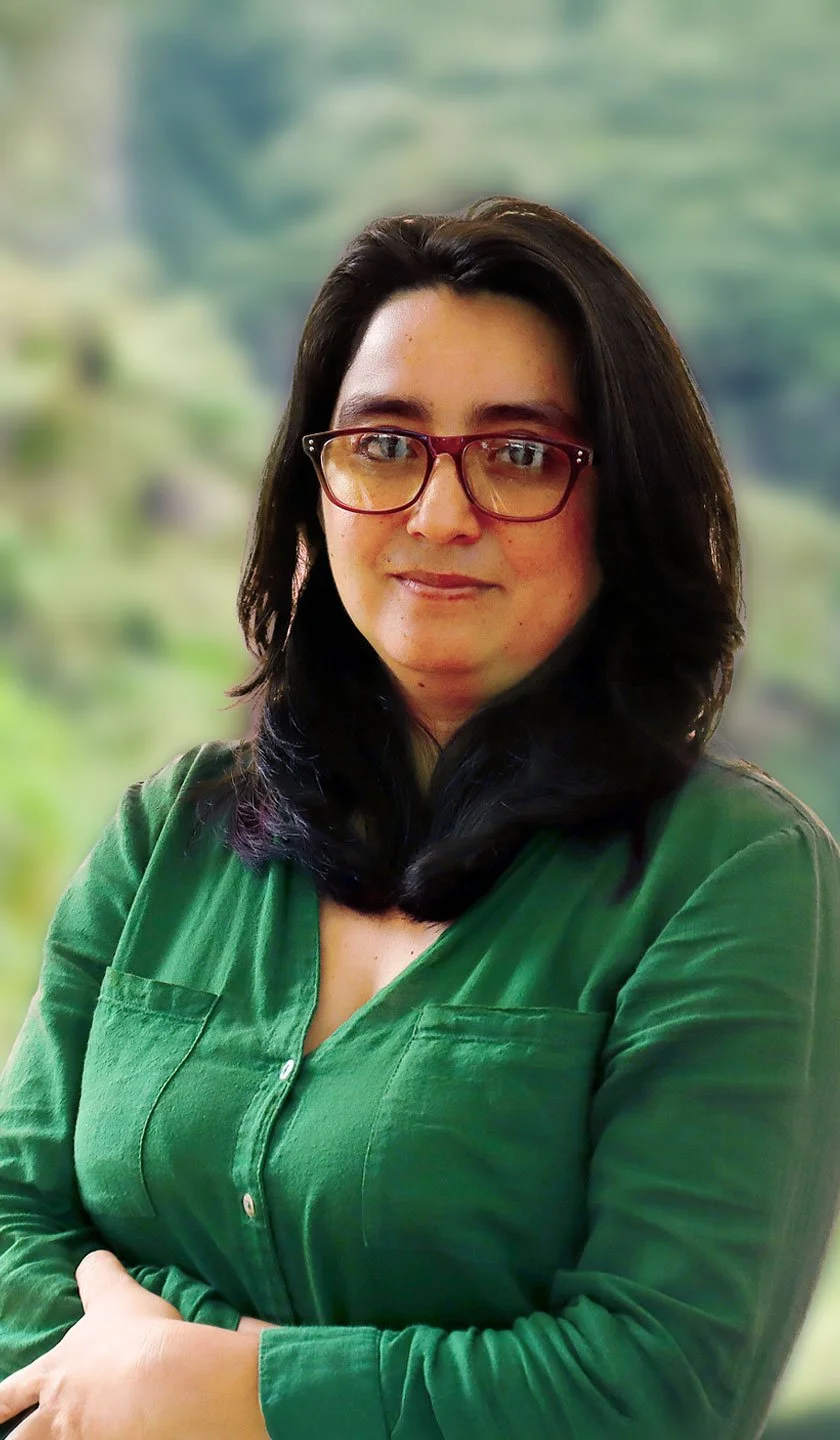
Yuli Rodríguez
Co-founder of BioIncos, Colombia
“Opportunities do exist, but we have to create them”
Two in the morning. A new machine. Silence. Tense faces.
Yuli Rodríguez and her husband Oscar Weck had just installed a press designed to extract Sacha Inchi oil. They turned it on, waited… and not a single drop emerged. After months of effort and major financial risk, they sat in silence, staring at each other, asking the only question possible: “What now?”
It wasn’t the first time reality placed a wall in front of them. But in Yuli’s life, walls don’t stay walls—she pushes them until they become doors. Born and raised in Putumayo, in the Colombian southwest, Yuli speaks of her territory with pride and clarity: “it’s a very beautiful place, full of opportunities, but you have to create them.” During her youth, opportunities were scarce: limited educational options, weak internet access, and a bleak job outlook. So she left for Neiva city, 5 hours away from her home, to study Environmental Engineering.
After graduating, she worked on environmental impact studies for an oil pipeline—“the natural path” for her profession in Colombia. But that path didn’t align with her purpose. During the economic crisis and after the 2016 peace agreement between the Colombian government and FARC, she and Oscar made a life-changing decision to return to Putumayo and try something different.
There was no clear plan. But slowly, they began to imagine turning the fruits of biodiversity into value-added products. First Sacha Inchi. Then cacay. And little by little, BioIncos was born.
The idea sounded solid, but reality was harsh. Yuli admits they knew nothing about administration, taxes, or markets. Suddenly they had to learn about VAT returns, accountants, licenses, and business registration. The learning curve was steep. And that night when the press didn’t work became a symbol: they could have quit, but they chose to adjust, redesign, and try again. Days later, oil finally dripped from the machine. That first drop was more than a product, it was proof that perseverance with purpose eventually pays off.
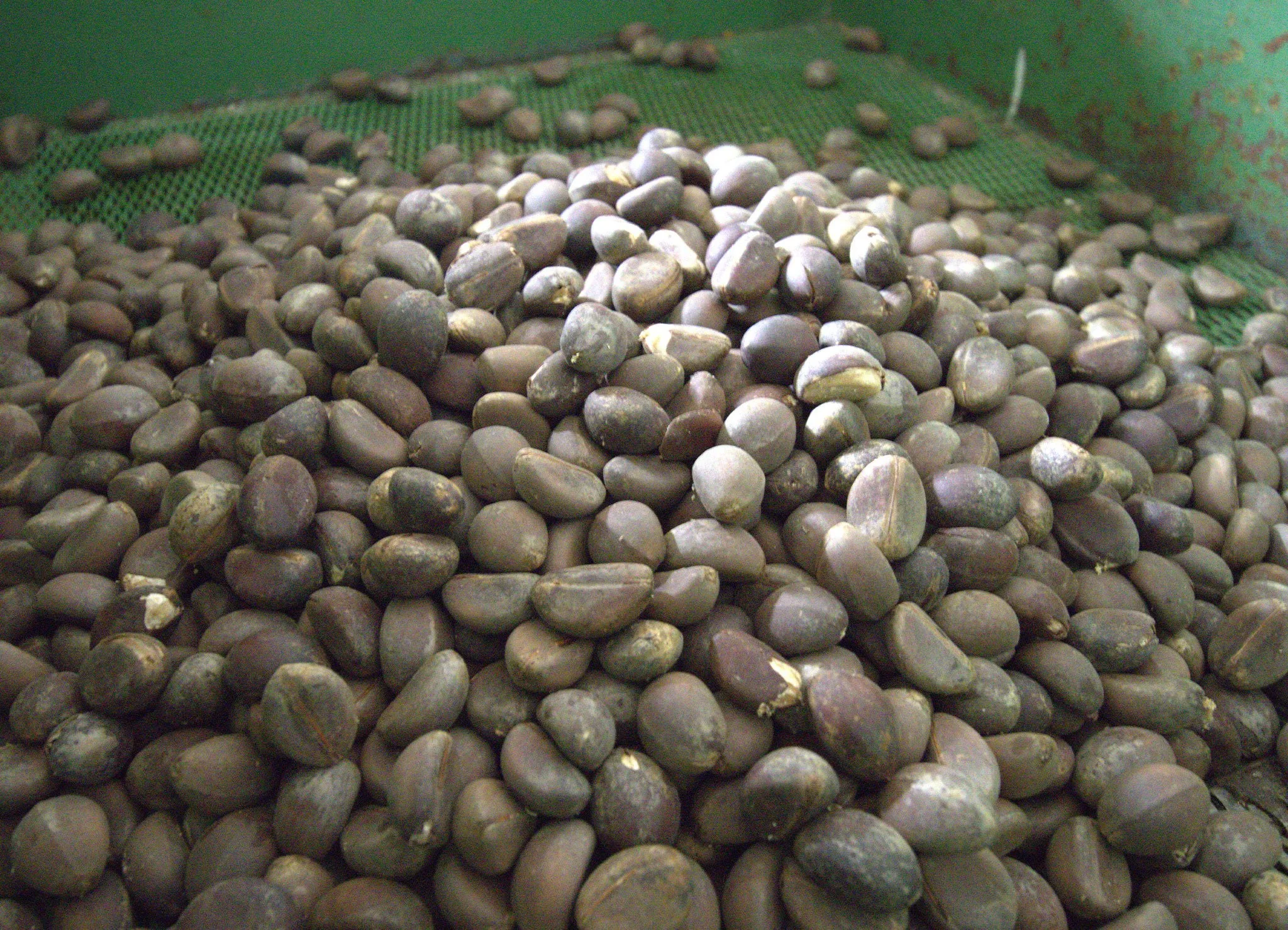
Another turning point came not from machines, but from trust. When Yuli and Oscar decided to buy cacay from local communities, no one believed them. It was a wild fruit eaten by animals and a few families, never something “of value.” Offering money for something that had always been free sounded suspicious.
Yuli and Oscar stayed a week in one community. They set up a small stand and told local farmers: “Bring us a bag of cacay and we’ll pay you for it.” Days later, a man arrived with a tiny bag, testing whether their promise was real. When they paid him on the spot, everything changed. Confidence spread. More bags came. More families joined.
In that gesture lies the philosophy behind BioIncos: take something that already exists, connect it to a market that values it, and build income from it. It’s not just about profit — it’s about a message: the forest can sustain a dignified economy while staying a forest.
BioIncos’ growth also accelerated with the support of NESsT. “I always say that there was a before and an after,” Yuli explains. “Before, we were operating almost artisanally. After that project, we began to expand the business, make it more technical.”
That shift is visible: stainless steel tables, improved infrastructure, organized processes, work plans, and stronger quality systems. But the most profound change is the sense of having a solid foundation. NESsT’s support and investment didn’t only guide Yuli and Oscar’s drive, it also made their business model tangible and sustainable in the long term.
The impact has radiated outward. Suppliers who once used cacay only for household consumption now see it as a real source of income. One family even reported that a single harvest helped them overcome a severe economic crisis. These stories, Yuli says, are what keep them both going. They are proof that effort doesn’t stay in a warehouse; it transforms lives.
Yuli and Oscar dream of an Amazon where the bioeconomy is a genuine livelihood, where the forest is synonymous with well-being rather than stagnation. That dream grows with every step forward: the machine that finally worked, the first bag of cacay purchased, the improved infrastructure, and above all, the trust earned from communities.