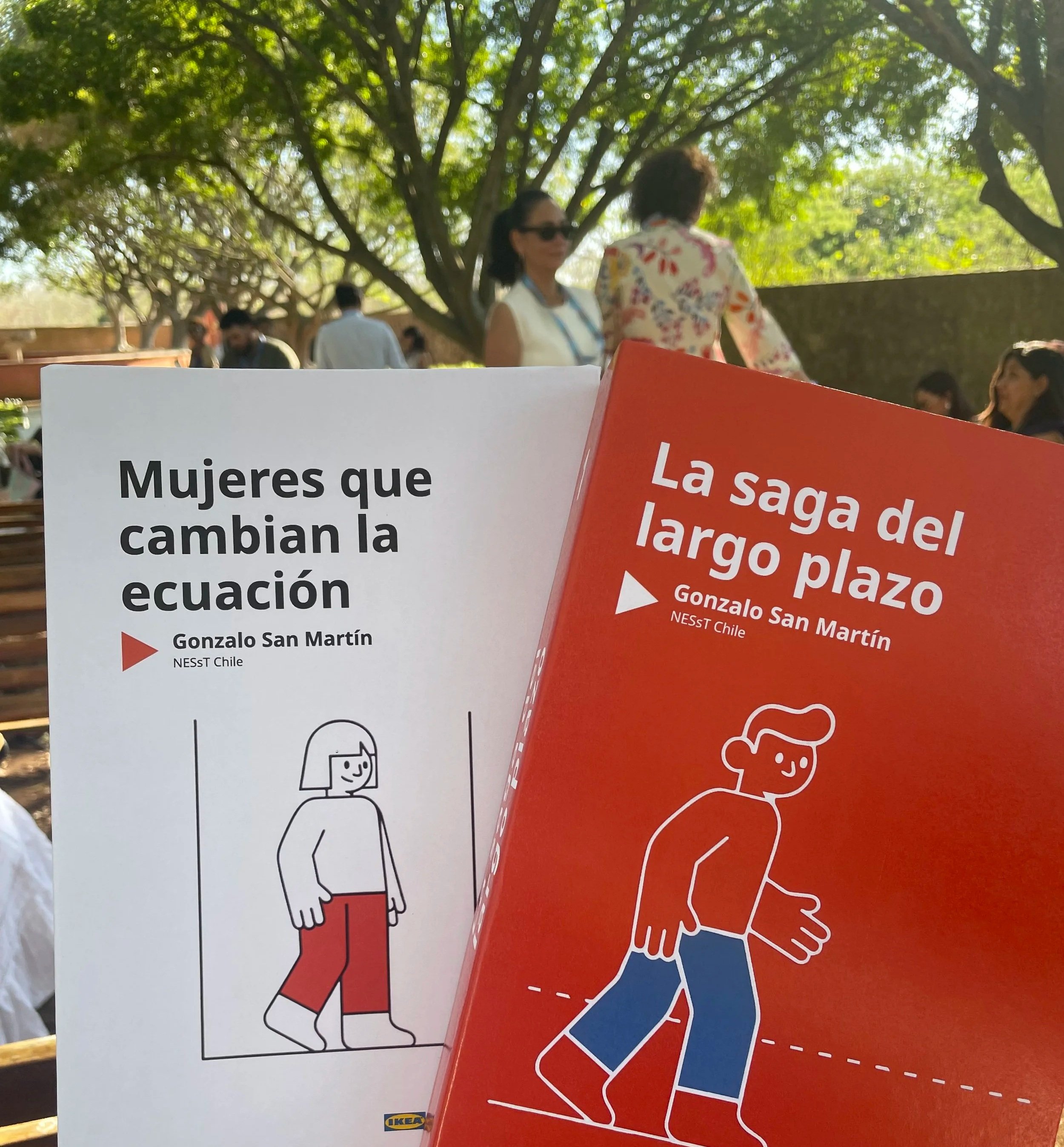
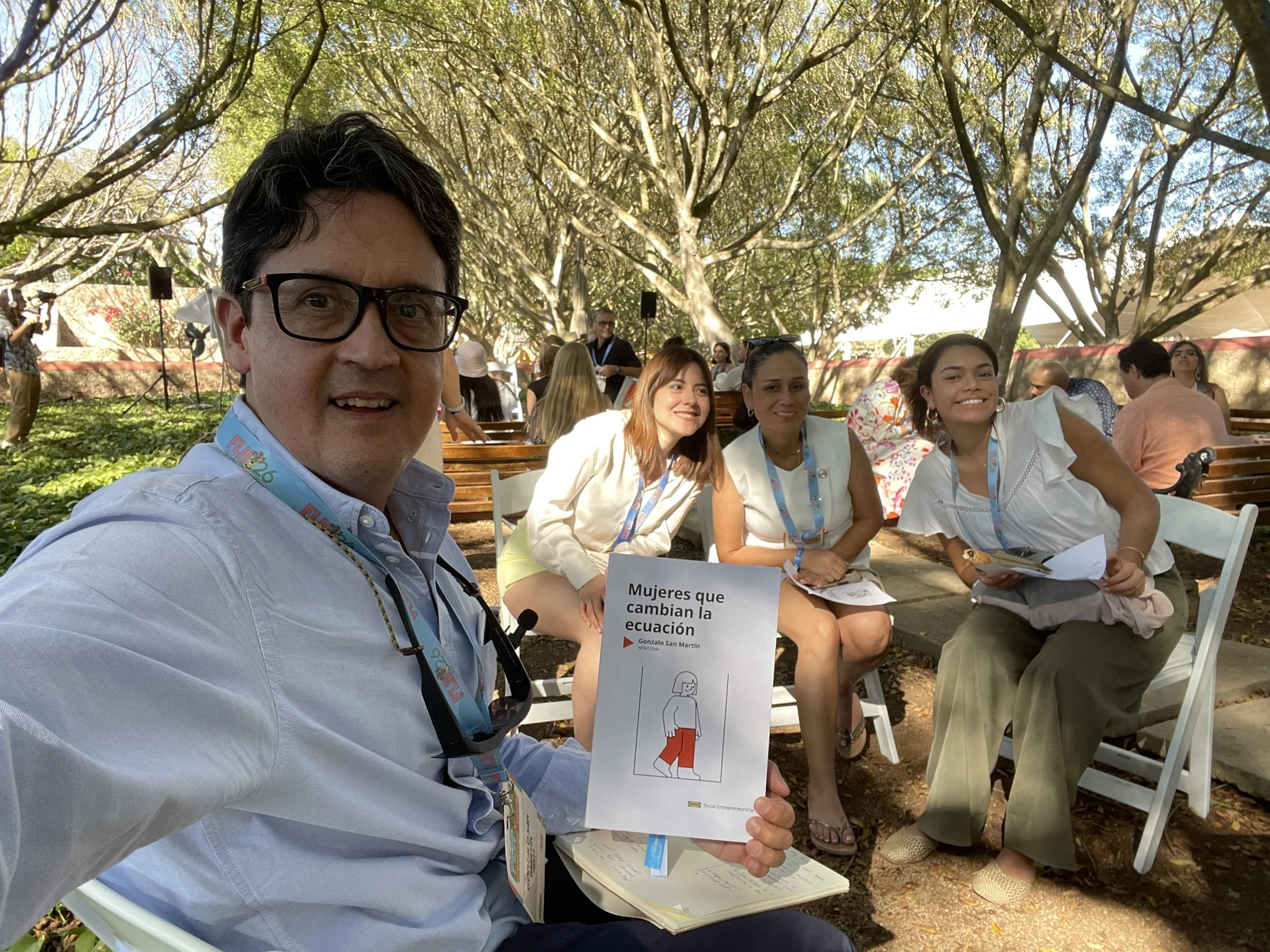
From 24-26 February 2026, our Country Director in Chile Gonzalo San Martín took part in FLII: Unlocking the Impossible. He joined representatives from IKEA, New Ventures, and La Mano del Mono in the library-themed interactive session, “Books in Conversation with IKEA Social Entrepreneurship: Human stories for unlocking the impossible” where speakers served as open books on social entrepreneurship, impact measurement and management, cross-sector partnerships, and more.
As we kick of Women’s Month, we caught up with Gonzalo after FLII to discuss serving as the human book “Women that Change the Equation”, which relates NESsT’s journey in gender-lens investing and his own experience strengthening the gender balance in Chile’s portfolio.
You recently attended FLII in Mérida, Mexico. What was the experience like, and what does this year’s theme, “Unlocking the Impossible,” mean to you?
This was my third time attending FLII in Mexico, and once again I left energized by the growth of the impact investing sector, but mostly by the diversity of voices in the room, from grassroots leaders to global investors, all grappling with how to channel capital in more meaningful ways to those who need it most.
What stands out to me is the openness of FLII’s organizers to challenge who gets to participate in shaping the future of finance, which is something we take seriously in our work at NESsT. In a way, “Unlocking the Impossible” captures this collective call to action to shift mindsets, rethink traditional financing structures, and bring creative solutions to inclusivity.
One book you represented at IKEA Social Entrepreneurship's library-themed discussion was, “Women who are changing the equation”. Tell us, what is it about?
This book tells the stories of women-led enterprises in our portfolio that are transforming their communities. Through NESsT’s work, it shows different ways to support greater equality, and how a gender approach is not just a social cause, but a strategy for impact and resilience. Ultimately, it’s a story about equity, leadership, and building fairer economies.
And how exactly does a gender lens approach change results?
Because it changes decisions. When woman can take on leadership positions in business, particularly in rural contexts, Indigenous communities, or in situations of great vulnerability, companies move away from a growth-oriented mindset to a more long-term approach – one that strengthens communities, redistributes opportunities, and builds networks. What we've learnt is that many times women play a significant role, even influencing decision making, but that role is not formal and therefore less visible. In practice, companies led by women prioritize stability, governance and trust-based relationships – all key in volatile situations.
At NESsT, our gender lens investing approach – which we have been refining since 2021 - is not only about selecting and investing in women-led businesses. It means asking how power is distributed, who has access to income, who makes decisions, and who benefits from growth.
Supporting women is not a cause separate from business. It’s a different way of doing business.
“Companies led by women prioritize stability, governance and trust-based relationships – all key in volatile situations.”
Based on your experience supporting social enterprises at NESsT, what barriers persist for women?
Women face structural and cultural barriers that range from unequal access to financing and business networks to a disproportionate burden of unpaid work and less visibility in decision-making spaces. Many women entrepreneurs we’ve worked with must have to do double the work to access half the amount of resources.
There are also more subtle biases: we see a strong presence of “masculine” ideals in leadership positions. In many rural cooperatives and associations, women often participate in production, but not in strategic decision-making.
The ecosystem, how we invest, how we measure impact, and how we accompany these companies has a huge effect on overcoming these barriers.
In Chile, for example we recently partnered with the women’s business network Mujeres Empresarias to strengthen our gender lens work in Chile, reaching more women entrepreneurs and ensuring they have access to capital as well as business support tailored to their experience. Thanks to that, we have identified a couple of candidates for our portfolio that we are currently assessing through due diligence.
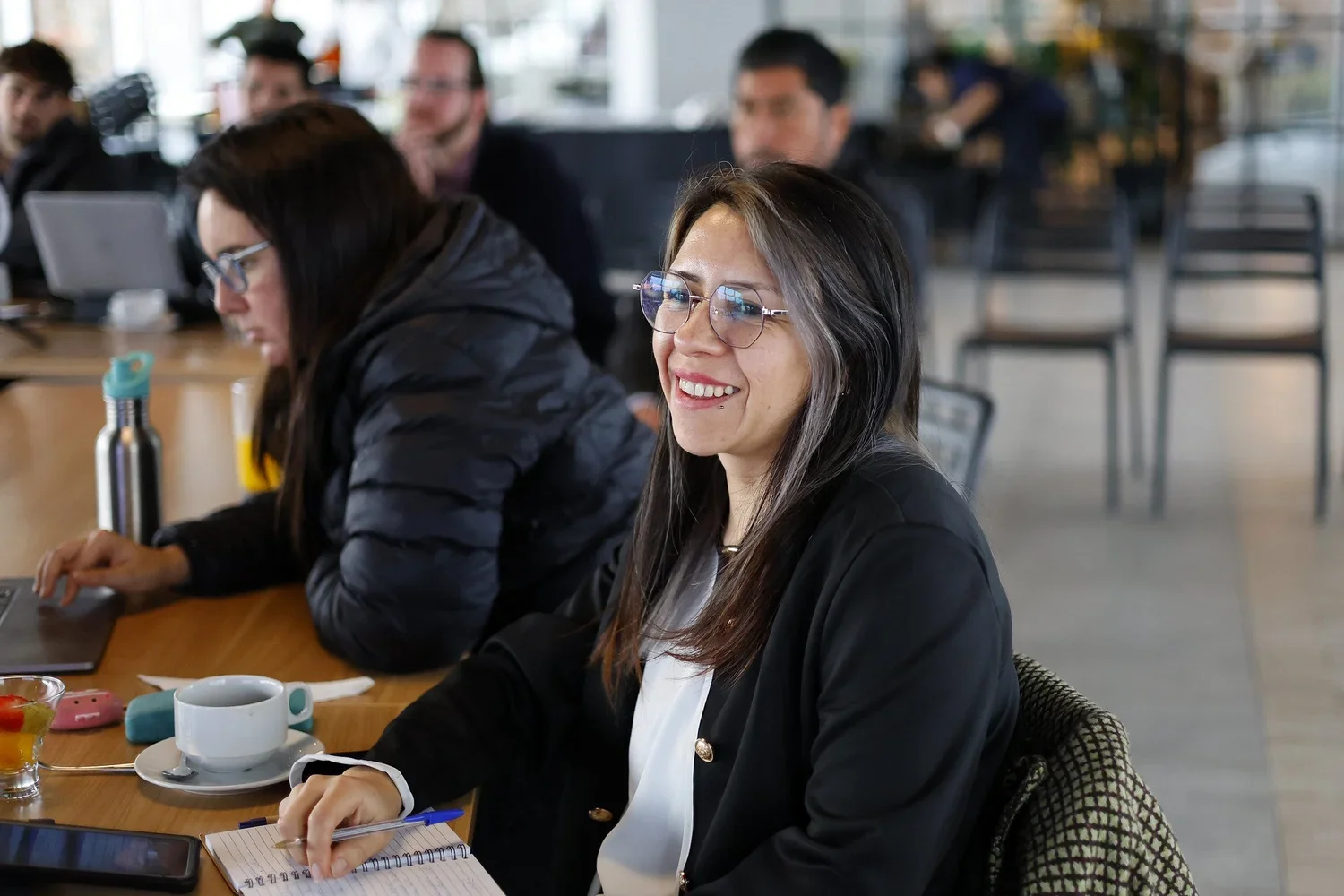
NESsT and Mujeres Empresarias Join Forces to Support Women Entrepreneurs in Chile
Read more (available in Spanish)
What have you learned personally as an ally to women?
I’ve learnt that supporting women is not speaking on their behalf but creating favourable conditions for them to lead. A gender lens approach is a daily practice and is put into practice in how we assign capital, who we choose to sit on our investment committees, how we design our impact indicators, and even how we facilitate meetings.
For example, I’ve personally learnt to listen more and understand that many dynamics we consider to be “neutral” are in fact not. Neutrality favors those who already have an advantage.
“I’ve learnt to listen more and understand that many dynamics we consider “neutral” are in fact not. Neutrality favors those who already have an advantage.”
Perhaps the most important thing I’ve learned throughout my work at NESsT is that when women change the equation, the results are not only fairer, but also more solid. Equity doesn’t weaken a business, it strengthens it.
Learn more about our work to support women-led companies here: