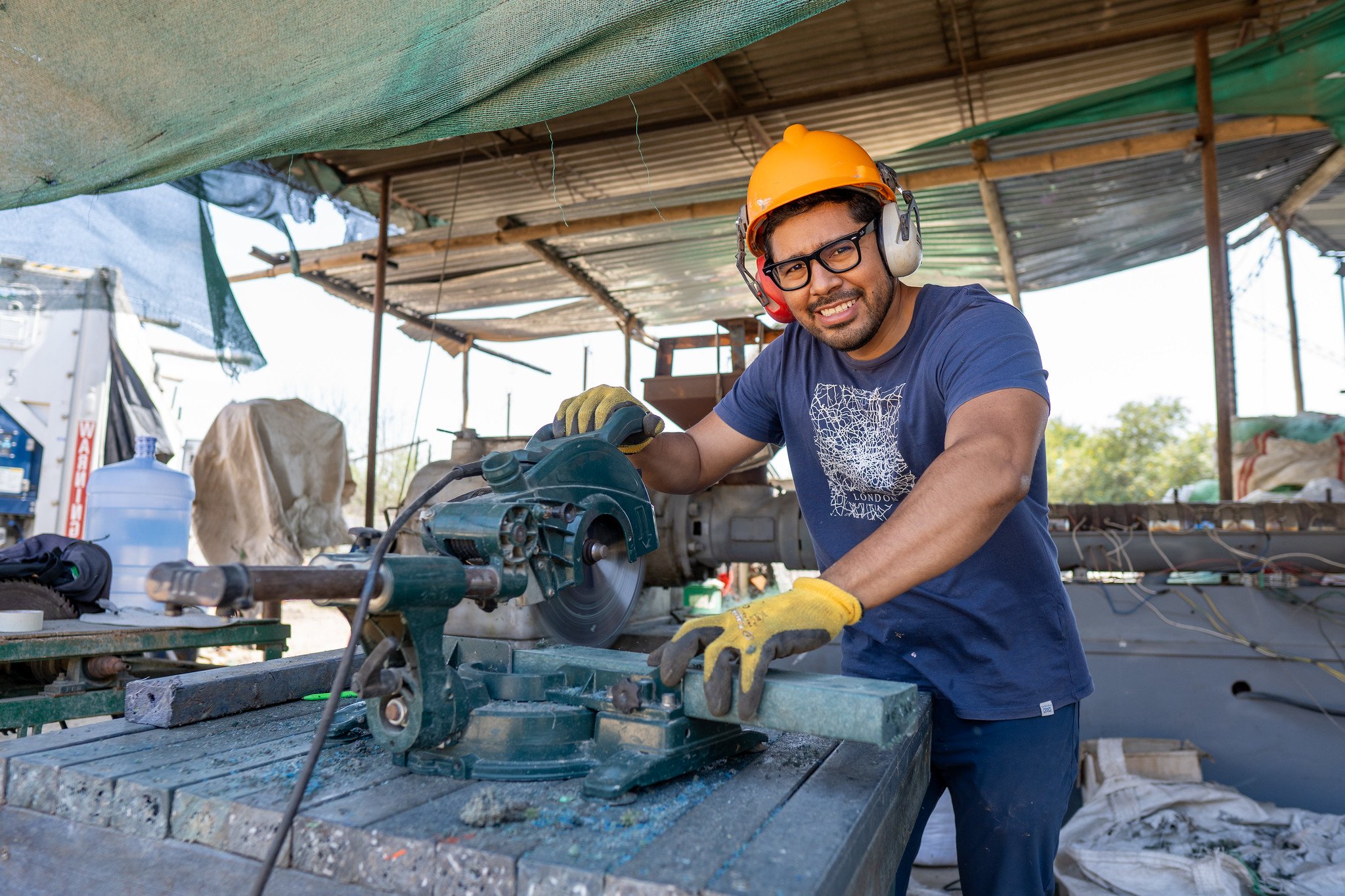
After overcoming one of the most challenging periods in its history, Plastic Corporation emerged stronger with a circular economy model that benefits agricultural producers, recyclers, and local communities alike. Discover how the Peruvian social enterprise is turning agricultural plastic waste into decent jobs, new income opportunities, and positive environmental impact.
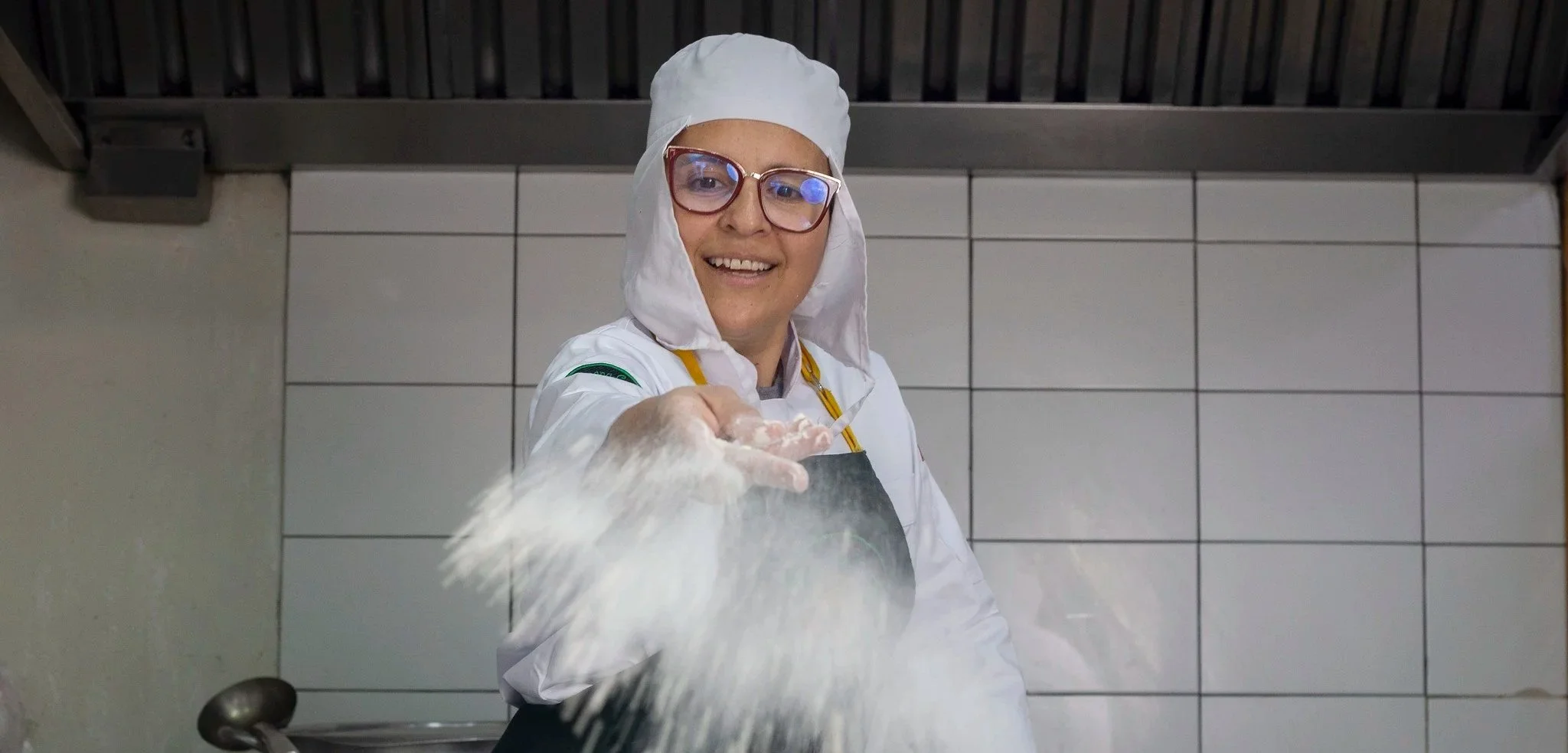
Empanacombi Graduates from the NESsT Portfolio, Ready to Expand Its Impact
After five years in the NESsT South America Accelerator program, Empanacombi graduates from the NESsT portfolio with a stronger business model, diversified revenue streams, and an expanding social impact. Discover how the enterprise turned challenge into opportunity while advancing inclusive employment for people with disabilities in Peru.
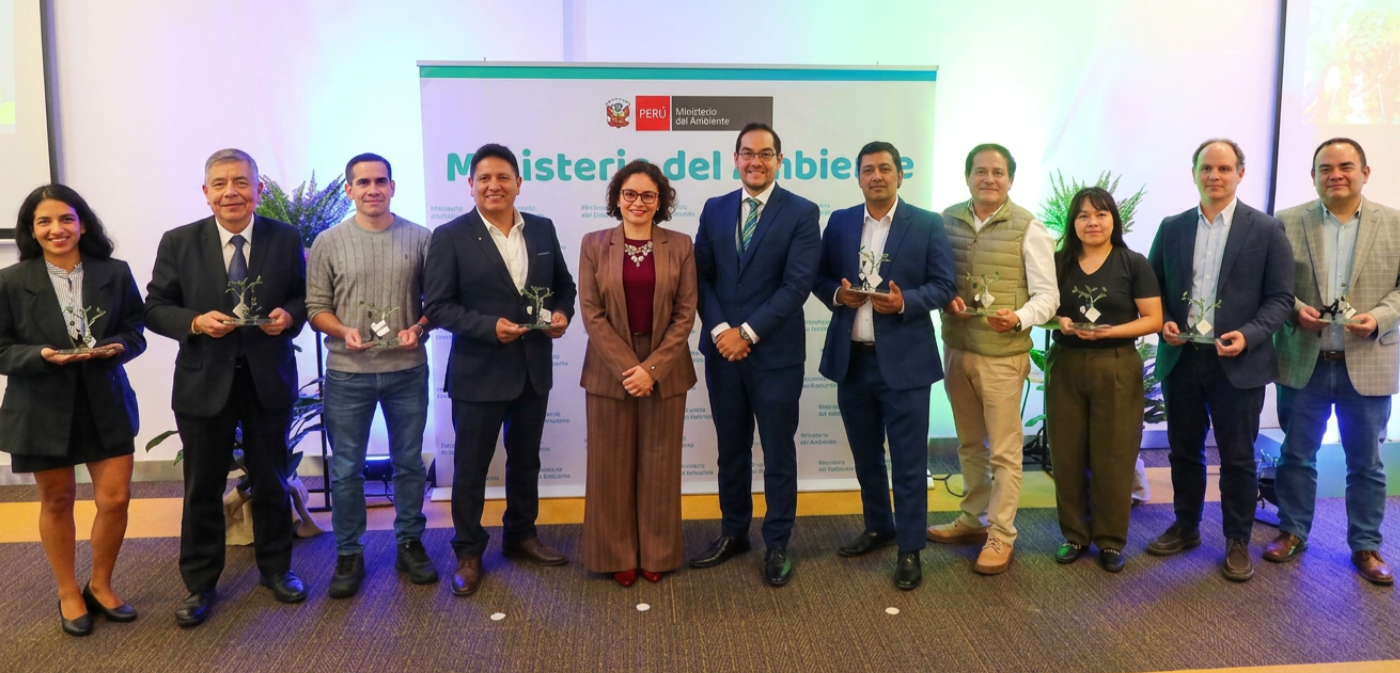
NESsT is recognized among impact investors driving biodiversity-based solutions in Peru
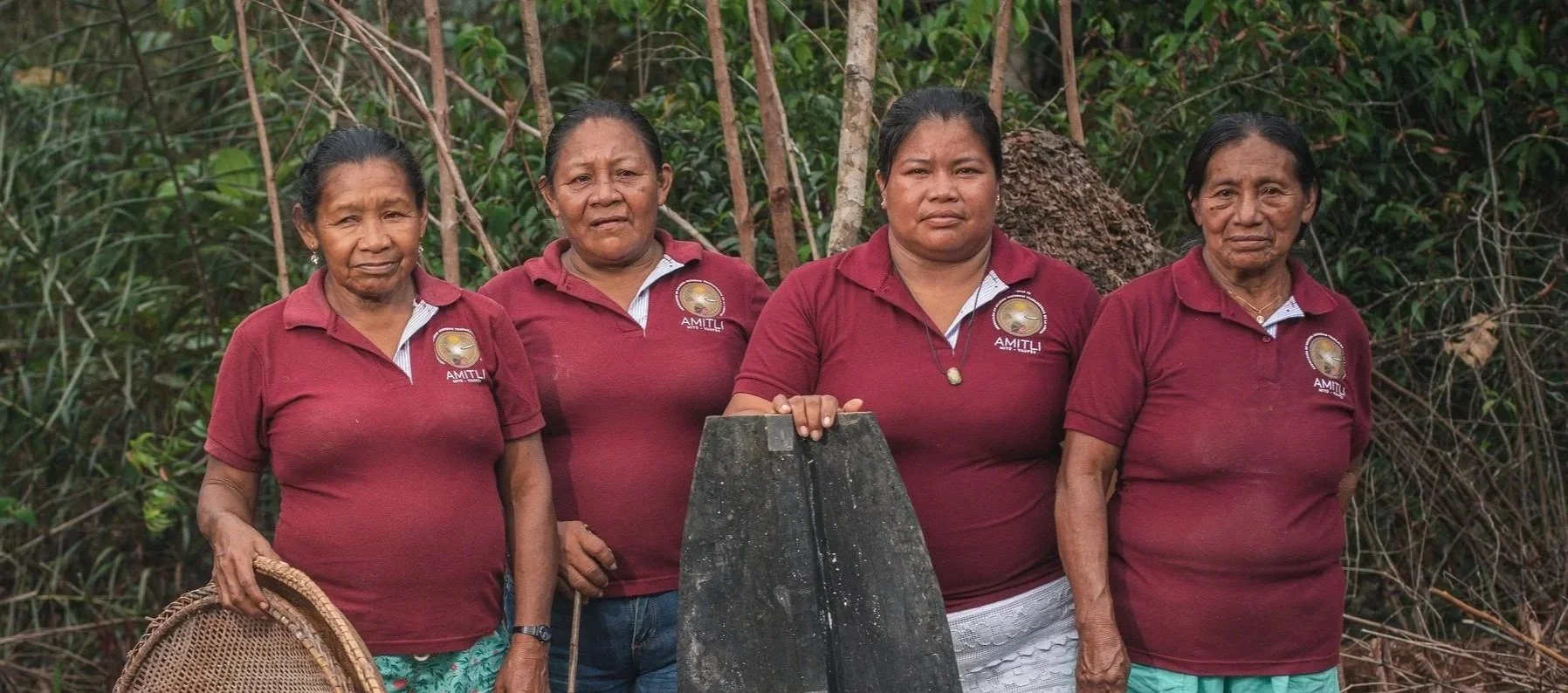
Women's Month: Inspiring the next generation of Indigenous women with Lida Medina, Founder of AMITLI
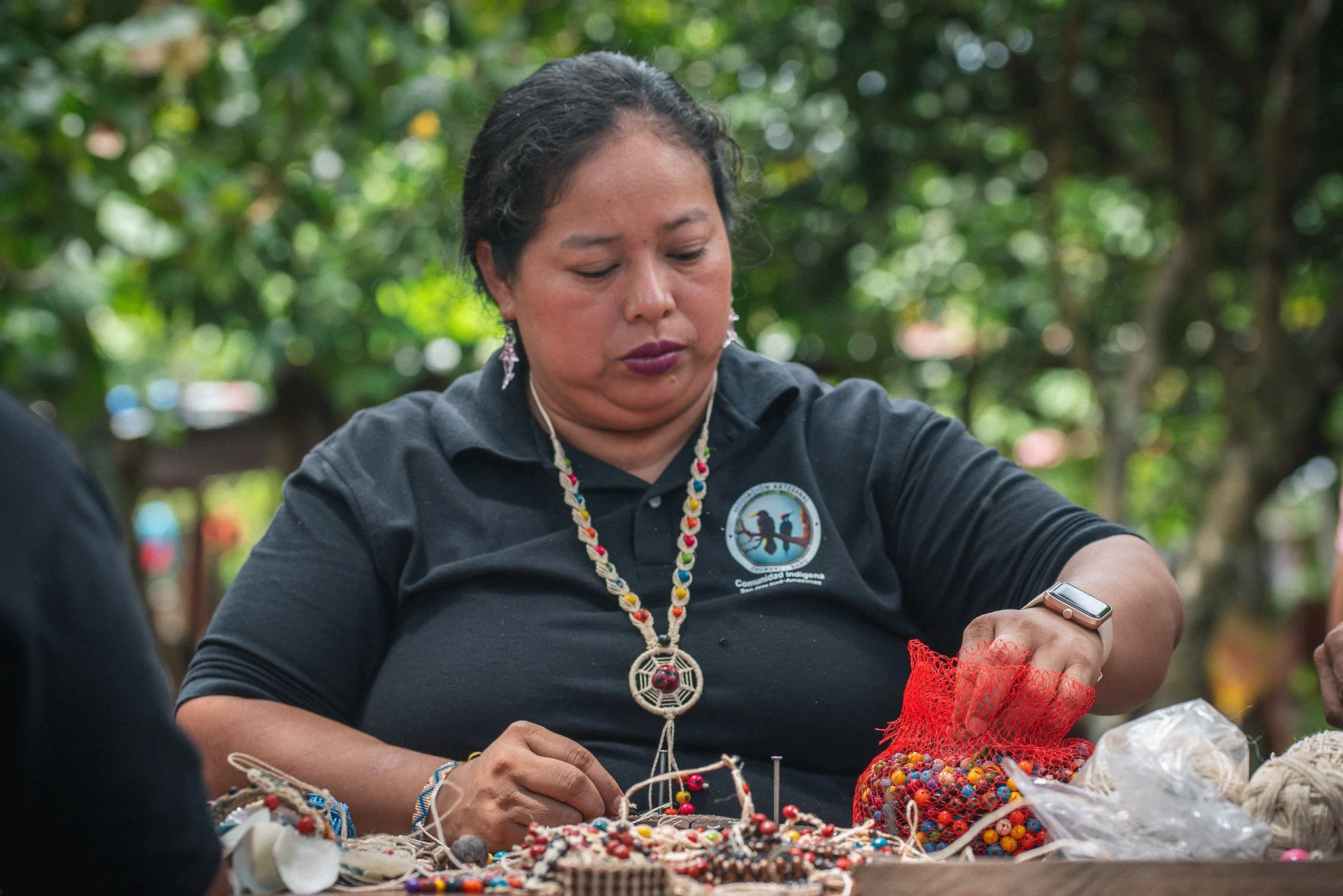
Meet Lida Medina, Indigenous entrepreneur from Vaupés, Colombia. For years, she and the women of her territory occupied a secondary place in community life, with most of their roles centred on domestic work and limited participation in public spaces. One day, she realized that the change she was waiting for needed to come from within, and so she proposed something radically different: What if the women of her community came together, formed an association, and took ownership of their futures?
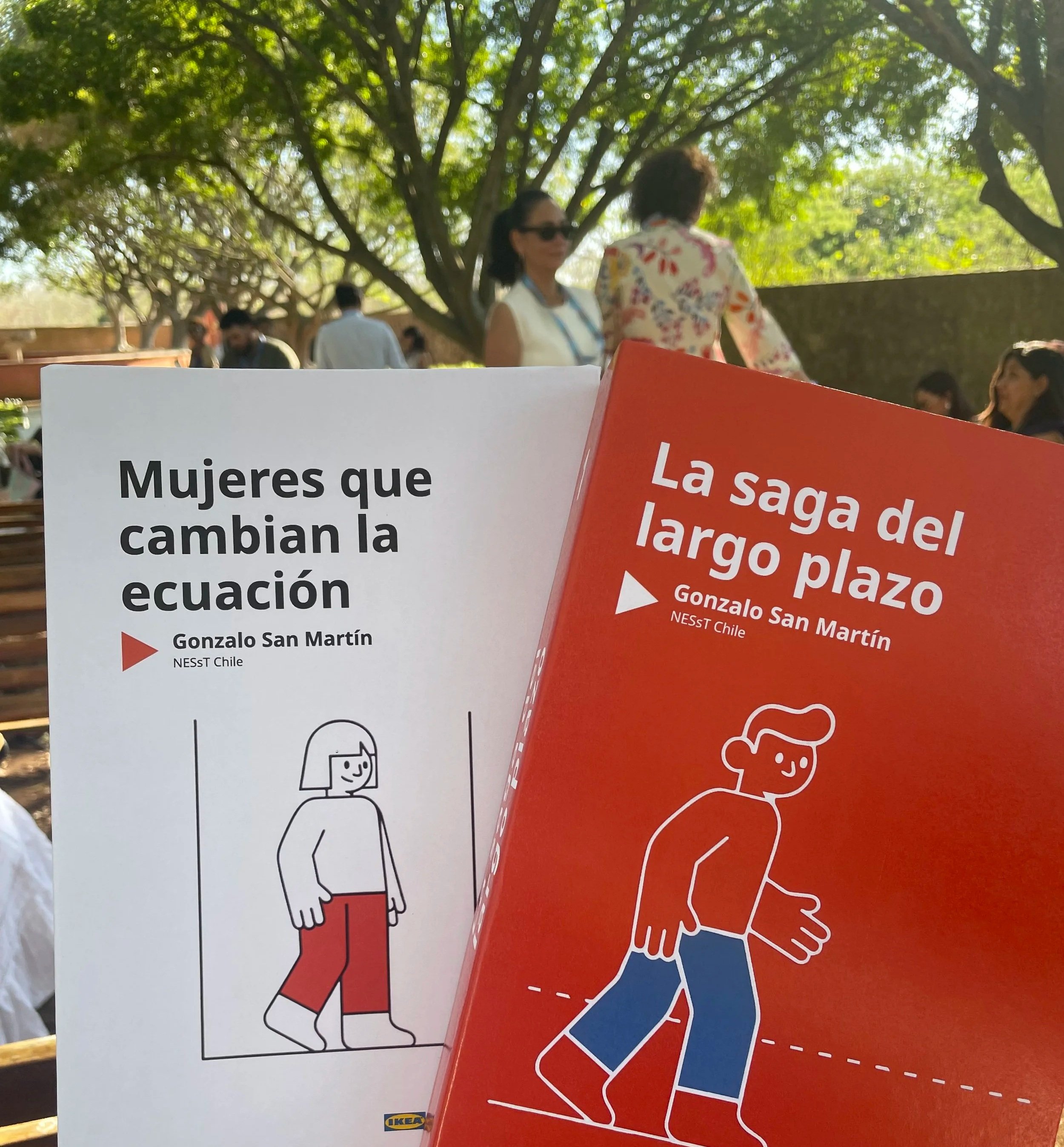
FLII 2026: Women who are changing the equation
Women continue to face structural and cultural barriers that range from unequal access to financing and business networks to a disproportionate burden of unpaid work and less visibility in decision-making spaces. We caught up with Gonzalo San Martín of NESsT Chile about participating in FLII as the “human book” Women that are changing the equation, where he shared NESsT’s journey in gender-lens investing and his own experience strengthening the gender balance in Chile’s portfolio.
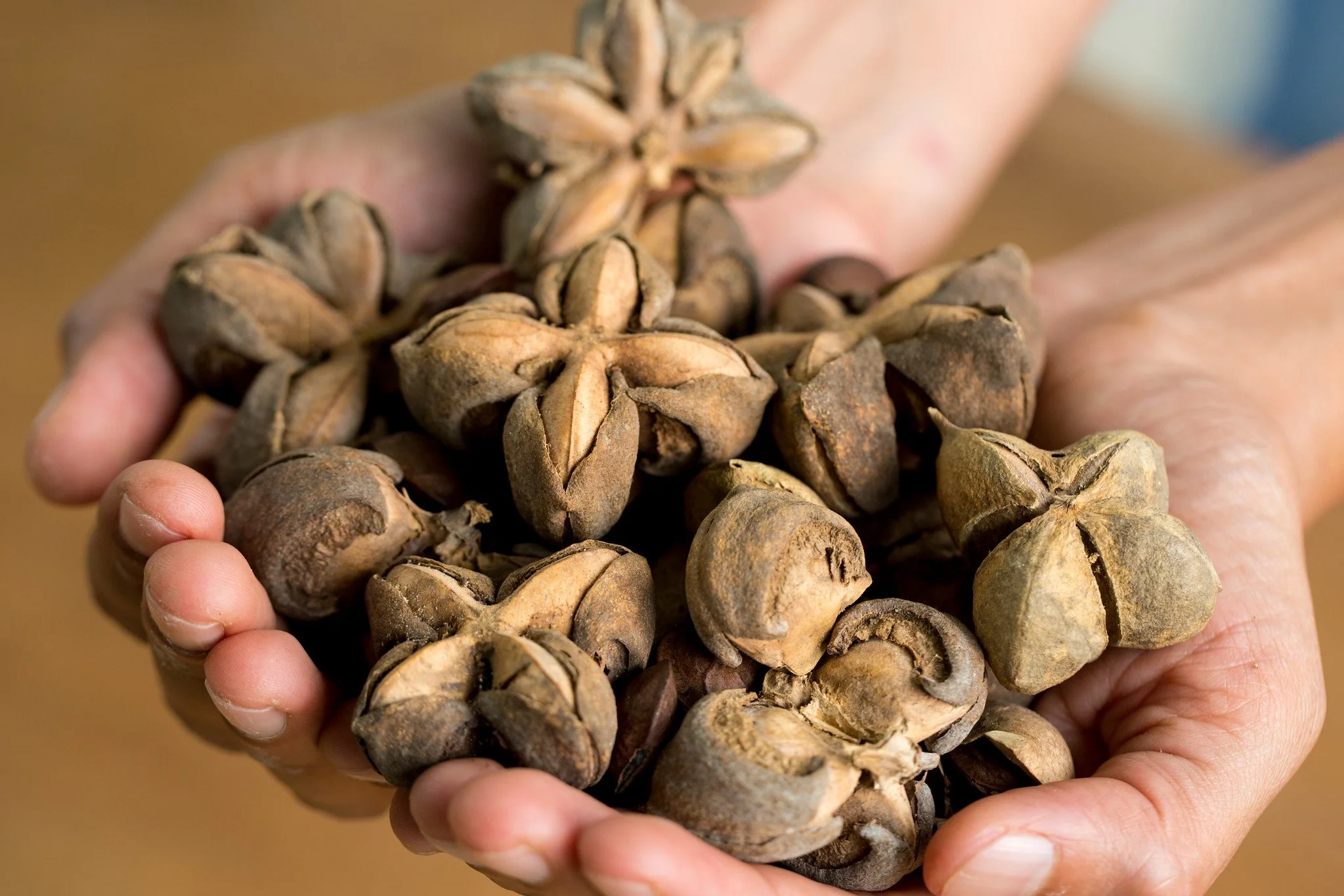
Women's Month: Creating opportunities with co-founder of Bioincos, Yuli Rodríguez
Born in Putumayo, Colombia, BioIncos co-founder Yuli Rodríguez has pride in the territory that raised her and the opportunity to create dignified work among the biodiversity that exists there. When they first started BioIncos and began sourcing cacay from local communities to transform it into a natural oil, very few producers believed they had a valuable product that others would be willing to purchase. Read their story here.
The NESsT Lirio Fund Disburses Over $20 Million USD, Improving Livelihoods and Protecting the Environment Across Brazil, Colombia, and Peru
The Lirio Fund reinvests in organic cooperative COAS to ensure steady income for close to 600 smallholder producers in Junín, Peru
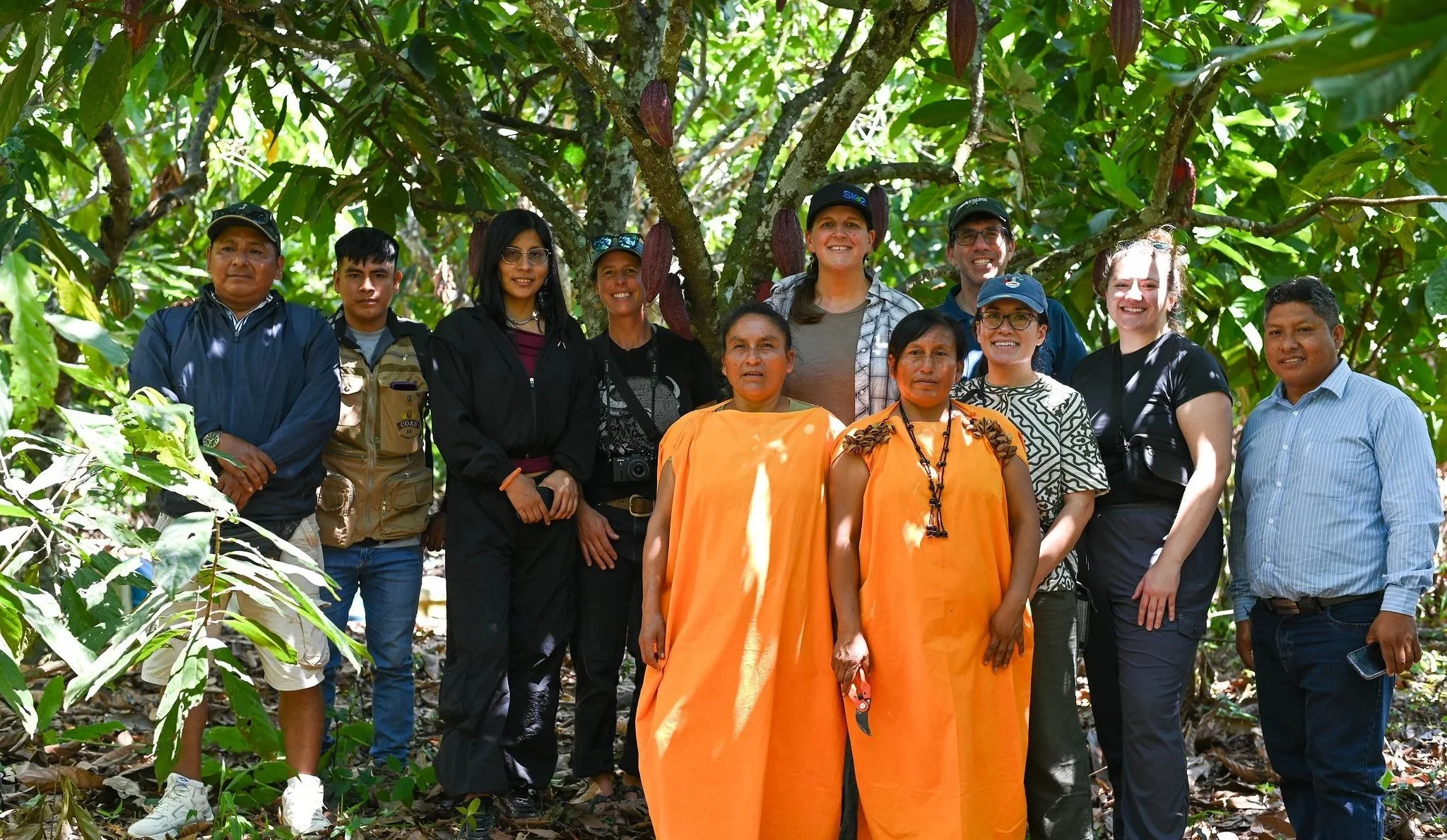
Cooperativa Agraria Sonomoro del Vraem (COAS) joined the NESsT Lirio Fund in 2023 and has since received a revolving capital line of credit and a term loan to scale its cacao production, ensure steady income for its cacao producers, and strengthen its commitment to conserving local biodiversity. Based on the cooperative’s strong track record of sustainable operations in a volatile market, in 2025, NESsT renewed the cooperative’s revolving credit loan, ensuring it can continue to pay local producers for raw cacao while meeting the rising global demand for high-quality cacao.
The NESsT Lirio Fund Invests in Federación Campesina del Cauca, a Long-Standing Coffee Cooperative in Colombia
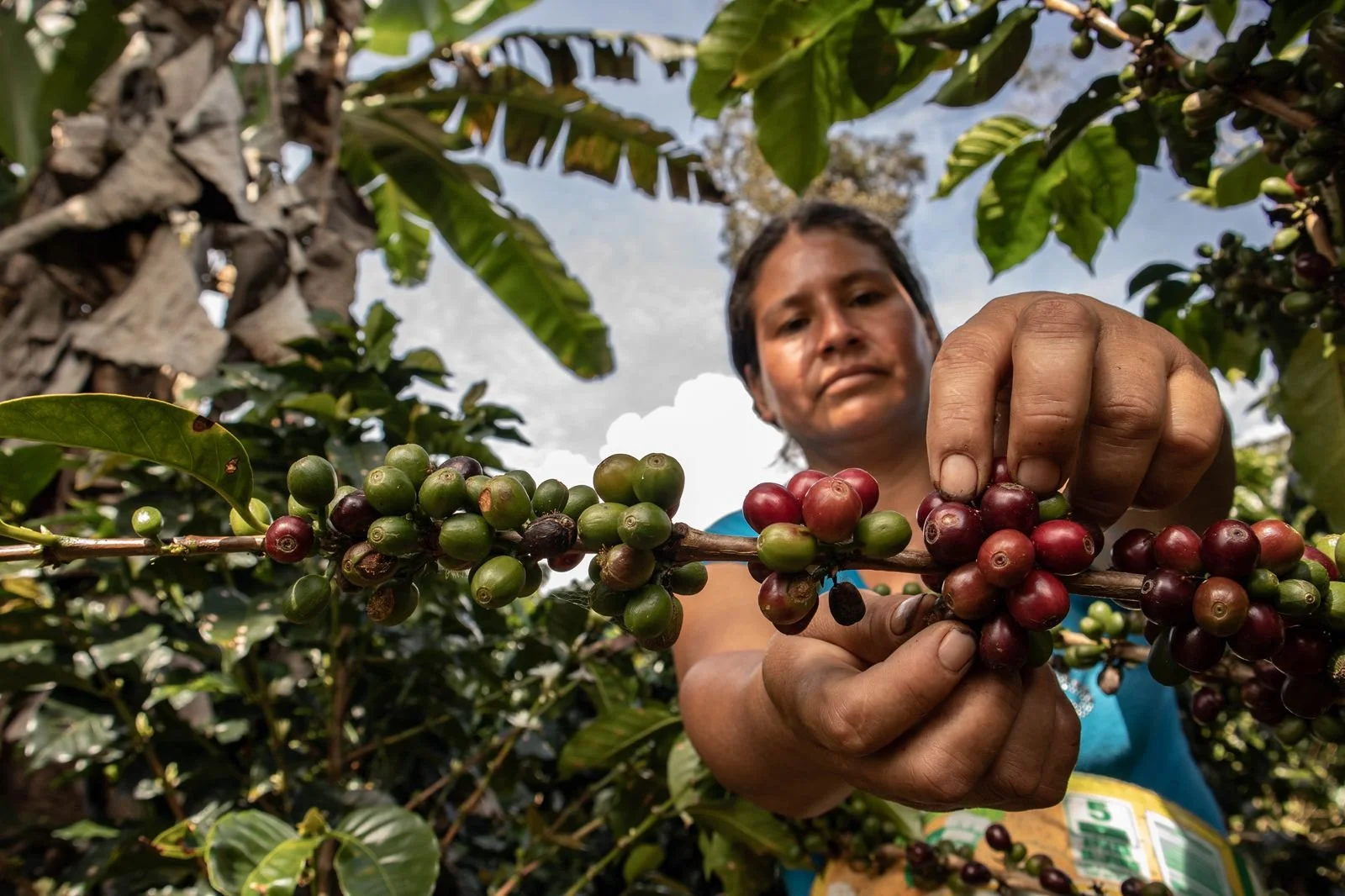
For over 50 years, FCC has worked to improve the livelihoods of small farmers in an area of Colombia greatly affected by armed violence. The NESsT Lirio Fund extends a revolving working capital line to this long-standing federation of coffee growers, complementing the strategic support it receives as part of the NESsT Acceleration Portfolio.
From Territories to Global Decisions: Communities at the Forefront of the Socio-Bioeconomy
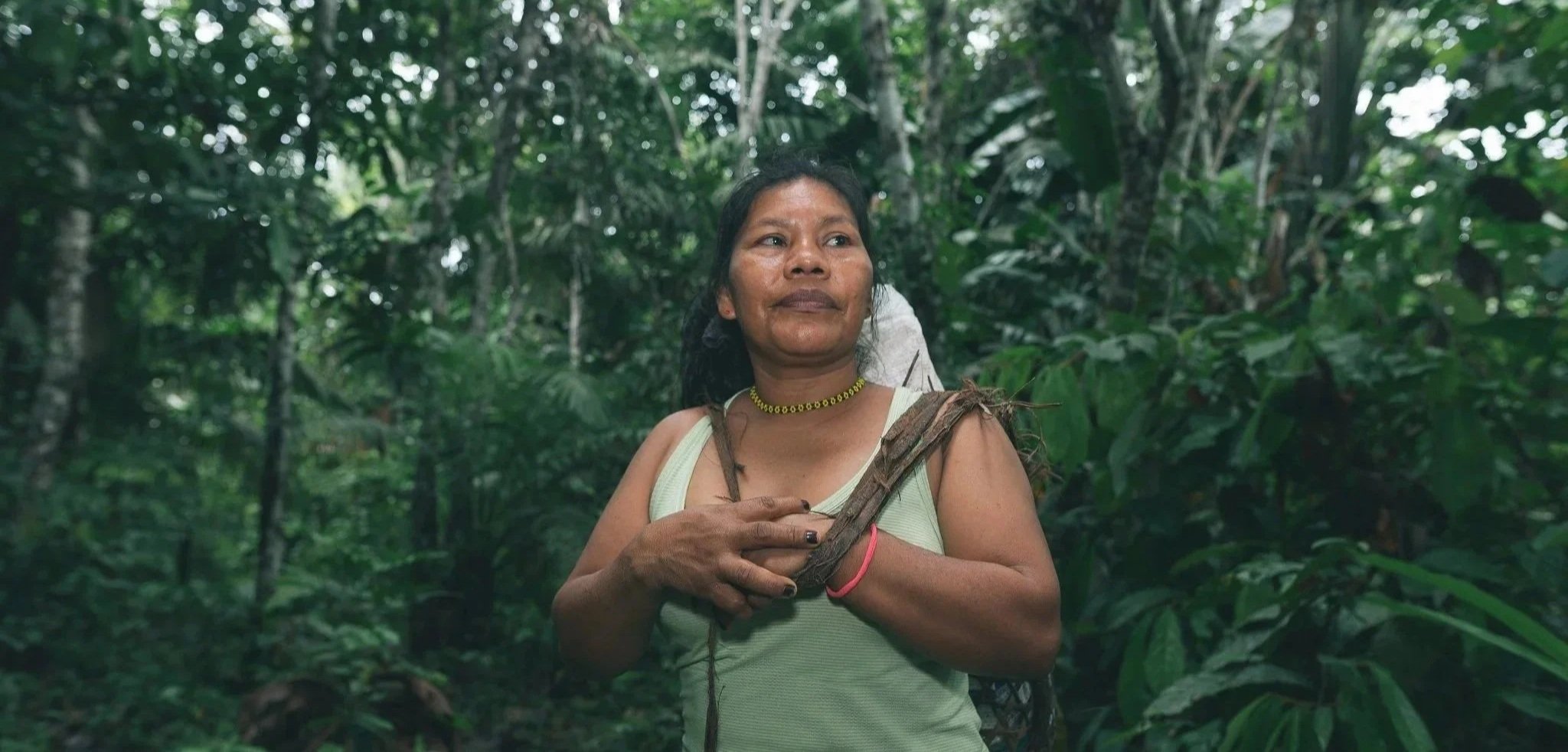
Indigenous Peoples remain largely underrepresented in global decision-making spaces — revealing a contradiction between their leading role in protecting nature and their absence from the forums where environmental and economic policies are defined. This exclusion is no coincidence: it reflects historical, linguistic, financial, and political barriers that limit the access of those who live in and protect the territories to the tables where the future of biodiversity and the economy is decided.