
Amazonia

World Environment Day: How Indigenous-led enterprise Ruku Kawsay is conserving biodiversity and building sustainable livelihoods through the Amazonian chakra

World Environment Day: How Indigenous-led enterprise Ruku Kawsay is conserving biodiversity and building sustainable livelihoods through the Amazonian chakra

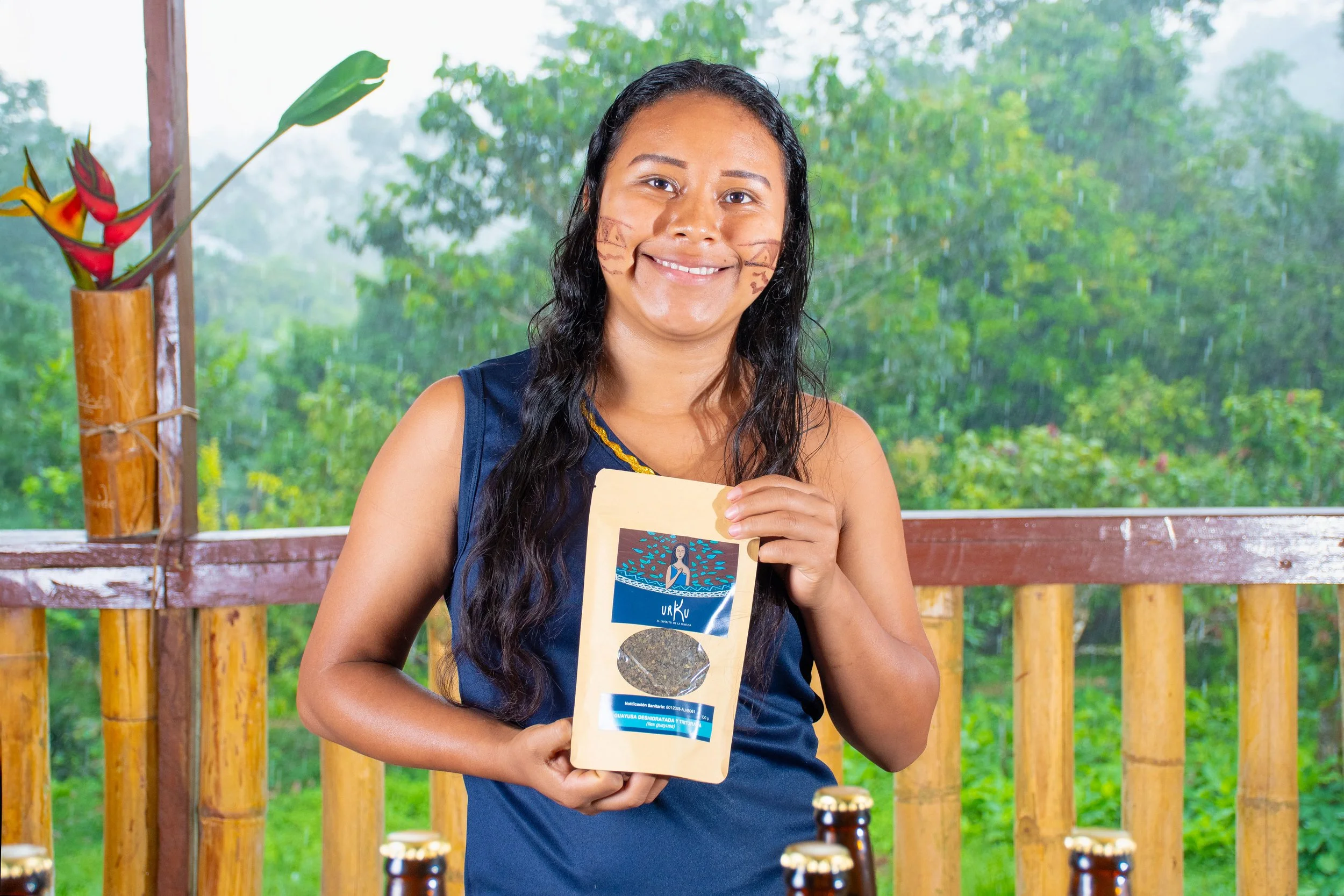
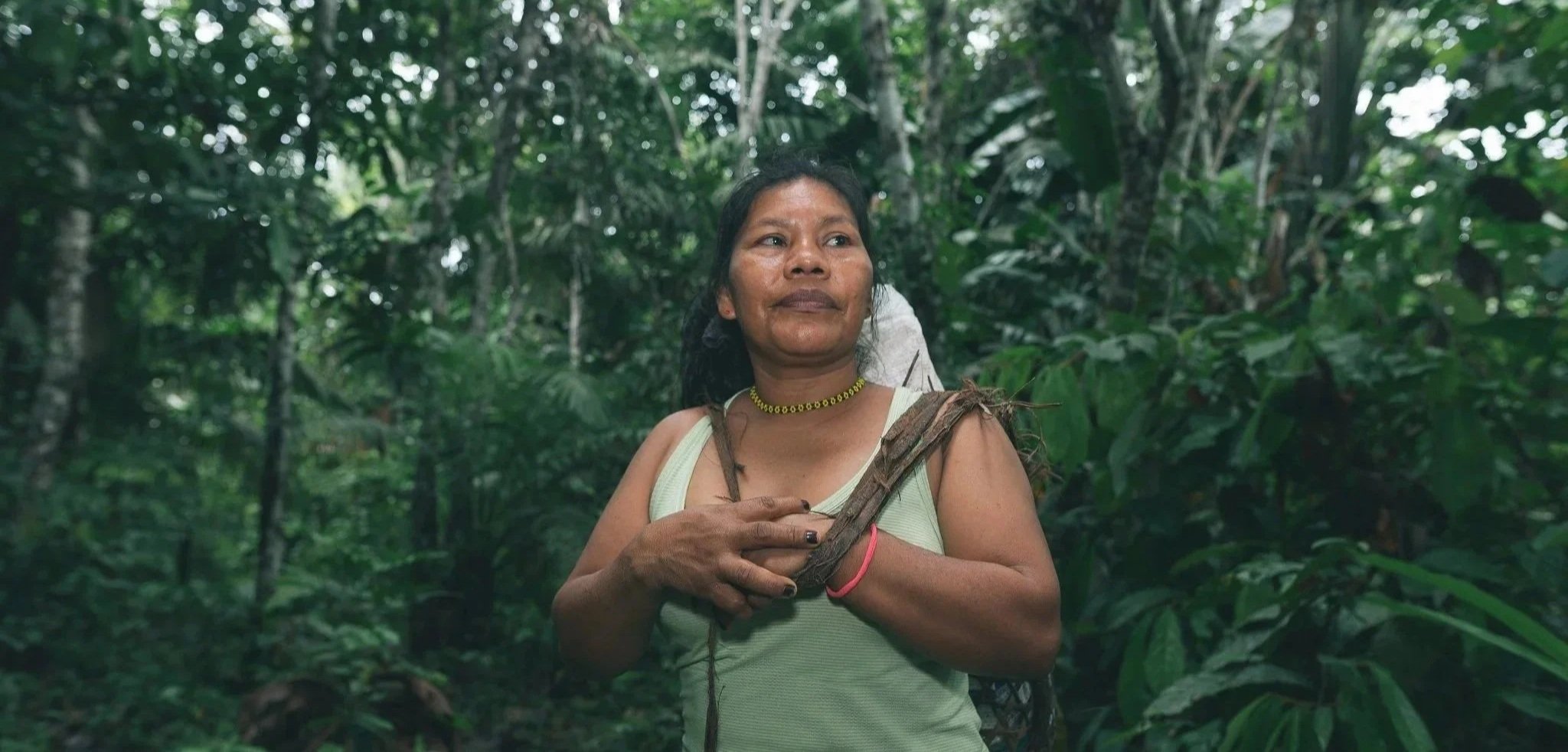
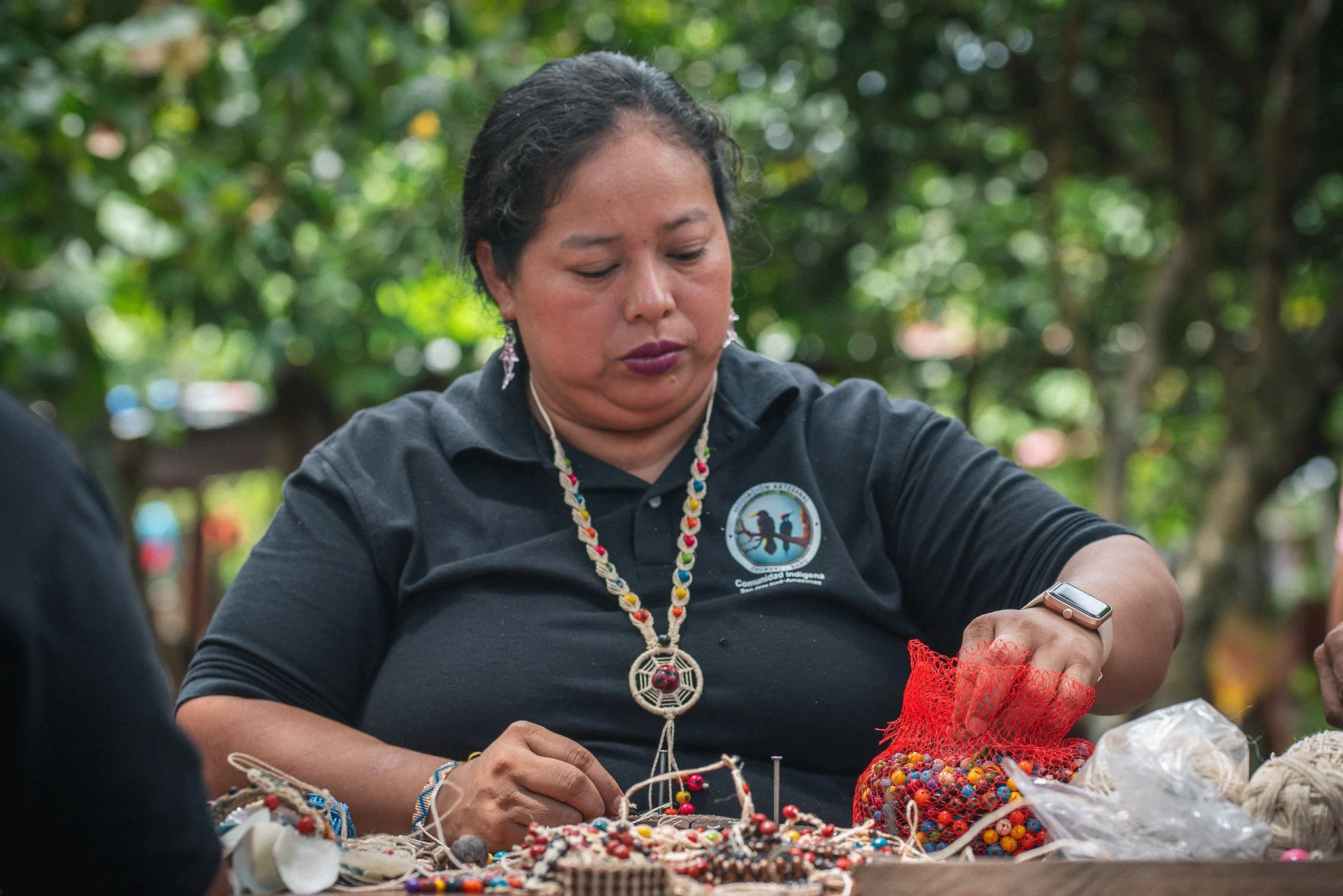
Indigenous-led enterprises in the Amazon are building livelihoods in ways that keep forests standing, drawing on knowledge that has guided life in relation to nature for generations. In the Ecuadorian Amazon, Kichwa-led organization Ruku Kawsay is just one example of how this works in practice, ensuring stronger livelihoods and a standing forest through the traditional Amazonian farming system known as “chakra”.

From Territories to Global Decisions: Communities at the Forefront of the Socio-Bioeconomy

From Territories to Global Decisions: Communities at the Forefront of the Socio-Bioeconomy

Indigenous Peoples remain largely underrepresented in global decision-making spaces — revealing a contradiction between their leading role in protecting nature and their absence from the forums where environmental and economic policies are defined. This exclusion is no coincidence: it reflects historical, linguistic, financial, and political barriers that limit the access of those who live in and protect the territories to the tables where the future of biodiversity and the economy is decided.

Heading to COP30: Strengthening the Voices and Solutions of Amazonian Territories

Heading to COP30: Strengthening the Voices and Solutions of Amazonian Territories

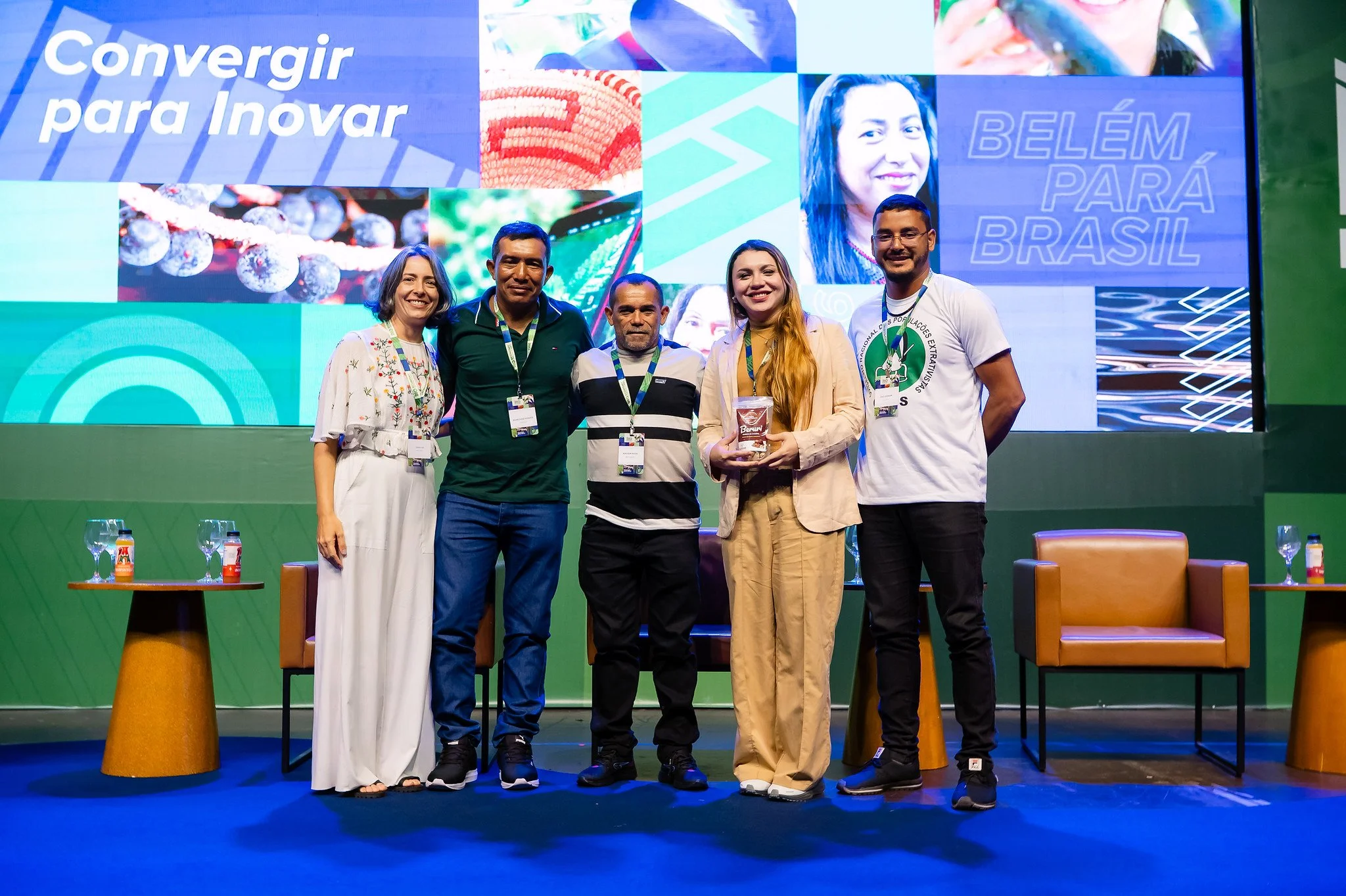
Beginning next week, NESsT will participate in COP30 Brazil, in Belém, Pará — a historic conference that will place the Amazon at the center of global climate discussions and mark the largest Indigenous presence ever recorded in UN negotiations. We will be there alongside entrepreneurs from our Amazon portfolio, bringing experiences born in the territories and showing that the most effective climate solutions come from those who live in and protect the forest.

Financing the Future of the Amazon: How to Unlock the Potential of the Socio-bioeconomy with Credit and Public Policies

Financing the Future of the Amazon: How to Unlock the Potential of the Socio-bioeconomy with Credit and Public Policies

Today, only a small share of the credit offered by financial institutions reaches those who protect the forest. If governments and multilateral organizations work together to change this, sustainable businesses can thrive — and so can the Amazon. 

The Future is Ancestral and Collective: Reflections and Voices from Impact Minds 2025 by Latimpacto

The Future is Ancestral and Collective: Reflections and Voices from Impact Minds 2025 by Latimpacto

In this article, Renata Truzzi, NESsT Chief Impact and Operations Officer, shares her reflections from Impact Minds 2025 by Latimpacto, weaving together her own insights with voices and stories from the event, showing how collective action, ancestral knowledge, and community-led approaches have the potential to shape the future of impact investing.

The NESsT Lirio Fund Renews Support for Three Enterprises Strengthening Sustainable Livelihoods in the Peruvian Amazon

The NESsT Lirio Fund Renews Support for Three Enterprises Strengthening Sustainable Livelihoods in the Peruvian Amazon

In the first half of 2025, Lirio Fund enterprises Kulkao, Lagunas de los Condores, and Pebani received repeat loans from NESsT, reflecting our continued confidence in the enterprises’ business models and impact. Read to learn more about their continued impact and growth as part of our fund portfolio.

NESsT Joins Conexsus, IDB, and Green Climate Fund to Scale Enterprises from the Sociobioeconomy Across the Pan-Amazon Region

NESsT Joins Conexsus, IDB, and Green Climate Fund to Scale Enterprises from the Sociobioeconomy Across the Pan-Amazon Region

NESsT announces today that it has joined the Sustainable Connections Institute (Conexsus), the Inter-American Development Bank (IDB), and the Green Climate Fund (GCF) in AmazonBeEco, an unprecedented four-year initiative to support the sociobioeconomy in the Pan-Amazon region.

How Streamlining Funding Application and Reporting Criteria can Improve Financing Accessibility for Grassroots Initiatives in the Amazon

How Streamlining Funding Application and Reporting Criteria can Improve Financing Accessibility for Grassroots Initiatives in the Amazon

In this blog, we speak with bioeconomy entrepreneurs to better understand the challenges they face when applying for funding from multiple sources. Read it now to learn how complex application criteria and reporting demands impact their businesses and explore actionable recommendations for how the funding community can help ensure more equitable, inclusive access to financing.