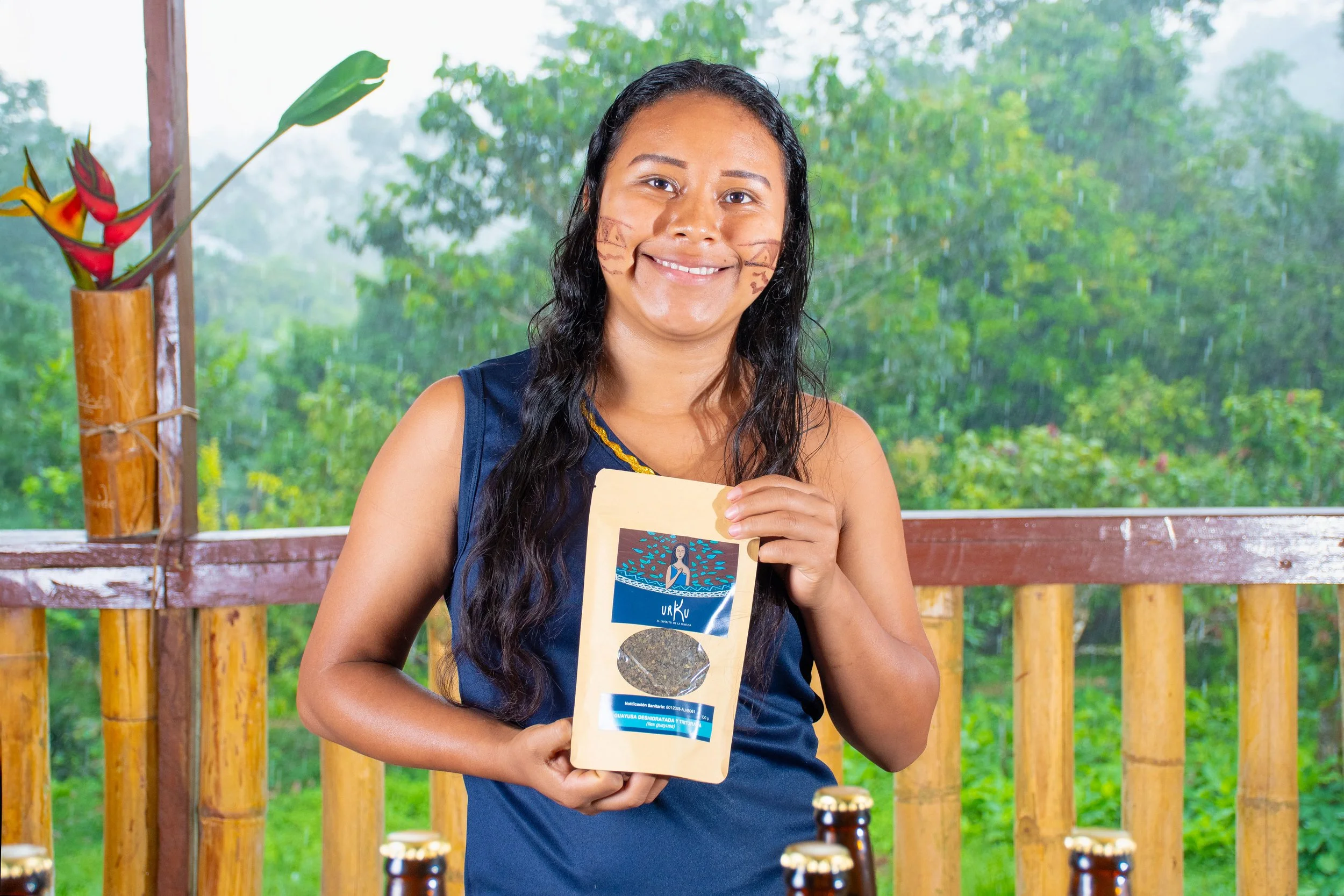
Indigenous-led enterprises in the Amazon are building livelihoods in ways that keep forests standing, drawing on knowledge that has guided life in relation to nature for generations. In the Ecuadorian Amazon, Kichwa-led organization Ruku Kawsay is just one example of how this works in practice. Through producing guayusa, it links conservation, living incomes, and ancestral practices through a traditional farming system known as the chakra. This World Environment Day, we’re looking at how the Amazonian chakra system works and how it contributes to ensuring stronger livelihoods and a standing forest.
Ruku Kawsay: sustainable production of guayusa
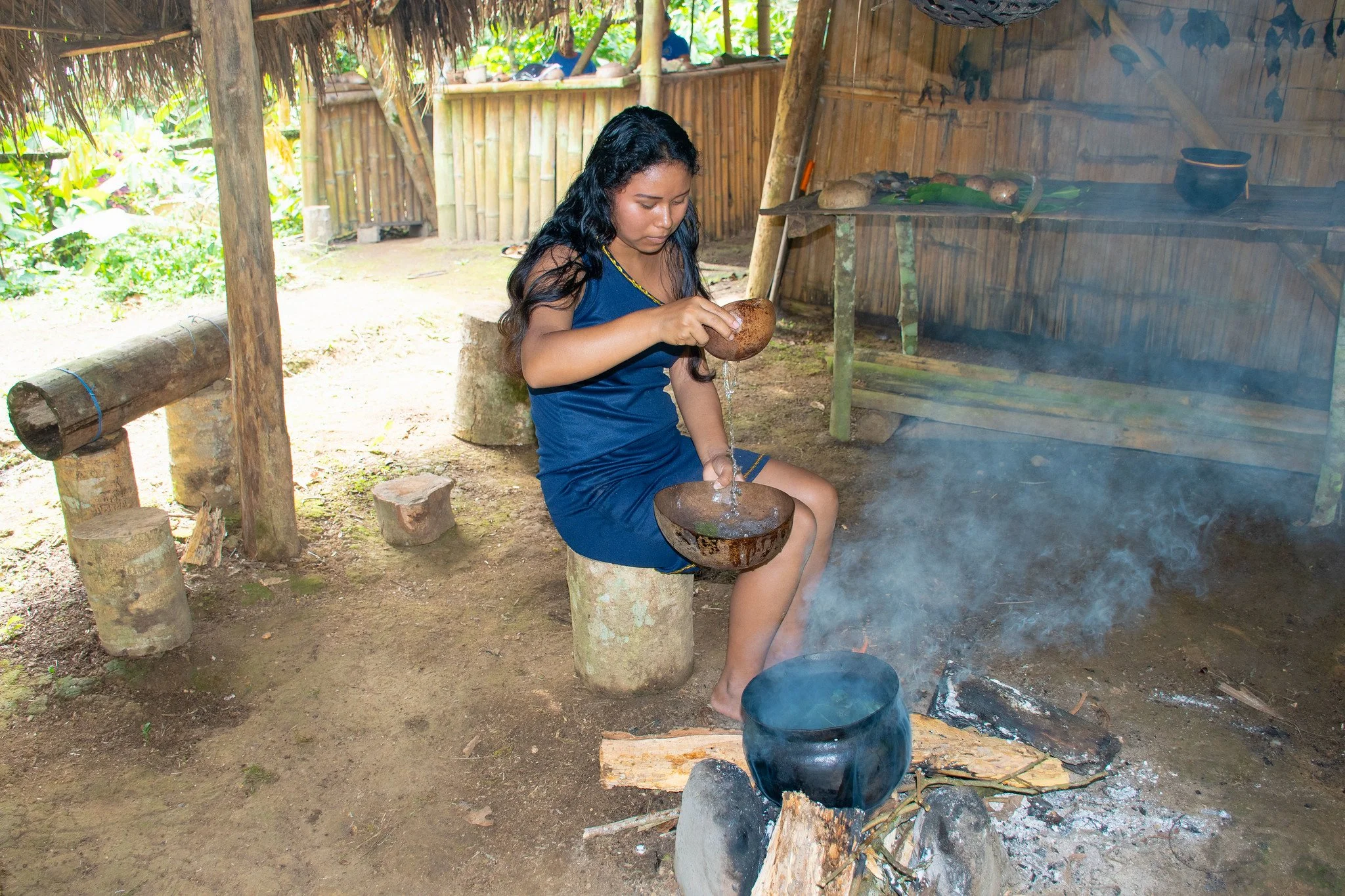
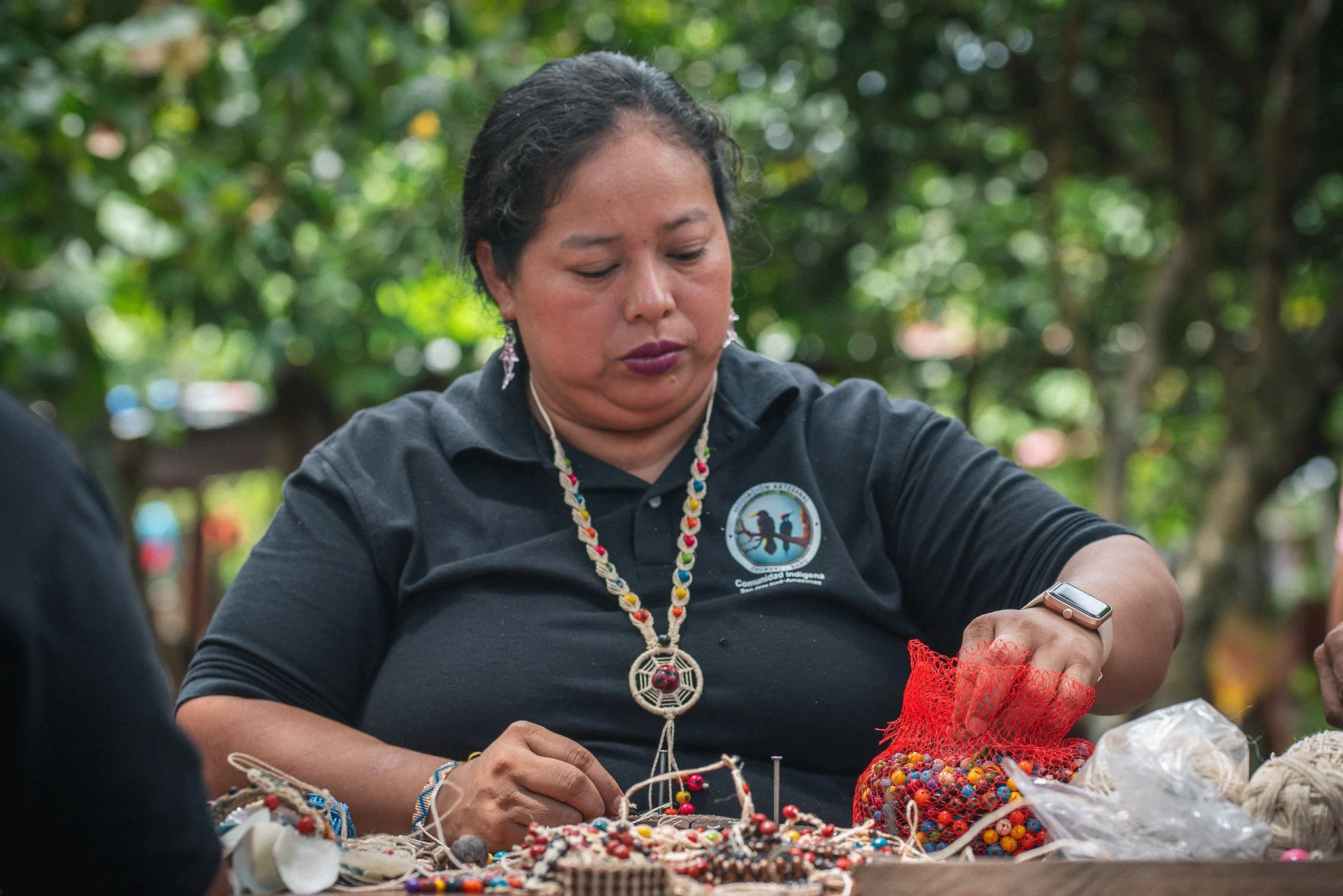
Ruku Kawsay member prepares guayusa in a traditional ceremony
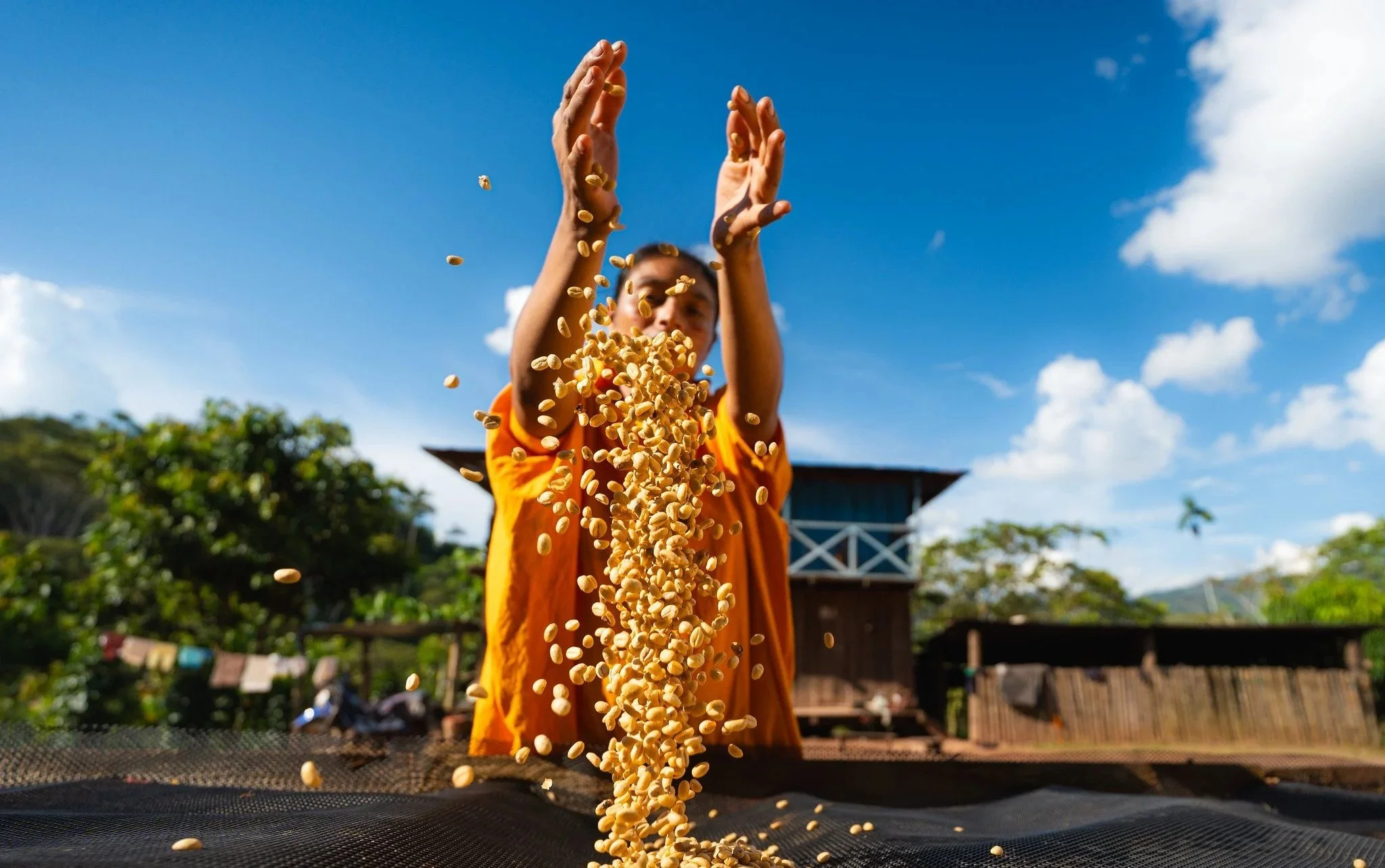
Based in Archidona, Napo in the Ecuadorian Amazon, Ruku Kawsay works with 375 producers from 14 communities in the cultivation, processing, and sale of guayusa (Ilex guayusa) – an ancestral Amazonian plant known for its natural energizing properties. Indigenous communities have consumed guayusa for generations, and today the plant is also reaching national and international markets.
“Guayusa is like a mother. It’s powerful; it gives us strength and energy to work. It also helps relieve pain. In our culture, we have always drunk it at 3 a.m.” Piedad Salazar, Ruku Kawsay producer
Over time, Ruku Kawsay has built two business lines: the sale of fresh guayusa leaves and the sale of value-added products such as beverages and dehydrated guayusa for infusions and teas.
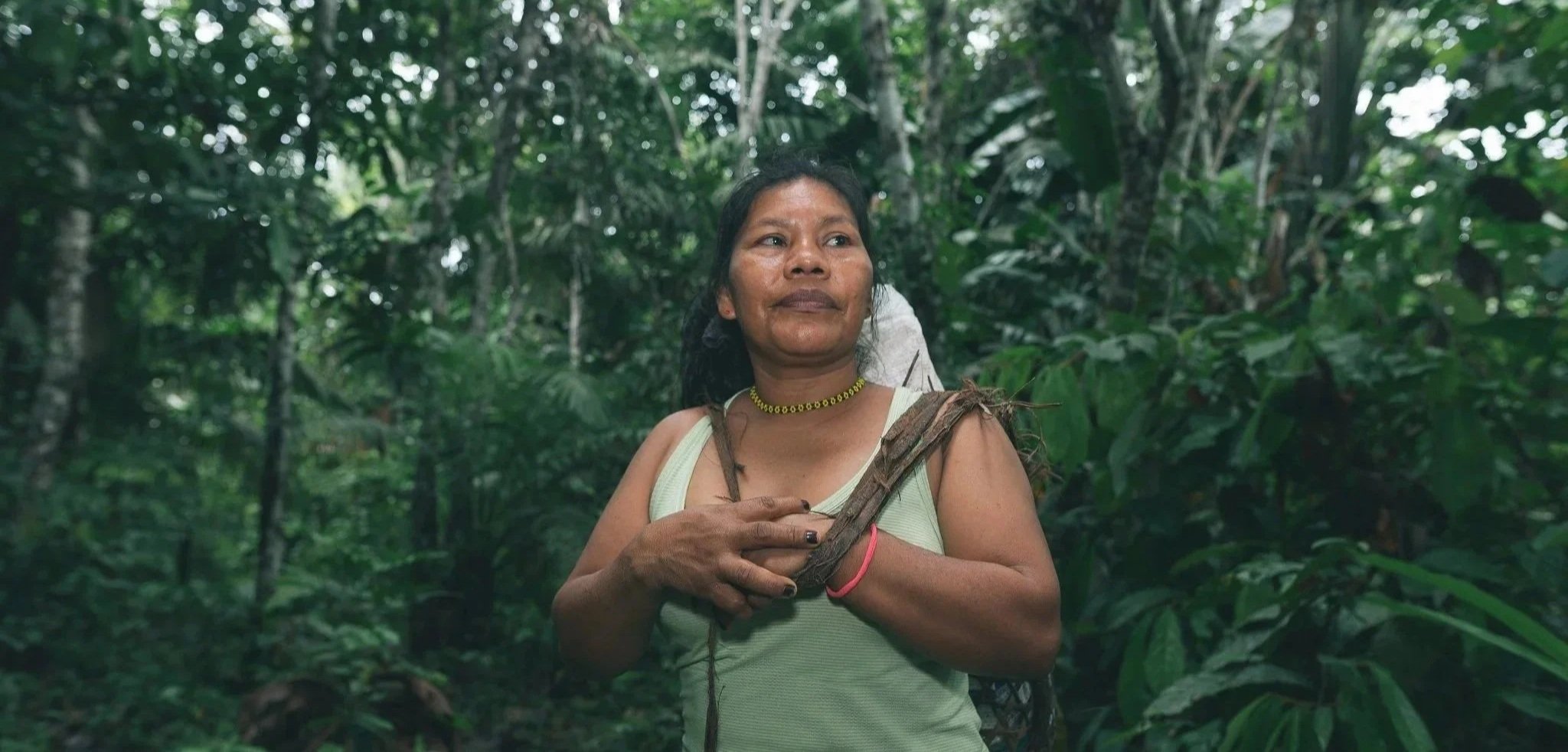
For local communities, guayusa is tied closely to territory and culture, and the plant is an essential part of everyday life in the Amazon. Guayusa has traditionally been used to start the day, provide energy for daily work, care for health, and organize community life. Producer families cultivate it through the chakra system where it grows alongside plantain, cassava, cacao, medicinal plants, and native trees.
While in monocultures the forest is normally cleared to make way for one single crop, in the chakra system families grow many species together, from food crops and medicinal plants to native trees. This creates several layers of cover that are closer in structure to the surrounding forest. This diversity helps keep more plant life in the same space, protecting the soil and retaining nutrients over time.
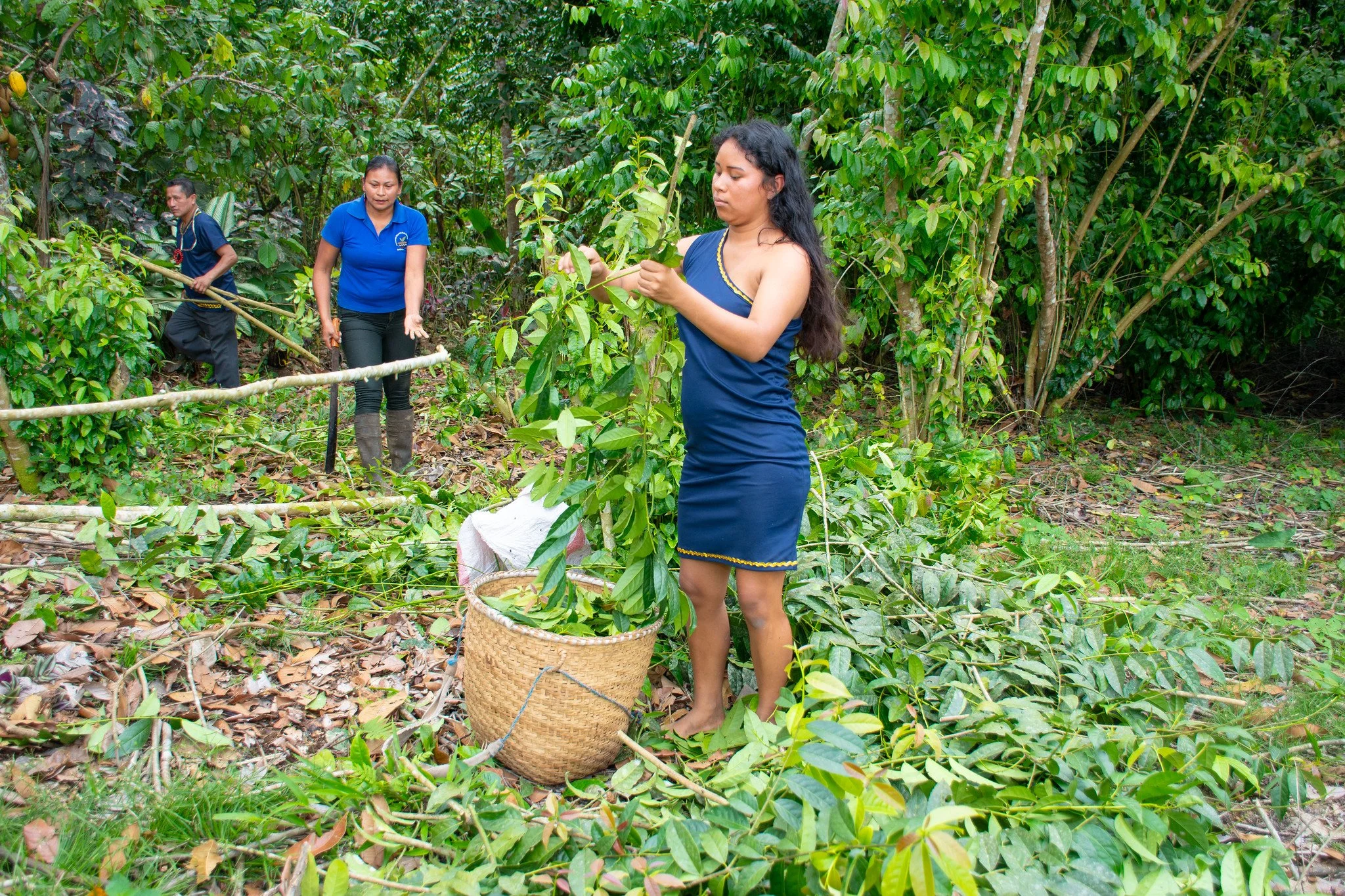
What is the chakra system?
The chakra is an Indigenous production system used across the Amazon. Instead of growing just one crop, families cultivate a variety of complementary species – from native trees and medicinal plants to crops for food and sale – on small plots of land. This approach ensures healthy soil, protects biodiversity, and supports production embedded within the forest.
Through this model, Ruku Kawsay manages 324 hectares of land under sustainable agricultural practices. The enterprise has also supported the restoration of 502 hectares to recover parts of the forest that had been degraded due to extractive activities.
In this way, local families can generate income through a product that grows from and conserves their territories – all while using knowledge they already hold.
“We cultivate guayusa under the chakra system. We grow it organically. Above all, we work to care for and protect the environment.”
Women at the center of the chakra system
In Amazonian communities, typically each household manages its own chakra and women play a key role in caring for this small plot. At the same time, the chakra is also part of a broader Indigenous production system and cultural practices are shared across Kichwa communities. Women are key in passing on this knowledge, especially related to food production and the sustainable management of natural resources in the chakra.
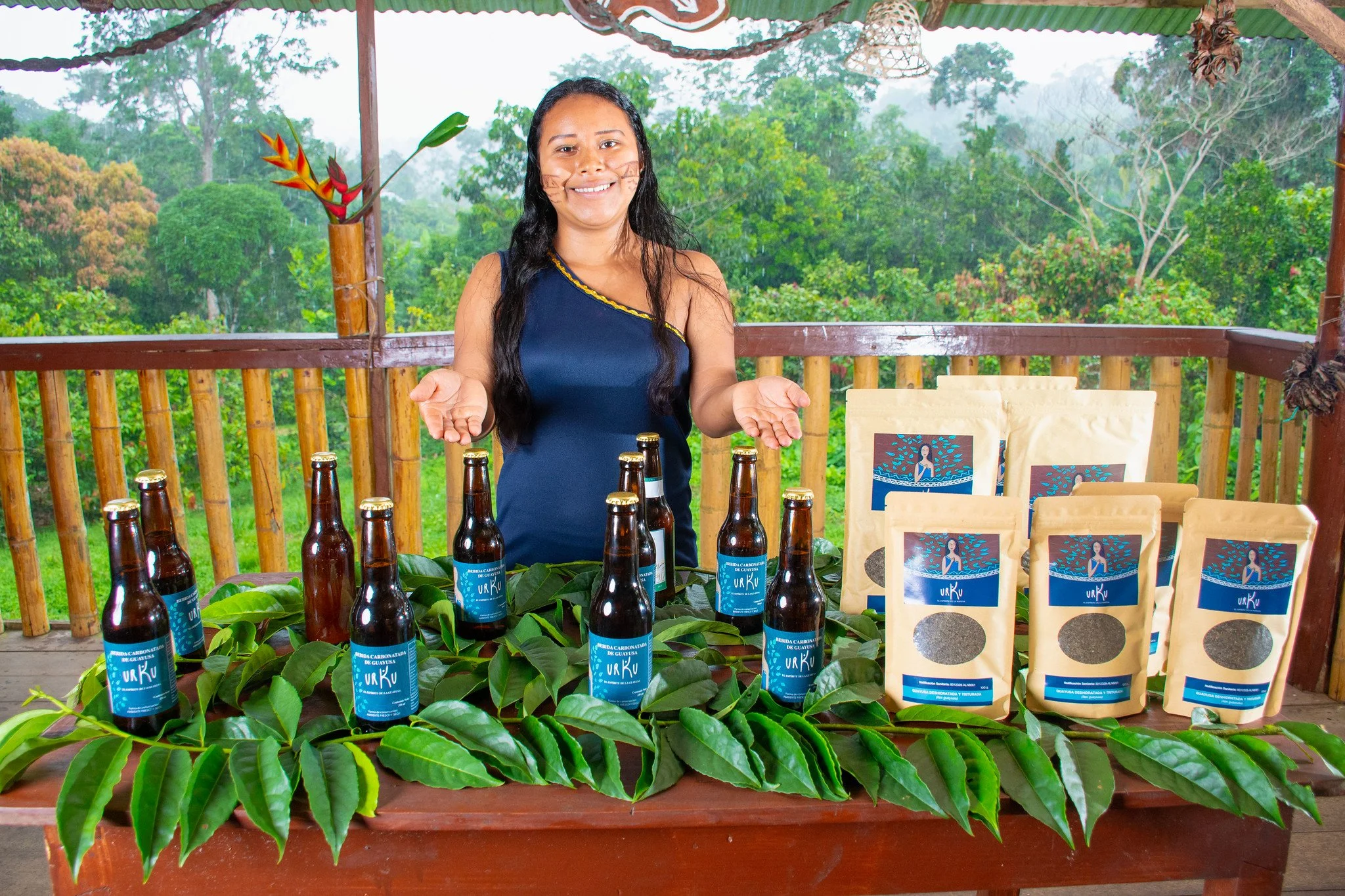
Ruku Kawsay member with products including guayusa-based drinks and dehydrated guayusa leaves.
At Ruku Kawsay, women make up 53% of its members and are involved in the entire guayusa value chain. They cultivate and harvest guayusa, process guayusa into added-value products, and support transport and logistics. Women also help lead the association, holding 50% of board seats. In this way, their voice shapes how the business grows and what decisions are made, and their valuable knowledge is passed down to producers through training initiatives on gender equity, farming, organic practices, and responsible forest management.
““Based on ancestral knowledge, we have been able to transform our products and give them added value.””
Challenges for Indigenous-led businesses in the Amazon
Even when Indigenous-led enterprises build strong social and environmental impact, as is the case for Ruku Kawsay, growth can be difficult to sustain. One of the main difficulties is reaching buyers and markets that could value what they produce. In Amazonian territories, Indigenous-led enterprises and their producers often work in remote regions, which can mean high transport costs and long travel times. Additionally reaching buyers requires commercial networks, which Indigenous-led organizations have traditionally been excluded from.
Added to this are high market demands. Buyers, especially in international markets, increasingly ask for traceability, certifications, and proof of sustainable production. While enterprises may already work in ways that protect biodiversity and use resources sustainably, turning those practices into systems, records, and official certifications requires time, technical support, and funding.
Support tailored to the Amazonian context
Ruku Kawsay joined the Indigenous Incubator for the Amazon in 2024 seeking financial and technical support entering new national and international markets for its guayusa products. Through the support of NESsT and regional Indigenous Organization CONFENIAE, it has begun work to bolster its operations and impact.
“For us, the incubator strengthens entrepreneurship. With this support, we can work, seek markets to sell our products, and improve the living conditions of producers.””
With hands-on assistance that responds directly to the realities of Indigenous-led enterprises in rural Amazonian territories, the Association's leadership team has strengthened its commercial, financial and organizational processes, and implemented new processes to monitor environmental and social impact across its value chain.
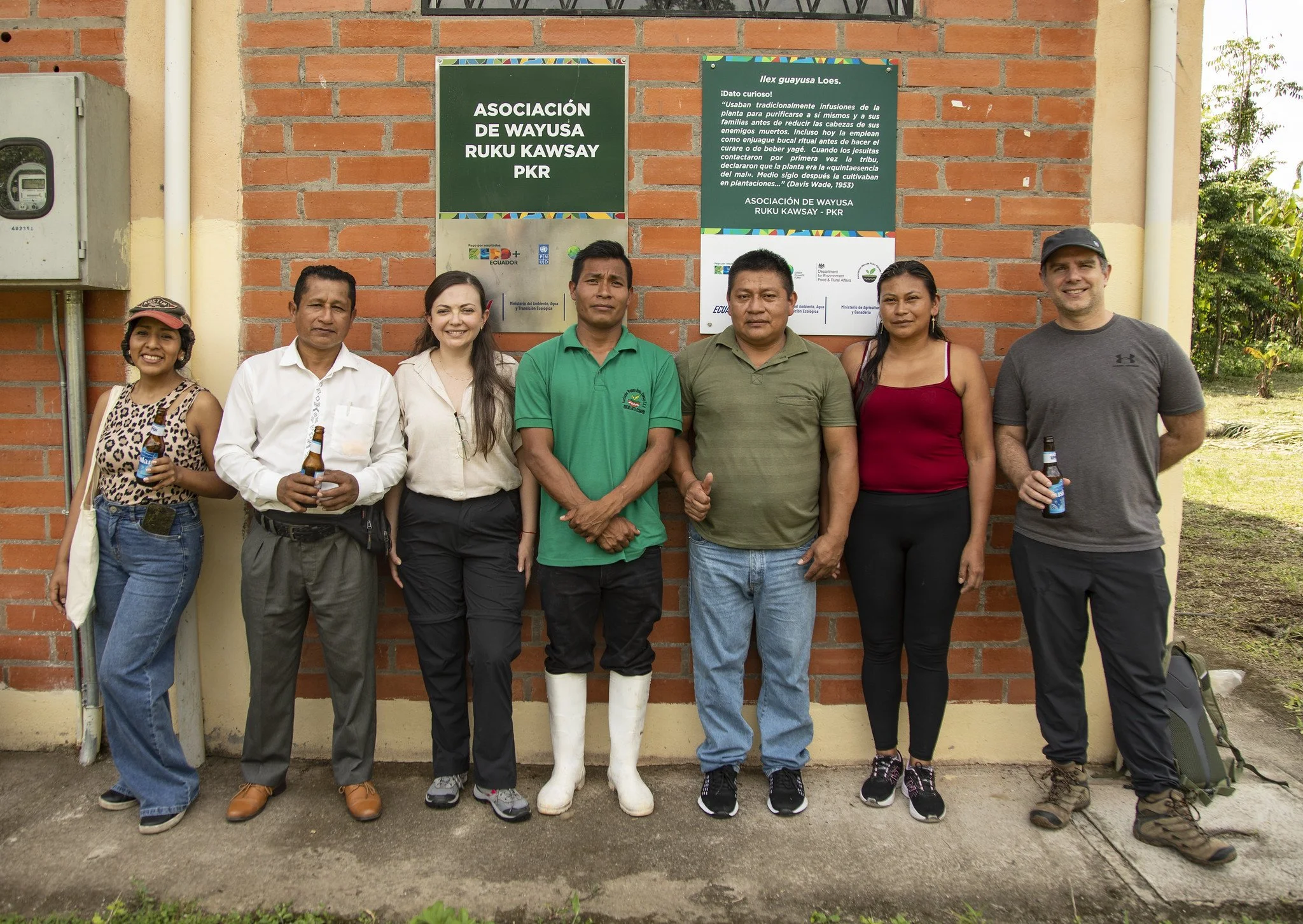
NESsT team visits Ruku Kawsay to deepen support work and learn more about their guayusa products
Andrea Molestina, NESsT portfolio manager who works closely with the Ruku Kawsay team, shares, “With Ruku Kawsay, the work has been about strengthening the enterprise in practical ways that respond to its reality — from financial management and formalising internal processes to certifications, traceability, and market readiness. The goal is to help the association grow on stronger terms while staying rooted in the production model and knowledge that already sustain it.”
One key area of support has been securing official certifications for its guayusa product – a step which will attract new higher-paying buyers and simultaneously provide increased income to suppliers.
As part of this process, Ruku Kawsay obtained the Amazonian Chakra Seal, a recognition given to products cultivated and harvested under the Kichwa chakra system. The seal helps verify that products come from this Indigenous production model and that they reflect the environmental, social, and cultural principles that shape it.
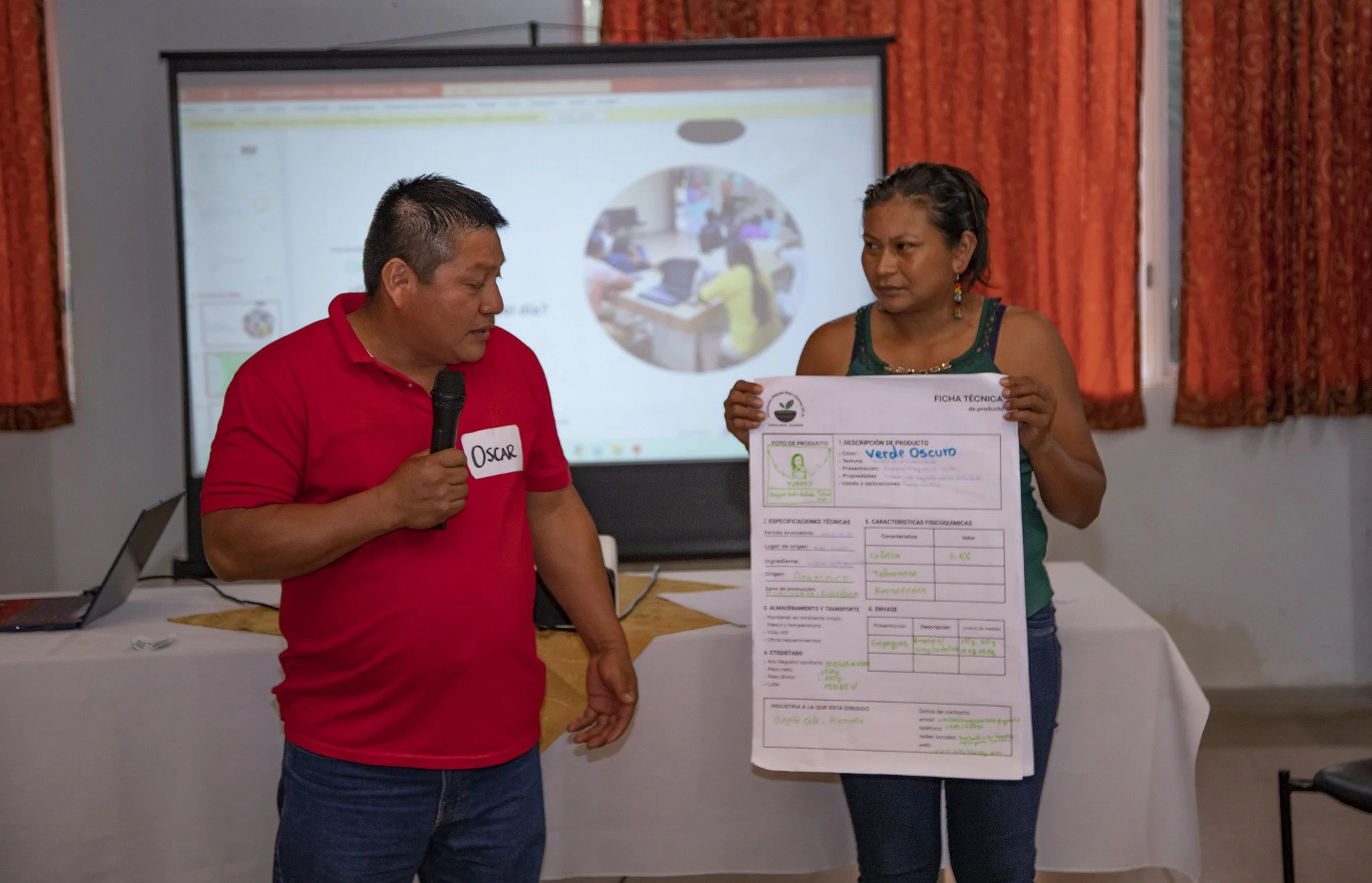
Oscar Salazar, Vice President and Production Lead, of Ruku Kawsay, participates in the NESsT portfolio gathering 2025 in Ecuador.
Ruku Kawsay is also advancing toward obtaining Organic Certification and Good Agricultural Practices (GAP) Certification, both expected in 2026. These steps matter as the enterprise works to meet market requirements related to quality, sustainability, and traceability and compete on stronger terms in national and international markets.
Opportunities behind every guayusa leaf
Ruku Kawsay shows that protecting biodiversity and creating livelihoods are deeply connected. Local families grow guayusa through a system that keeps many species growing together and conserves forest cover. This same system creates income for households and strengthens the enterprise’s ability to reach new buyers and to grow.
““By selling guayusa, we create income and resources for local households.” ”
Andrea shares “Behind every guayusa leaf there is a production system that protects the forest, preserves ancestral knowledge, and provides income for households.”
Today, Ruku Kawsay’s work benefits close to 350 families, reaching more than 1,500 people.
On World Environment Day, stories like Ruku Kawsay’s remind us that protecting the Amazon also means backing the people, practices, and Indigenous-led enterprises that continue to care for it, creating the conditions for their work to remain viable over time.
You can learn more about our work supporting Indigenous-led enterprises in the Amazon here: