In northern Peru, where export agriculture continues to grow, an often-overlooked problem is growing alongside it: plastic waste with nowhere to go. According to Peru’s Ministry of the Environment, nearly 3 billion plastic bags are used in the country every year—the equivalent of almost 6,000 bags every minute.
Some of this waste comes directly from agricultural activities. Bags used to protect bananas as they grow, grape coverings, and blueberry ground cover are often burned, buried, or discarded along roadsides, in agricultural fields, and even in the ocean.
In response, a social enterprise in Sullana is proving that what many see as waste can become an opportunity for people, communities, and the environment.
A circular solution from northern Peru
Plastic Corporation S.A.C., based in Sullana in the Piura region of northern Peru and led by Oscar Cornejo and Dominik Dübendorfer, has developed a circular economy model that turns agricultural plastic waste into high-value products. In the first half of 2026 alone, the company processed more than 124 tons of plastic, preventing it from polluting soils, rivers, and coastal ecosystems.
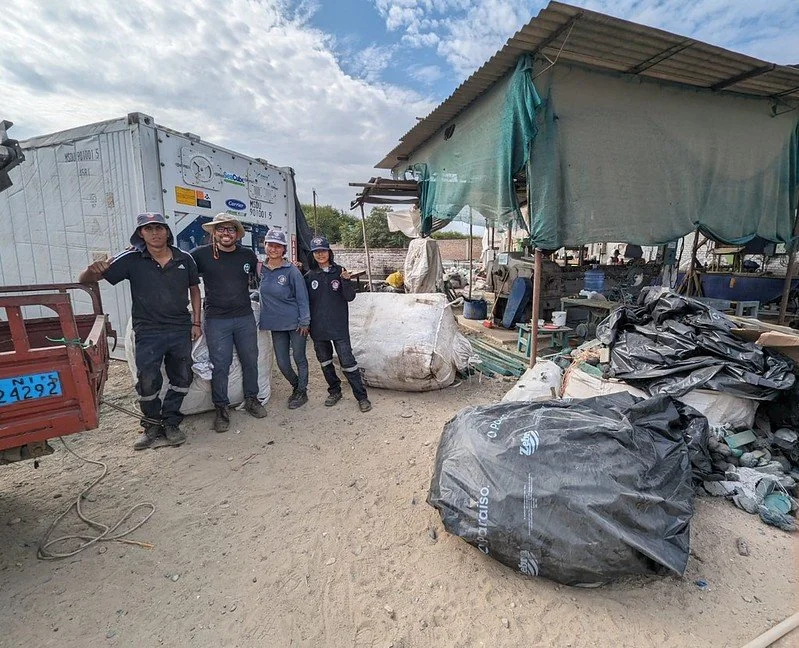
In the first half of 2026 alone, Plastic Corporation processed more than 124 tons of plastic.
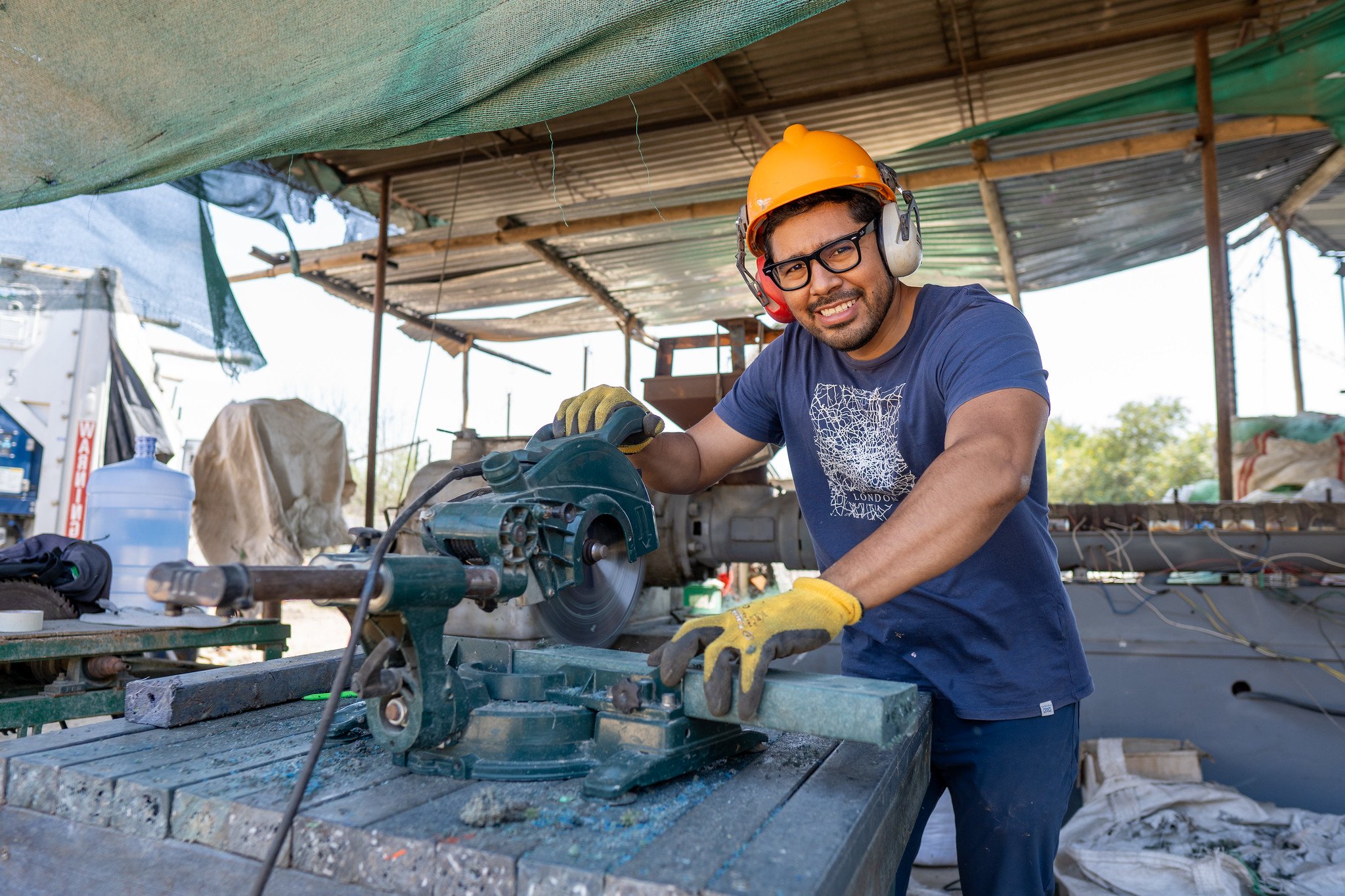
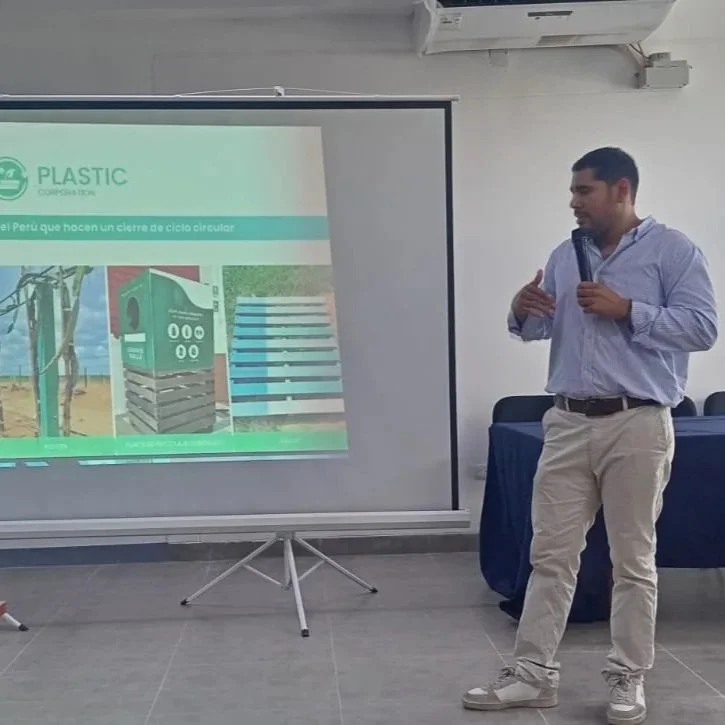
Its approach is simple: collect discarded agricultural plastics, process them, and give them a second life. One of the company’s main products is recycled plastic fencing posts, which are used by the agricultural sector as a more durable, longer-lasting, and less toxic alternative to traditional wooden posts.
But Plastic Corporation’s impact goes far beyond recycling. The company is creating economic opportunities for local recyclers, helping reduce pollution in vulnerable ecosystems, and showing how circular economy solutions can drive local development.
Creating impact from the ground up
Plastic Corporation’s model begins with the collection of plastic waste, a process that involves local recyclers. The company works closely with them to formalize their work, improve working conditions, and ensure fair compensation for the materials they recover. This approach not only increases incomes but also improves quality of life.
Today, Plastic Corporation purchases raw materials from four recycling associations and one formal banana producers’ association in Sullana, supporting the livelihoods of 52 people across its supply chain.
At the same time, the company is helping reduce the pollution that affects rivers, agricultural land, and marine ecosystems.
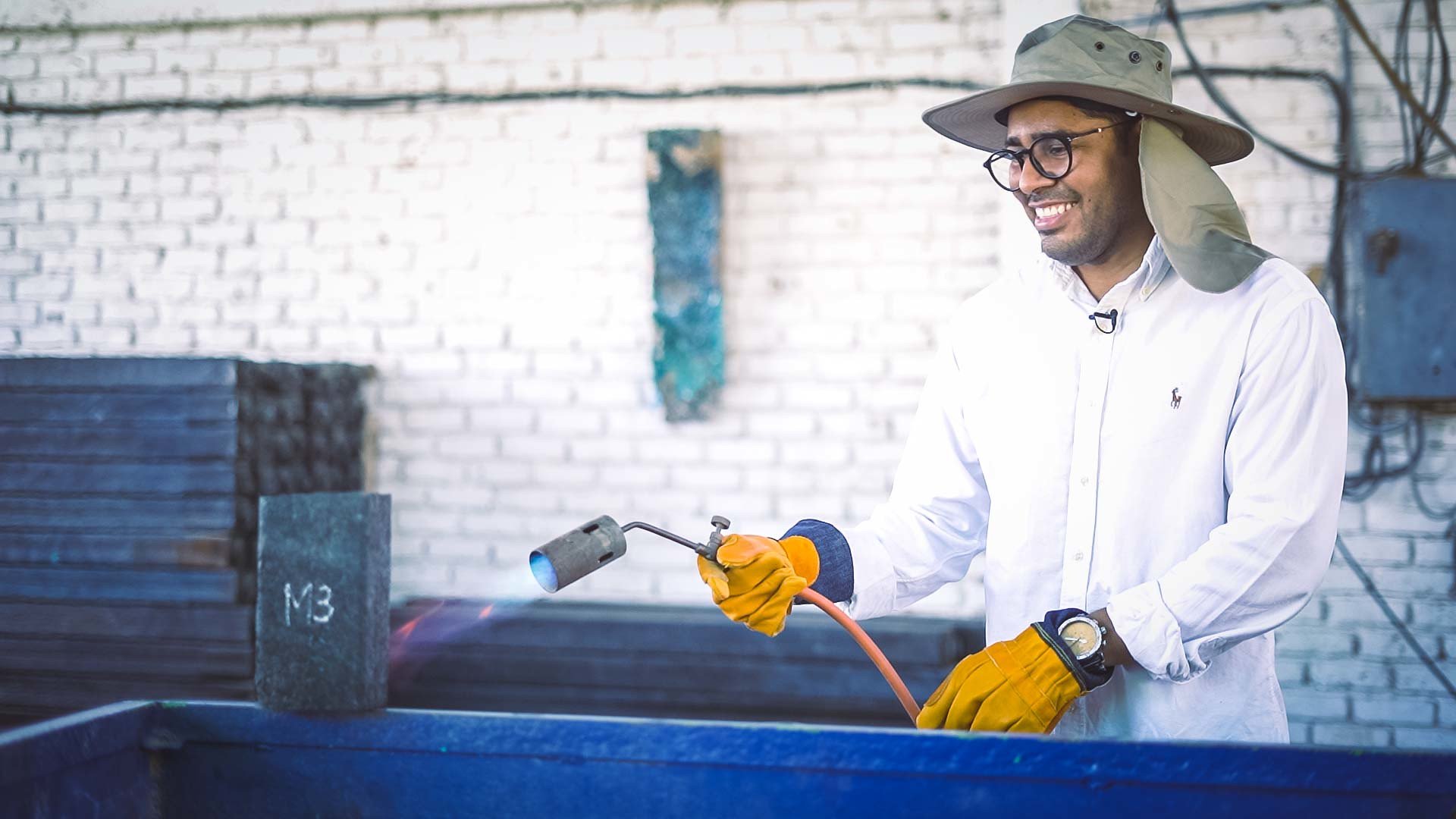
Plastic Corporation’s plant in Sullana, northern Peru
At its facility in Sullana, the collected material moves through several stages of processing. First, it is sorted according to type and condition. It is then shredded and processed to create a consistent material before being fed into an extrusion system, where heat and pressure transform it into new products. Finally, the pieces are cooled using a recirculating water system and prepared for use.
The result is recycled plastic posts that return to the agricultural sector where the waste originated, creating a closed-loop production cycle.
At the heart of this work are the people who make it possible. Many come from rural and Indigenous communities in northern Peru and have faced significant barriers to accessing stable, dignified employment.
Overcoming a major crisis
In December 2023, Plastic Corporation faced one of the most difficult moments in its history: a fire caused by criminal activity severely damaged its facility.
The company spent five to six months without production. With no income coming in, it lost key customers and faced a critical financial situation. To make matters worse, the company also lost several business partners, leaving Oscar Cornejo to lead a weakened operation.
With operations under strain, the focus shifted from growth to survival.
During this period, NESsT’s support played a critical role in helping the business navigate its most vulnerable stage.
“We transform agricultural and industrial plastic waste into high-value circular solutions, demonstrating that waste can become a resource again with positive economic, social, and environmental impact.”
Strategic reorganization and recovery
In May 2024, Plastic Corporation joined the NESsT South America Accelerator, receiving business support and financing to strengthen its operations.
The turning point came at the end of 2025, when Dominik Dübendorfer joined the company as a partner. Together with support from NESsT, the team undertook a strategic restructuring focused on efficiency and growth.
Several strategic decisions helped drive the company’s recovery:
1. Focusing on high-impact products
To improve operational efficiency, Plastic Corporation streamlined its product portfolio and concentrated on its most in-demand products: 3-, 4-, and 5-meter posts. By focusing on just three product sizes, the company was able to direct resources where they could create the greatest value.
2. Building partnerships with agricultural exporters
The company established partnerships with agricultural exporters to centralize the collection of plastic waste. This strengthened its existing collection model, improved the quality of recovered materials, and increased recycler productivity.
At the same time, it created a virtuous cycle: agricultural exporters can now purchase posts made from plastic generated by their own operations.
3. Strengthening the team
As the company entered its next phase of growth, the partners redefined their responsibilities and clarified leadership roles. With a stronger division of responsibilities, the team has been able to implement strategic initiatives that support the company’s economic, social, and environmental goals.
To meet growing demand, Plastic Corporation also expanded its operational capacity by adding a second production shift. Today, the company employs 16 people, including two women in plant positions. Two additional women have joined the team to coordinate plastic collection activities.
4. Optimizing production
Plastic Corporation also adjusted its commercial strategy to prioritize larger-volume customers. This allowed the company to operate its facility more consistently, reduce production interruptions, and make better use of its available capacity.
Results you can see
The results were soon visible. Plastic Corporation has moved from occasional orders to large-scale production and now operates two production shifts. This growth has created greater stability for both the business and its workforce.
In 2025, the company processed 81 tons of plastic. In the first half of 2026 alone, it processed 124 tons. The recyclers it works with have also increased their incomes thanks to the preferential prices they receive for the materials they collect.
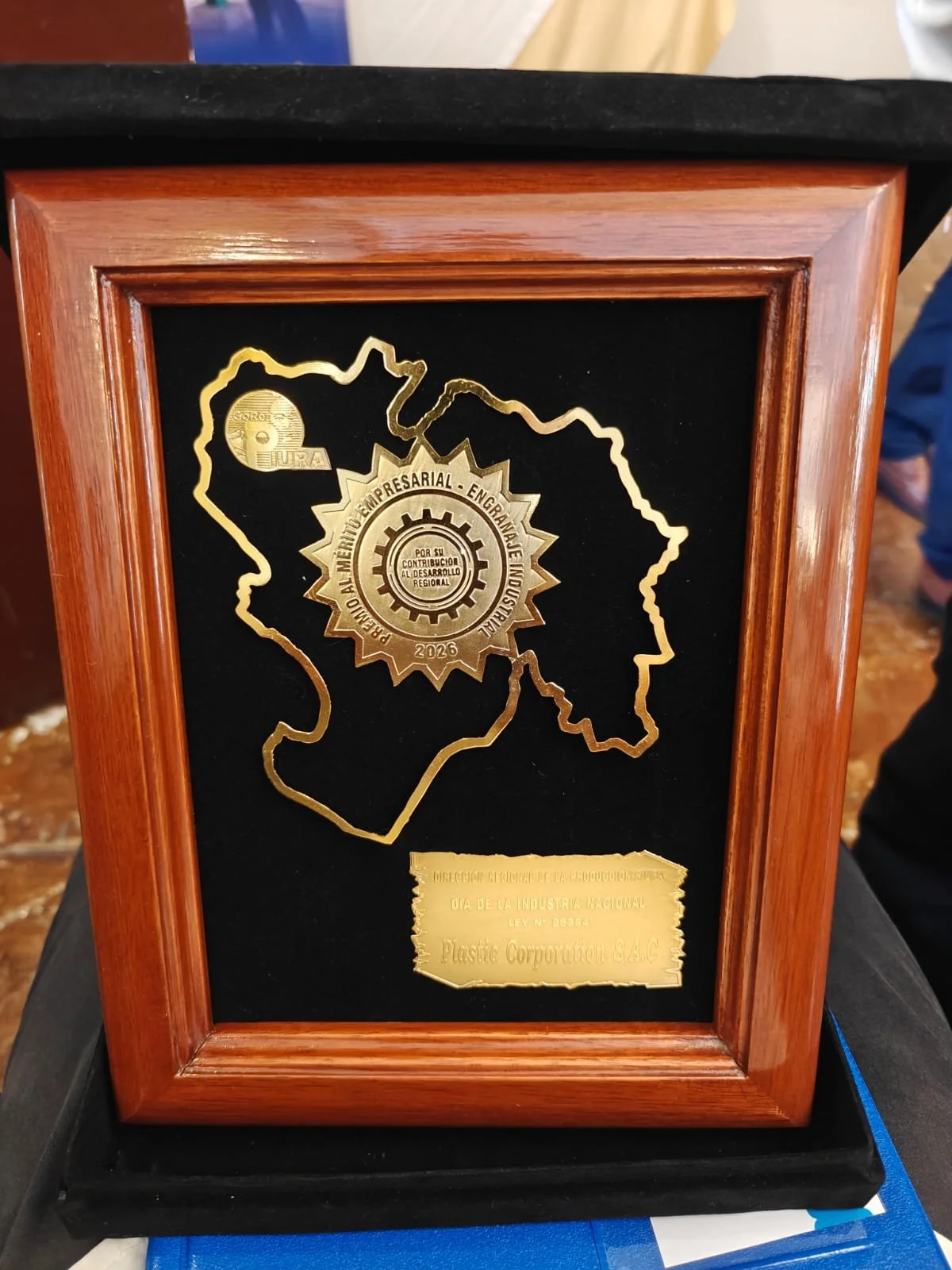
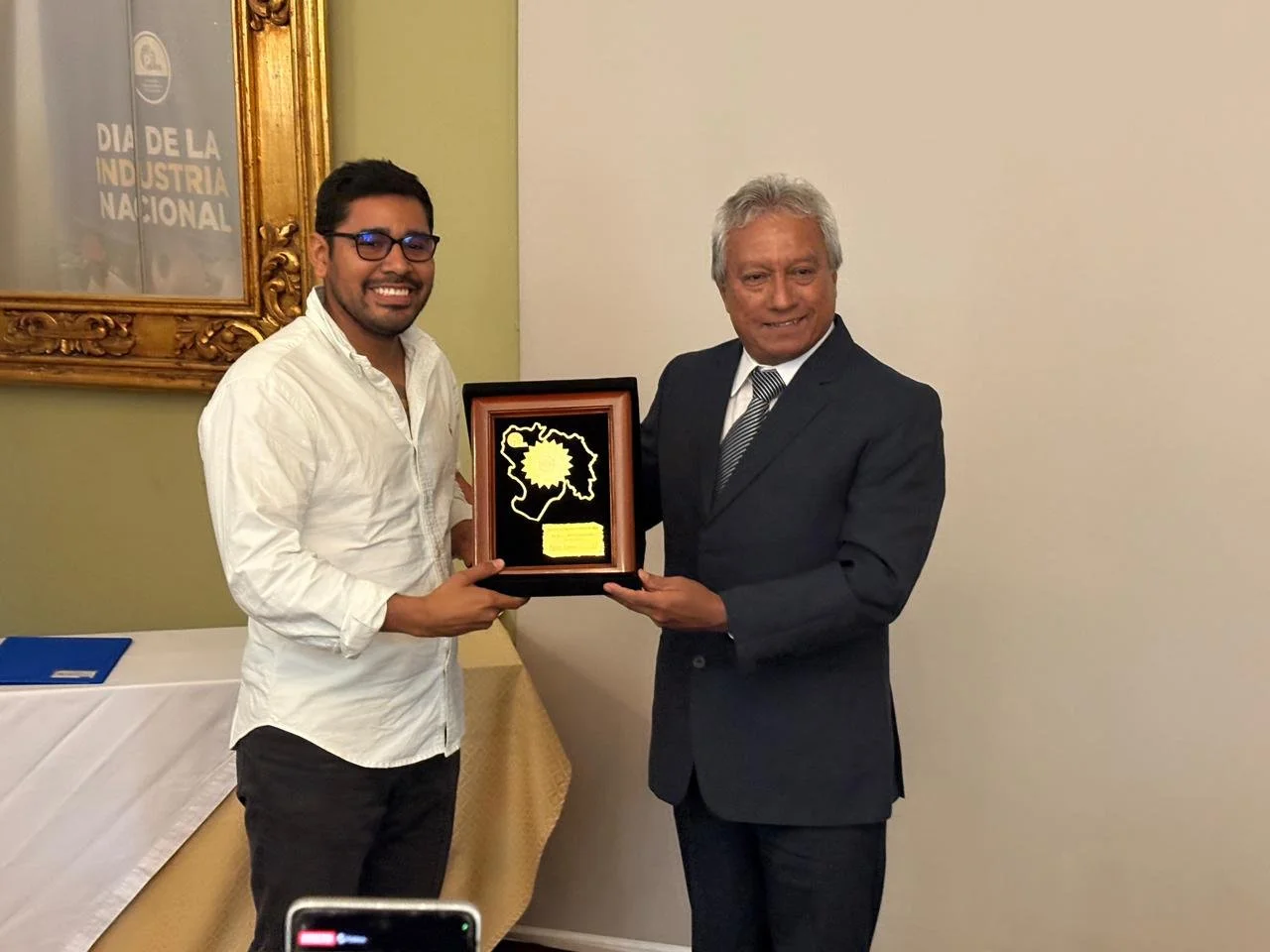
In June 2026, the company received the Industrial Gear Award from the Regional Directorate of Production of Piura in recognition of its contribution to sustainable development.
Looking ahead
With a stronger facility, increased production capacity, and a growing network of strategic partnerships, Plastic Corporation is well positioned to scale its impact.
Plastic Corporation’s journey shows how circular economy solutions can create value for businesses, communities, and the environment—turning a local waste problem into a driver of inclusive growth.
“What makes Plastic Corporation stand out is its ability to connect groups that do not typically work together. Its model creates value for agricultural exporters seeking better ways to manage waste, for recyclers looking for new economic opportunities, and for a market that increasingly demands sustainable solutions. That combination gives the company tremendous potential to continue growing and expanding its impact.”
Learn more about our work supporting mission-driven enterprises in Peru here: