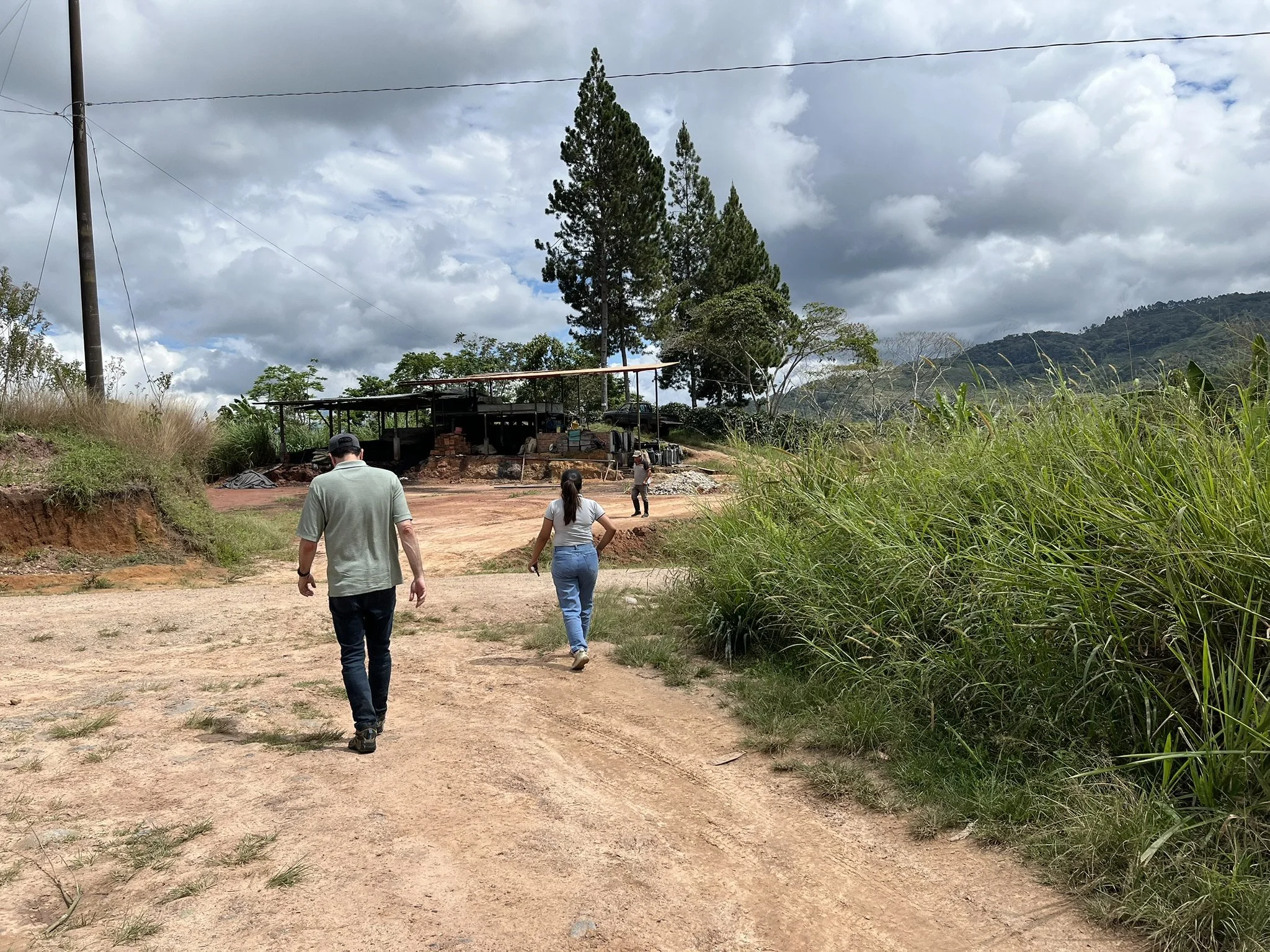
During a recent trip to Junín, Peru, to visit some of the companies in our NESsT Lirio Fund portfolio, I found myself reflecting on the difference between the numbers we see in a portfolio report versus the real life change we see happening in the field. On this trip, I visited a newly-finished warehouse at COAS Sonomoro – one of our portfolio companies since 2023 – that was financed by the Lirio Fund. In our portfolio reports, this warehouse is simply a line item. But as I stood inside the warehouse with the cooperative leaders who run COAS Sonomoro, I heard what that line item has meant in practice: more storage capacity, more efficient operations, and a firmer base for growth. But the most impressive thing I saw were the new houses that the cooperative had built several miles around the warehouse to support older members of the cooperative.
Financial models, impact data, and investment proposals matter in impact investing. But they tell only part of the story.
“Financial models, impact data, and investment proposals matter in impact investing. But they tell only part of the story.”
To understand an enterprise, we need to speak directly with the people leading it, walk through its processing facilities, and listen to the producers whose livelihoods are connected to its success.
While in Peru with the Lirio Fund team, we met with agricultural cooperatives and agribusinesses working across the coffee, citrus, and sustainable agriculture value chains. Our goal was to better understand the progress of enterprises already in the Lirio Fund portfolio while also meeting organizations that could potentially align with the Fund’s investment strategy.
What stayed with me most was seeing the resilience, the creativity, and the perseverance of these entrepreneurs striving to help their companies and communities thrive.
Understanding the Business Behind the Numbers
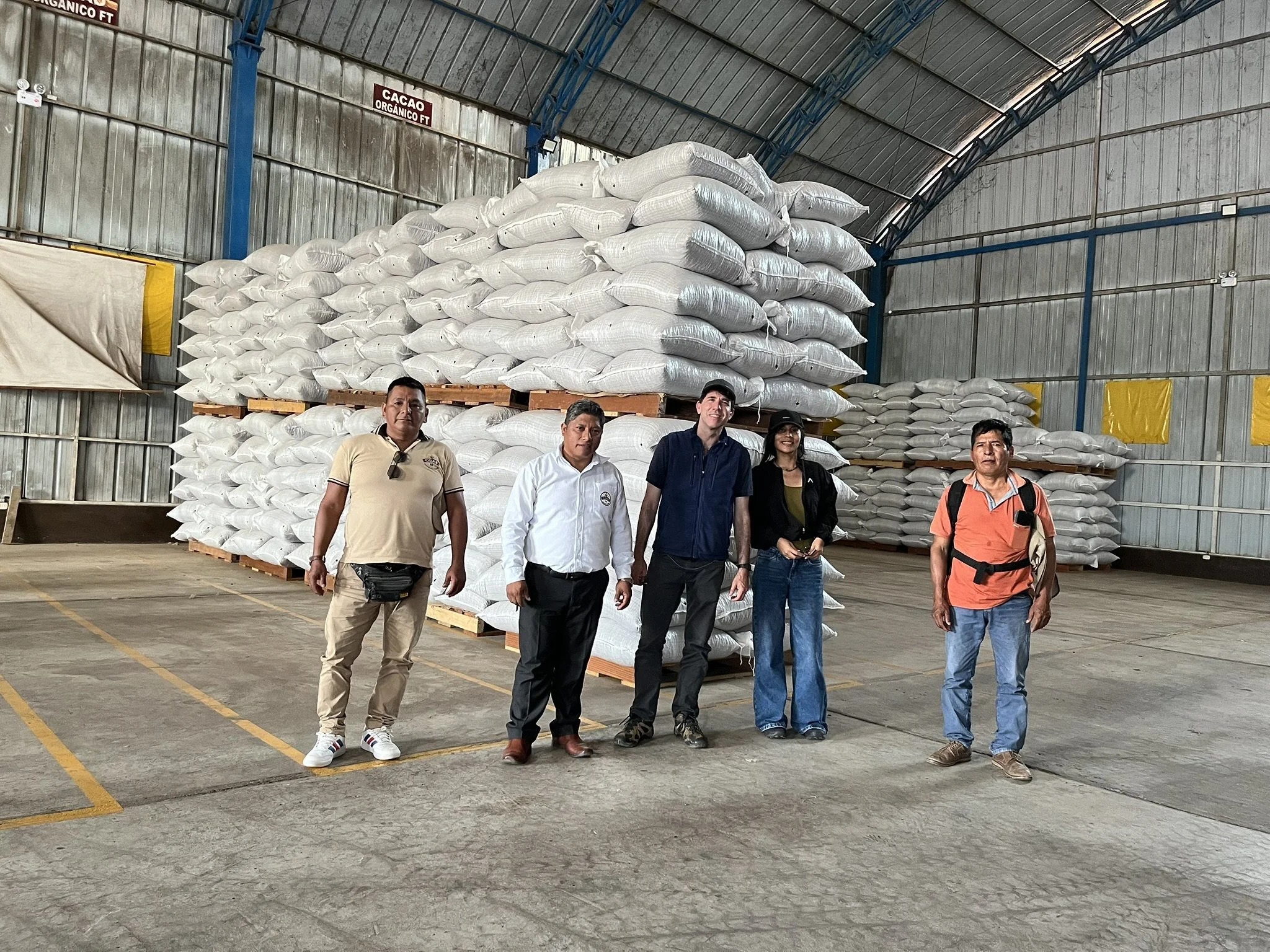
Visiting the newly finished warehouse at COAS Sonomoro
At each stop, we began with the fundamentals. How is the enterprise performing? What challenges is it facing? Where does it see its next opportunity for growth? What type of financing would be useful, and what could the business realistically absorb?
We also wanted to understand how business decisions affect the farmers and communities connected to these enterprises. That meant visiting coffee plots, walking through processing facilities, and hearing directly from producers about productivity, quality, climate pressures, and the realities of operating in rural markets.
These conversations help us evaluate an enterprise more completely. Strong financial performance matters, but so do the underlying relationships, operational capacity, and leadership that allow a business to create lasting value.
Seeing Progress Across the Portfolio
At Alto Kivinaki, an organic orange association, we toured the processing plant and learned more about the enterprise’s recent growth and export activity. Seeing the operation firsthand allowed us to better understand how the organization has strengthened its capacity and expanded its access to international markets.
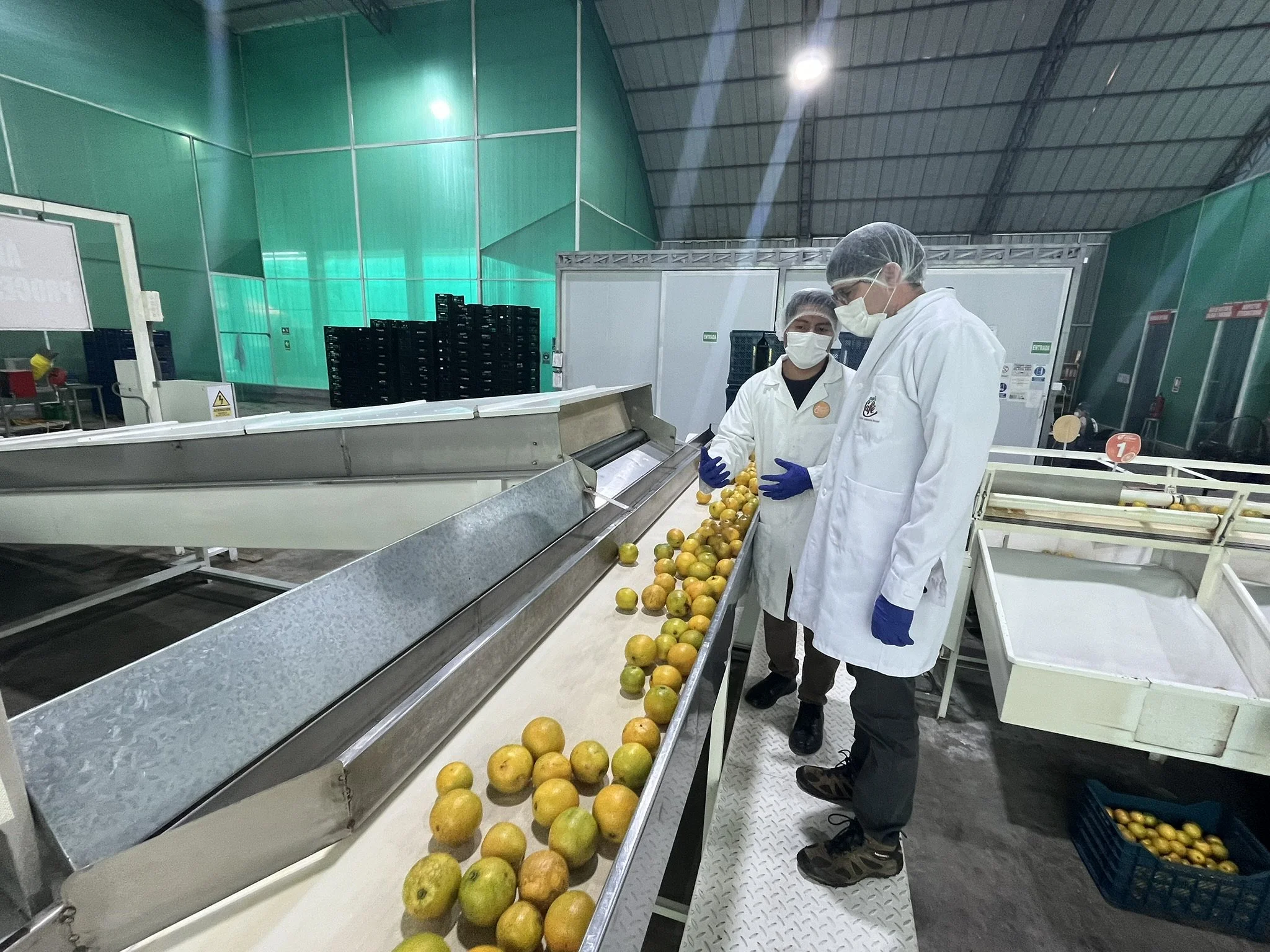
Touring the orange processing facility at Alto Kivinaki
We also visited Cooperativa Mishagro, one of the newer cooperatives in the Lirio Fund portfolio. Women hold leading roles across the organization, and our conversations focused on the cooperative’s progress, growth plans, and approach to building a resilient rural enterprise. It was helpful to see how the organization was adjusting their team meetings to allow women to participate more actively in governance meetings.
Each enterprise is at a different stage and faces a different set of decisions. This is why tailored financing matters. There is no single investment structure that works for every business. Our role is to understand what the enterprise needs, assess what is financially responsible, and determine how our capital can support sustainable growth.
Connecting Regenerative Agriculture with Business Resilience
Our visit to Cooperativa Agraria Cafetalera Sonomoro, or COAS Sonomoro, made the connection between agricultural practices and long-term business performance especially tangible.
We met with a cacao producer on his farm, where he showed us regenerative practices being promoted across the cooperative’s network. We learned about new crops being introduced around the cacao production to promote better bio-diversity; trees planted to reduce soil erosion; new native trees being used to replace non-native species that had undermined soil health.
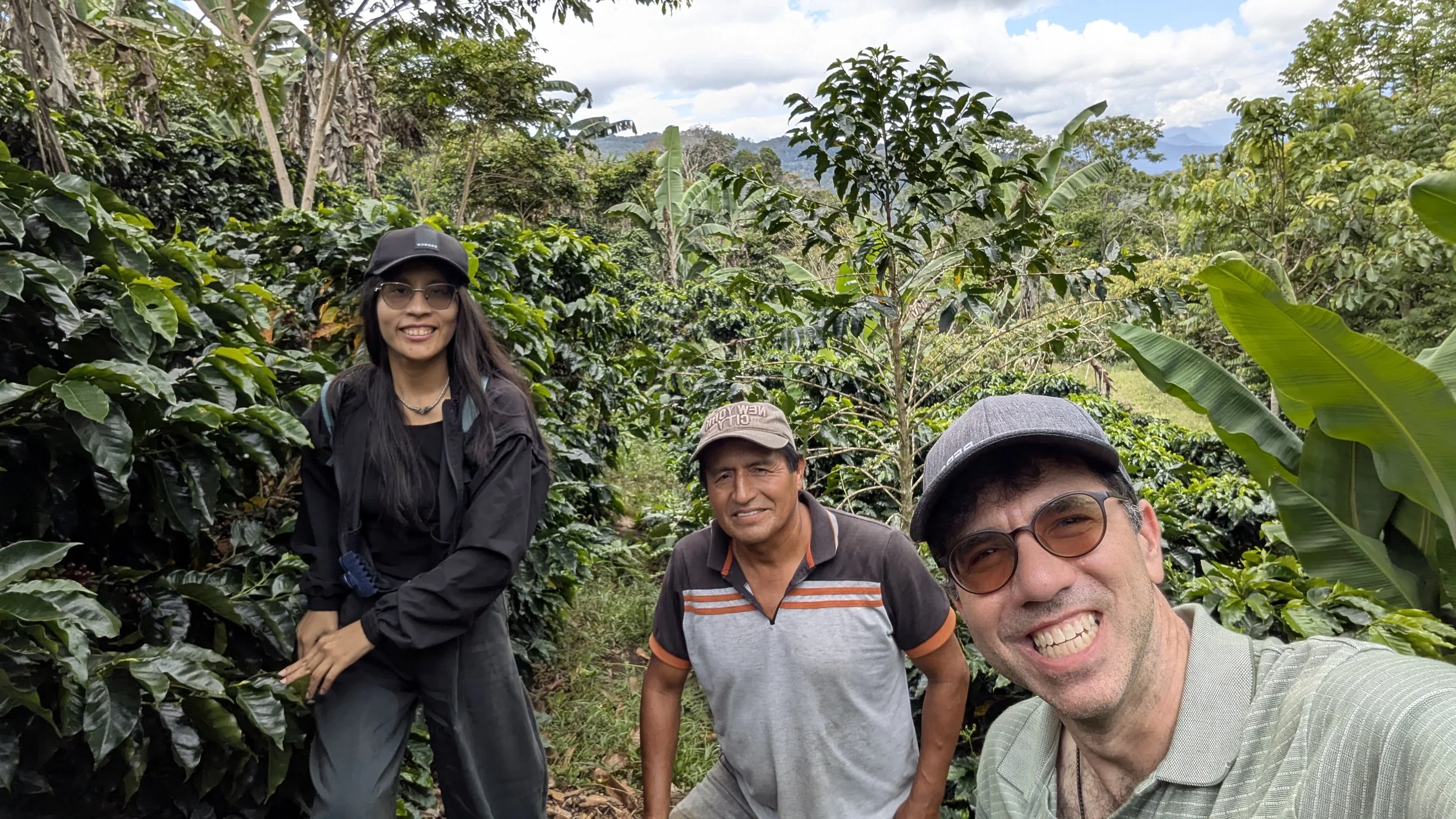
From left to right: Ana Belen Jalixto Romero (NESsT), Hector Perez (Santa Ana founder), Chad Sachs (NESsT)
We met with the leadership and producers of Cooperativa Santa Ana, where we visited coffee plots and discussed the cooperative’s efforts to improve productivity and quality amid the challenges facing Peru’s coffee sector particularly in light of the Super El Nino occurring this year.
Field visits allow us to see whether financing is addressing a real business need and how that investment is affecting the broader value chain. Particularly with climate change, climate risk shows up in the field long before it shows up in the lender’s reports.
Staying Close to the Enterprises We Finance
The trip reinforced something that has been central to NESsT’s approach: we cannot invest effectively from a distance.
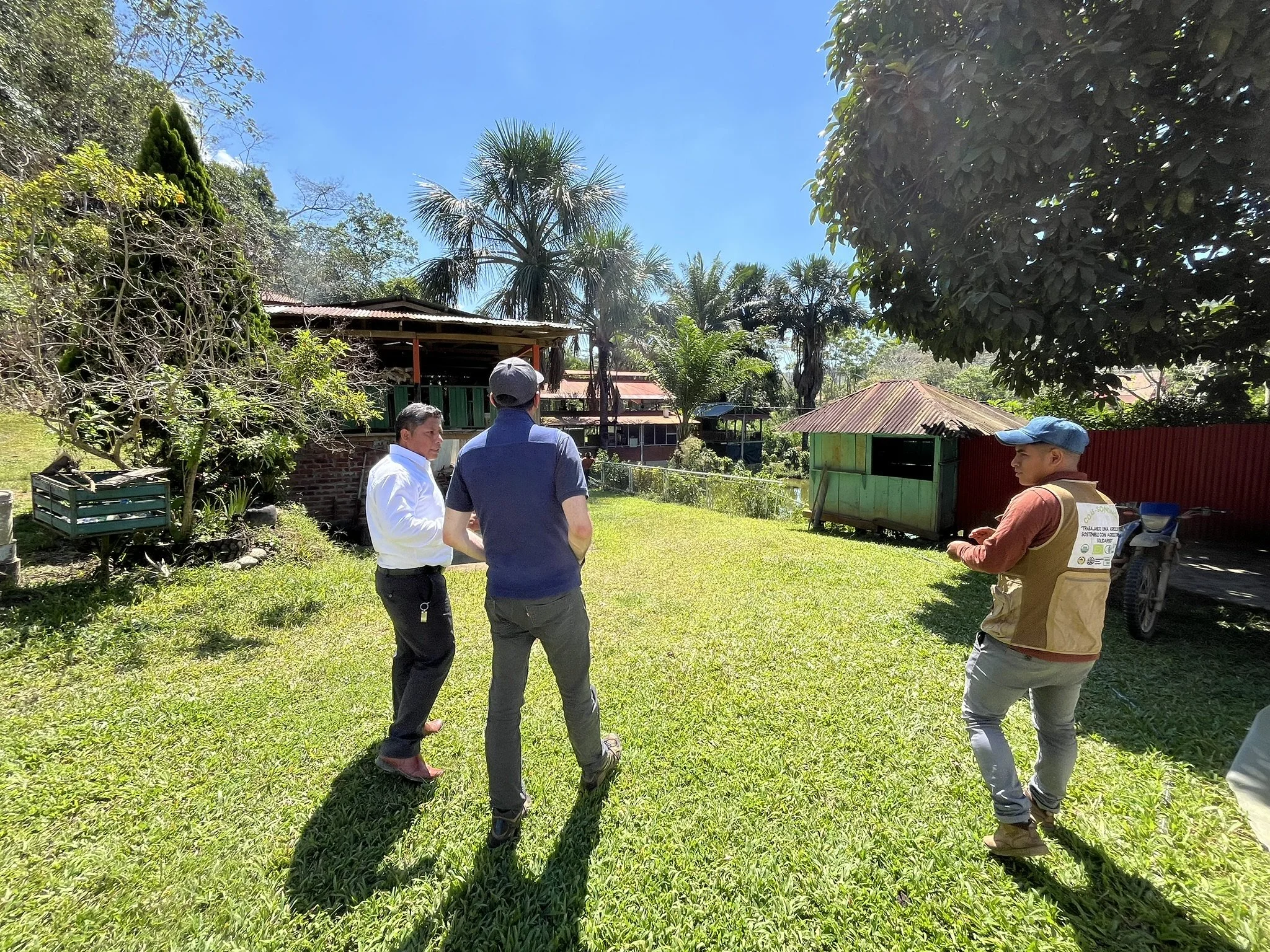
Touring homes built near the COAS Sonomoro warehouse for older members of the community
Maintaining close relationships with portfolio companies allows us to better understand their opportunities, risks, and changing financing needs. It also gives entrepreneurs and cooperative leaders an opportunity to speak candidly about what is working, what is not, and where additional support could make a difference.
This proximity does not replace financial and impact analysis. It makes that analysis stronger. It gives us the context needed to interpret the numbers and assess whether an enterprise is positioned to build a sustainable business while expanding opportunities for smallholder farmers and rural communities.
What Comes Next
As we continue expanding our impact investing activities in Peru, Colombia, and Brazil, we will continue to combine rigorous investment analysis with a close understanding of the enterprises and communities behind each opportunity.
The visit to Junín reminded me that capital is most effective when it is informed by proximity, structured around real business needs, and paired with a long-term commitment to the people building the enterprise.