The International Day of Awareness of Food Loss and Waste draws attention to a challenge that runs through the entire food system. Globally, an estimated 13.3% of food production, around 1.31 billion tonnes, is lost between harvest and retail. A further 1.05 billion tonnes, representing 19% of food available to consumers, is wasted at the retail, food service, and household levels (Source: FAO). Drawing on NESsT’s experience accelerating impact-driven businesses in Central and Eastern Europe, we look at how social enterprises are already responding to this challenge and how the right combination of acceleration, investment, and partnership can help more locally rooted solutions to grow.
Across our Central and Eastern Europe portfolio, we are seeing social enterprises respond to food loss and waste in very different ways. Some rescue food before it is discarded. Others process more food right where it is grown. And others connect small producers with customers and find practical uses for ingredients and products that might otherwise be wasted.
What connects them is not a single approach to food waste, but their ability to turn a local response to an environmental challenge into a viable business model that also creates jobs and economic opportunities.
These solutions are already producing results at different points in the food system. In Poland, Olsztyn Food Bank distributed 2,640 tonnes of food to more than 81,000 people in 2025. Also in Poland, Juchowo Farm combines organic and biodynamic agriculture with food processing and employment for close to 40 people with disabilities. In Romania, ROMO has connected more than 160 local producers with customers through a pre-order model.
Yet an innovative solution is often only the beginning. To sustain and deepen such impact, social enterprises also need strong teams, viable revenue models, suitable infrastructure, access to markets, and capital that responds to their stage of development.
Food rescue that creates opportunities beyond redistribution
In Poland’s Warmia and Masuria region, Olsztyn Food Bank has developed a model that combines food rescue with employment support, education, and services for the local community.
In 2025, it distributed 2,640 tonnes of food to more than 81,000 people across Poland’s Warmia and Masuria region. This included more than 1,058 tonnes of products rescued from going to waste. And what’s interesting about Olsztyn Food Bank’s model is its strong partner network: this work depends on collaboration with more than 1,000 stakeholders spanning small-scale producers, retailers, wholesalers, and more than 200 partner organizations that help food reach communities throughout the region.
If we look deeper, the infrastructure built to rescue and distribute food provided the foundation for wider forms of support. Through its Social Integration Center and other employment programmes, Olsztyn Food Bank provides vocational training and pathways to work for people facing exclusion, including refugees and people experiencing long-term unemployment. In 2025, over 110 people from excluded groups accessed these services.
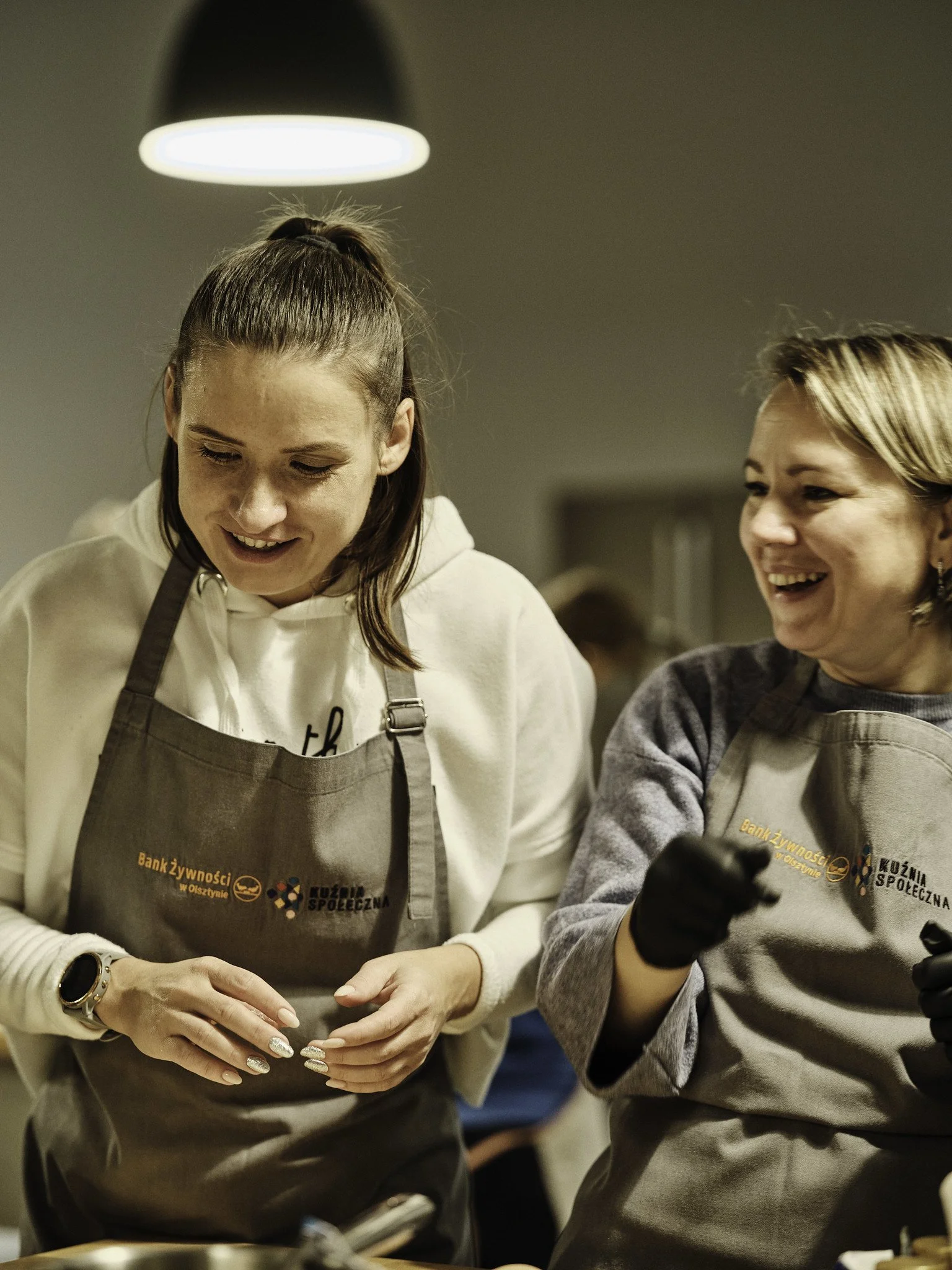
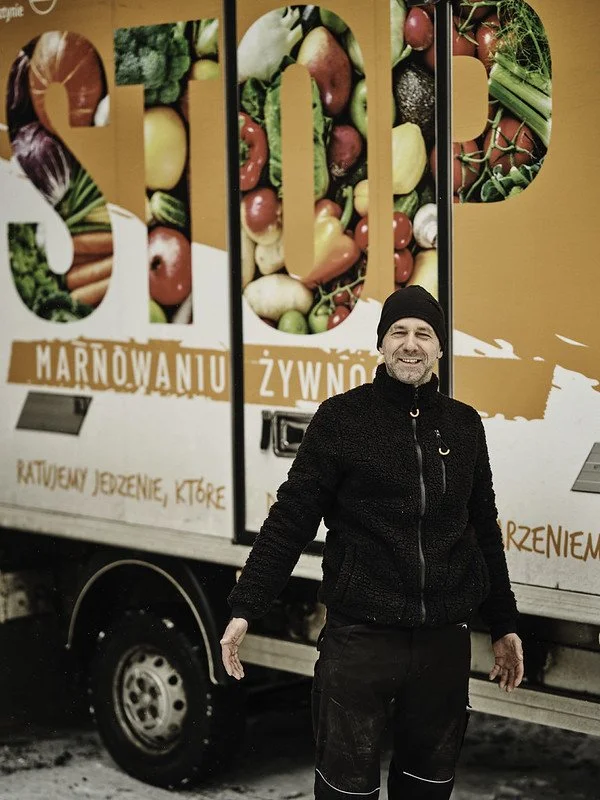

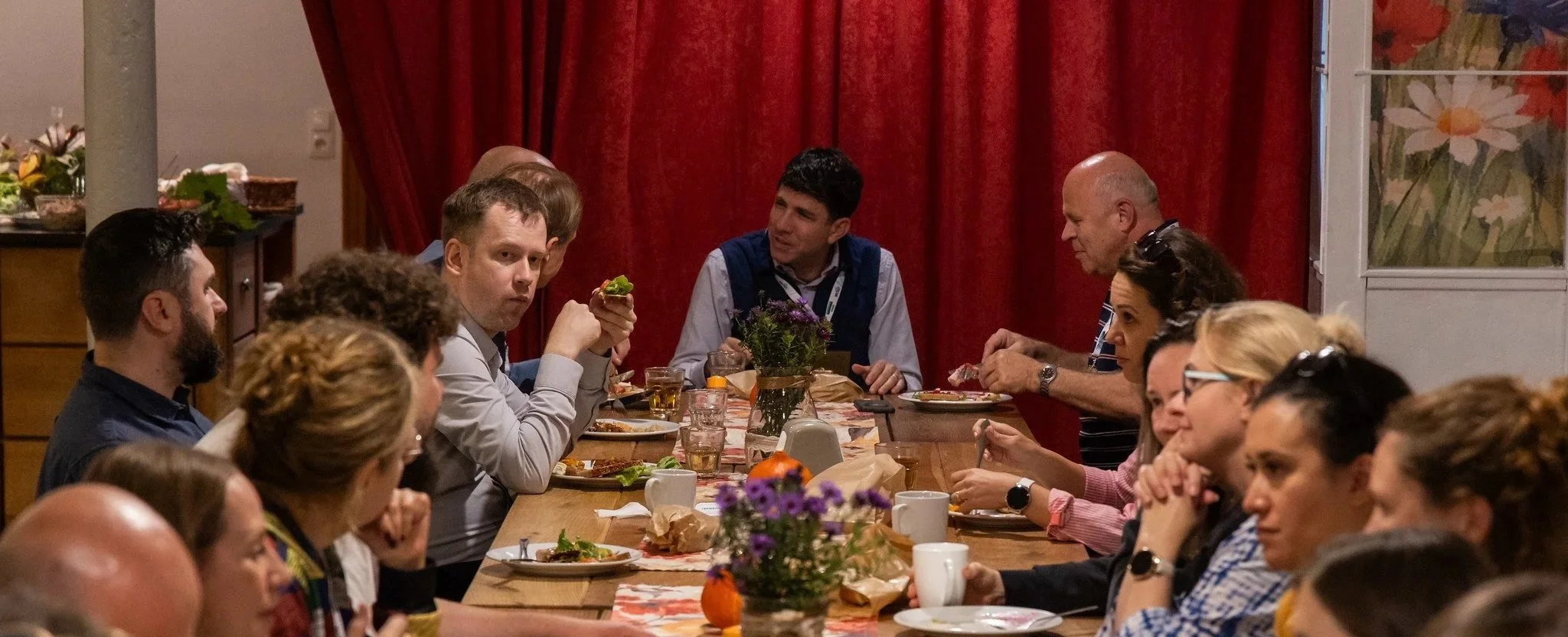
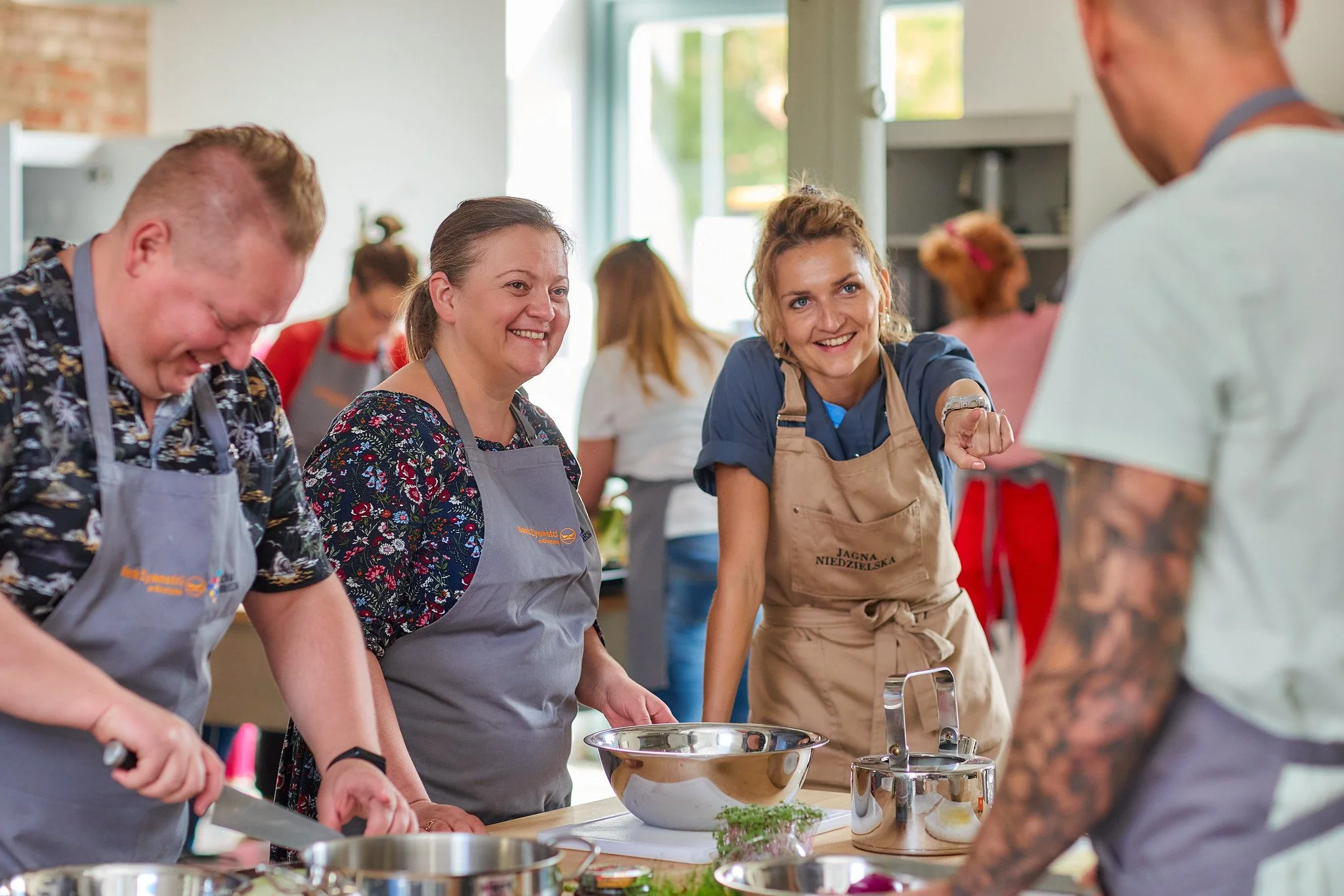
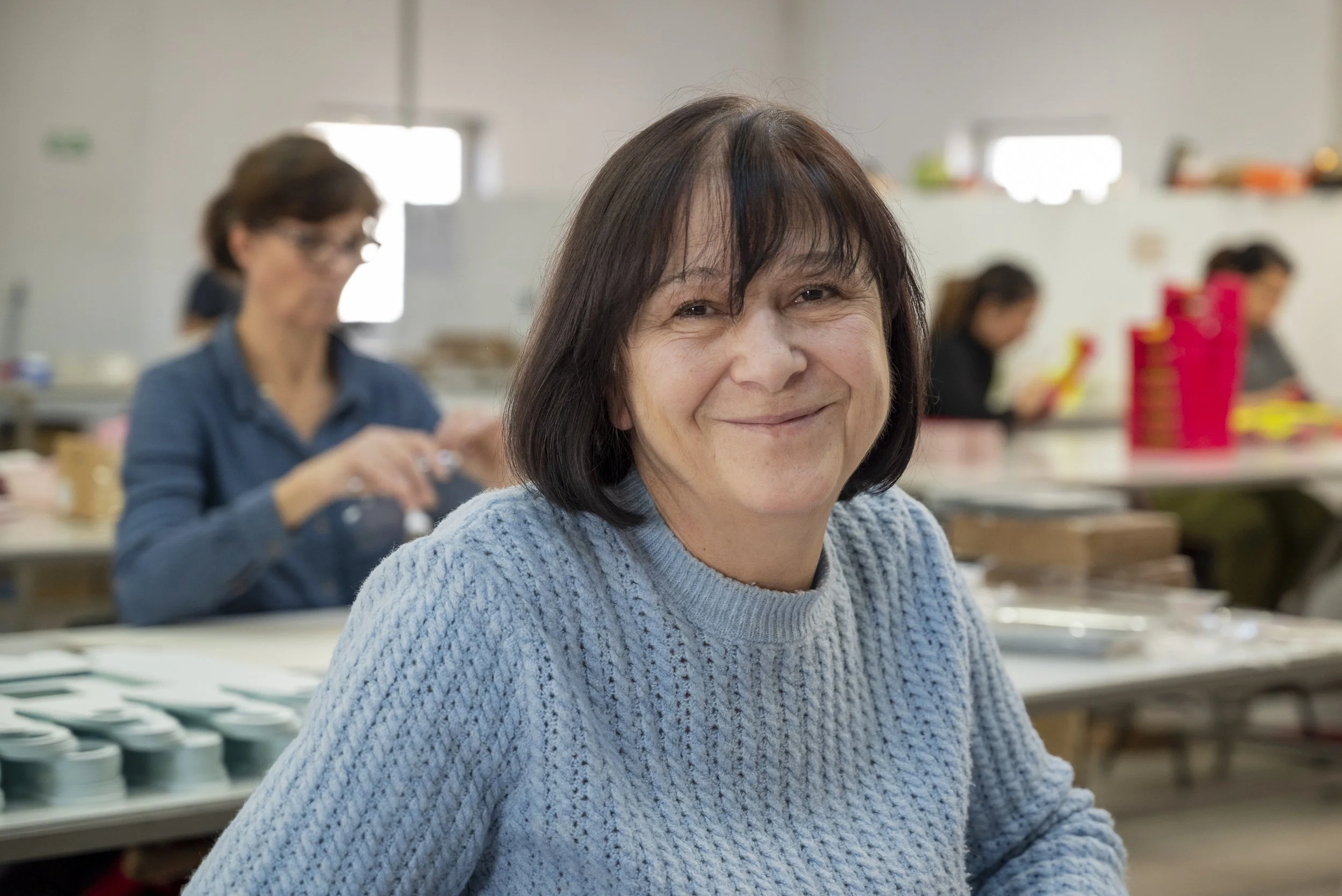
Photos: Employees and course participants, Olsztyn Food Bank
The wider lesson is not simply that food rescue works. It is that an organization built around food redistribution can become a platform for employment, skills development, and services rooted in the needs of its community.
When Olsztyn Food Bank joined the NESsT Central and Eastern Europe acceleration programme in 2023, the focus was on strengthening the organization behind this mission: developing a more sustainable enterprise model, strengthening internal governance and management capacity, and preparing it to take on additional forms of investment. This work with NESsT portfolio managers and IKEA co-workers through technical assistance and one-on-one mentoring, meant that the food bank was later able to secure financing through the NESsT Violet Fund for key infrastructure projects.
“Olsztyn Food Bank’s impact journey illustrates how acceleration support should evolve and respond as an enterprise becomes stronger. Once an enterprise has shown that its solution responds to a genuine local need, the next challenge is to build the operational and financial foundations that allow the existing model to endure and reach further.”
More value can remain where food is produced
Food loss and waste is often discussed in terms of what happens after food has been produced. But decisions about how food is grown, processed, and sold also determine where economic value is created and which communities benefit from it.
Juchowo Farm, also in Poland, combines organic and biodynamic agriculture with on-site processing and inclusive employment. Operating across 1,833 hectares, the farm works to regenerate soil and protect biodiversity while creating employment opportunities for people with disabilities and residents of the surrounding rural area.
The different parts of Juchowo Farm's model have been designed to work together. Manure from the farm’s cattle is returned to the soil as fertilizer. Food is processed on-site and sold through the farm’s own store and a shop in a nearby village. These activities also create different kinds of work across farming, processing, and sales: the wider Juchowo Project currently employs 55 people through its Vocational Activity Facility, 70% of whom are people with disabilities, and around 102 suppliers from excluded backgrounds. Its holistic approach to employment creates different roles across the food system, from harvesting to food processing, that are adapted to the strengths of its employees.
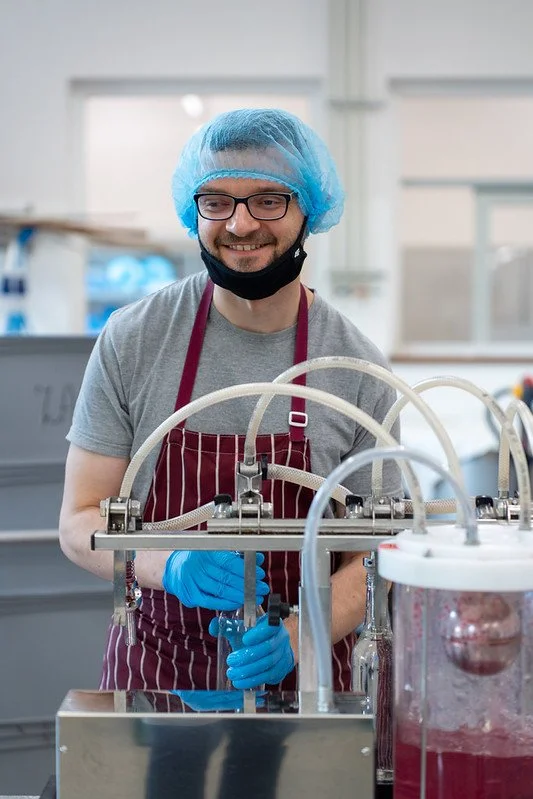
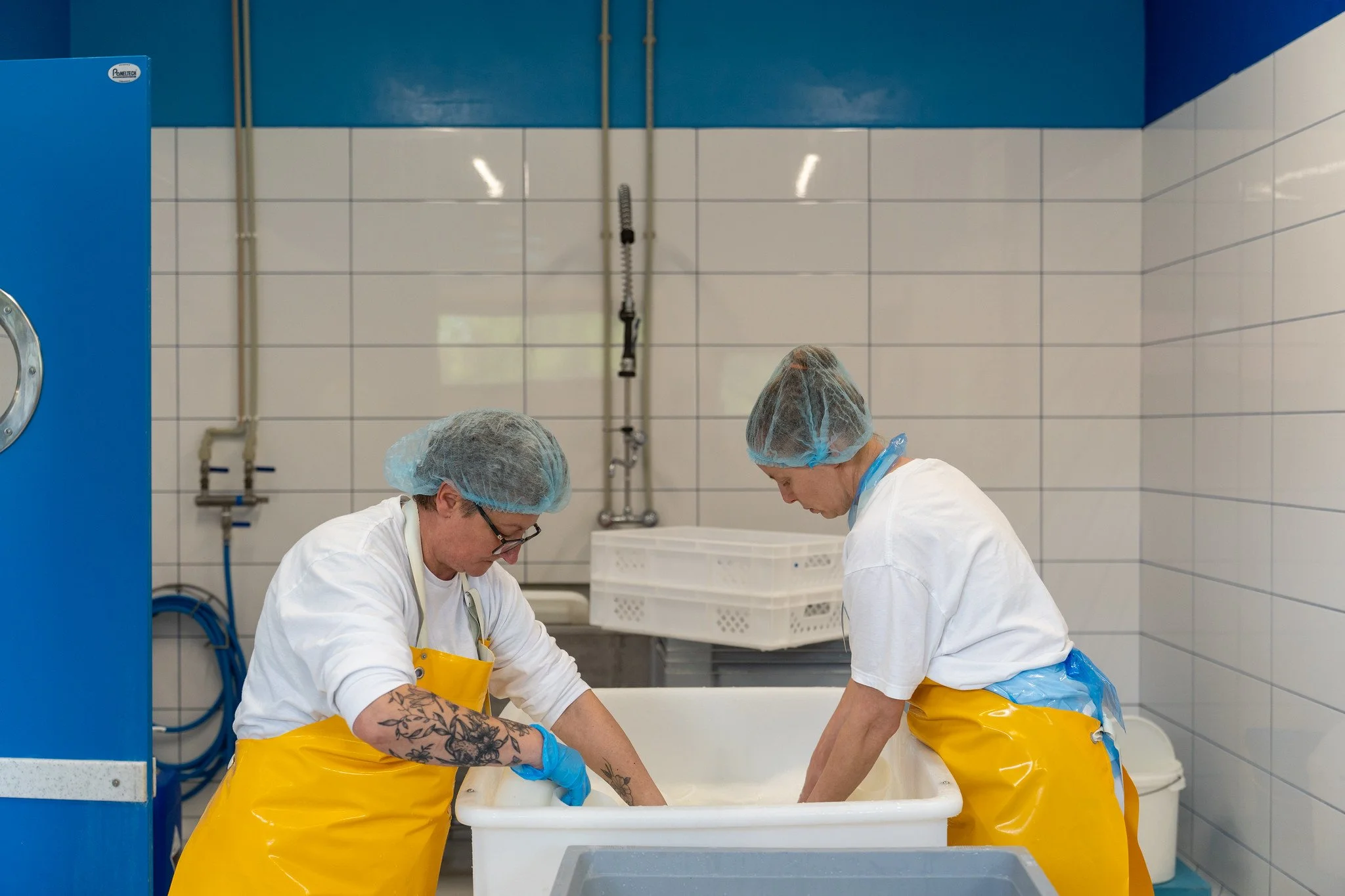
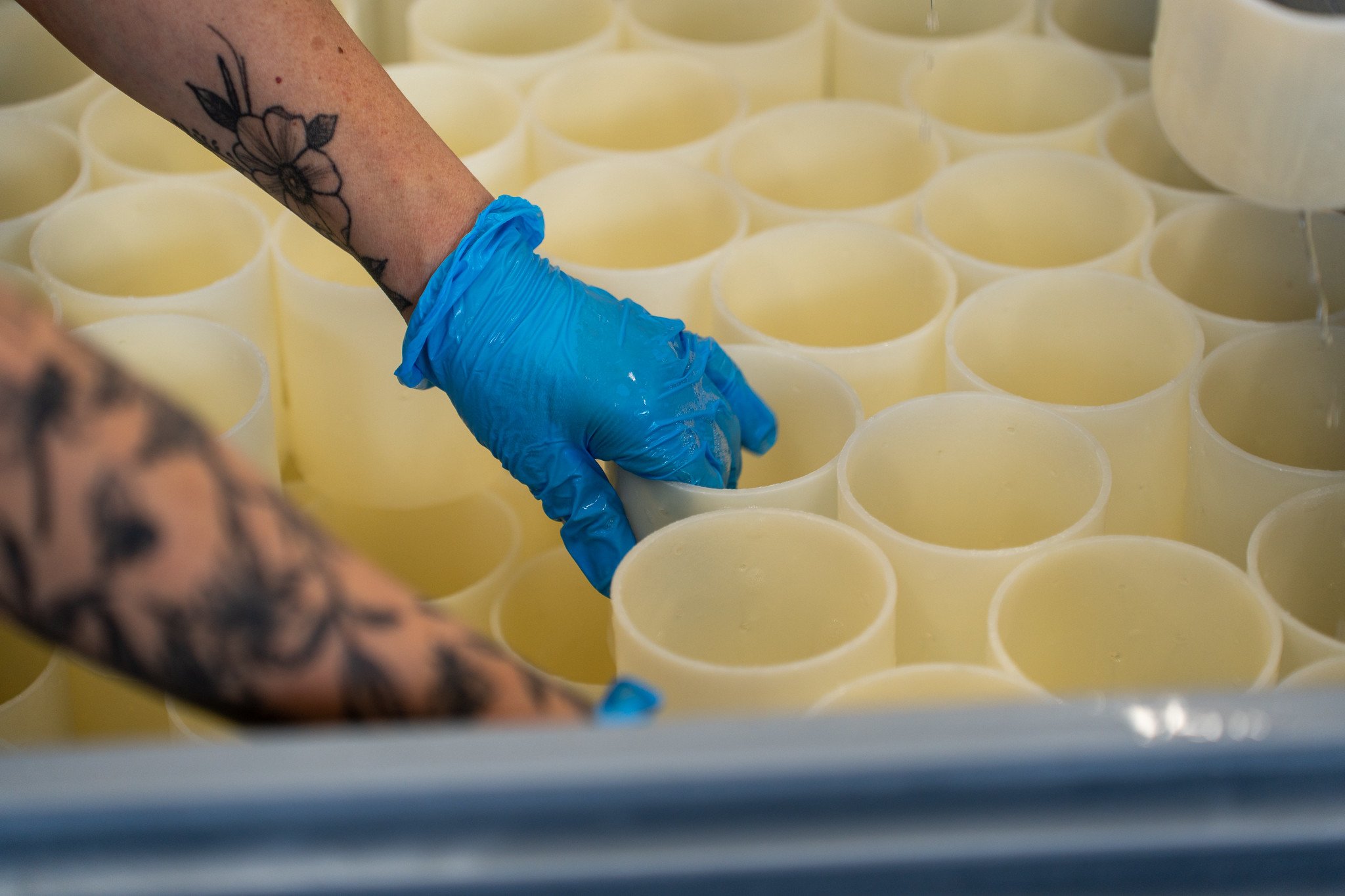
Photos: Employees at Juchowo Farm’s Vocational Training Center
Working with Juchowo Farm has also reminded us that the infrastructure behind an enterprise can be just as important as the idea itself. NESsT’s investment in the enterprise allowed Juchowo Farm to strengthen its storage and operational infrastructure, upgrading its warehouse. This meant it could handle food more efficiently and support the farm’s production and processing activities without placing pressure on the social and environmental commitments at the centre of its model.
Stronger connections can help small producers reach customers
For many small producers, the difficulty is not only producing good food. It is reaching customers consistently, understanding demand, and accessing markets without taking on costs and risks that are difficult to absorb alone.
In Romania, NESsT alumnus ROMO addresses this gap through a pre-order model that connects consumers directly with local producers. Customers order in advance, and producers bring the requested goods to scheduled collection points. This gives producers clearer information about what has already been sold before they prepare products for the market.
Since launching in 2020, ROMO has connected more than 160 producers with consumers and facilitated more than 200,000 orders through 799 collection meetings. Its experience shows how a relatively simple coordination model can give smaller producers direct access to a substantial customer community.
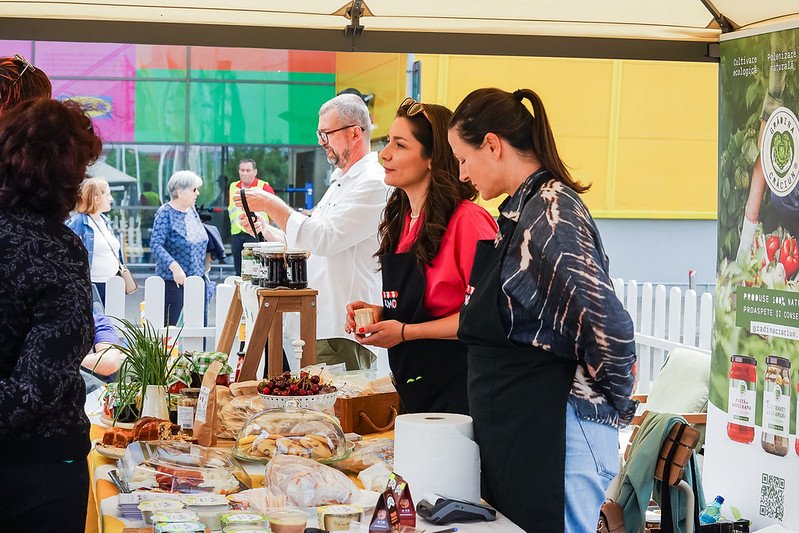
ROMO’s stall at the IKEA Sustainability Far, 2024 in Romania
Helyénvaló uses a different structure to address a related barrier. Operating as a food hub, it connects more than 150 small-scale producers with customers, creating shared access to markets that individual producers might struggle to build independently.
While the two models differ, both respond to a weakness in local food systems: small producers may have quality products but limited time, infrastructure, visibility, or negotiating power to reach customers reliably.
Building waste reduction into everyday decisions
AER Local takes another approach. Based in Romania, the enterprise combines an artisan bakery, café, store, and space for community activities. Around 90% of the products it sells are Romanian, and it works with more than 150 farmers, artisans, social enterprises, rural women, and other small producers from underserved communities.
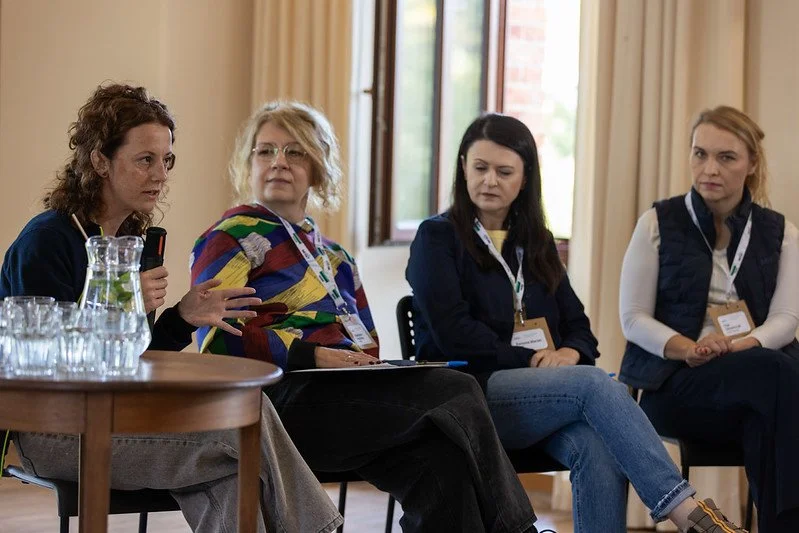
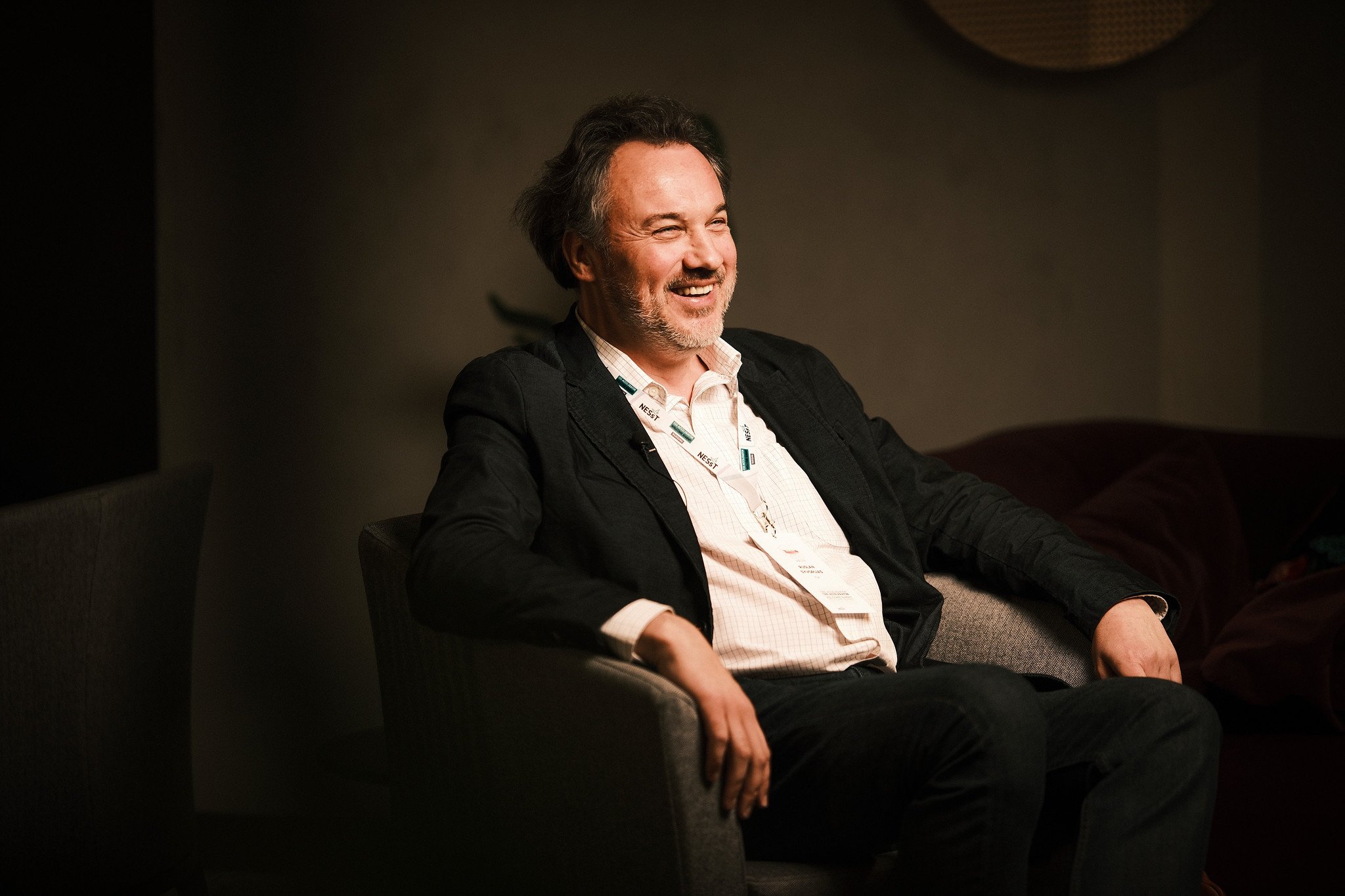
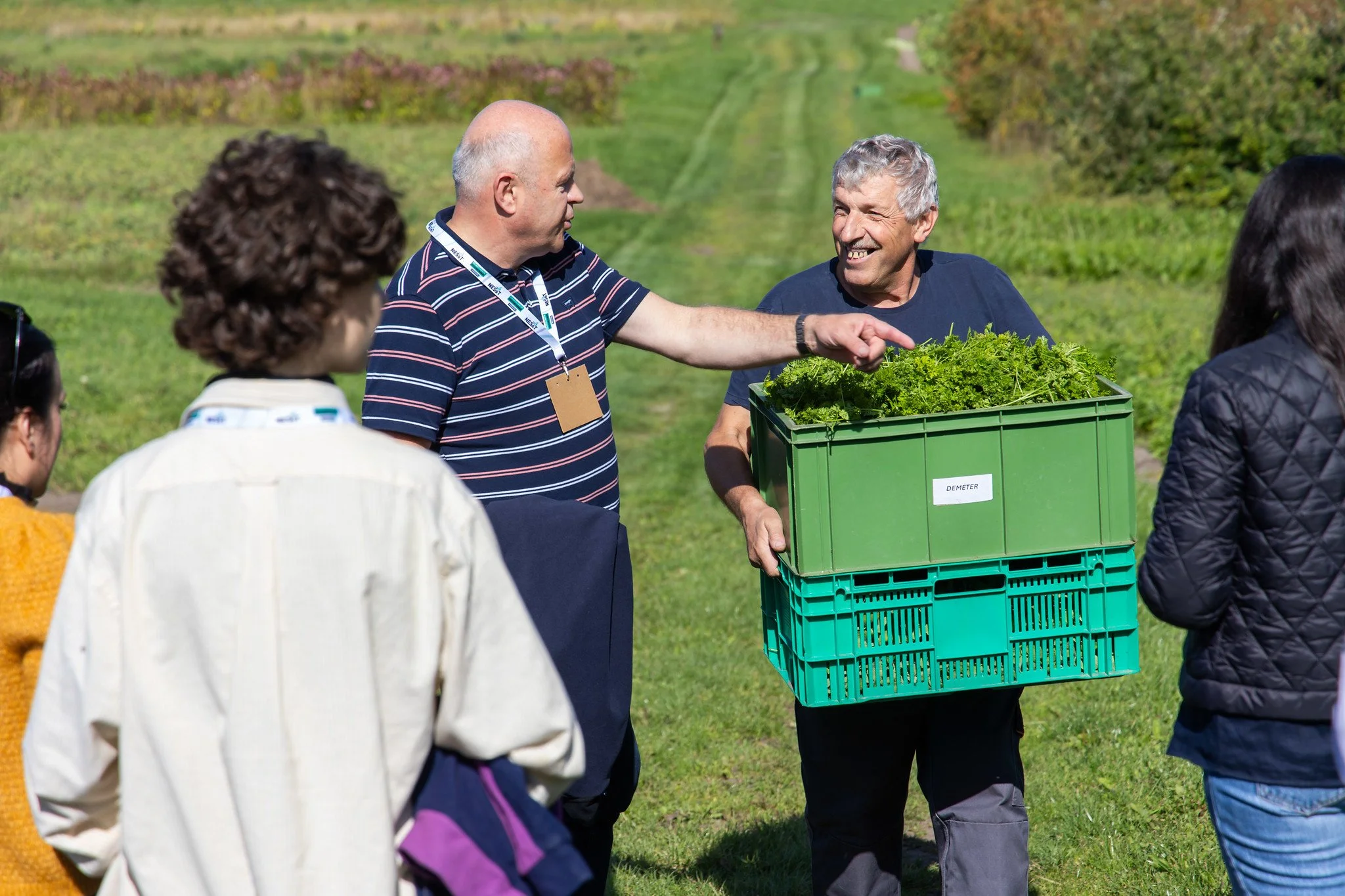
Photo: Ioana Cerescu, CEO of AER Local, speaks on a panel about the importance of self-sustainable food systems at the NESsT Portfolio Gathering in September 2026, Juchowo Farm, Poland
Its lower-waste practices are part of the business’s daily decisions. AER Local uses refill and bulk systems, reduces packaging, incorporates ingredients approaching their expiration dates into production, and repurposes unsold bread into new products.
This distinction matters. Waste reduction is not treated as a separate campaign or an activity that sits alongside the commercial model. It influences what the enterprise purchases, how it produces food, which suppliers it works with, and what happens to products that remain unsold.
For an enterprise like AER Local, growth is not simply a matter of selling more. It also means maintaining the sourcing relationships, operational practices, and environmental commitments that distinguish the business in the first place.
What scaling means depends on the enterprise
When a social enterprise joins the NESsT portfolio, one of the questions we explore together is what greater impact would mean for that specific company.
As we’ve seen, for a food bank, it might mean rescuing and redistributing more food or extending employment support to more people. For a farm, it might mean improving storage or processing infrastructure so that more value can remain at the point of production. For a producer network, it might mean connecting additional farmers with reliable markets. For a retailer, it might mean reaching a wider customer base without abandoning the local sourcing and low-waste practices on which its model was built.
These are different growth paths, and none depends on capital alone. Enterprises may need to strengthen their leadership teams, improve logistics, understand new markets, build partnerships, measure environmental results, or adapt their operations without weakening their commitment to inclusive employment.
Across the wider NESsT portfolio, this work is made possible through different forms of partnership and collaboration. Our acceleration programs provide sustained business support. Recoverable grants allow organizations to test approaches, strengthen their internal capacity, and measure outcomes that may not produce an immediate financial return. Patient capital can finance the next stage of growth once an enterprise is ready. Corporate expertise, for example through mentoring with IKEA co-workers, and commercial relationships can open access to technical knowledge, infrastructure, and markets.
Reaching more enterprises with the potential to create change
The social enterprises featured here do not provide a single answer to food loss and waste. What they offer is a set of working responses grounded in the places where food is grown, processed, sold, and redistributed.
Food reaches people instead of being wasted. Small producers gain routes to market. People facing barriers to employment gain opportunities to work. Rural communities retain more of the value created through food production.
The next step is to reach more enterprises with the potential to produce this kind of combined impact and ensure that they can access the patient support, appropriate capital, infrastructure, and relationships needed to become stronger.
On this International Day of Awareness of Food Loss and Waste, the experience of these enterprises offers a practical case for investment. With more partners working alongside us, we can identify and support more social enterprises that are using business to address environmental challenges, create quality jobs, and build economic opportunities in their communities. Together, we can give more locally rooted solutions the acceleration, capital, infrastructure, and connections they need to become stronger and deliver lasting impact.
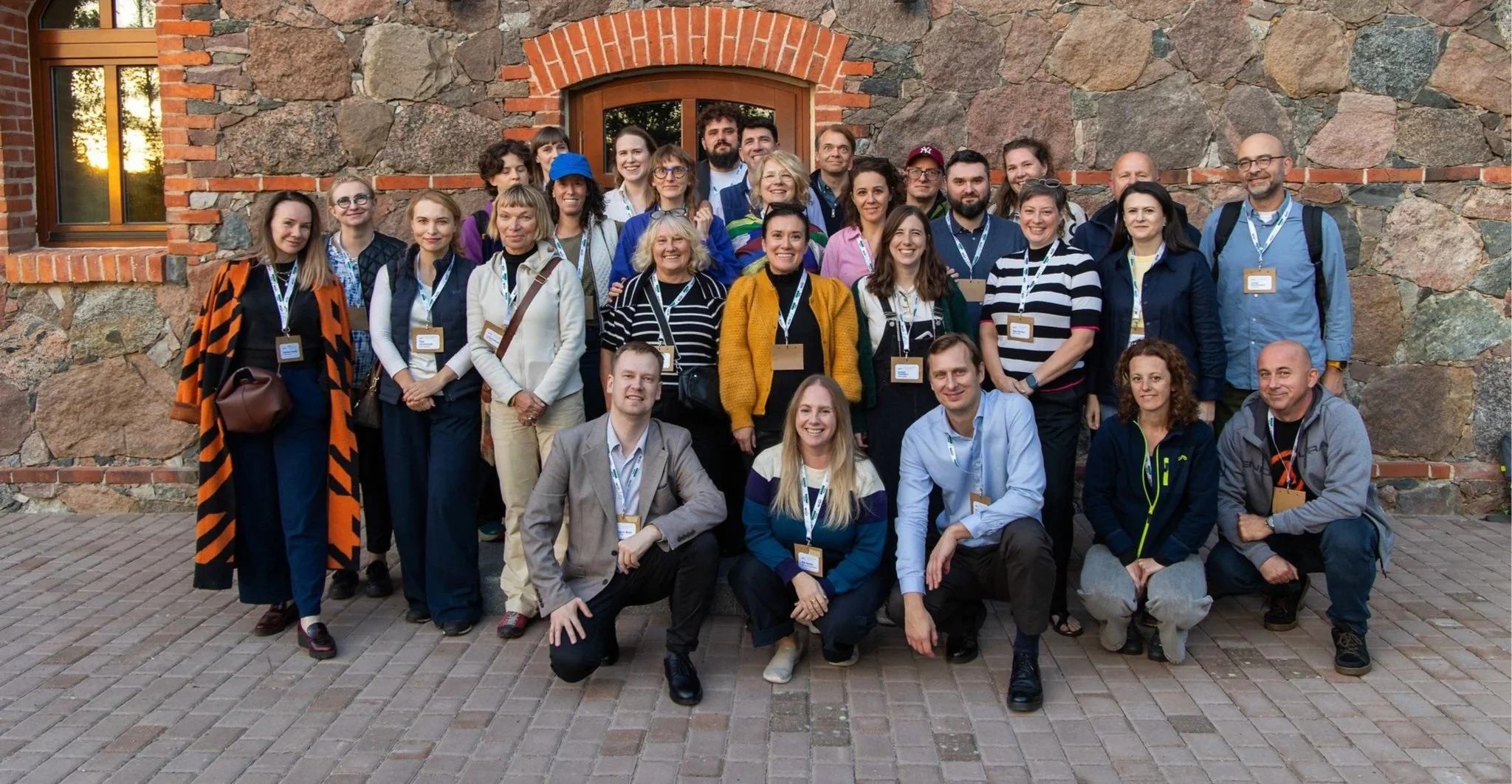
Interested in joining us?
Learn more at the link below