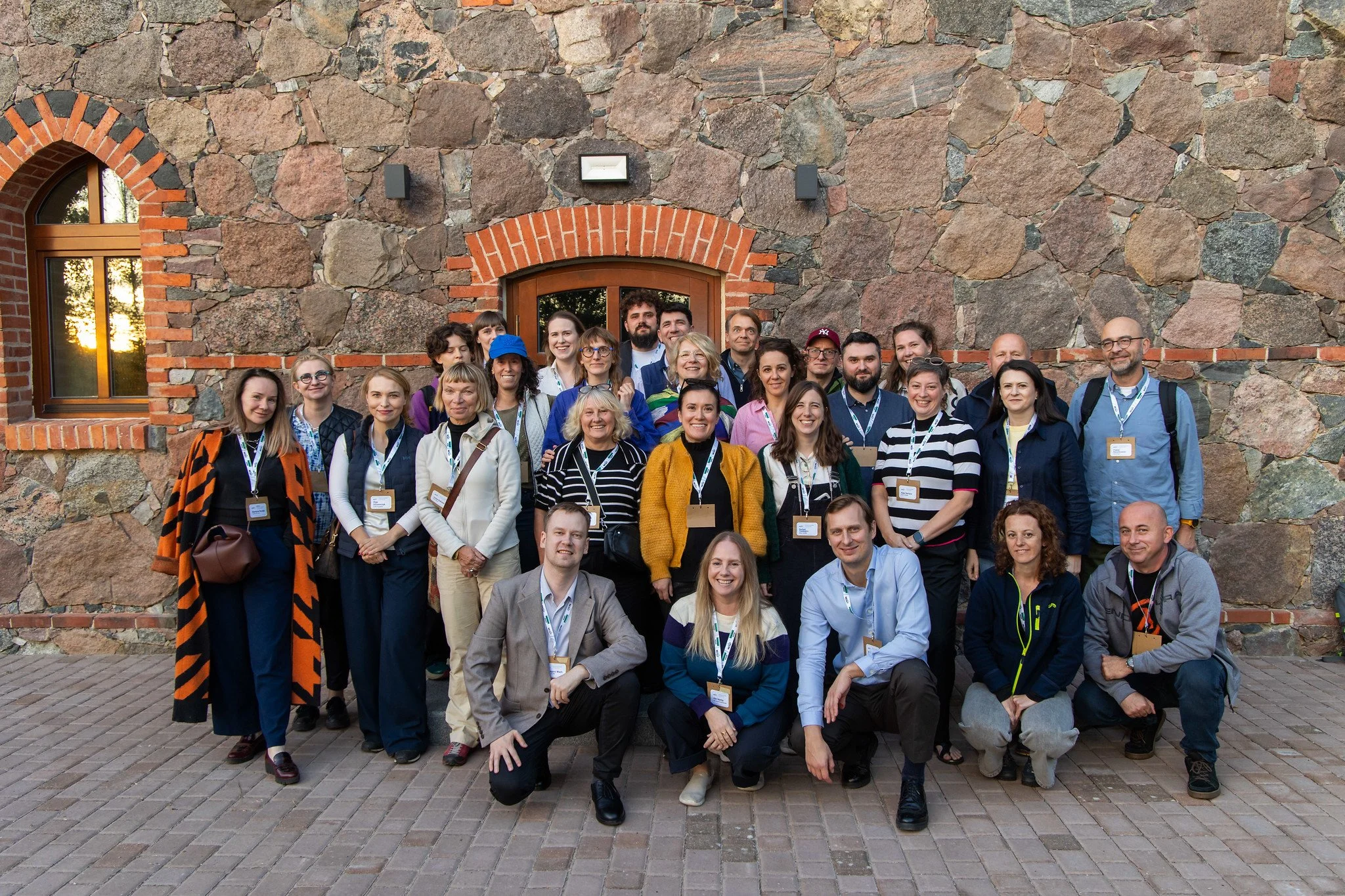
This World Food Day, we’re looking back at last month’s NESsT portfolio gathering at Juchowo Farm in Poland, where we came together with eight social enterprises and representatives from IKEA and IKEA Social Entrepreneurship to explore what becomes possible when food systems are designed around the needs of people, communities, and the environment.
From 14–15 September 2026, social entrepreneurs from Poland and Romania joined the NESsT, IKEA, and IKEA Social Entrepreneurship teams at Juchowo Farm in northern Poland. The eight participating enterprises included AER Local, Bank Żywności w Olsztynie, Fundacja Blisko, CoopTech Hub, Juchowo Farm, KARMNIK, HECA, and UtilDeco. Together, they brought experience across organic and regenerative farming, food rescue, inclusive employment, local producer networks, cooperative models, and rural development.
While food provided the common thread connecting the eight enterprises, each had developed a unique business model in response to the needs of the places and communities where they worked. Across the two days, we delved into those different approaches and explored together how food can become a starting point for supporting small producers, creating inclusive jobs, strengthening communities, and caring for the land and natural resources that make food production possible.
Mapping value across the food system
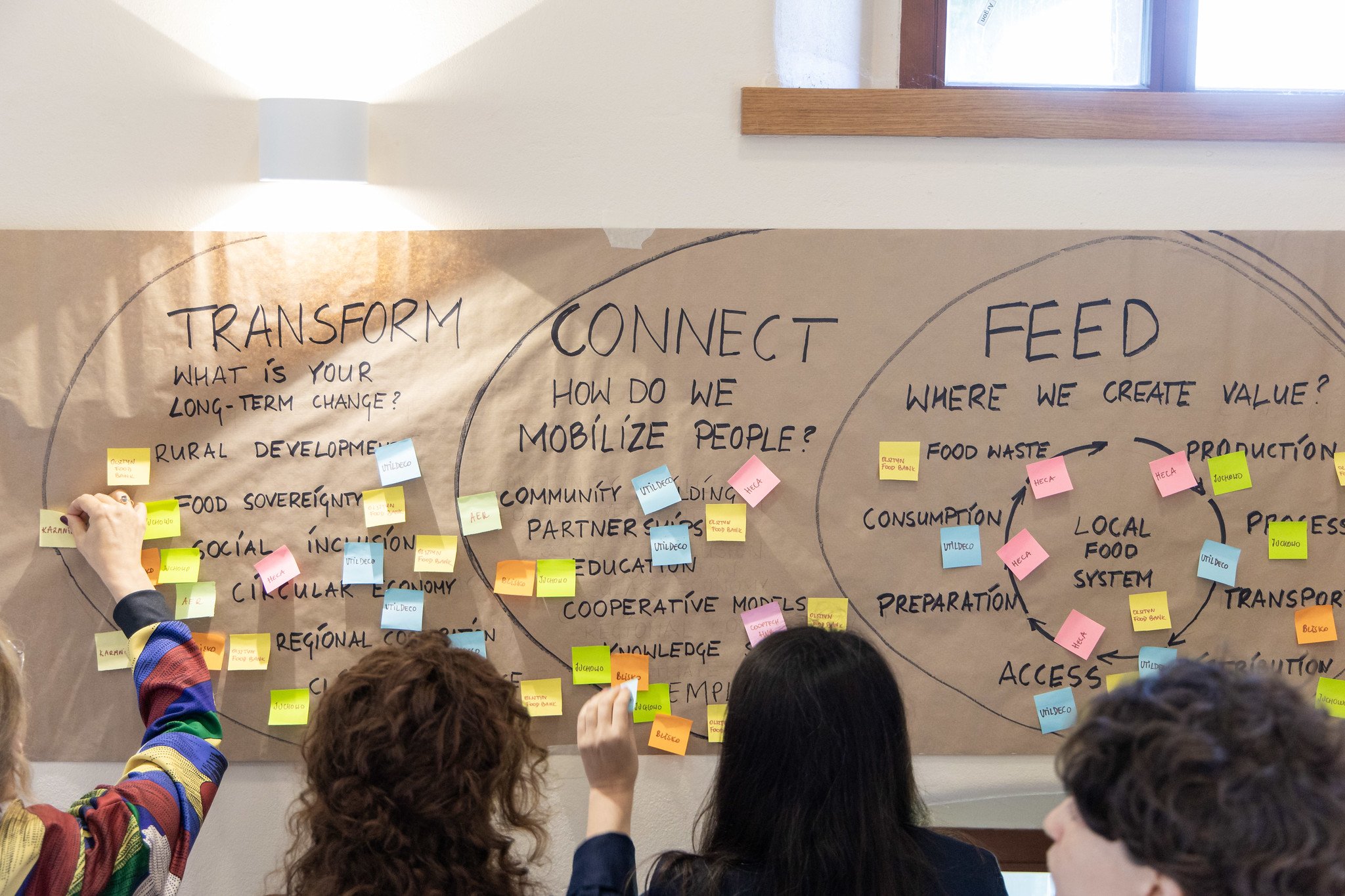
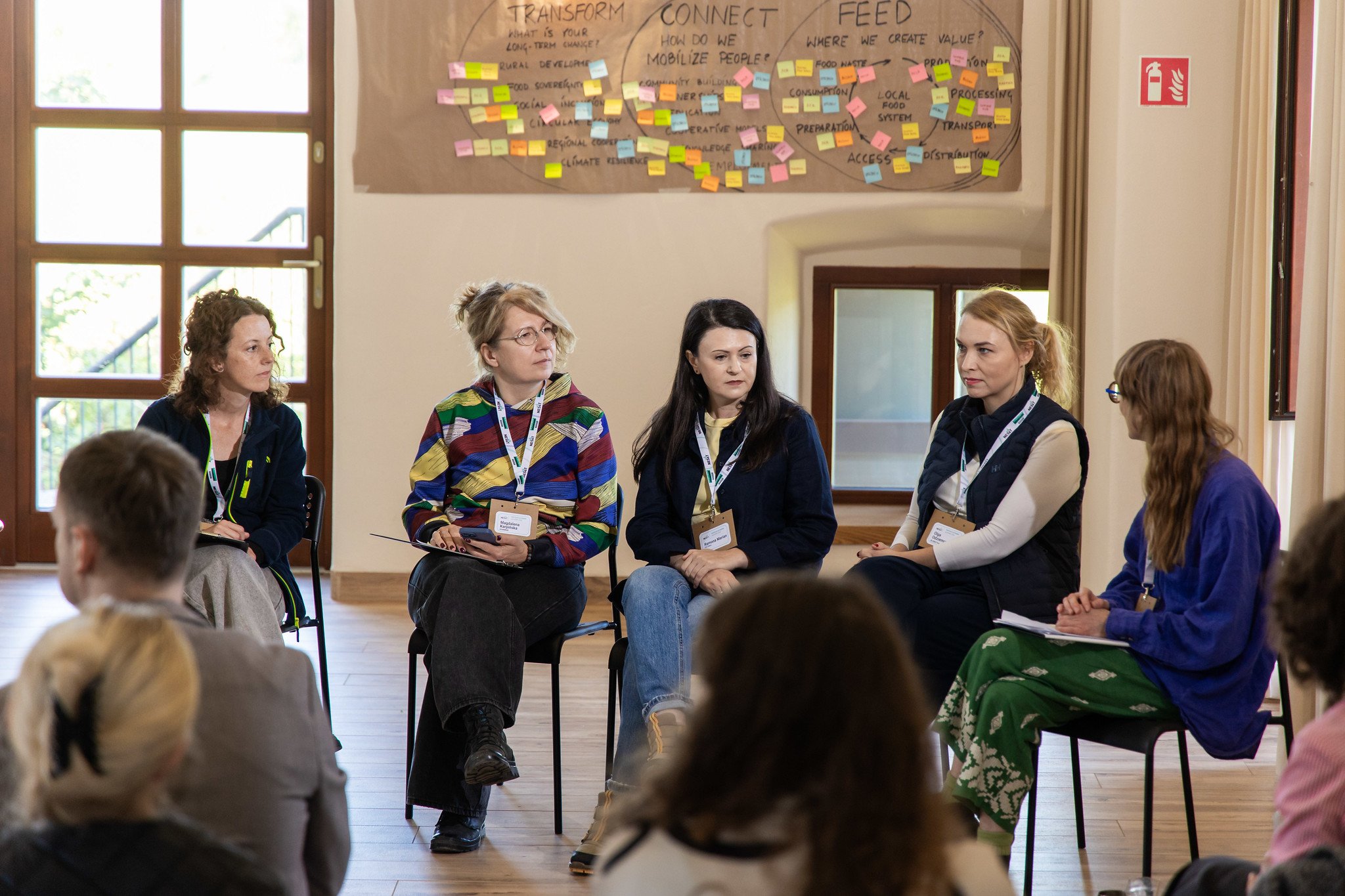
We began the gathering by asking each enterprise to place its name on a map of the local food system, marking every point where its work creates value. The map followed food from production and processing through distribution, access, consumption, and food waste.
Few enterprises stayed in one place. Their work extended across several parts of the food system, connecting farmers with customers, creating jobs and income opportunities along the food chain, reducing food waste, improving access to healthy food, and helping local economies retain more of the value created through food. The map also showed how a business that begins with producing or distributing food can play a wider role by helping small businesses grow, educating consumers, or strengthening relationships between producers and local markets.
NESsT portfolio manager Justyna Markowicz then invited each entrepreneur to reflect on three questions in a roundtable:
Where does your enterprise create value, and for whom? How does it bring people together around that work? And what long-term change are you trying to build?
The answers showed how enterprises working in different parts of the food system can respond to very different needs.
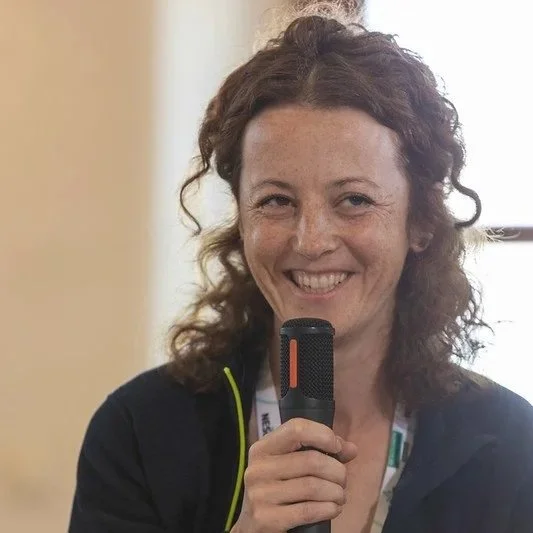
Ioana Cerescu, CEO and founder of AER Local, shared how the Romanian social enterprise supports 115 local producers who might otherwise struggle to reach customers on their own. Through its zero-waste store and bakery, AER brings locally produced food into one marketplace while helping the small farmers and businesses behind those products grow.
As Ioana shared: “Healthy food should be a right, not a privilege.” For AER, this means supporting the local producers who grow and make it, helping them reach customers, and connecting production, distribution, and consumption all within the same model.
In northeast Poland, the Olsztyn Food Bank (Bank Żywności w Olsztynie) works from another part of the food system. It rescues surplus food and redistributes it to more than 70,000 people each year, preventing usable food from going to waste while helping people who are struggling to access it.
The organization also runs Kuźnia Społeczna, a social enterprise that earns revenue through catering, restaurant services, culinary workshops, and a coworking space. This commercial activity helps support the Food Bank’s wider mission-driven work, which includes preparing people for employment and helping them find jobs.
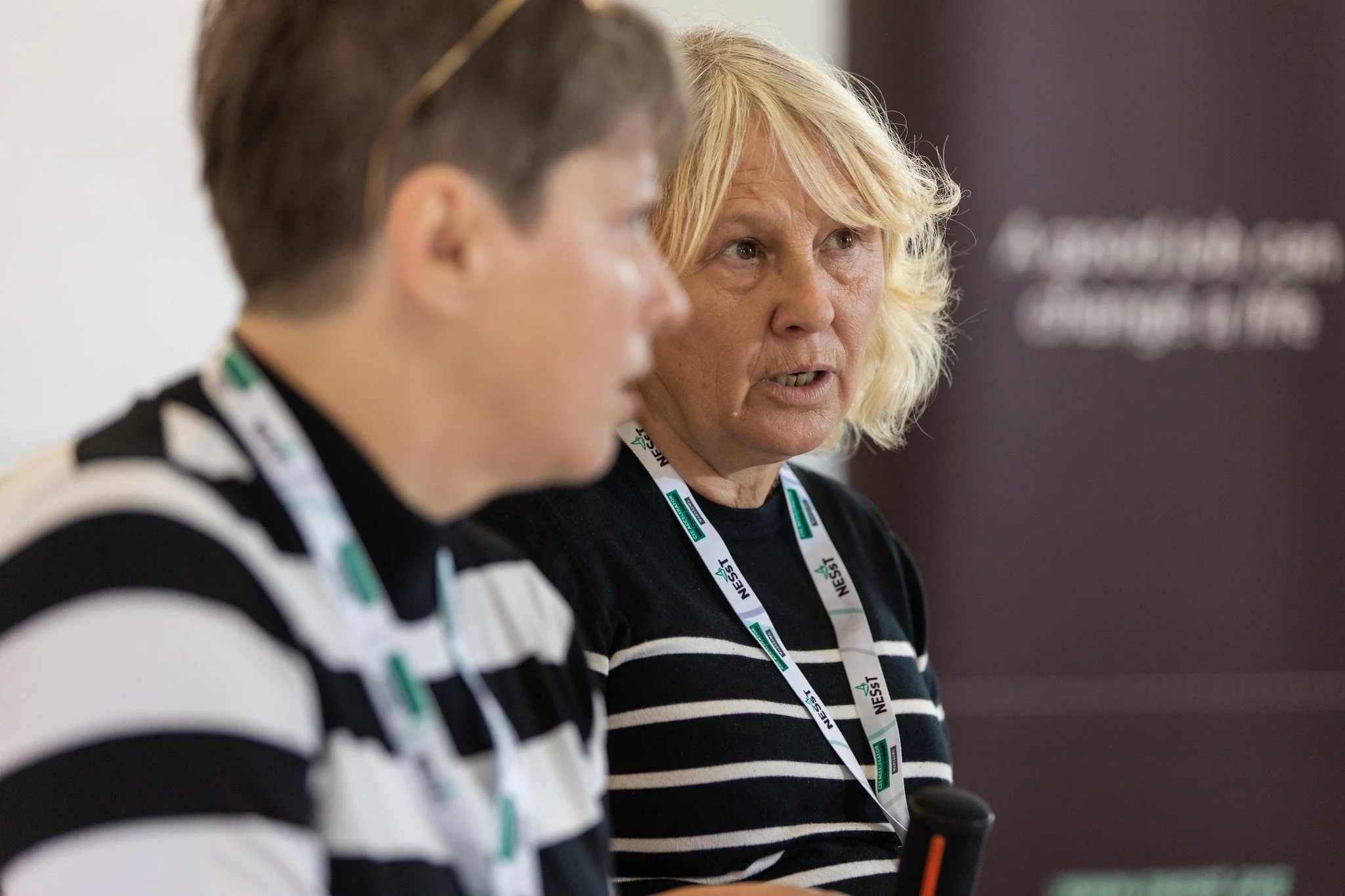
As Jolanta Markiewicz of Bank Żywności w Olsztynie reflected: “Food is a means to build communities that are resilient and can face challenges.”
Inclusive food systems in practice at Juchowo Farm
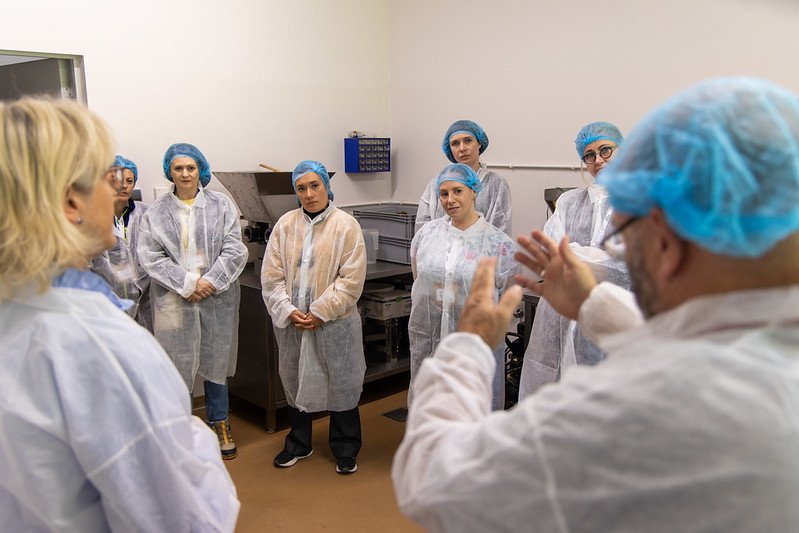
The afternoon gave participants the opportunity to see many of the ideas discussed in practice on a tour Juchowo’s biodynamic farm and Vocational Activity Center.
The wider Juchowo Rural Project manages 1,833 hectares using organic and biodynamic farming methods. Its activities extend from growing crops and regenerating the land to processing and selling food, creating employment, and supporting the wider rural area.
At the Vocational Activity Center, employees contribute across that system. They cultivate and harvest herbs and fruit grown organically at Juchowo, prepare natural drinks and preserves from seasonal produce, bake fresh sourdough bread and cookies, and package the finished products.
This diverse range of activities makes it possible to organize work around different strengths and abilities. Fieldwork can be physically demanding, while roles in processing, herb drying, baking, packaging, and labeling require different skills. Each step matters to the quality of the final product.
The center has combined employment with vocational training and rehabilitation for people with disabilities since 2018. In 2025, it provided dignified employment and hands-on training for 51 people with disabilities.
The support around the job is just as important as the work itself. Transportation allows employees to travel from nearby rural areas where employment opportunities are limited. Adjusted working hours, rehabilitation, social-skills training, and cultural activities help employees sustain their job, build practical skills, and develop relationships beyond their immediate families.
“I feel like I’m really needed here,” shared one employee at Juchowo’s Vocational Activity Center.
In the video below, another Juchowo employee describes how work helped them leave the house again, meet new people, and feel motivated to get up in the morning.
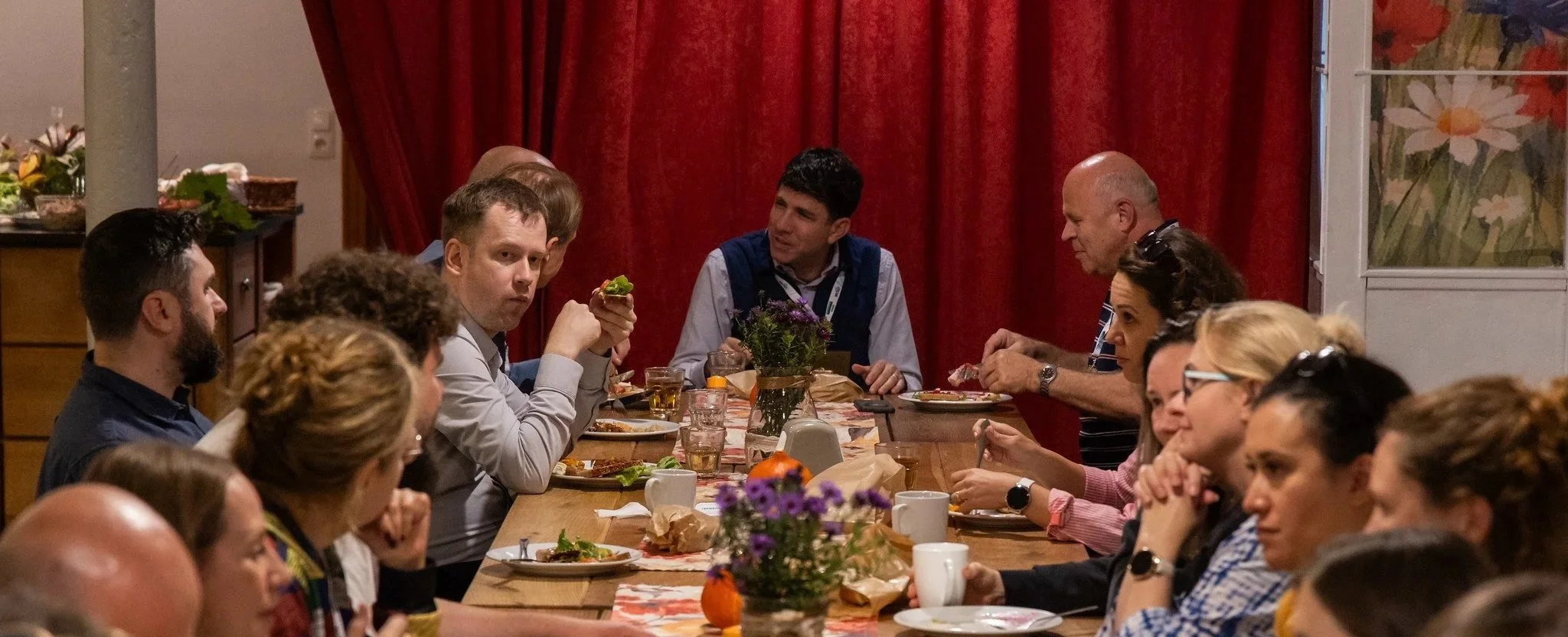
Later that afternoon, participants in the portfolio gathering had the opportunity to take part in the food production process themselves, making sweet bread together with ingredients produced on the farm. After a day spent discussing how food connects people, work, and place, the group ended up around the same table, sharing something they had made together.
Connecting experiences across the food system
The day’s discussions moved from where each enterprise creates value to what it takes to sustain and grow that work.
Entrepreneurs compared their experiences of building reliable revenue streams, reaching new customers, developing local partnerships, and expanding without losing sight of the people or environmental goals at the heart of their enterprises.
The entrepreneurs also spoke about what helps them continue when the work becomes demanding. Ioana Cerescu shared that she often returns to the reason she began. For Jolanta Markiewicz, the work is not “work” in the traditional sense, but an ongoing way of learning.
For entrepreneurs balancing the daily demands of running an organization with longer-term impact goals such as supporting more producers, creating better jobs, and protecting the natural resources their enterprises depend on, the gathering gave space to compare these experiences openly and honestly, and the differences between their models made the exchange more useful.
What inclusive food systems can make possible
The enterprises gathered at Juchowo did not offer one model for the future of food. Instead, they showed how enterprises working at different points in the food system can create value for people and the environment while remaining commercially viable.
Growing, processing, and selling locally grown food can create meaningful jobs for people who face barriers to traditional employment. A local marketplace can help small producers build sustainable businesses while giving residents better access to healthy food. Rescuing surplus food that companies would otherwise discard can meet an immediate need while supporting training and pathways into catering and other roles.
What these models have in common is not a single product or business approach, but a broader understanding of how value can be shared across the food system. The choices each enterprise makes about whom it employs, which producers it works with, what happens to surplus food, and how it uses natural resources determine who benefits from its work.
We all left Juchowo feeling revitalized and well fed, and with the sense that our time together had moved us one small step closer to a more inclusive and sustainable food system.