For the International Day of Rural Women, NESsT CEO Chad Sachs reflects on why the responsibility of gender lens investors goes beyond collecting data to understanding whose work and contributions our impact numbers may leave out.
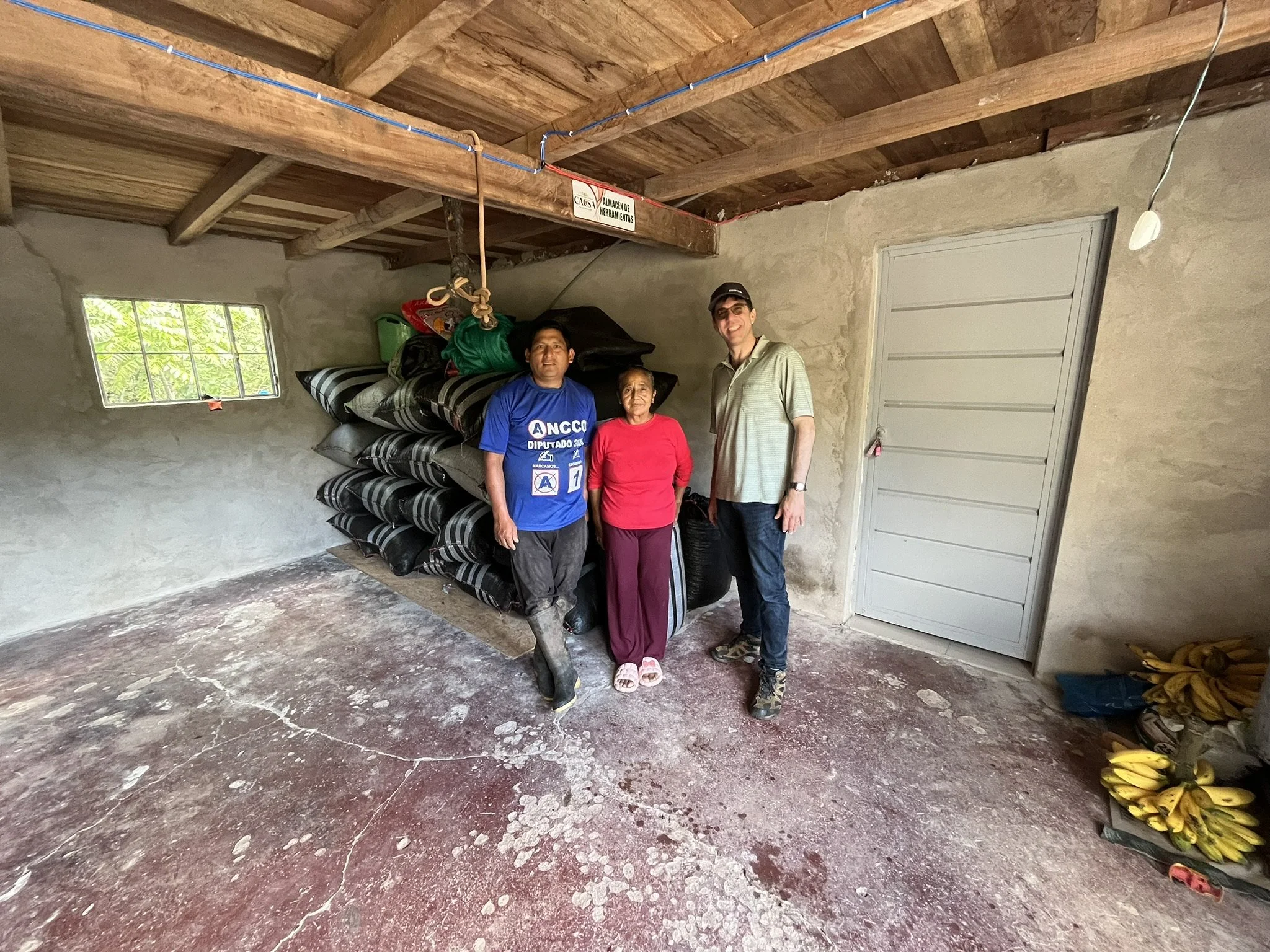
Chad Sachs (left) with members of Cooperativa Santa Ana on a recent site visit.
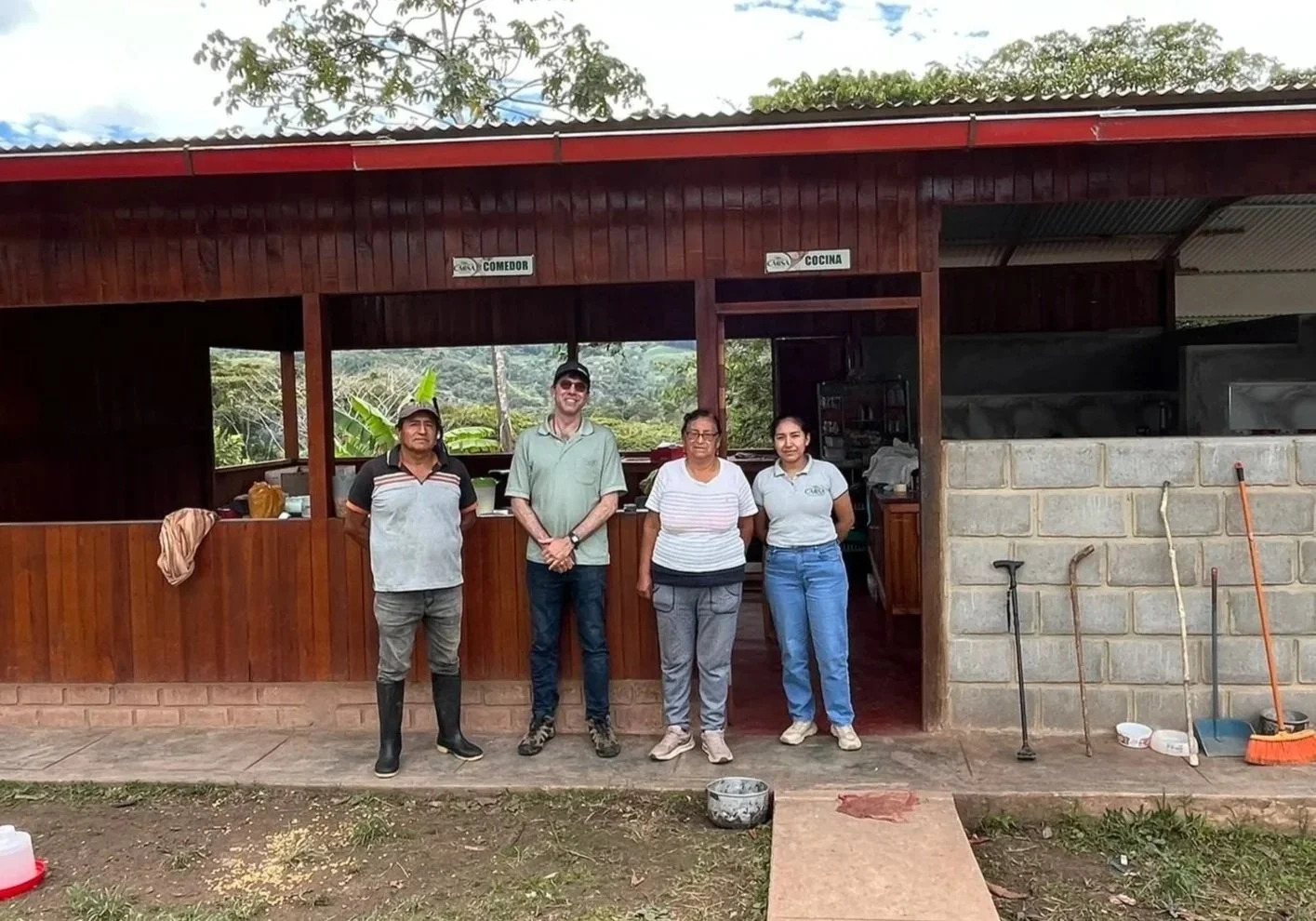
During a recent visit to Cooperativa Agraria Cafetalera Santa Ana in Junín, Peru, one of its members showed us around his small farm. He explained how he grew and harvested his coffee and how the cooperative helped him sell it. Then he introduced us to his aunt.
She also grew coffee, but on a smaller plot nearby. She had decided that becoming a cooperative member did not make sense for the amount she produced and the obligations involved. Instead, she gave her harvest to her nephew, who delivered it to the cooperative alongside his own.
She grew the coffee and earned income from it. But in the cooperative’s records, the coffee came from her nephew. He was the registered member and the person formally recognized as the supplier.
That conversation stayed with me because it connected with what I and our teams have seen during visits to our portfolio companies in Brazil, Colombia, and Peru.
“When gender lens investors count producer numbers, whose work is represented in those figures, and whose work is left out? ”
In many rural families, women work alongside their husbands growing coffee and cacao or gathering forest products such as Brazil nuts and açai. They plant, weed, and harvest crops, process products, check their quality, keep records, attend training, and help decide how the family will invest in the next harvest.
Yet on paper, only their husband appears as the registered landholder and cooperative member.
Together, these situations brought a wider question into focus: when we, as impact investors, count producers, whose work is represented in those figures, and whose work is left out?
Looking beyond the numbers
At NESsT, we look at women’s participation in several ways: how many women are employed on the payroll, how many hold leadership positions, and how many are among the producers and suppliers receiving direct income and support.
For rural cooperatives, official member lists give us a clear and consistent picture of who is formally registered. That matters because membership can bring voting rights, access to cooperative services, and a recognized role in decisions.
We want to see more women become members and take on leadership roles. But our conversations with cooperative members and farming families have shown us that formal representation cannot be the only evidence we consider.
Representation is not the only outcome a gender-lens investor should measure
What we want to understand is whether women are earning income from their work, accessing the cooperative’s services, and having a say in decisions that affect their farms and livelihoods.
One way to do so is asking better questions. In our Peru portfolio, Cooperativa Santa Ana and Cooperativa Agraria Mishagro have started using existing farm visits and producer interviews to better identify who actively contributes to crop production as part of their producer traceability processes, for example:
Is the farm managed jointly with a spouse or partner?
Who participates in harvesting, drying, processing, and quality control?
Does a non-member partner attend technical training or cooperative assemblies?
Who contributes to decisions about purchases and reinvestment?
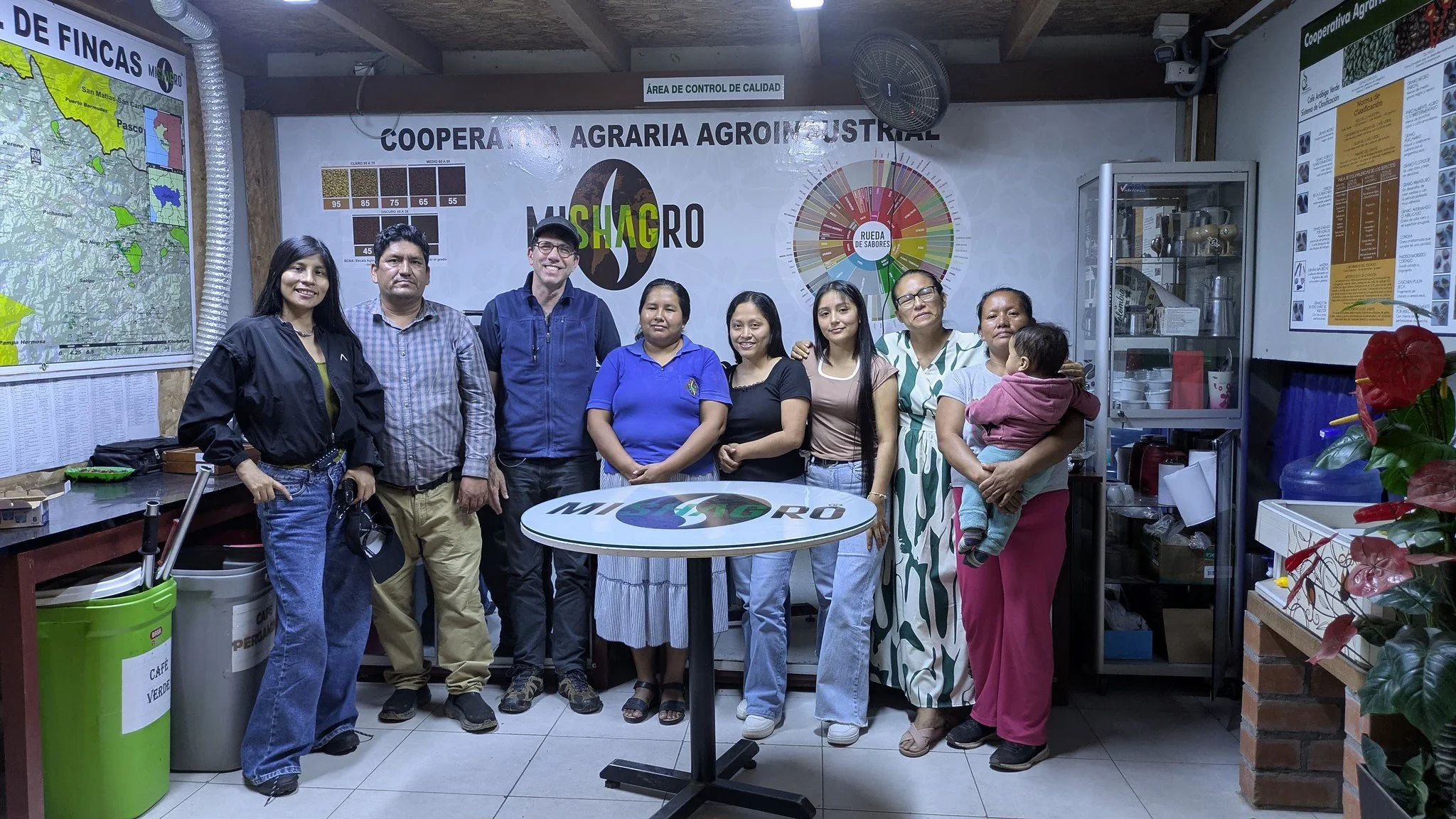
Ana Belen Jalixto Romero, NESsT Lirio Fund portfolio manager (left), and Chad Sachs (third from left) with the Mishagro team
These questions do not replace official membership data. They help us understand who is contributing beyond the person named in the records, whether those people can access the cooperative’s services, and what may still be preventing them from participating more formally.
Yet better questions are only useful if the answers lead to action.
Impact numbers as the starting point for change, rather than the end result
This is where gender action plans can be useful. We develop them with each of our portfolio enterprises and the women they hire or supply from, using both what the data tells us alongside what people tell us directly. The aim is to identify changes that make sense for that particular enterprise, rather than assume the same approach will work everywhere.
A conversation with our team Colombia brought this home for me. In one specific cooperative, women’s attendance at assembly meetings is low. Cooperative members explained that some assemblies last all day, which can make it difficult for women responsible for childcare to attend.
Once we understand the barrier, we can then begin thinking about a practical response. Providing paid childcare and activities alongside an assembly, for example, could give more women the opportunity to take part in decisions affecting their farms and livelihoods. So rather than adding another indicator, this becomes about identifying and removing barriers.
In other enterprises, the gap has been about women having a recognized space to organize, raise priorities, and influence decisions. At CooperSapó in Brazil, women formalized their own group within the cooperative. The group is now generating additional income for its members and giving them a more organized way to influence the cooperative’s direction.
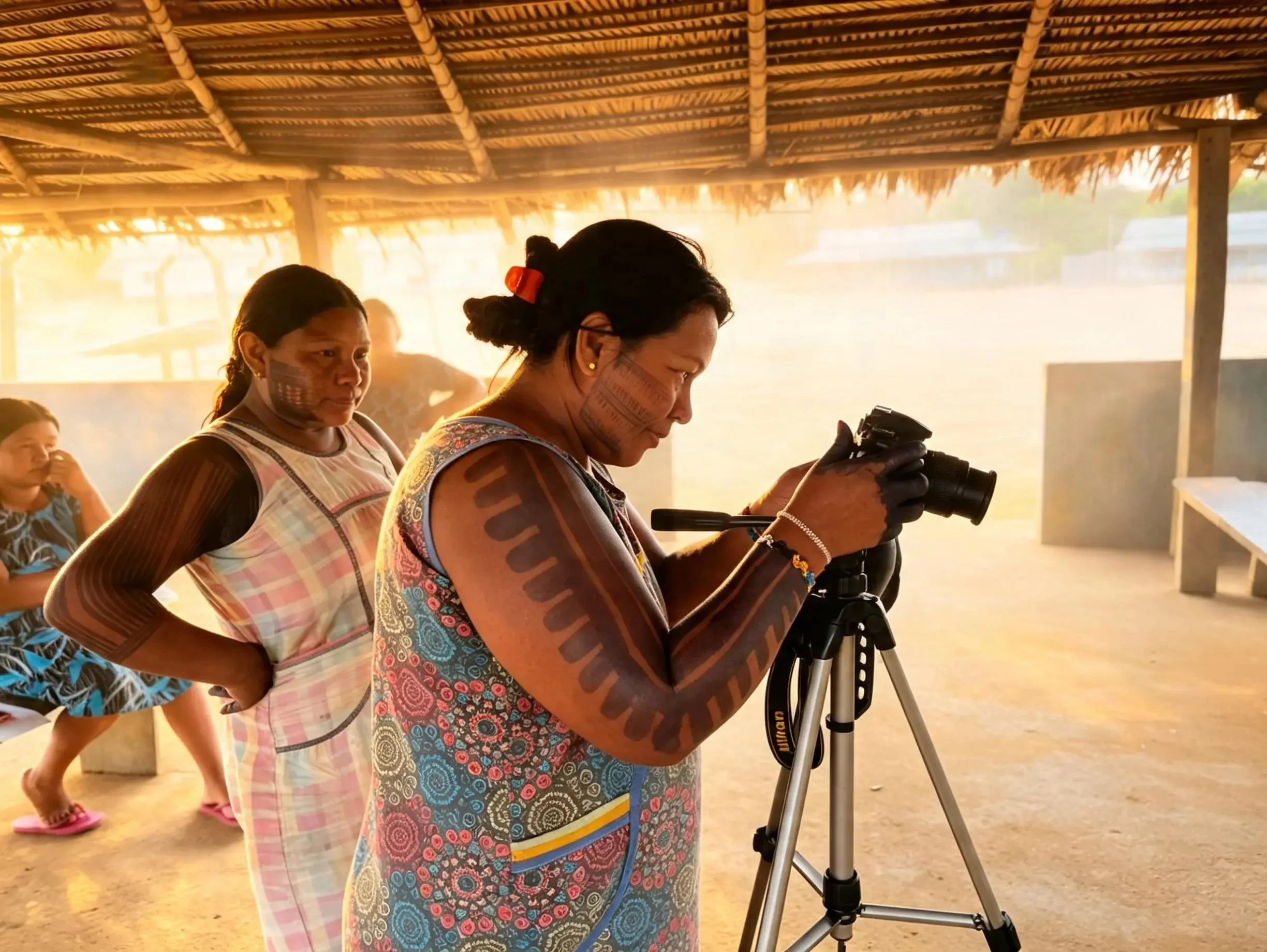
In August 2026, the women of ABEX took part in a media training course organized by ABEX with the support of NESsT
Other Amazon-based enterprises have taken different approaches. AFIMAD in Peru elected an all-women board of directors in 2023, while three women now sit on ABEX’s 12-member board in Brazil. Xikrin Indigenous women at ABEX are also forming their own group to help shape the priorities and decisions affecting their territory.
What matters in each case is not simply that a new committee, group, or board exists. The real test is whether women can use that space to bring forward their priorities, influence decisions, and gain more direct access to income and opportunities.
What gender lens investors should take away from this
We would not understand these differences from a data spreadsheet alone. They become clearer when our teams visit farms, speaks directly with women and registered members, and have honest conversations with cooperative leaders about how work and decisions are shared. Staying close to the enterprises we support also gives us the opportunity to test these changes together, rather than impose new reporting requirements from a distance.
“Our responsibility as gender lens investors is not simply to count what is easiest to see. It is to keep looking carefully enough to understand whom our numbers may still be leaving out. ”
We should keep measuring women’s membership and leadership because formal representation matters. But we also need to understand whether women are earning income, accessing cooperative services, and having a meaningful say in decisions.
I am not convinced that one indicator will ever capture all of that. What we can do is ask more precise questions, listen carefully to the answers, and use what we learn to address the barriers women themselves identify.
The aunt I met was growing and selling coffee. The women working alongside cooperative members are cultivating, harvesting, learning, and contributing to decisions. Their participation is real, whether or not it currently appears in the most visible impact figures.
Our responsibility as investors is not simply to count what is easiest to see. It is to keep looking carefully enough to understand whom our numbers may still be leaving out.