
Across the Amazon, Indigenous Peoples, Black communities, riverine populations, and other traditional groups are leading enterprises that generate dignified livelihoods, strengthen local economies, and safeguard ancestral ways of life — all while keeping the forest standing.
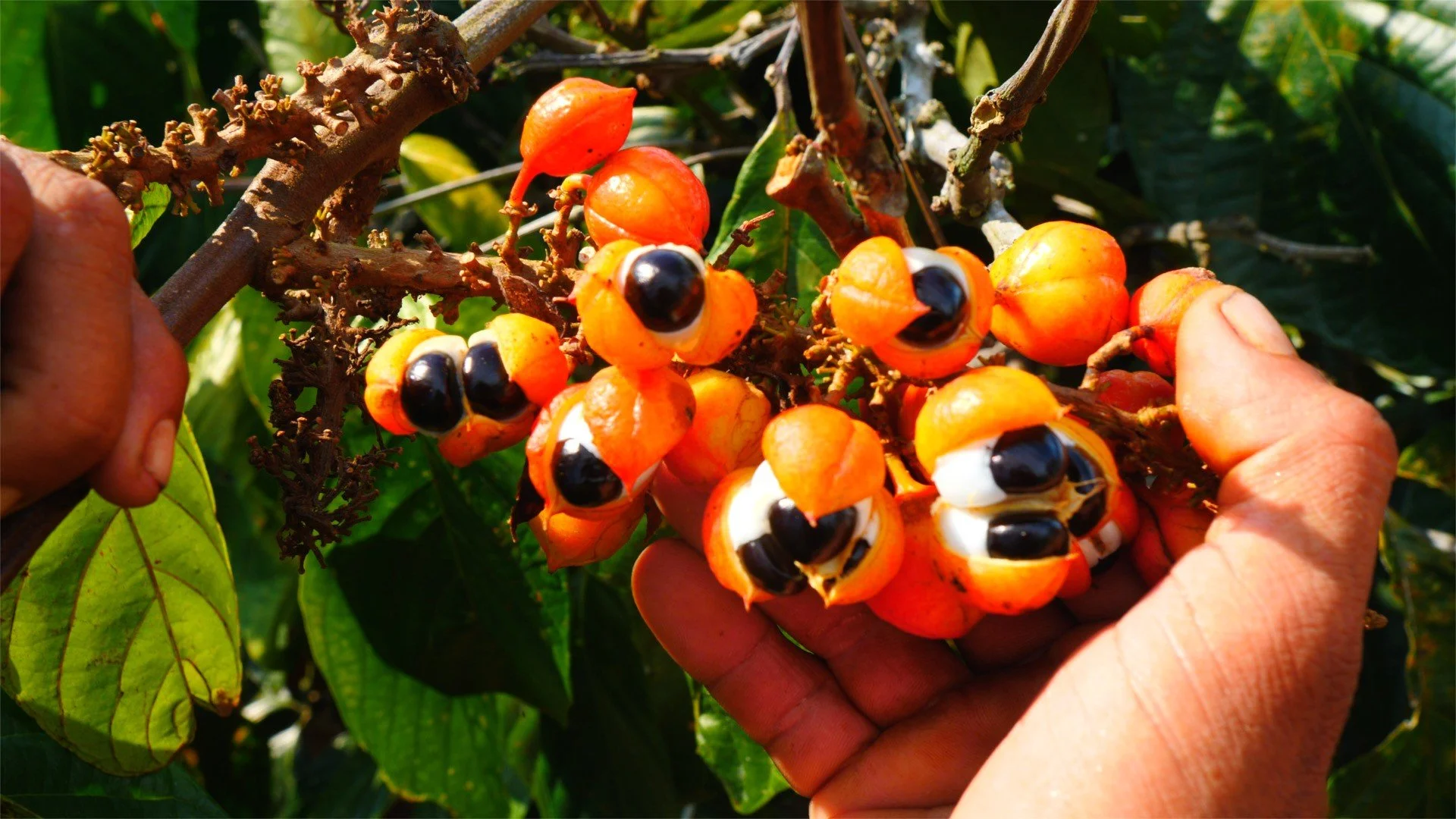
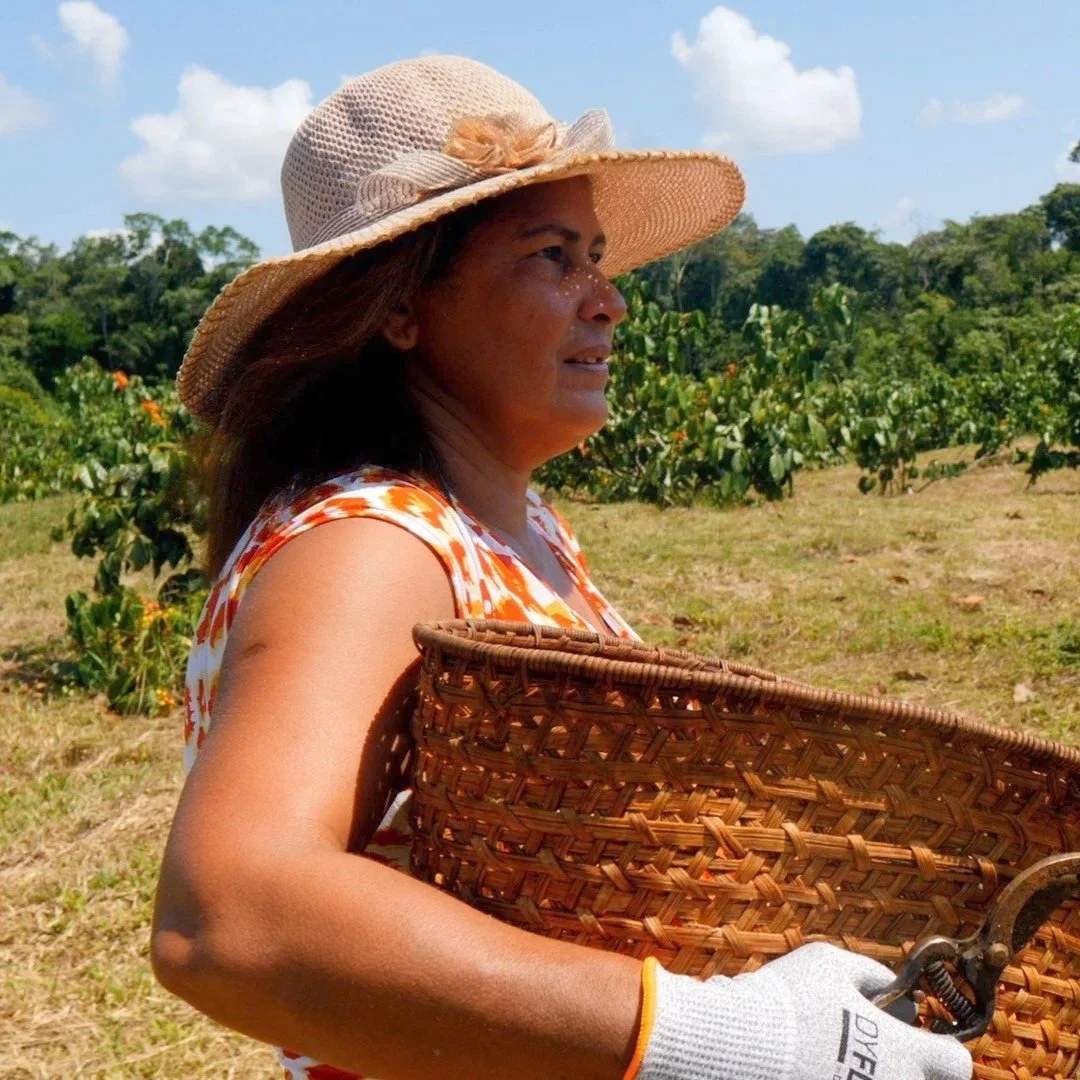

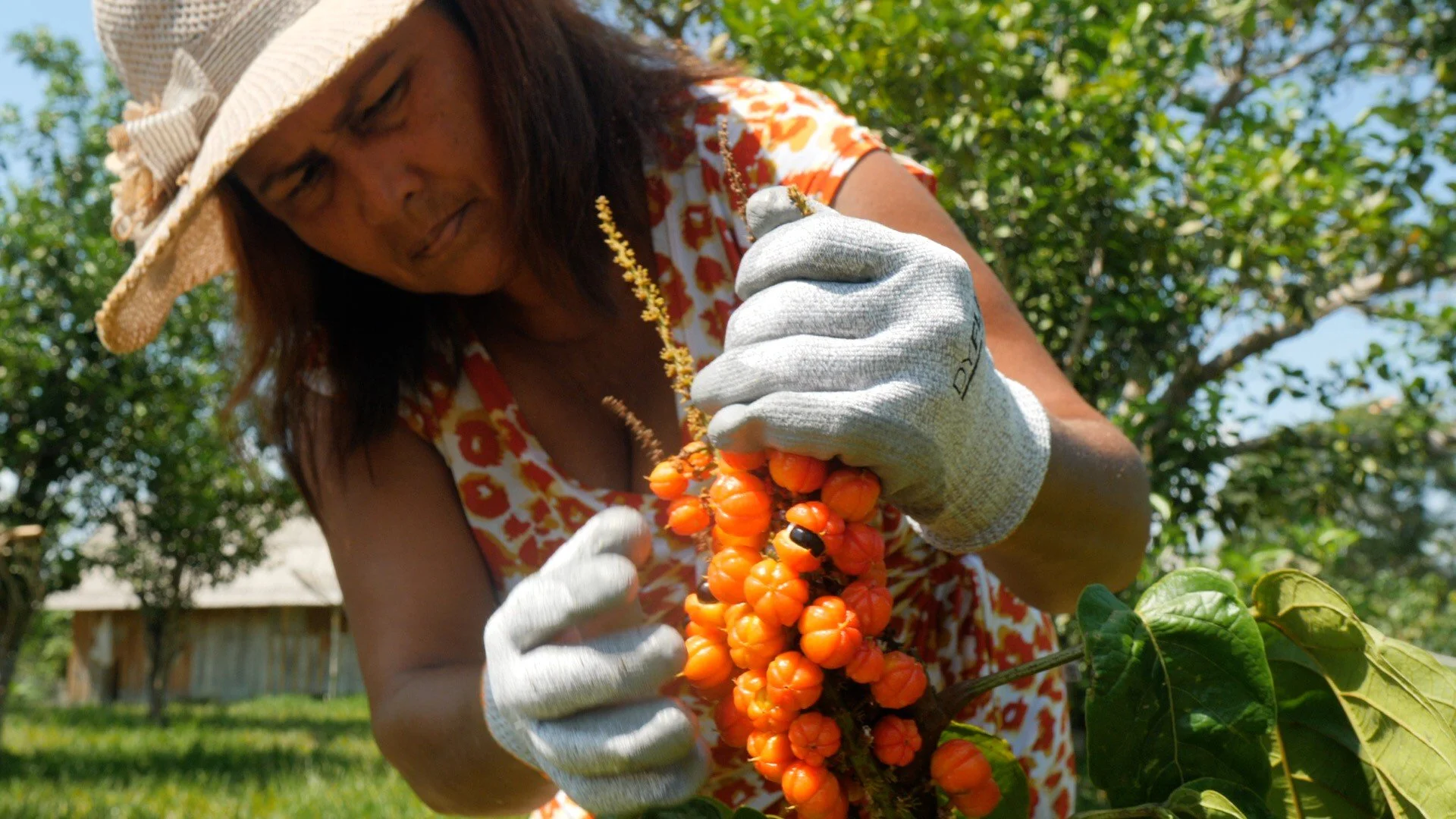
The socio-bioeconomy has emerged as a practical pathway to reconcile development and conservation. In Pan-Amazonian territories, this is not a new concept but a lived reality. For decades, communities have led productive systems that rooted in local governance, sustainable forest use, and knowledge passed down through generations. Together, these practices form a tapestry of economic activity that blends diversity, resilience, and conservation.
With support from NESsT, community-based cooperatives, Indigenous associations, and family-run enterprises have sustained and scaled activities such as forest management, agroforestry, sustainable extraction, biodiversity-based products, superfoods, and community tourism into viable development alternatives. These enterprises prove that it is possible to generate income while reinforcing cultural identity and ensuring that value remains within the communities themselves.
The Economy of a Standing Forest
Keeping the forest alive is not only essential — it is economically sound. A meta-analysis published in PLOS One estimates that ecosystem services in the Brazilian Amazon generate approximately USD 410 per hectare per year. This demonstrates that a standing forest can outperform high-impact land conversion in economic terms.

Photo: Painu
Other studies point in the same direction. Research published in Forests (MDPI) evaluated nine restoration models in tropical regions and found that seven delivered positive economic returns by combining environmental outcomes with income generation. Meanwhile, a study in Ecological Economics examining community forest enterprises in vulnerable Amazonian regions concluded that economic sustainability improves when enterprises reduce reliance on intermediaries, add value locally, and access markets that recognize the quality and stewardship behind their products.
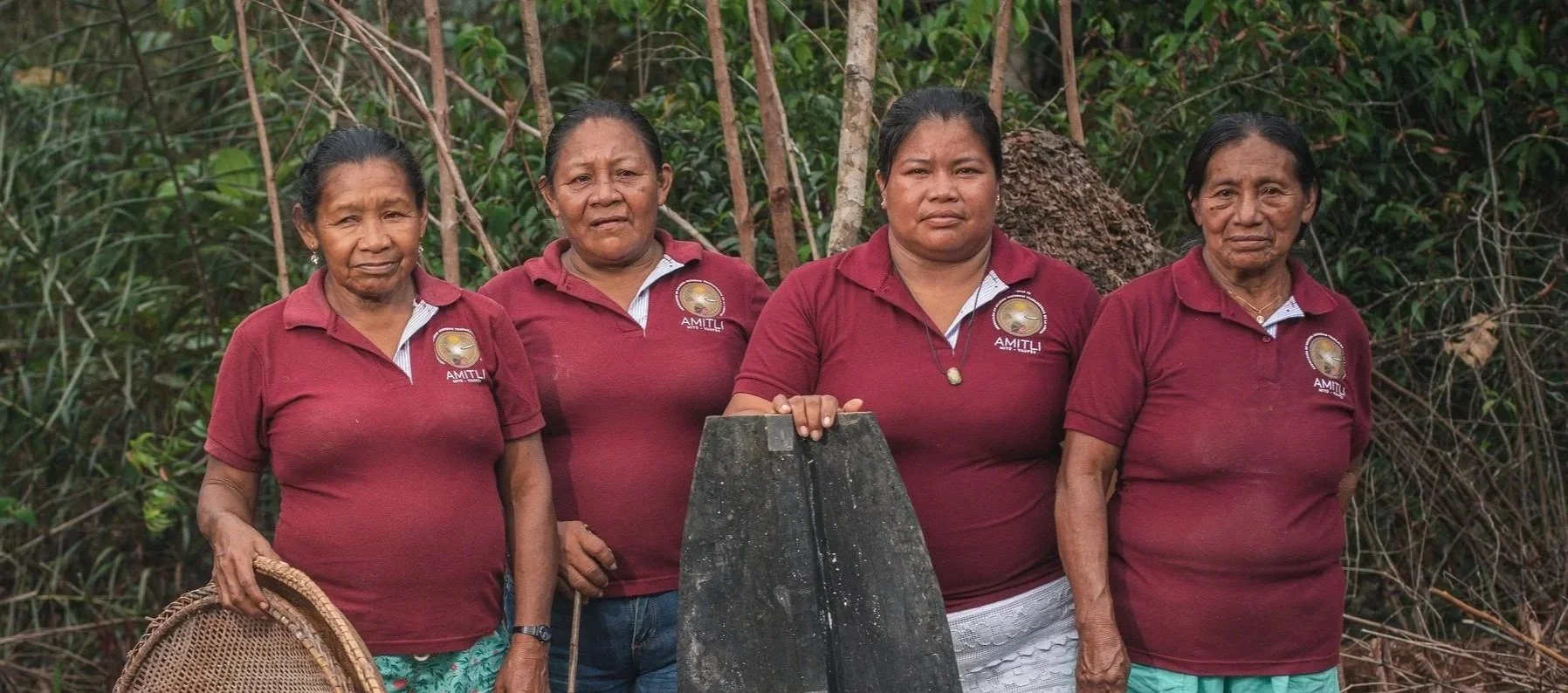
Our experience across the Amazon reflects this evidence in practice. Over recent years, NESsT has supported 108 enterprises in Brazil, Colombia, Ecuador, and Peru, channeling USD 21 million into businesses that keep the forest standing while strengthening local economies. The impact is clear: more than 30,000 dignified jobs created, nearly 300,000 people positively impacted, and a portfolio in which 58% of enterprises are led or co-led by women. These figures underscore a clear lesson: when investment reaches local communities and sustainable value chains, the living forest becomes a source of income, stability, and long-term resilience.
AFIMAD — Associação Florestal Indígena de Madre de Dios — brings together Brazil nut collectors and promotes sustainable harvesting practices, replacing extraction with income streams aligned with forest conservation..
ASPROC supports riverine communities in the production and commercialization of forest-based biodiversity products—such as pirarucu fish, cassava flour, natural rubber, and açaí—generating income while valuing traditional ways of life..
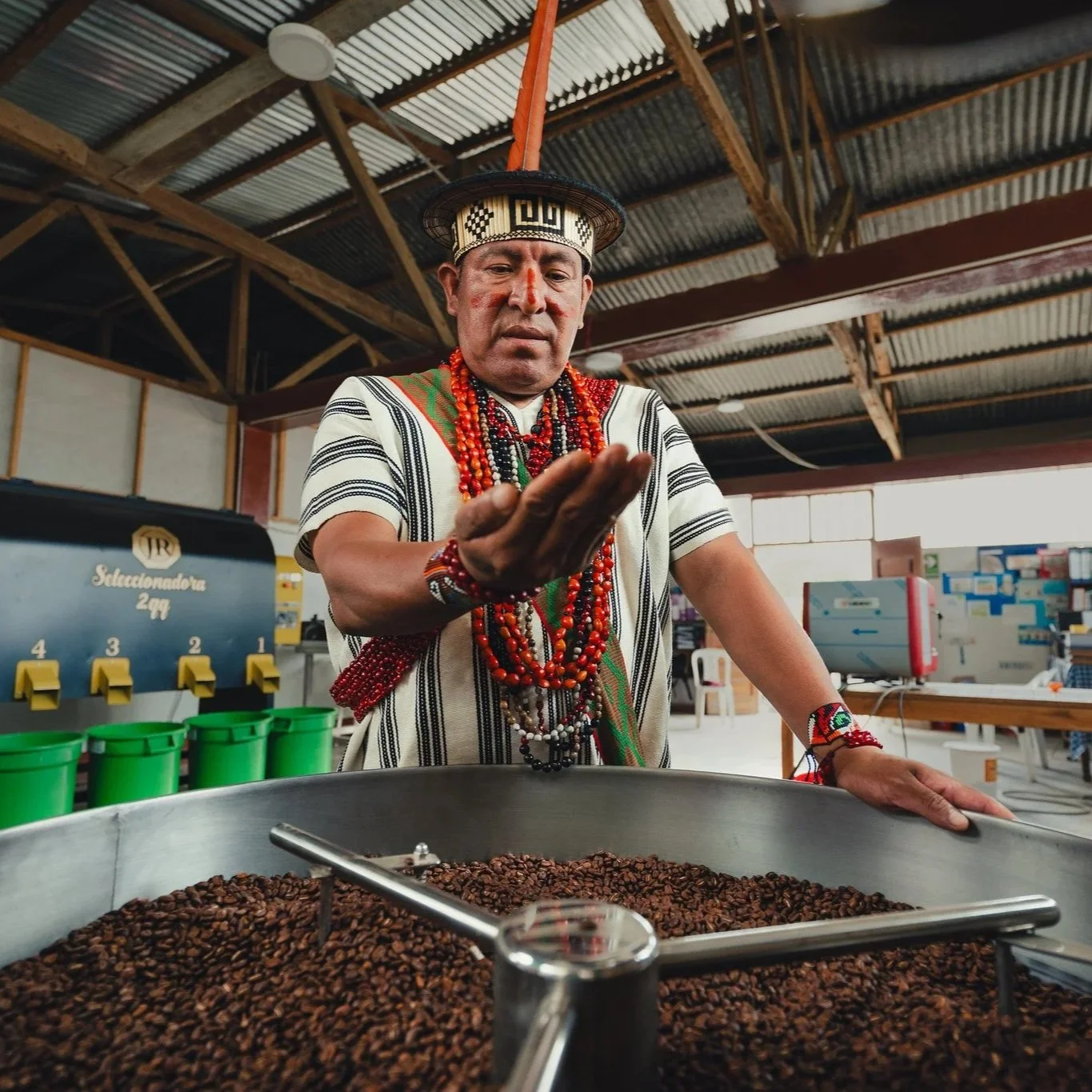
Kanuja represents coffee and cacao producers from dozens of communities, working to reduce dependence on intermediaries, secure fair prices, and strengthen community-based sustainable agriculture.



A Decisive Role in the Climate Equation
Indigenous Peoples and local communities play a central role in preserving the Amazon. The enterprises they lead protect biodiversity, manage resources collectively, and reinvest economic gains in their territories. The climate impact they generate is well documented: areas managed by local communities experience 30–50% less deforestation than comparable regions, reducing emissions and increasing resilience to extreme events.
Additional evidence reinforces this conclusion. Research published in Nature shows that the formal recognition of Indigenous lands can reduce deforestation by up to 66%. Between 2000 and 2021, Indigenous territories and protected areas accounted for just 5% of net forest loss across the Amazon.
These outcomes are not coincidental. They reflect how socio-bioeconomy enterprises structure their economies — prioritizing sustainable resource use, collective decision-making, territorial monitoring, and respect for natural cycles. Production, culture, identity, and environmental stewardship are inseparable, and conserving the territory is at the root of building prosperity.
The Challenge of Transition
For the socio-bioeconomy to scale and realize its potential as a climate solution, markets and policies must move beyond forcing community-based models to conform to industrial logics. The challenge lies in aligning public procurement, regulation, and financing criteria with community realities — ensuring direct access to capital, land security, appropriate infrastructure, and meaningful participation in decision-making.
This requires recognizing that economic growth and conservation are not opposing goals, but interdependent elements of the same system. Economic decisions must account for ancestral knowledge and traditional practices, enabling communities to negotiate fair prices, certify their products, and retain a greater share of the value they create.
The socio-bioeconomy demonstrates that when local governance, culture, and land stewardship align with coherent external policies, the result is robust, resilient economies that are fully compatible with climate goals. These enterprises strengthen food security, preserve languages and knowledge systems, protect vast carbon stocks, and enhance the adaptive capacity of entire regions.
At a moment when the world is searching for climate solutions that combine impact, scale, and justice, the socio-bioeconomy offers a tried-and-tested solution. Strengthening socio-bioeconomy enterprises means acknowledging a fundamental truth: the climate transition depends on the people and territories that have long kept the forest standing.
It is at the intersection of community autonomy, biodiversity stewardship, and regenerative economic models that one of the most credible pathways to a sustainable future emerges — for the Amazon, for other tropical forests, and for the planet as a whole.
In recognition of this experience and long-standing engagement with socio-bioeconomy enterprises, NESsT is among the signatories of the declaration “The Socio-Bioeconomy Is a Climate Solution”, endorsed by 43 civil society organizations and movements from 23 countries.
This blog is part of a series exploring the insights, key themes, and approaches that drive NESsT’s publication ‘Unlocking the Potential of the Global Financing Ecosystem to Invest in a Sustainable Bioeconomy in the Amazon from the Perspective of Local Communities’. Informed by Amazonian voices and conversations with the global financing community, the report identifies nine recommendations across two key areas for impact-focused public and private investors to improve the targeting, efficacy, and efficiency of their funding to the Amazon bioeconomy. Through this ten-part series, we aim to bring these opportunities into broader conversations and diverse discussion spaces, amplifying the reach of Amazonian communities and their voices, experiences, and solutions.








References
Scientific articles
FERREIRA, João et al. Ecosystem services in the Brazilian Amazon: valuation meta-analysis. PLOS ONE, v. 17, n. 5, 2022. Disponível em: https://journals.plos.org/plosone/article?id=10.1371/journal.pone.0268425. Acesso em: 1 dez. 2025.
BRANCALION, Pedro et al. Economic returns of forest restoration models in tropical regions. Forests, v. 13, n. 11, 2022. Disponível em: https://www.mdpi.com/1999-4907/13/11/1878. Acesso em: 1 dez. 2025.
MEDINA, Gabriel et al. Economic sustainability of community forest enterprises in the Amazon. Ecological Economics, v. 70, n. 4, 2011. Disponível em: https://www.sciencedirect.com/science/article/pii/S0921800911004472. Acesso em: 1 dez. 2025.
CARRANZA, T.; BALMFORD, A.; CHAN, K. M. A. Indigenous land demarcation and deforestation reduction in the Amazon. Scientific Reports (Nature), v. 13, 2023. Disponível em: https://www.nature.com/articles/s41598-023-32746-7. Acesso em: 1 dez. 2025.
Publications
CARBON BRIEF
WEBSTER, Ben. Amazon’s least-deforested areas are due to vital role of Indigenous peoples. Carbon Brief, 2021. Disponível em: https://www.carbonbrief.org/amazons-least-deforested-areas-are-due-to-vital-role-of-indigenous-peoples/. Acesso em: 1 dez. 2025.
WRI – World Resources Institute
WORLD RESOURCES INSTITUTE. The role of community forest management in reducing deforestation. Washington, DC: WRI, 2021.
UNDP – United Nations Development Programme
UNDP. Human development and forest-based livelihoods in the Amazon. New York: UNDP, 2023.
IPBES – Intergovernmental Science-Policy Platform on Biodiversity and Ecosystem Services
IPBES. Global assessment report on biodiversity and ecosystem services. Bonn: IPBES Secretariat, 2019.
FAO – Food and Agriculture Organization of the United Nations
FAO. Global Forest Resources Assessment. Rome: FAO, 2020.
Organizational resources
SOCIOBIOECONOMIA. Declaração: A Sociobioeconomia é uma Solução Climática. 2024. Disponível em: https://sociobioeconomia.com/declaracao/. Acesso em: 1 dez. 2025.
NESsT. Programa NESsT Amazônia. 2024. Disponível em: https://br.nesst.org/amazonia. Acesso em: 1 dez. 2025.
THE NATURE CONSERVANCY (TNC). Estudo de bioeconomia do Pará. 2023. Disponível em: https://www.tnc.org.br/conecte-se/comunicacao/noticias/estudo-de-bioeconomia/. Acesso em: 1 dez. 2025.
Case studies
AFIMAD – Associação Florestal Indígena de Madre de Dios
NESsT. Métodos do estudo para trazer perspectivas locais ao financiamento da bioeconomia. NESsT News Source, 2024. Disponível em: https://www.nesst.org/br-news-source/2024/10/17/os-mtodos-por-trs-do-estudo-da-nesst-para-trazer-perspectivas-locais-s-discusses-de-financiamento-da-bioeconomia. Acesso em: 1 dez. 2025.
ASPROC – Associação de Produtores Rurais da Carauari
NESsT. Programa NESsT Amazônia. Disponível em: https://www.nesst.org/amazonia. Acesso em: 1 dez. 2025.
KANUJA
NESsT. Programa NESsT Amazônia – Empreendimentos apoiados. Disponível em: https://www.nesst.org/amazonia. Acesso em: 1 dez. 2025.