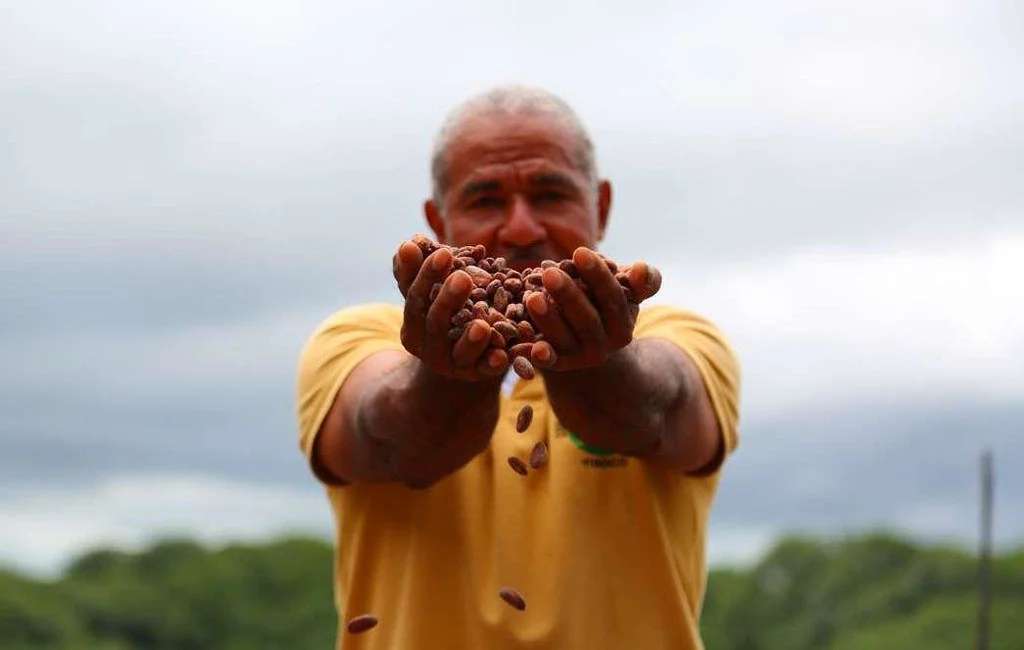
NESsT’s partnership with Sweden, through the Swedish International Development Cooperation Agency (Sida), began in 2024. Just two years later, it has become one of the partnerships that has most significantly shaped NESsT’s work across the region.
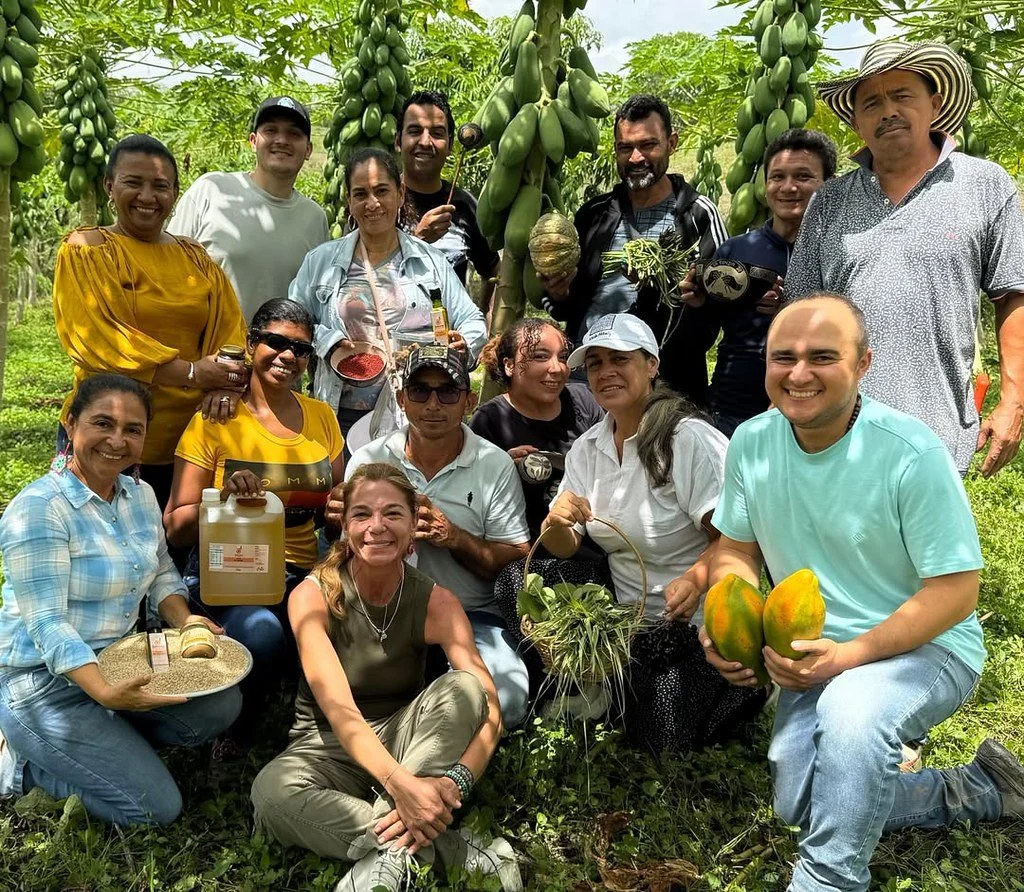
Selva Nevada joined NESsT’s portfolio in Colombia in 2026, expanding its work to support rural livelihoods through the sustainable harvesting of Amazonian fruits.
Our collaboration has two components. The first is regional, spanning Colombia, Peru, and Brazil, where we support 15 enterprises working in sustainable value chains and the bioeconomy, with a focus on local communities, gender inclusion, and youth engagement. The second focuses on Colombia and supports five enterprises connected to initiatives Sweden had already been supporting in the country as part of its long-standing commitment to peacebuilding. In total, 20 enterprises participate in NESsT’s partnership program with Sweden.
A Shared Commitment to Peacebuilding
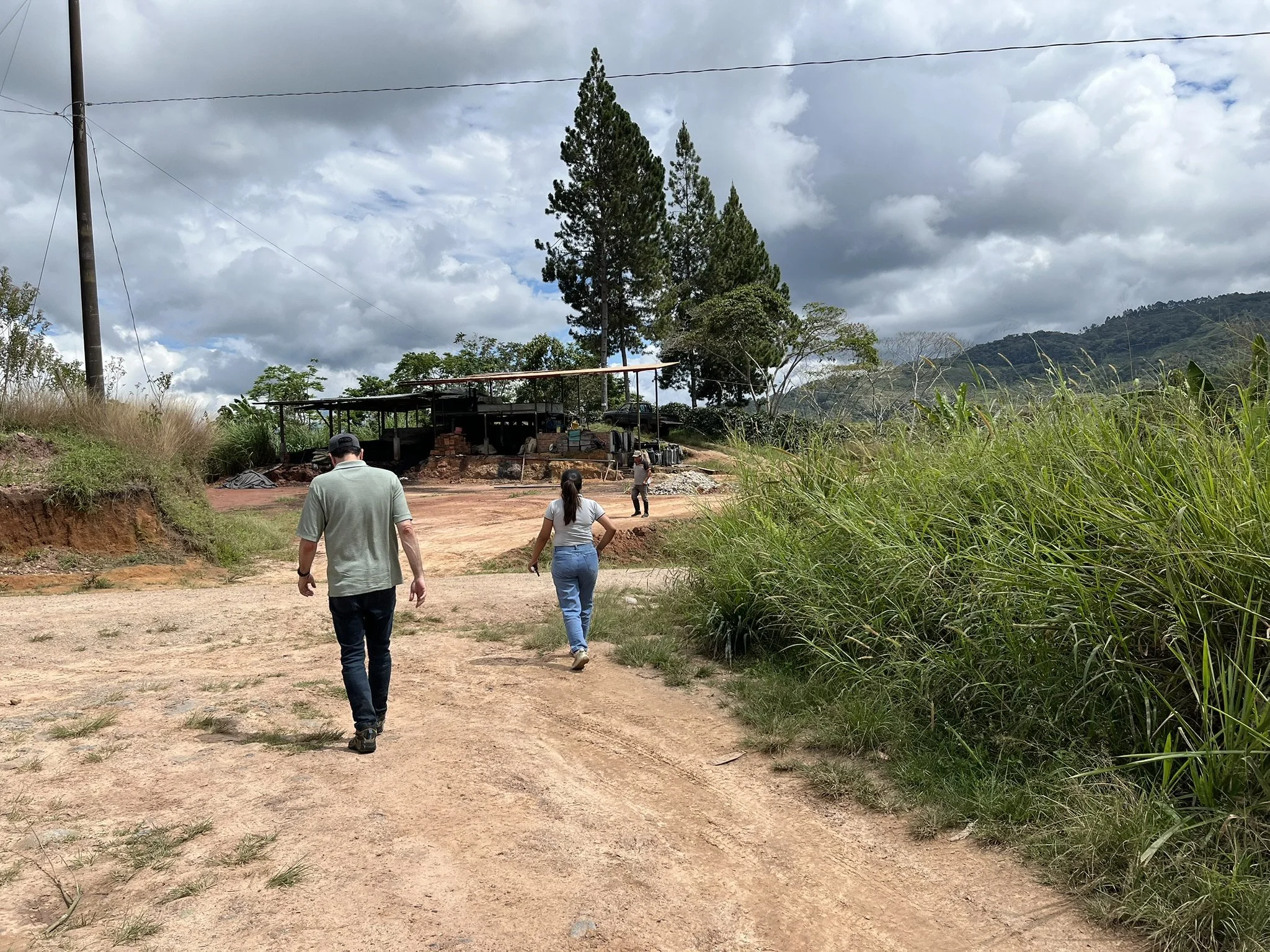
NESsT has been working in Colombia for six years across more than 14 regions, partnering with local communities, smallholder farming communities, and Indigenous Peoples to develop business models that generate sustainable value. The partnership with Sweden brought a new dimension to NESsT’s work in Colombia: an explicit focus on peacebuilding.
For more than two decades, Sweden has promoted investment and development in regions affected by violence and poverty, helping strengthen local institutions and supporting communities as they create new opportunities for themselves and future generations. Joining this effort enabled NESsT to expand its reach to populations that have been disproportionately affected by violence, including local communities, Indigenous communities, and individuals participating in reintegration processes, among others.
“Through Sweden’s partnership with NESsT, we are able to strengthen our efforts to advance sustainability and economic inclusion in underserved communities,” said Chad Sachs, CEO of NESsT. “This collaboration not only provides essential financial and operational support, but also fosters long-term partnerships that amplify the impact of these enterprises as they address regional inequality and environmental challenges. Our nearly three decades of experience supporting social enterprises has shown us the immense potential of connecting these businesses with the resources they need to thrive.”
“This collaboration not only provides essential financial and operational support, but also fosters long-term partnerships that amplify the impact of these enterprises as they address regional inequality and environmental challenges.”
What This Partnership Has Made Possible
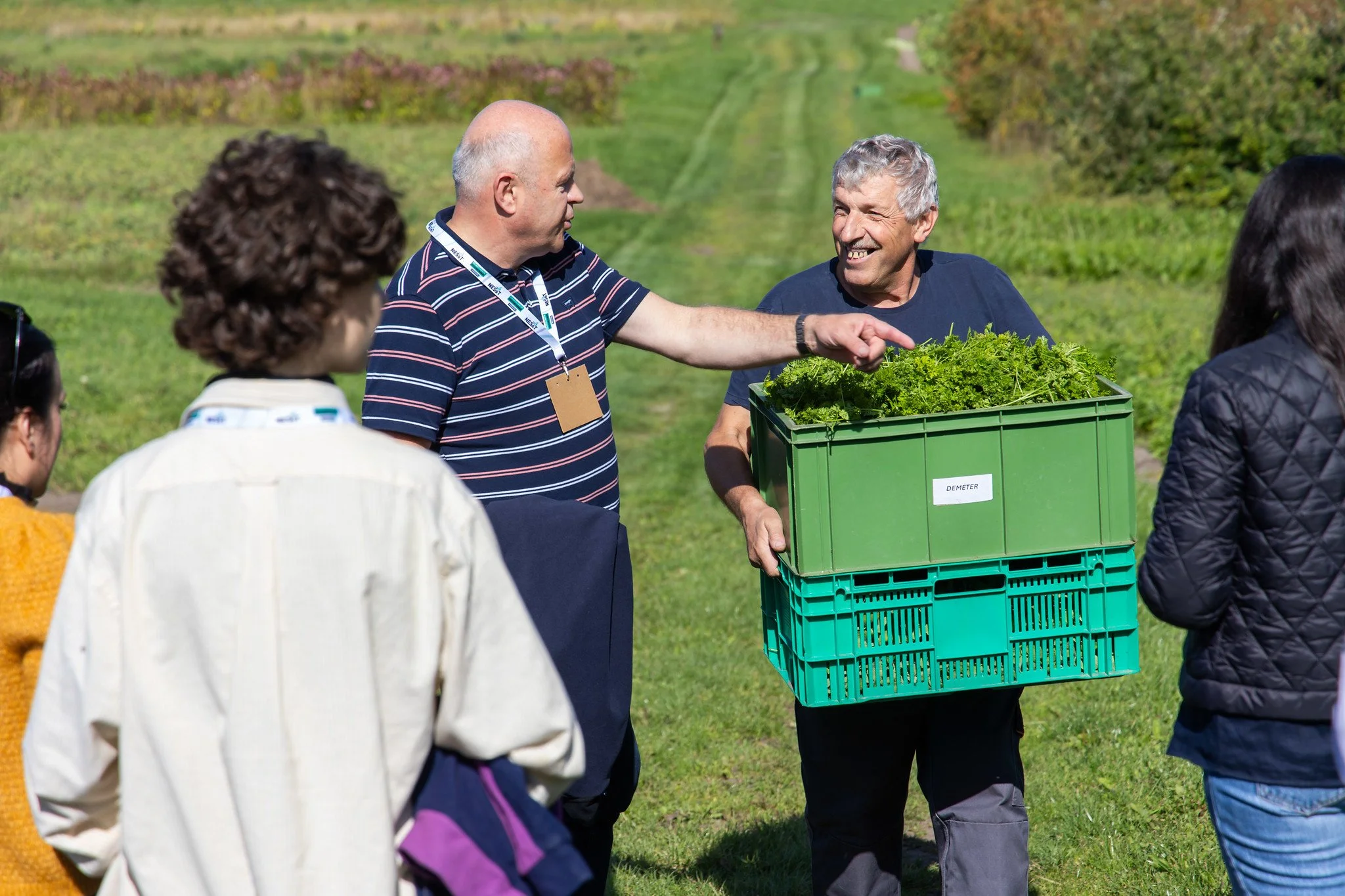
Through this partnership with Sweden, NESsT expanded its portfolio in Colombia from 10 enterprises in 2023 to 20 by the end of 2025. This growth significantly increased NESsT’s presence across the country, allowing the organization to reach new regions and communities where it had not worked before.
Over the last two years, enterprises participating in the program have created and sustained more than 3,800 dignified jobs and income opportunities, particularly for smallholder farmers, Indigenous Peoples, and other local community members. Of those reached, 37.6% were women, and 53% of the enterprises have women in leadership and decision-making roles. Together, the enterprises also protect nearly 12,000 hectares of biodiverse land and have received more than USD 250,000 in investment, combined with ongoing strategic support to strengthen their organizations.
The enterprises NESsT supports across Colombia show what this partnership has made possible.
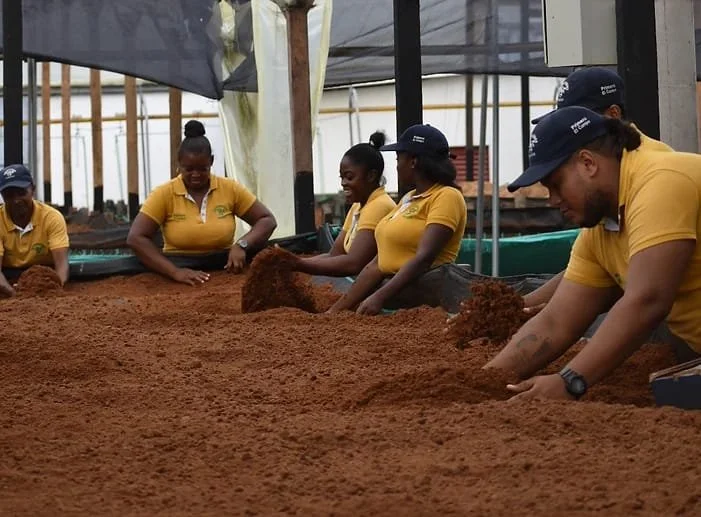
Coagropacífico, based in Tumaco, Nariño, supports small-scale cacao and coconut producers
In Tumaco, Nariño, Coagropacífico connects more than 300 small-scale cacao and coconut producers with stable buyers, providing formal contracts and fair payments in a region historically affected by conflict and illicit economies.
In the Serranía de San Lucas, Antioquia, Ecoserranía works with 33 farming families that secured legal forestry permits covering 1,174 hectares of protected forest. The enterprise provides formal employment with salaries nearly three times the minimum wage in a region where illegal mining and deforestation once predominated.
In Cauca, the Federación Campesina del Cauca (FCC) supports nearly 500 smallholder coffee producers by connecting them to Fairtrade markets, enabling them to earn up to 55% more income.
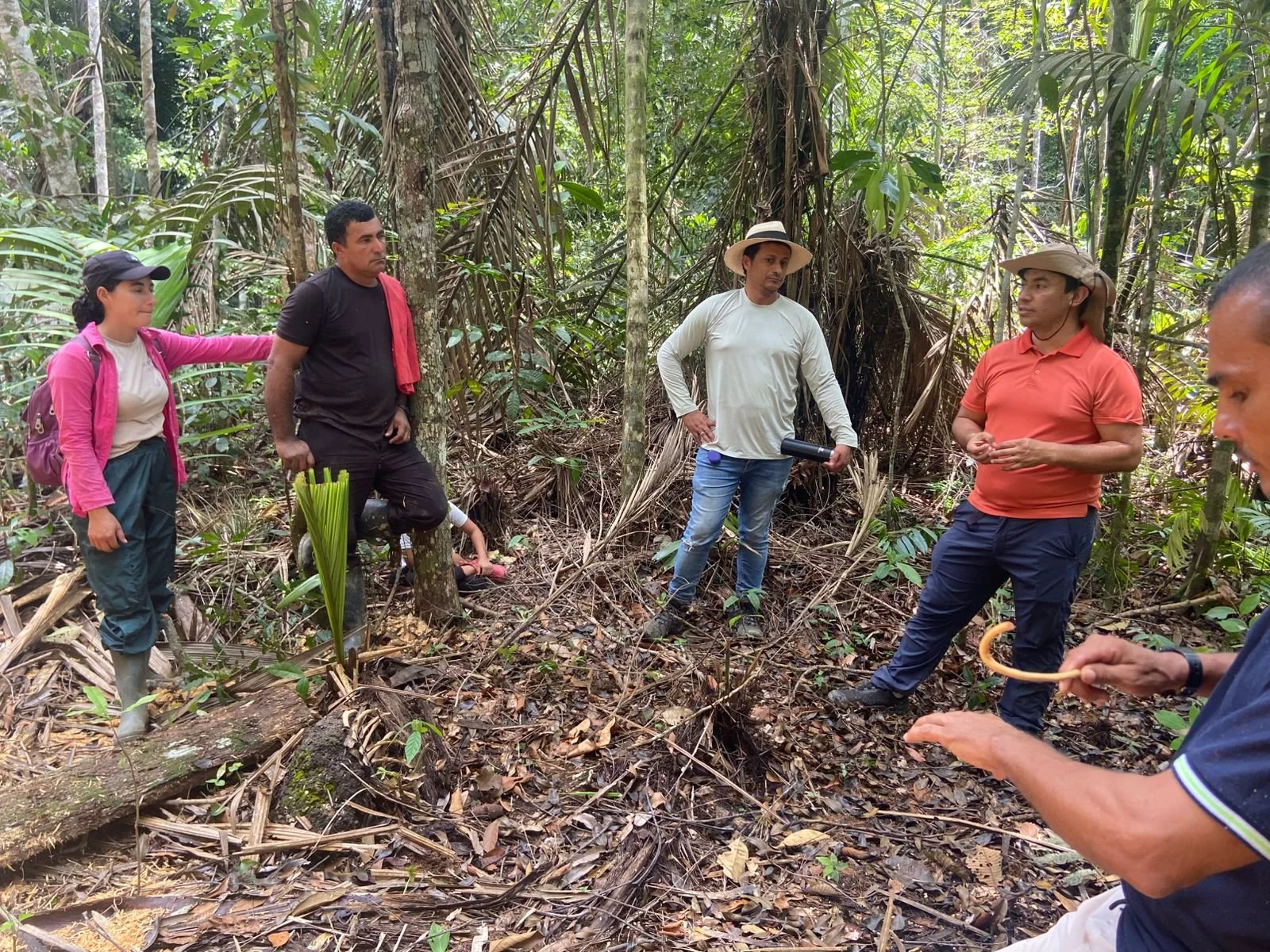
Ecoserranía brings together 33 farming families that have secured legal forestry permits to manage protected forest areas
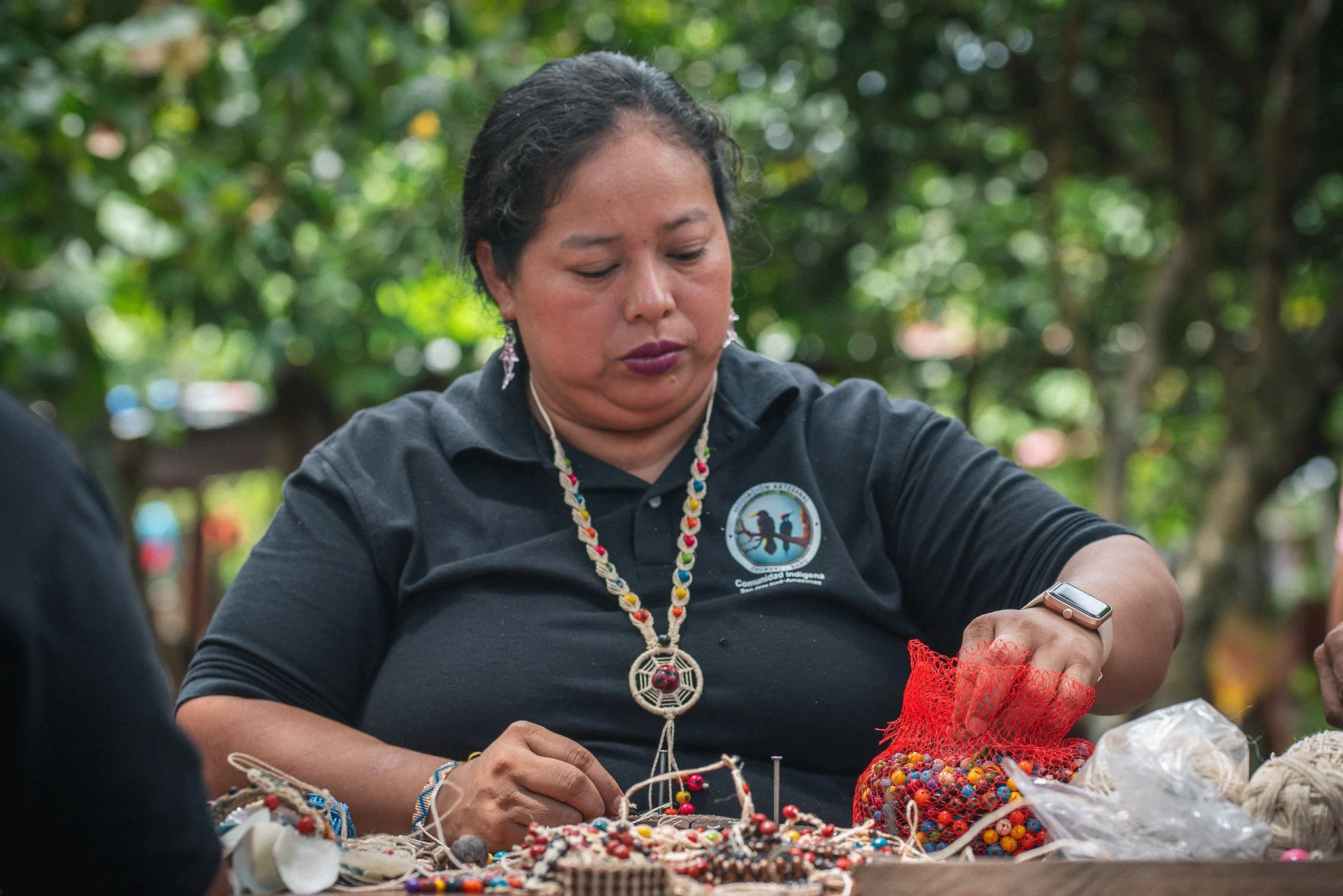
And in the Indigenous territory of Pitayó, in Silvia, Cauca, Coopitayó brings together 65 Indigenous families through the artisanal production of dairy products. The cooperative pays milk suppliers between 15% and 35% above market prices while providing formal employment opportunities within the community.
Four different stories, one shared purpose: showing how impact investing can transform communities and create lasting opportunities where they are needed most.
Bringing Local Voices Into Global Conversations
The partnership has also helped bring local perspectives into conversations that shape major decisions.
In Brazil, enterprises supported by NESsT participated in events such as COP30 and international biodiversity forums, sharing their experiences and the realities of the places where they live and work. Bringing community leaders into these conversations helps connect global discussions with the realities faced by the people who live in and protect these regions every day.
“Through innovation and collaboration, this program demonstrates how the public, private, and nonprofit sectors can come together to drive measurable change,” said Maria Cramér, Ambassador of Sweden to Colombia. “By raising awareness among Swedish companies and fostering cross-sector partnerships, we are building an inclusive model for long-term impact together.”
“Through innovation and collaboration, this program demonstrates how the public, private, and nonprofit sectors can come together to drive measurable change”
In 2025, in partnership with Open Trade Gate Sweden, the Federación Campesina del Cauca and Agrosolidaria, both members of NESsT’s portfolio, joined a delegation of Colombian enterprises that traveled to Stockholm to explore export opportunities in the Swedish market.
Agrosolidaria was the only organization from the Colombian Amazon selected to participate in the trade mission, marking an important milestone for both the enterprise and the wider region. The experience highlighted the economic potential of the Colombian Amazon and opened new opportunities to connect small-scale Amazonian producers with high-value international markets.
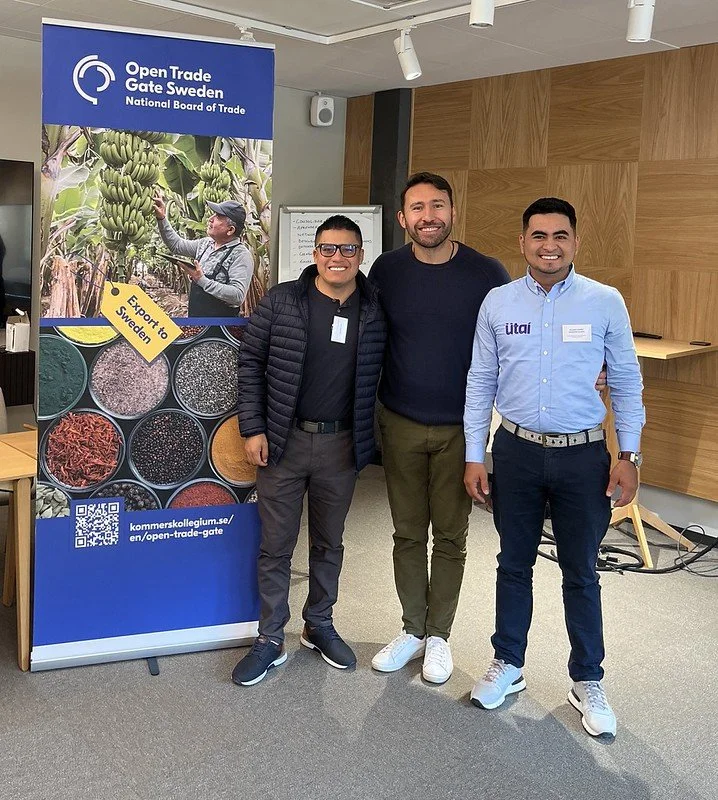
(L-R) Eyver Sánchez, FCC, Diego Santana, NESsT, Ricardo Calderón, Agrosolidaria
Perhaps this is what makes the partnership most meaningful. More than a partnership between two organizations, this is a long-term effort to build connections: connections that increase visibility, create new opportunities, and help promising initiatives grow. It brings together different actors across society, particularly within the impact ecosystem where both organizations work. Ultimately, all of these connections serve a common purpose: improving quality of life and expanding access to dignified jobs and sustainable sources of income in the communities that need them most.
Two years on, the partnership between NESsT and Sweden shows what is possible when international cooperation, impact investing, and local knowledge come together around a shared long-term vision. Together, they are helping create economic opportunities, strengthen communities, and contribute to lasting peace.
About NESsT
NESsT es un inversionista de impacto sin fines de lucro fundado en 1997 que financia y acompaña empresas sociales que generan empleo digno en comunidades históricamente excluidas y conservan los ecosistemas donde operan cubriendo el "missing middle", ese espacio estructural donde quedan las empresas sociales con potencial de transformación, que son muy grandes para el microcrédito, y muy pequeñas para la banca tradicional. Opera en siete países, desde donde ha canalizado más de USD $3 millones a empresas sociales colombianas.
About Sweden
The Swedish International Development Cooperation Agency (Sida) is a government agency dedicated to improving the lives of people experiencing poverty and oppression around the world. Sida operates on behalf of the Swedish Government and Parliament, and its work is funded through Swedish tax revenues. In Colombia, Sida implements both a bilateral cooperation strategy focused on Colombia and a regional strategy for Latin America. Together, these efforts support and strengthen this partnership.