
Over the past three years accelerating social enterprises across South America, we have repeatedly been reminded that capital is only part of what helps an enterprise grow. In this article, we share three lessons from our experience supporting social enterprises as they strengthen their organizations, navigate growth, and build lasting impact.
For almost three decades, NESsT has worked alongside entrepreneurs who are tackling social and environmental challenges through business. Their journeys have repeatedly shown that while access to capital is essential, it is rarely sufficient on its own. Sustainable growth requires leadership, market access, strong governance, strategic partnerships, and the ability to navigate uncertainty.
The second portfolio of the South America Accelerator Program, supported by IKEA Social Entrepreneurship and Sweden, ran from September 2023 through August 2026. Building on the foundation established during the partnership's first phase which first launched in 2020, this program continued to provide patient capital, tailored business support, mentorship, and coworker engagement to help social enterprises strengthen the systems, capabilities, and relationships needed for long-term sustainability. Across Chile, Colombia, and Peru, the program supported 32 social enterprises, engaged a total of 22 IKEA co-workers as Thought Partners and mentors, and helped portfolio enterprises create or sustain 4,233 dignified jobs and income-generating opportunities in 2025, including 1,562 for women.
During the same year, these enterprises positively impacted 56,030 people from historically excluded communities, including women, people with disabilities, youth, and refugees and migrants Between 2023 and 2025, these enterprises generated over USD 20 million in cumulative revenue, attracted new customers and partners, and strengthened the organizational foundations needed to sustain and scale their impact.
As we celebrate what was accomplished with our most recent portfolio, perhaps the most valuable outcome is not simply what individual enterprises achieved, but what the partnership revealed about how lasting change happens.
Lesson 1: Long-term support creates stronger enterprises
One of the strongest themes to emerge throughout the program was the importance of accompaniment over time.
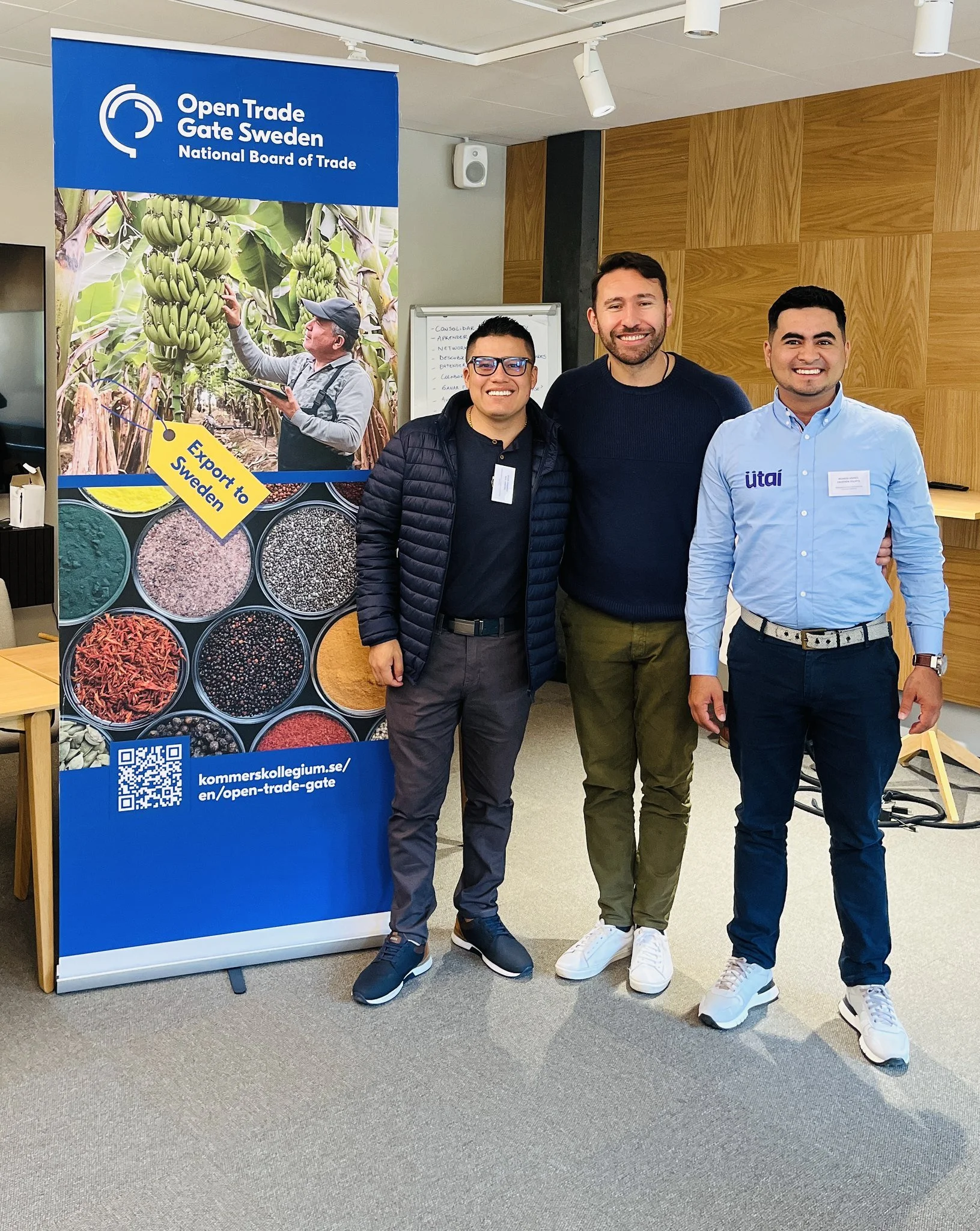
Ricardo Calderón, Agrosolidaria (right) with Eyver Sánchez, FCC (left) and Diego Santana, NESsT (middle) during the Sweden trade mission 2025.
Many social enterprises enter our acceleration programs with an immediate need, such as funding or access to new markets. While meeting those needs can open important doors, long-term support helps the team handle what comes next, using new knowledge in real decisions until it becomes part of how the business operates.
Agrosolidaria in Colombia is one example of this. Over the course of its five-year acceleration journey, the Amazonian plant-cultivating association received mentoring from NESsT and IKEA Colombia that helped strengthen its leadership and rethink what’s possible for its future. One of the most important shifts was a growing confidence that the enterprise could expand beyond its home region and reach new audiences and markets. This was reflected in the development and launch of Ütai, a new brand created to showcase its line of sustainable Amazonian foods as well as the impact behind them.
Agrosolidaria’s digital presence grew; its team began to explore new e-commerce channels, and new opportunities arose. In 2025, Agrosolidaria became the only Amazonian enterprise selected to participate in Colombia’s first trade mission to Sweden in more than a decade. Ricardo Calderón, CEO of Agrosolidaria shares:
"The deepest transformation we experienced was one of Agrosolidaria’s identity. We stopped seeing ourselves as an association that also sells and began operating as a social enterprise able to combine revenue, impact, and territorial leadership.”
“We stopped seeing ourselves as an association that also sells and began operating as a social enterprise able to combine revenue, impact, and territorial leadership.”
For NG-Seeds, a lupine producing and processing company owned by five Mapuche cooperatives in Chile, long-term support has focused on getting more Indigenous leaders involved in shaping the enterprise’s future. As the cooperatives are both suppliers to the company and its shareholders, its leaders need deep knowledge on farming as well as how the wider business works.
Since joining the NESsT portfolio in 2021, NG Seeds has worked closely with NESsT to train 15 Mapuche leaders, working through the business model and financial results, as well as what their dual role means in practice. As leaders developed a clearer understanding of the business, they built a stronger basis for asking questions and weighing in on important business decisions, such as strengthening governance and contributing to decisions about Southern Lupine Protein, the joint venture in which the cooperatives hold shares.
The sessions also helped them interpret financial results, understand better how their interests as suppliers related to their responsibilities as shareholders, and determine how profits should be divided between cooperative needs and reinvestment in the business.
Café Orígenes offers another example of how the support needs of social enterprises evolve over time. When the coffee cooperative joined the NESsT portfolio in 2024, it was already producing high-quality specialty coffee and connecting more than 60 farming families to differentiated markets. The next step was to prepare it for larger export opportunities.
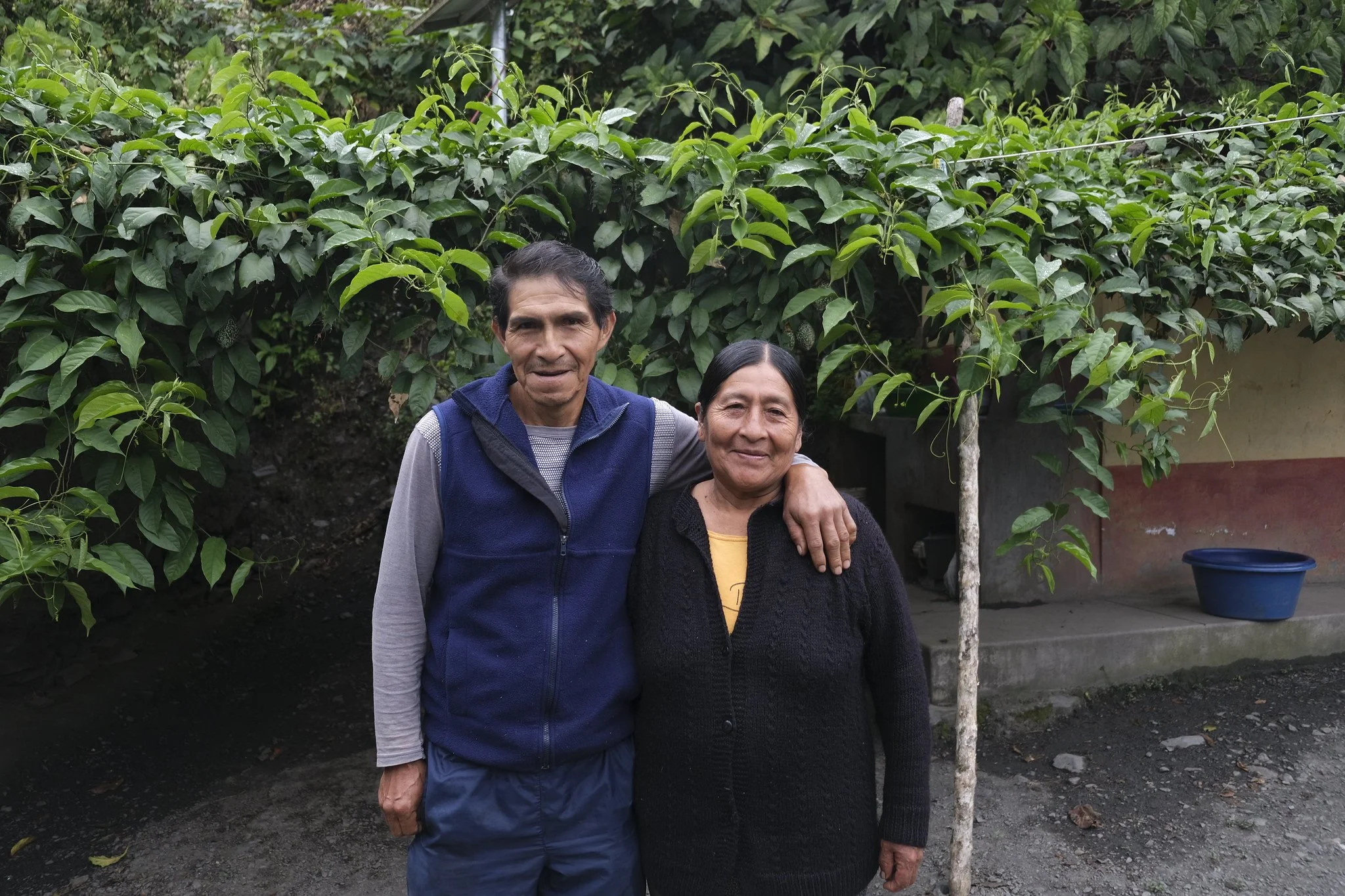
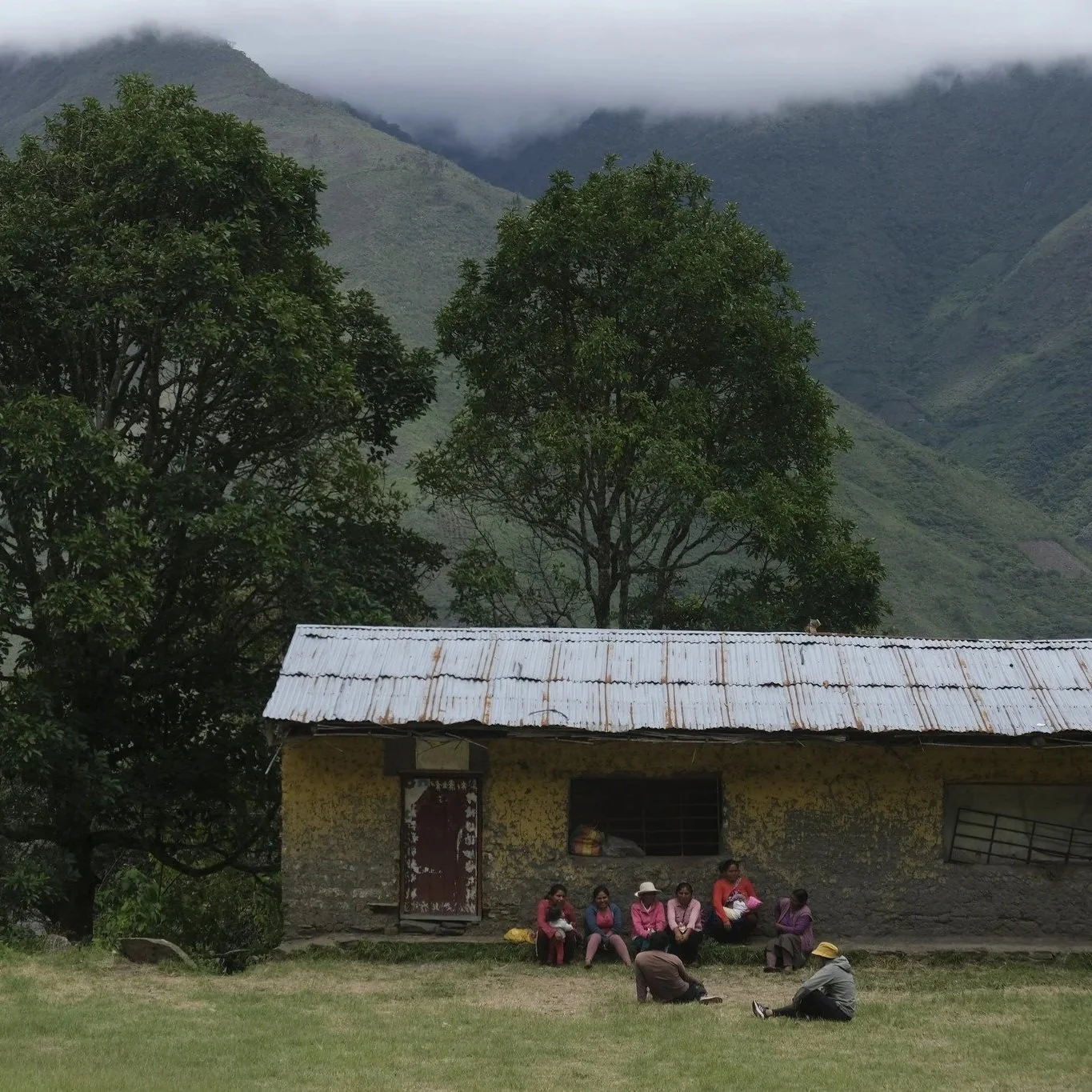
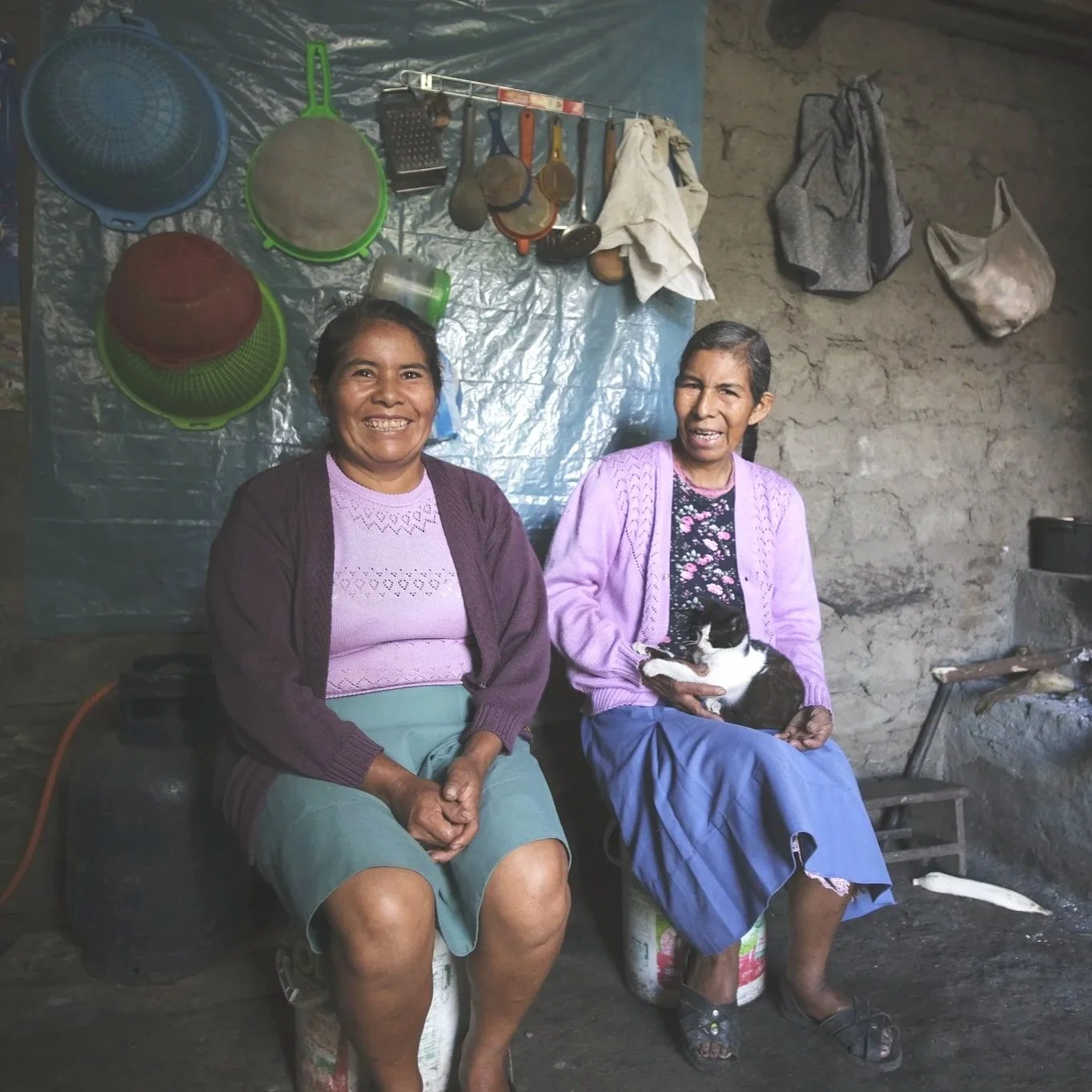
Over the following two years, Origenes built relationships with international buyers, developed the systems needed to manage larger export contracts, and lay the groundwork to process more coffee through its own facilities in Calca so more value could remain in the region.
This progress prepared Orígenes to access investment through the NESsT Lirio Fund. With working capital to purchase coffee directly from producers and meet growing export demand, the cooperative can now reach an additional 60 coffee-producing families with better income.
“These experiences suggest that the value of long-term support lies in its timing. Enterprises need time to put new ways of working into practice and learn from the decisions that follow. Acceleration is most useful when it evolves with the enterprise, helping it take on more complex opportunities when the team is ready to manage them well.” – Gonzalo San Martin, NESsT Portfolio Director and Country Director in Chile
Lesson 2: Corporate expertise can open new paths for social enterprise growth
One lesson we saw repeatedly was the value of connecting social entrepreneurs directly with corporate professionals.
Throughout the program, IKEA co-workers in South America contributed far more than volunteer hours. The 16 Thought Partners and six mentors drew on their own experience in areas such as pricing, branding, procurement, and commercial strategy to help entrepreneurs test ideas, challenge assumptions, and better understand how to navigate larger and more demanding markets. In some cases, they also helped open doors to new opportunities and networks that would have otherwise been difficult to access.

Alejandro Arellano, Lazarillo user and Chilean paralympic athlete, uses the app to navigate Chile’s metro system
One of the clearest examples comes from Lazarillo, a Chilean software company that develops technology to help people with disabilities navigate spaces that are not fully accessible. When Lazarillo joined the NESsT portfolio, its work focused primarily on mobility and accessibility for people with visual disabilities. During its time in the program, it developed MapVX, a broader technology platform that supports people to navigate complex environments such as airports, universities, and retail centers.
As Lazarillo introduced MapVX, two IKEA co-workers helped the team strengthen how it took the platform to market. One co-worker, who was then Operations and Sales Analytics Associate for IKEA Chile, Colombia, and Peru, brought pricing expertise and worked with Lazarillo to reorganize its offer into three product packages, Basic, Advanced, and Premium, giving potential customers a clearer way to understand and compare the service. Another co-worker, who was then B2B Sales Manager for IKEA Chile, Colombia, and Peru, then worked directly with Lazarillo’s sales team to improve how they presented the platform to prospective clients.
Positioning MapVX as a platform for people with and without disabilities helped Lazarillo reach a broader commercial market, first in Colombia and later in Chile. The relationship with IKEA also continued to develop. By the time Lazarillo graduated from the NESsT portfolio in 2025, it had raised USD 1 million in capital and secured direct financial support from IKEA Social Entrepreneurship, a partnership that took root during its journey with NESsT.
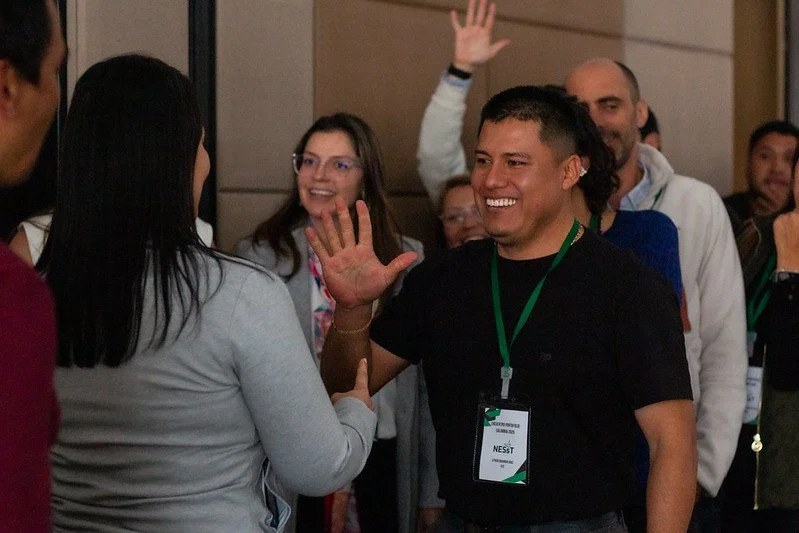
Eyver Sanchez (right) at the 2025 NESsT portfolio gathering in Bogotá, Colombia
In Colombia, Federación Campesina del Cauca (FCC) illustrates a different version of the same lesson. Through regular mentoring meetings with IKEA Colombia coworker and Thought Partner Mauricio Cadena, the community-based coffee cooperative gained a clearer understanding of what it would take to supply a large institutional buyer. Their conversations covered the standards FCC’s coffee would need to meet, the volumes required, and how its pricing and flavor profile would fit the opportunity. They also helped FCC understand the importance of Rainforest Alliance certification, which remains a key requirement for progressing towards a potential commercial relationship with many large corporate partners.
“Mauricio has acted as a champion for FCC, helping the organization connect with the right people at IKEA and better understand what was needed from them to move forward in commercial negotiations with potential corporate partners." – Diego Santana, NESsT Colombia portfolio manager
The value of coworker engagement lies in bringing together teams from different backgrounds and expertise, that rarely meet in the same room. IKEA coworkers understand how larger companies assess opportunities, while social entrepreneurs bring deep knowledge of the communities and markets they serve. When those perspectives come together around a real business challenge, they can create new opportunities and inspire learnings that neither side might have identified alone.”
— Tirza Voss, Social Impact Leader, IKEA Social Entrepreneurship
“The value of coworker engagement lies in bringing together teams from different backgrounds and expertise, that rarely meet in the same room. ”
Lesson 3: Resilience is built through the capacity to adapt
The journey of building a social enterprise is rarely linear.
Many of the enterprises in the portfolio experienced significant disruptions, market changes, or operational challenges during their growth journeys. Enterprises were better able to navigate these disruptions when they were willing to reconsider new approaches in how they reached customers, generated revenue, and delivered their missions.

Empanacombi provides people with disabilities with dignified jobs in its food and catering services
In Peru, Empanacombi demonstrated this capacity by reimagining its business model in response to dramatic shifts in the market. After losing key retail sales channels during the COVID-19 pandemic, the enterprise expanded online sales, delivery services, retail partnerships, and corporate catering while launching new initiatives such as Cabida para Empresas, which supports companies seeking to build more inclusive workplaces, and Open Kitchens, a school cafeteria model that creates employment opportunities for people with disabilities. By adapting without losing sight of its mission, Empanacombi emerged with a stronger, more diversified business and a deeper capacity for impact.
Reflecting on the acceleration journey, Empanacombi founder Carlos Sánchez emphasized that some of the most valuable outcomes of participating in the accelerator program extended beyond business growth: “Beyond strategic partners from different sectors, we found real friends.”
PesCo offers another example of resilience through adaptation in Peru. Over the course of its acceleration journey, the Lima-based fishmonger repeatedly adjusted its business model in response to changing circumstances. After an expansion strategy built around physical stores fell short of expectations, the company shifted its B2B strategy, supplying leading restaurants in Lima. When payment delays later created cash-flow challenges, PesCo responded by strengthening its direct-to-consumer channel, introducing subscription plans, and developing higher-value products that encouraged responsible fish consumption. Throughout these transitions, the enterprise remained committed to supporting artisanal fishers through responsible sourcing and greater access to economic opportunities. Its successful graduation from the portfolio demonstrates how adaptability, rather than a fixed business strategy, is often what enables social enterprises to thrive over the long term.
The experiences of Empanacombi and PesCo reflect a wider pattern. In a separate study of nine other social enterprises in Latin America, Maastricht University found that the ability to learn and adjust should itself be recognized as a sign of progress when an enterprise’s original plans no longer fit its circumstances. The research was initiated by IKEA Social Entrepreneurship with support from NESsT and New Ventures.
Read the study:
Looking ahead
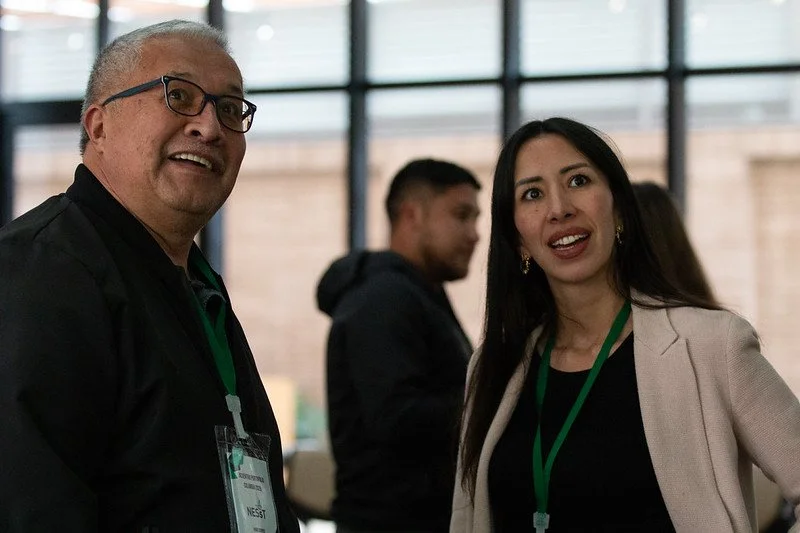
Nataly Bernal, Sweden (right) at the 2025 NESsT Portfolio Gathering in Bogotá, Sweden
As we celebrate all this program has achieved from 2023 to 2026, the most important takeaway may be that impact is rarely created through a single act. Instead, it emerges through the steady accumulation of relationships, capabilities, confidence, and opportunities over time.
Some enterprises have already completed their journey through the program and are continuing to grow independently. Others remain on their path toward greater scale and sustainability. Together, they illustrate what becomes possible when entrepreneurs receive the kind of support that recognizes them not only as businesses, but as long-term agents of social and environmental change.
“The progress of these enterprises demonstrates the value of long-term partnerships and sustained support. At Sweden, we believe that lasting change happens when different actors come together around a shared vision for inclusive economic development. Through our partnership with NESsT, IKEA and local stakeholders, entrepreneurs are strengthening their businesses, creating decent jobs, and becoming drivers of transformation in their communities. With Sweden’s new regional cooperation strategy for Latin America, launched in June 2026, we see new opportunities to continue supporting innovative entrepreneurs and expanding pathways for more enterprises to contribute to resilient, sustainable, and prosperous territories." Julia Ekstedt, Head of Regional Development Cooperation with Latin America
“The progress of these enterprises demonstrates the value of long-term partnerships and sustained support.”
As we look forward to the next cohort supported through this partnership, these lessons continue to guide our work. For NESsT, IKEA Social Entrepreneurship, and Sweden, these recent results of the South America Accelerator Program reaffirmed a belief that has guided our partnership from the beginning: when social entrepreneurs are equipped with the right combination of capital, expertise, networks, and trust, they can build enterprises that strengthen communities, expand economic opportunity, and demonstrate the lasting value of an inclusive and sustainable economy.
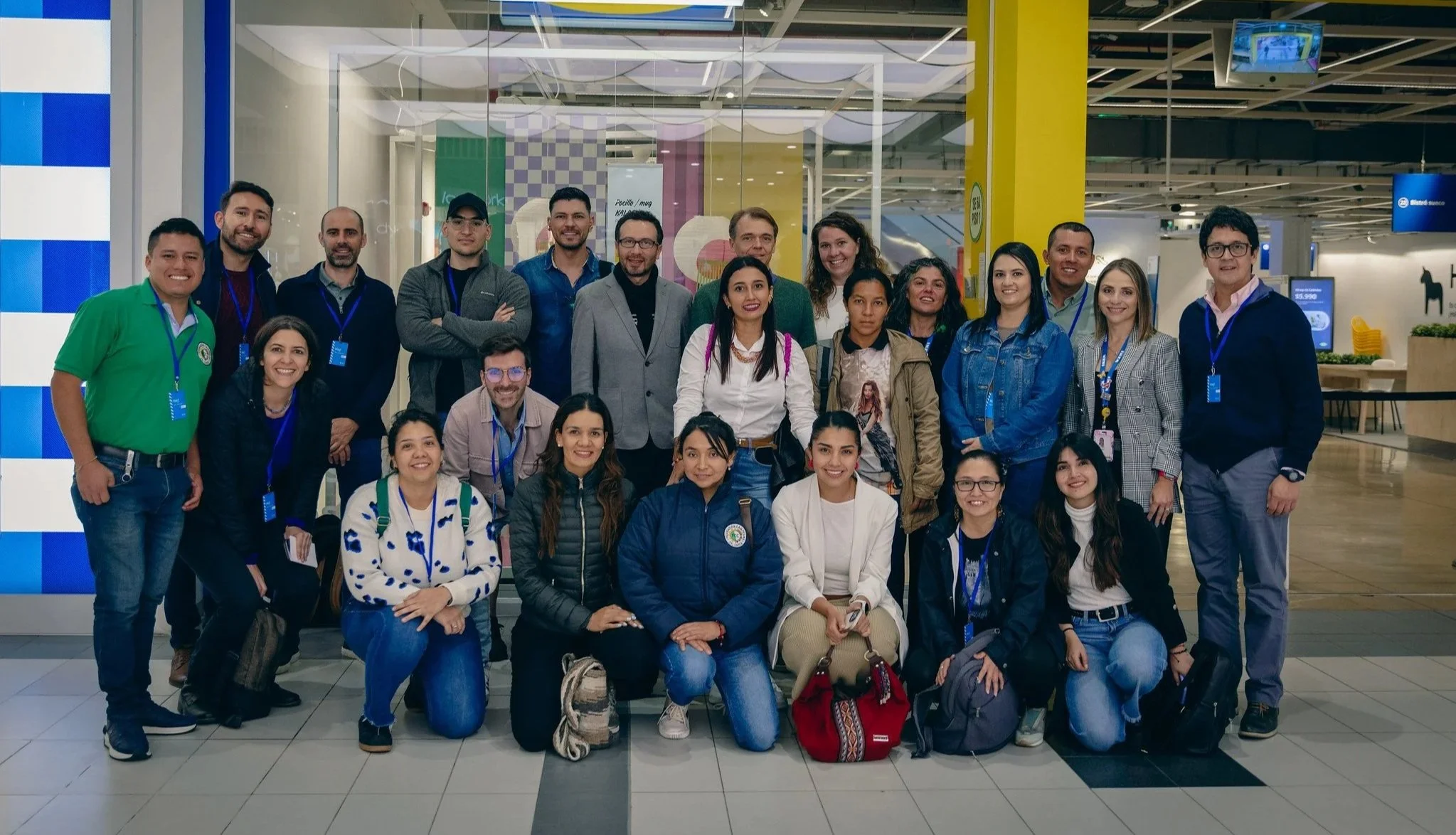
Cover photo: NESsT portfolio gathering in Colombia, 2024