
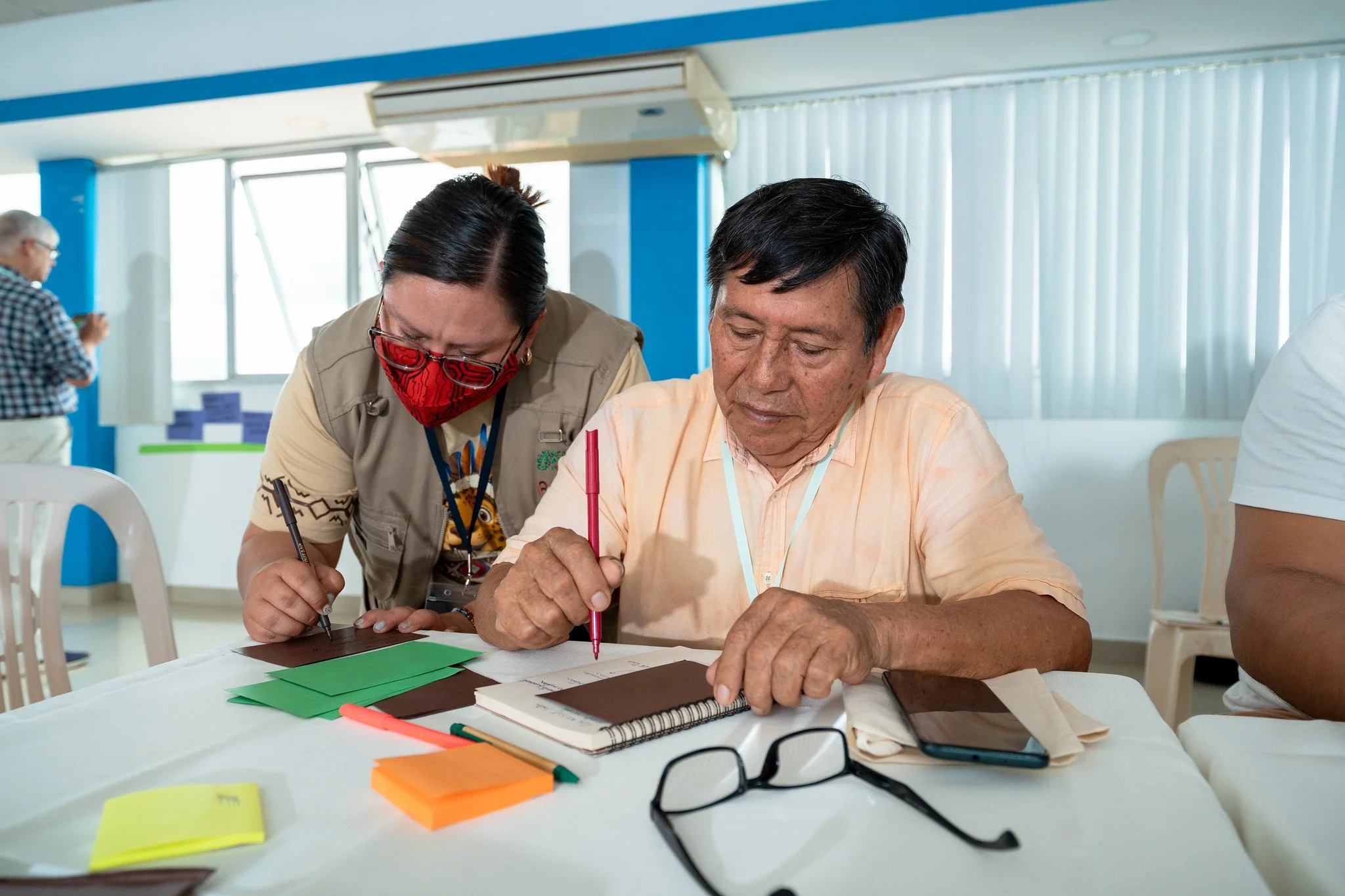
For decades, the social impact ecosystem has asked entrepreneurs to measure increasingly sophisticated outcomes. Investors, donors, accelerators, and development organizations depend on this information to make funding decisions and demonstrate results. Yet the flow of information is rarely reciprocal.
The communities and social enterprises generating impact data often have the least access to the insights it produces.
That reality raises an important question: What if the tools we use to collect and use impact data were designed not only for investors and funders, but also for the entrepreneurs and communities creating change?
Through Data for Good, an initiative supported by the Cisco Foundation, NESsT set out to explore that question alongside seven social enterprises participating in the NESsT Amazonia Initiative: AFIMAD, ManejeBem, Plantus, Painu, Sacha Waysa, Bioingredientes Amazónicos (BioIncos), and Agrosolidaria. Together, these enterprises helped test a new approach to understanding and using impact data that places useful information back in the hands of the people generating it.
Starting With Listening
Before designing any technology, NESsT began by listening.
Through interviews, discovery sessions, and collaborative discussions, participating entrepreneurs described common challenges: managing multiple spreadsheets, responding to overlapping reporting requests, and spending significant time collecting data without always having an easy way to use it themselves.
““We didn’t start by asking what technology to build. We started by asking entrepreneurs how they experienced the impact management process and what would help them use data more effectively in their own decision-making.” ”
One entrepreneur from the NESsT portfolio described how the reporting process itself changed the way their organization viewed impact:
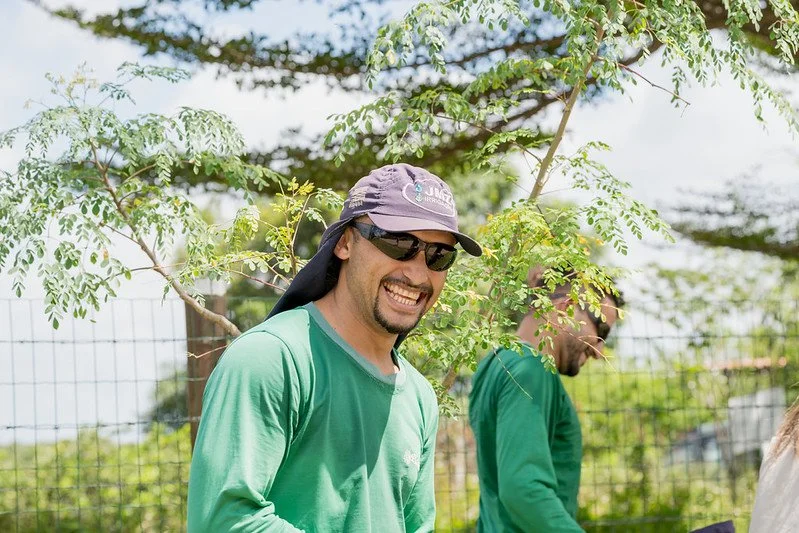
Plantus is using the Data for Good platform to track the number of employees and suppliers it supports at its production plant in Natal.
"From the moment we started filling out this report, we began to look at the business differently. Completing the report gave us a new perspective on the business. When the PMT introduced questions about areas we had not focused on before, it became a turning point for us."
The challenge was not collecting more data. It was supporting social enterprises to access, understand, and benefit from the information they already had.
Building Data for Good
Supported by the Cisco Foundation, Data for Good was designed to strengthen data sovereignty among social enterprises operating across the Amazon region. The goal of the project was to ensure that entrepreneurs are not simply providers of impact data for investors, donors, and development organizations. Instead, they have meaningful access to their own information and can use it to make decisions, communicate their results, engage stakeholders, and shape the future of their enterprises.
Instead of adding new reporting requirements, the project introduced a shared platform for social entrepreneurs that combines their social and environmental indicators, data management, and automated reporting. The goal was not simply to track information, but support entrepreneurs to use it.
Each participating enterprise receives a personalized dashboard that brings together information it has already shared with NESsT through quarterly reports, annual forms, goals, and employment surveys. Rather than searching across separate files, entrepreneurs can see their latest results alongside previous reporting periods and the goals they have set.
Depending on the data available, the dashboard allows enterprises to explore:
how many people they reached through employment or supplier relationships, including results for women and groups facing exclusion;
changes in revenue and the investment the enterprise has received;
environmental practices related to forests, agriculture, water, energy, and waste;
progress on enterprise-specific indicators, including payments to suppliers or wages;
changes in social impact over several years;
findings from NESsT’s Dignified Employment Survey, including information about income and working conditions.
Entrepreneurs can move between these views and download reports or summaries for their own planning and conversations with partners or whoever they wish to share the data with.
Throughout the project, participants emphasized the importance of technology that reflects local realities. For example, Martín Huaypuna of AFIMAD highlighted the importance of mobile accessibility because computer access is not always available. The experience reinforced an important lesson: technology only creates value when it is accessible and useful to the people it is intended to serve.
“Technology has the greatest impact when it expands access to information and enables people to make decisions with confidence. Data for Good demonstrates how digital tools can help social enterprises not only measure their impact, but also use that information to strengthen their organizations, communicate their results, and build long-term resilience. ”
What Changed for Entrepreneurs
The most important outcome of Data for Good is not the technology itself. It is the shift in how entrepreneurs engage with their own impact information.
Historically, impact data has flowed in a single direction: outward. Data is collected from entrepreneurs then compiled and shared with investors, donors, and partners. With Data for Good, participating enterprises can review their current results alongside previous years and the goals they have set. A team can see whether it is reaching more suppliers over time, examine how employment opportunities are distributed, or identify environmental information that still needs to be collected.
One of the strongest examples comes from Agrosolidaria:
“The platform allows us to make decisions from a much more comprehensive perspective, bringing together social, environmental, and financial information. Everyone can access the same verified data, which gives us greater confidence in our decisions and helps us communicate our impact more effectively.”
Early Results from the Pilot
Feedback from participating enterprises suggests strong early adoption:
100% rated the dashboards as useful or very useful.
100% agreed or strongly agreed that the dashboards would help their organizations better leverage impact data for decision-making.
100% reported that pre-filled historical information saved time during reporting.
All respondents rated their likelihood of recommending NESsT at either 9 or 10 out of 10.
Participants also highlighted areas for continued improvement.
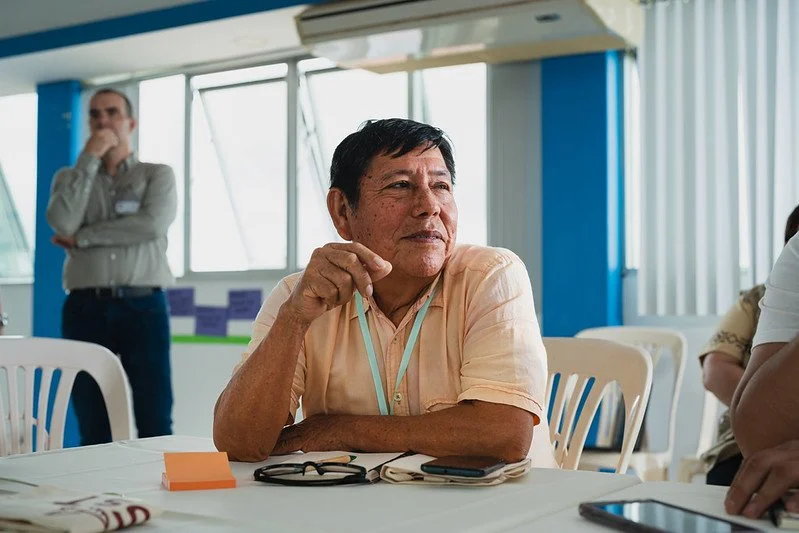
Martín Huaypuna (pictured) is using the platform to track the impact of Amazon nut association AFIMAD across 12 Indigenous communities in Madre de Dios, Peru.
Martín Huaypuna of AFIMAD noted that the platform is already useful in conversations with partners and allies, while also emphasizing the need for ongoing training and stronger field-level data collection systems. Elys Rocha of Plantus recommended expanding environmental indicators to better capture agroforestry and biodiversity outcomes. Other participants suggested improvements to visualizations, terminology, and translations.
The pilot also confirmed the importance of language accessibility. Translation into all the languages participating enterprises use was included in the original development plan, and feedback from participating entrepreneurs reinforced the need to make localized dashboards a priority in the platform’s continued development.
These recommendations reinforce a core principle of the project: the people using the system will help shape its evolution.
A New Approach to Impact Measurement
Data for Good challenges the social impact sector to reconsider two fundamental questions: Who owns impact data? And who benefits from it?
Too often, impact information is treated as something to gather from communities. Social enterprises collect it, beneficiaries contribute to it, and external institutions analyze it. Even with the best intentions, this dynamic can leave the people closest to the work with limited access to the knowledge generated from their own efforts.
A more equitable approach recognizes entrepreneurs and communities as active participants in how data is collected, assessed, and used. They help shape what is measured, review results, identify gaps, and use evidence to guide decisions.
"Impact data should not be something extracted from communities. It should be a resource that strengthens their ability to shape their own future." – Renata Truzzi, NESsT Chief Impact & Operations Officer
This is the broader promise of data sovereignty. It is not simply about providing access to dashboards. It is about ensuring that social enterprises have the knowledge, tools, and agency to use information on their own terms.
Looking Ahead
Completing the Data for Good pilot is not the end of the journey.
The lessons from this first phase are already informing NESsT's broader impact management approach, with potential to be applied across more than 100 enterprises in the NESsT portfolio. The feedback gathered through the pilot points toward a clear roadmap for continued improvement: more accessible tools, stronger translations, expanded environmental indicators, additional training opportunities, and ongoing co-creation with entrepreneurs.
Data for Good has shown that when entrepreneurs have meaningful access to the information they generate, impact measurement becomes more than a reporting requirement. It becomes a tool for learning, organizational growth, stronger partnerships, and community-led decision-making.
That is the true promise of Data for Good: putting impact insights back in the hands of the communities and enterprises creating change, so they can use it to shape a more equitable, resilient, and regenerative future.
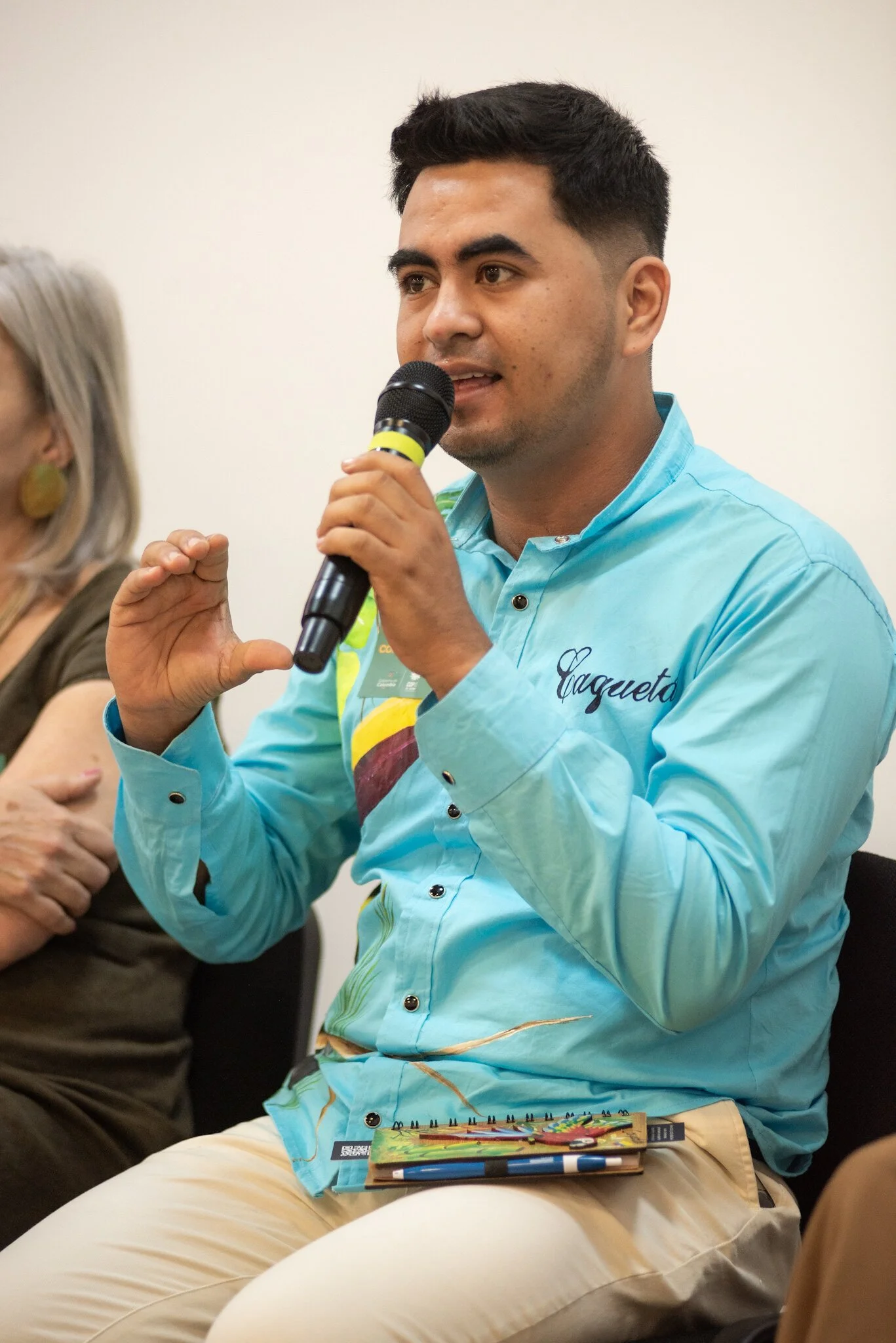


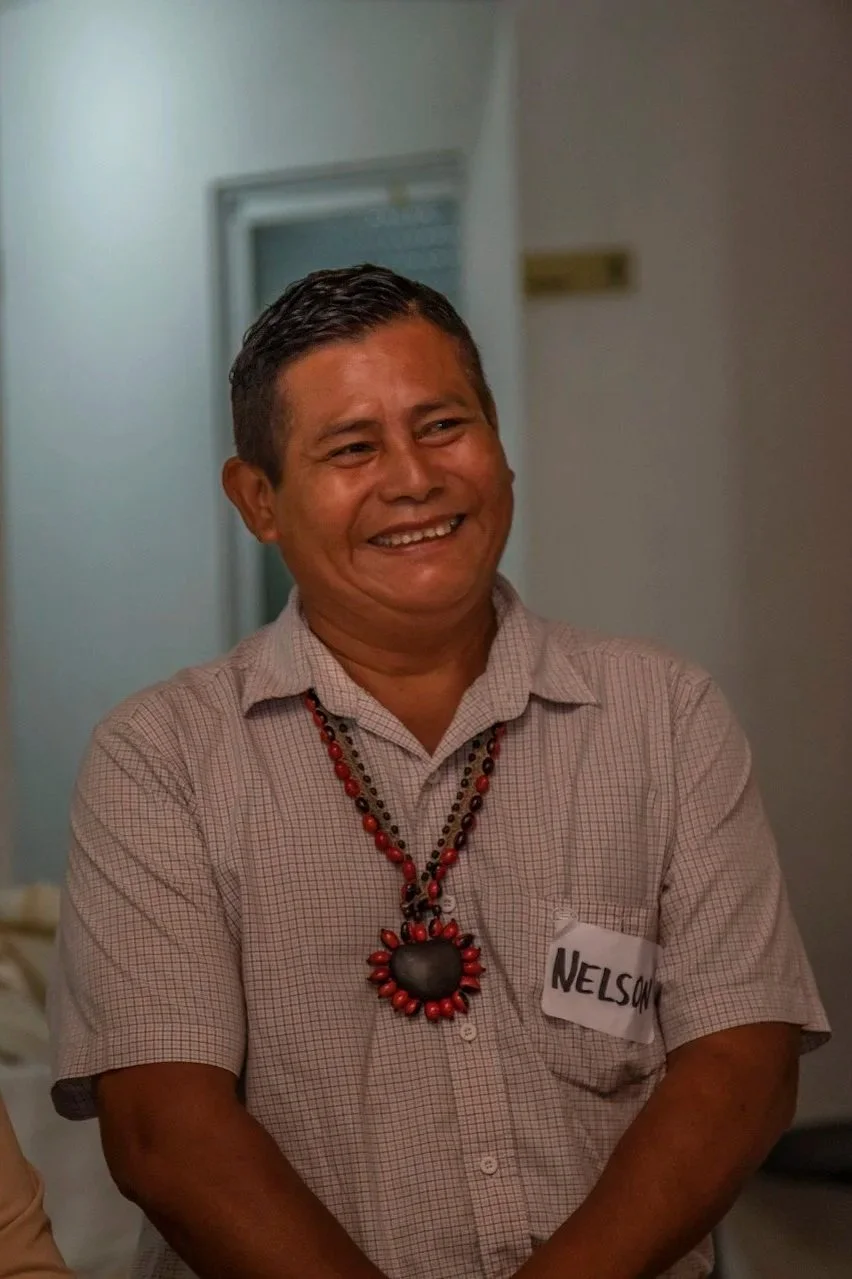
Data for Good demonstrates that impact measurement can be more than a reporting requirement. When entrepreneurs have access to the information they generate, data becomes a tool for learning, growth, and community-led decision making.
Explore NESsT’s public Data for Good dashboard and discover how we are working with social enterprises to build more inclusive approaches to impact management
Cover photo: Martín Huaypuna, AFIMAD