The Regional Indigenous Incubator for the Amazon is a pilot program that strengthens Indigenous-led enterprises driving social well-being and the conservation of Amazonian territories. It does so through an innovative governance and incubation model led directly by Indigenous organizations.
The Amazon is one of the planet’s most essential life-support systems. Spanning 6.7 million square kilometers, it is the world’s largest continuous tropical biome and the region with the greatest known biodiversity. Its role in regulating the global climate is critical: the Amazon forest acts as a massive carbon sink, absorbing roughly 10% of the world’s CO₂ and releasing nearly 20% of the oxygen produced on Earth. The basin also stores and distributes between 17% and 20% of the planet’s freshwater, supporting a hydrological system that connects eight countries and sustains diverse productive activities. More than 44 million people live in the region, including 420 Indigenous communities who speak at least 86 languages and some 650 dialects—a concentration of cultural richness found nowhere else in the world.
Today, this extraordinary territory is facing a profound crisis. Each year, thousands of hectares of forest are lost to deforestation driven by expanding cattle ranching, agricultural frontiers, and illegal logging and mining. Added to this are other extractive activities that contaminate and degrade ecosystems, recurrent forest fires, and the impacts of climate change, which disrupt the forest’s natural equilibrium and water cycles. Together, these pressures are pushing the territory dangerously close to a “point of no return,” where vast areas of tropical forest could shift into drier and impoverished ecosystems, with irreversible consequences for both regional and global climates.
Yet the crisis is not only environmental. Across much of the Amazon, communities live in conditions of poverty and isolation, with limited access to basic services or to markets where they can sell their products. With few alternatives, many families turn to activities that harm the forest to make a living. This situation is worsened by the expansion of illegal economies which, beyond the harm they cause to the environment, also generate violence that threatens the lives of Indigenous communities.
“Many young people here in the Amazon migrate to big cities because there are no jobs. This is what we don’t want. What we want is to have employment in our own territory, in our own community.”
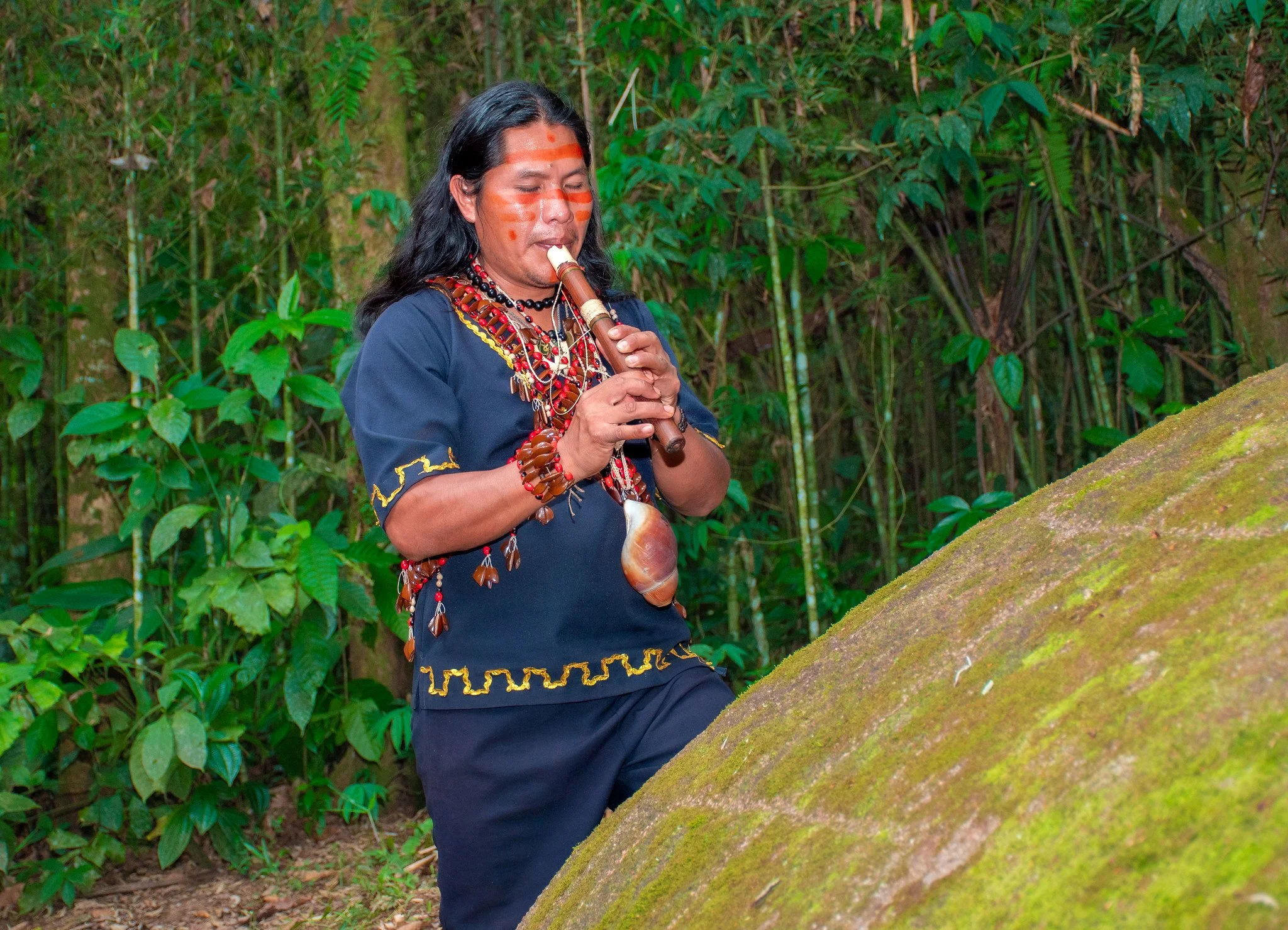

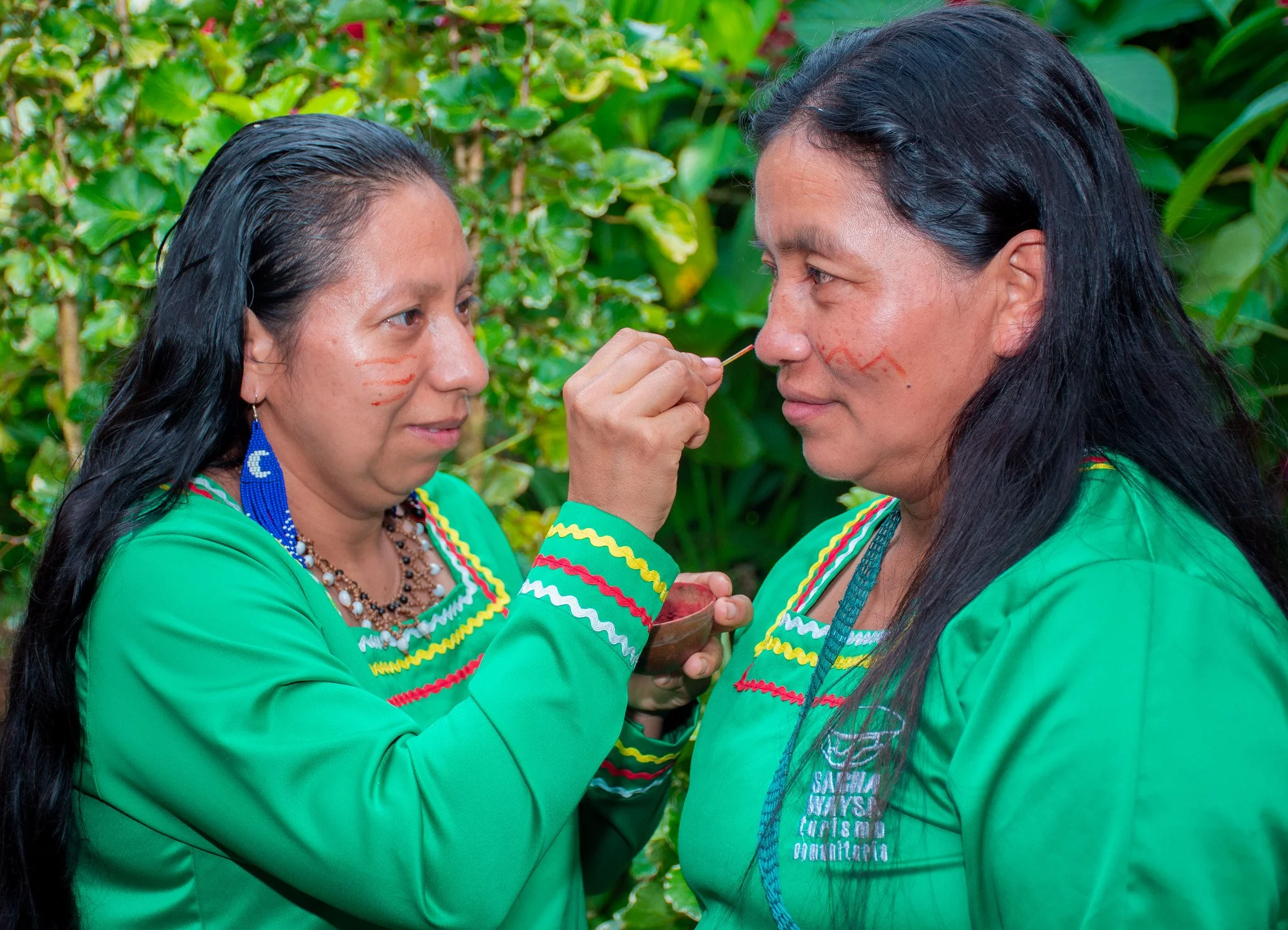
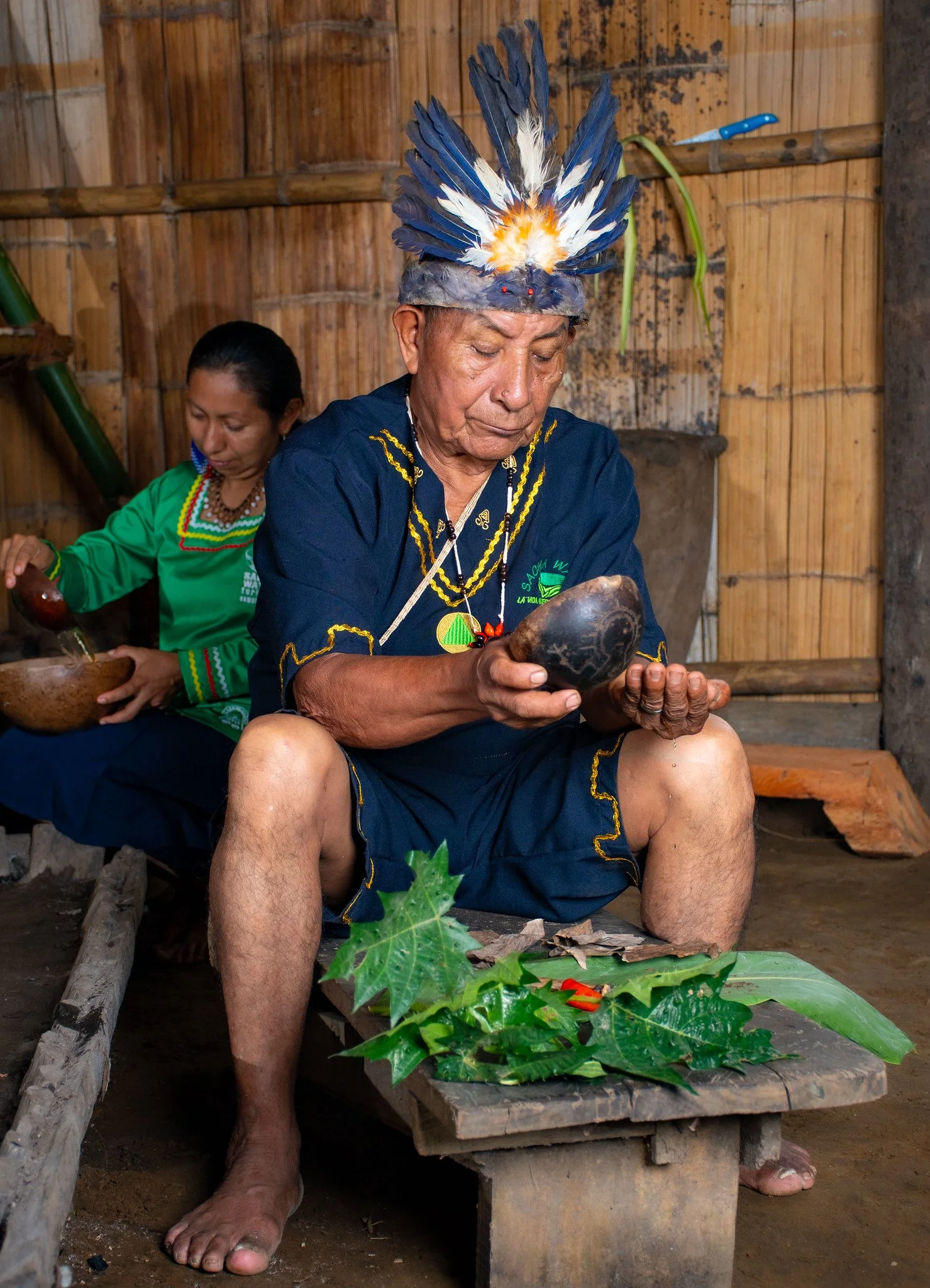
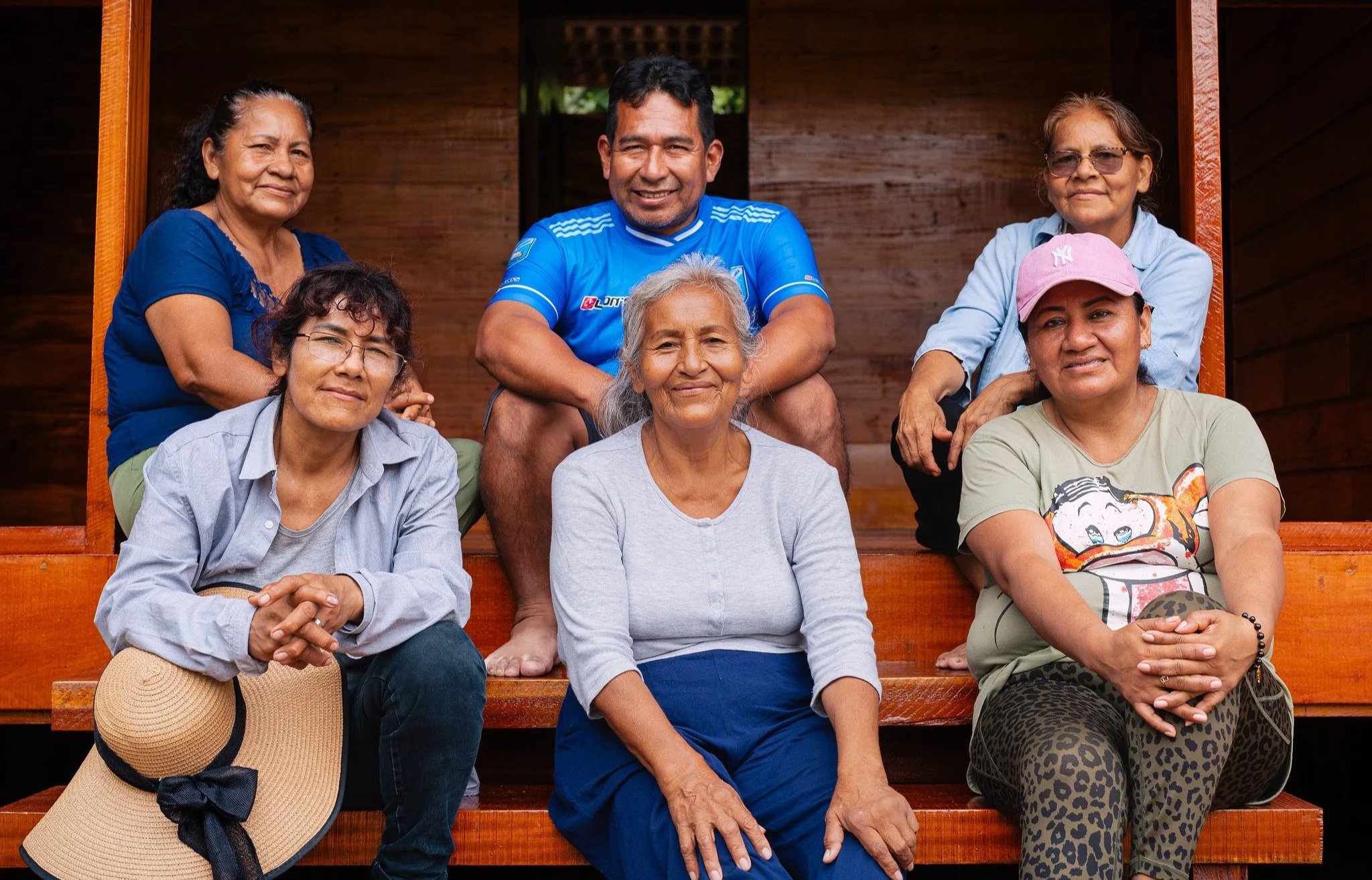
Photos: Sacha Waysa
In this context, all approaches to reconciling economic growth with conservation, inclusion, and sustainable development must center Amazonian Indigenous Peoples: they hold the knowledge of how to live in harmony with the forest and how to manage its resources with great awareness of the region’s political and social dynamics. Drawing on their ancestral knowledge that has for centuries protected their territories and its biodiversity, they have developed productive systems that coexist with nature while generating economic opportunities for their families and communities.
Seeds of Hope: the Amazon’s Indigenous-led Enterprises
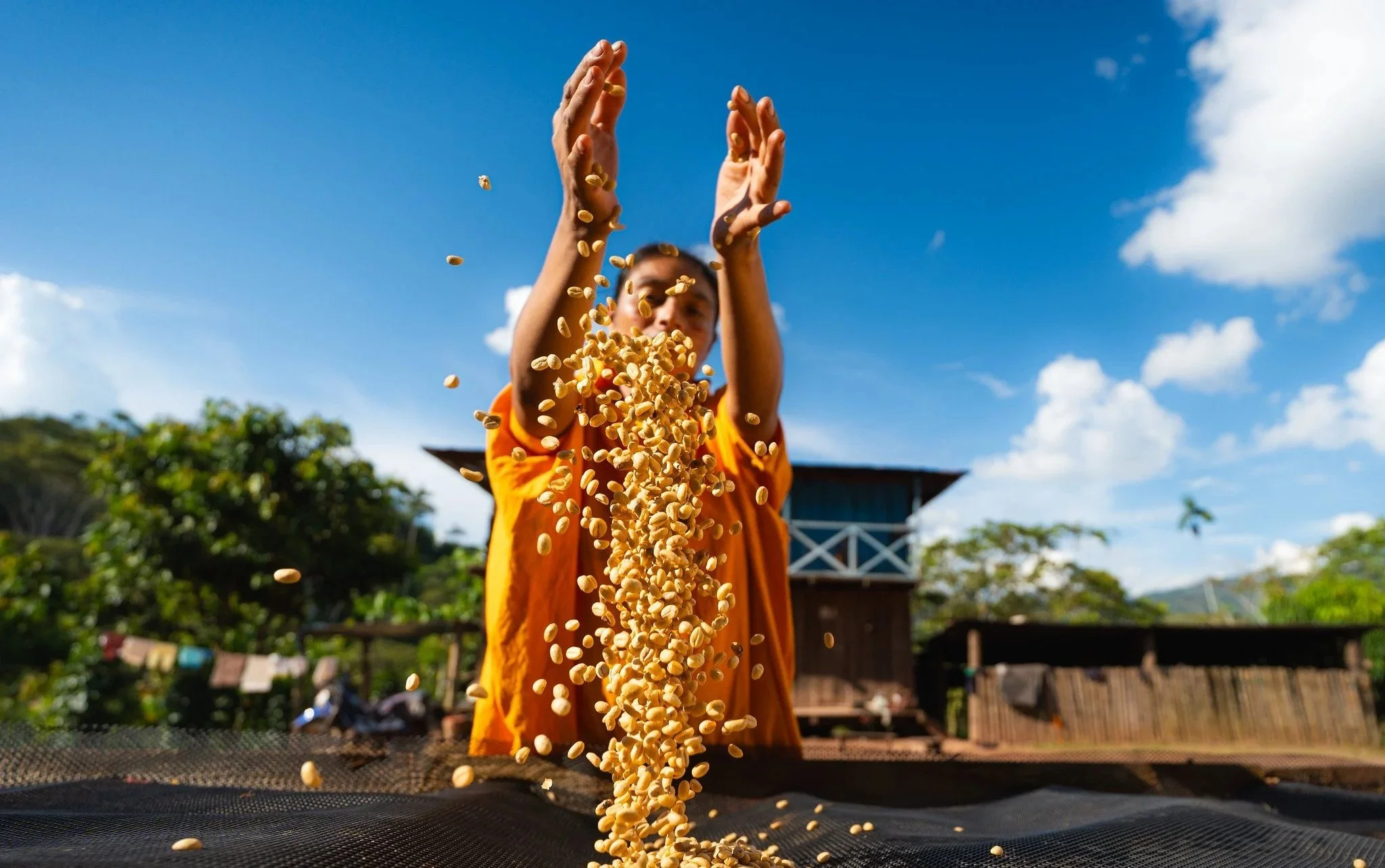
Community-based enterprises in the Amazon are sustainably harnesses the forest’s resources—fruits, fibers, oils, plants, tubers, and more—to generate income for local families without degrading ecosystems. In the current context, they have become one of the most promising pathways to transform the region’s current economic model, reducing dependence on harmful activities and offering viable alternatives to illegal economies. Emerging value chains for Brazil nuts, cacao, ecotourism, and agroforestry systems are proving that it is possible to create decent jobs and diversify local economies without opening new deforestation fronts. When connected to responsible markets and supported with appropriate technical and financial assistance, these businesses help conserve large areas of forest and generate positive social impact. In the face of today’s crisis, they stand as a source of hope—proof that the rainforest can continue to create prosperity without being destroyed.
““My dream is that one day we can say: the Amazon bioeconomy really is viable and people can make a living from it, and that we never have to say the forest is gone.” ”
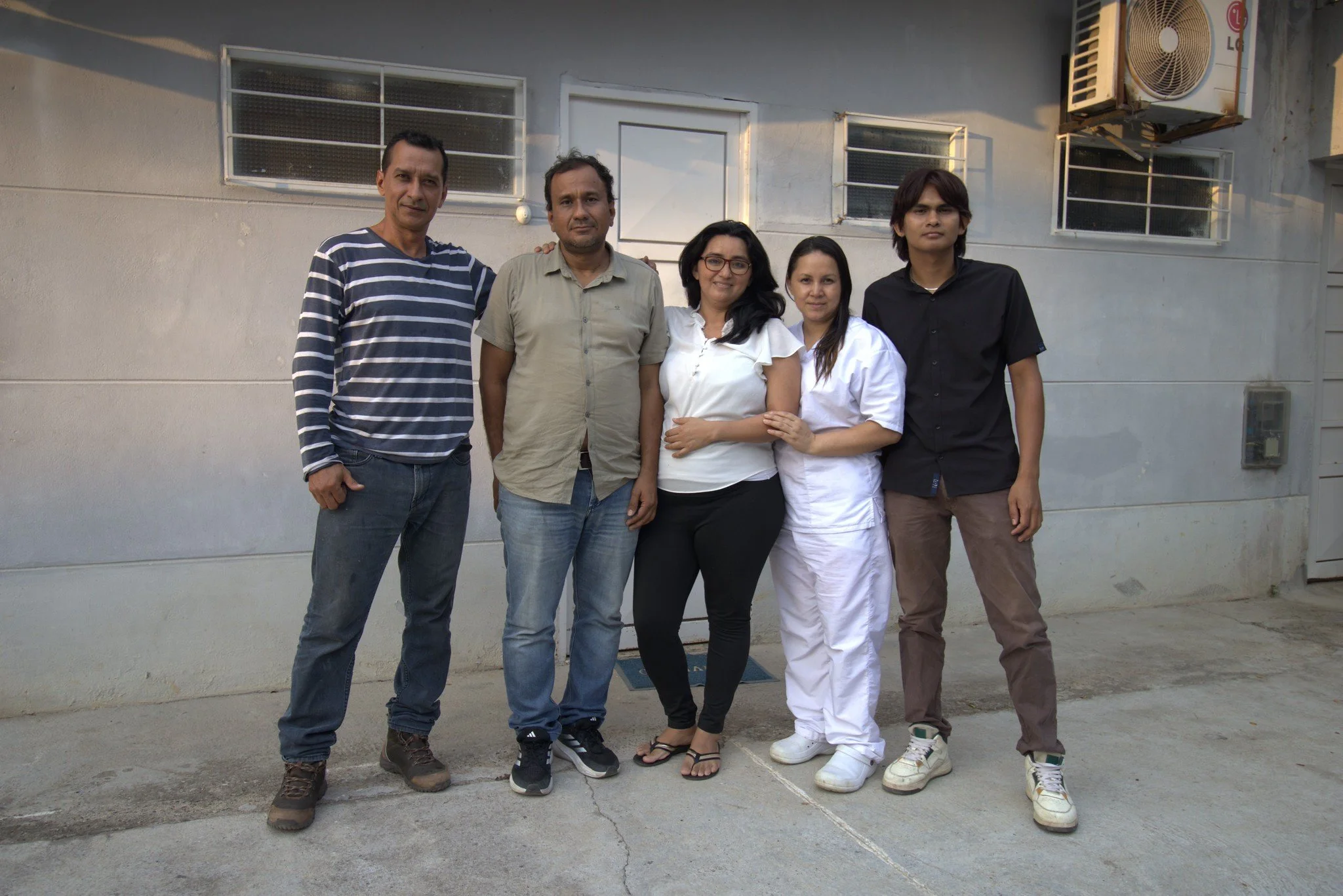

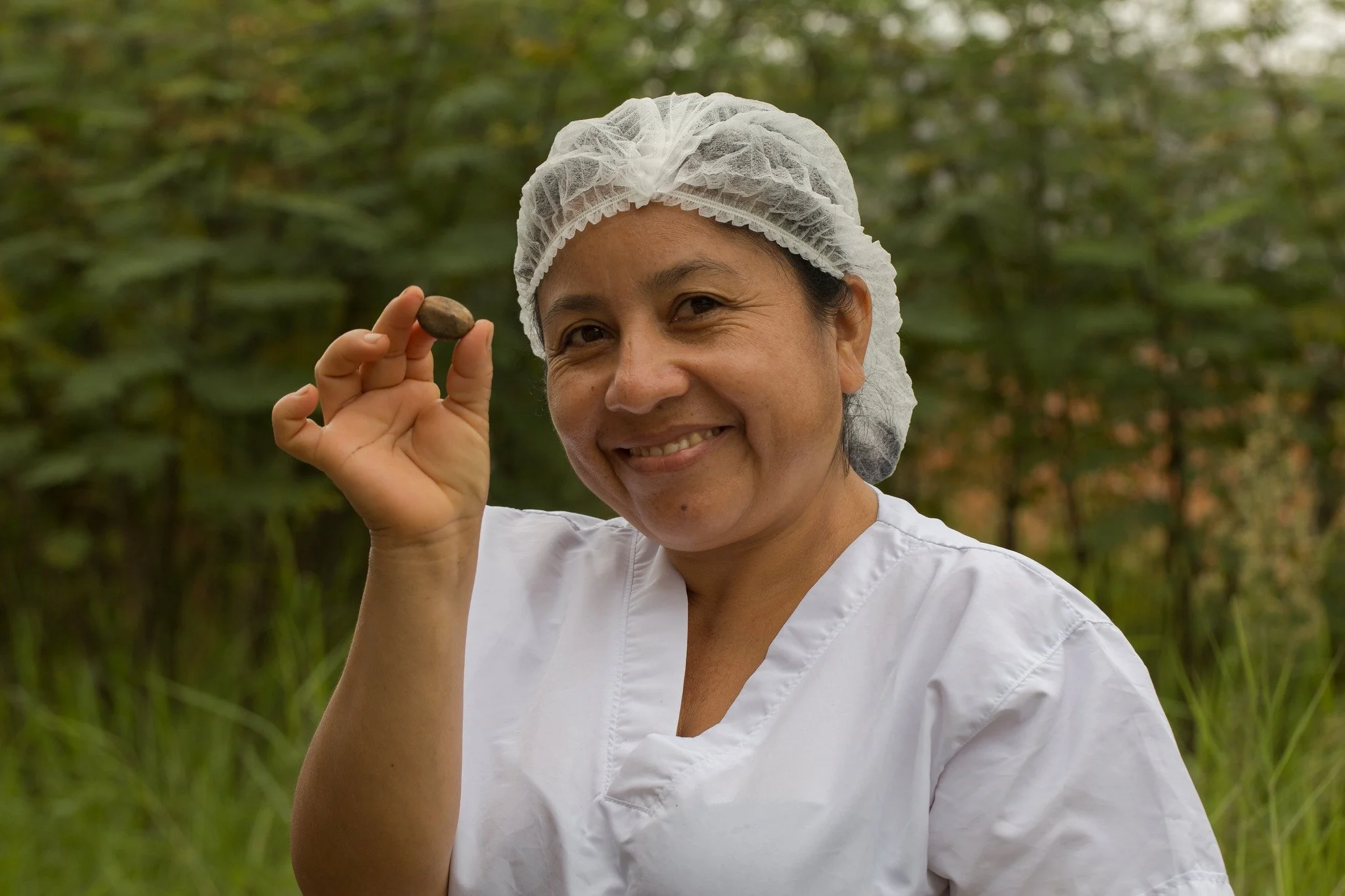
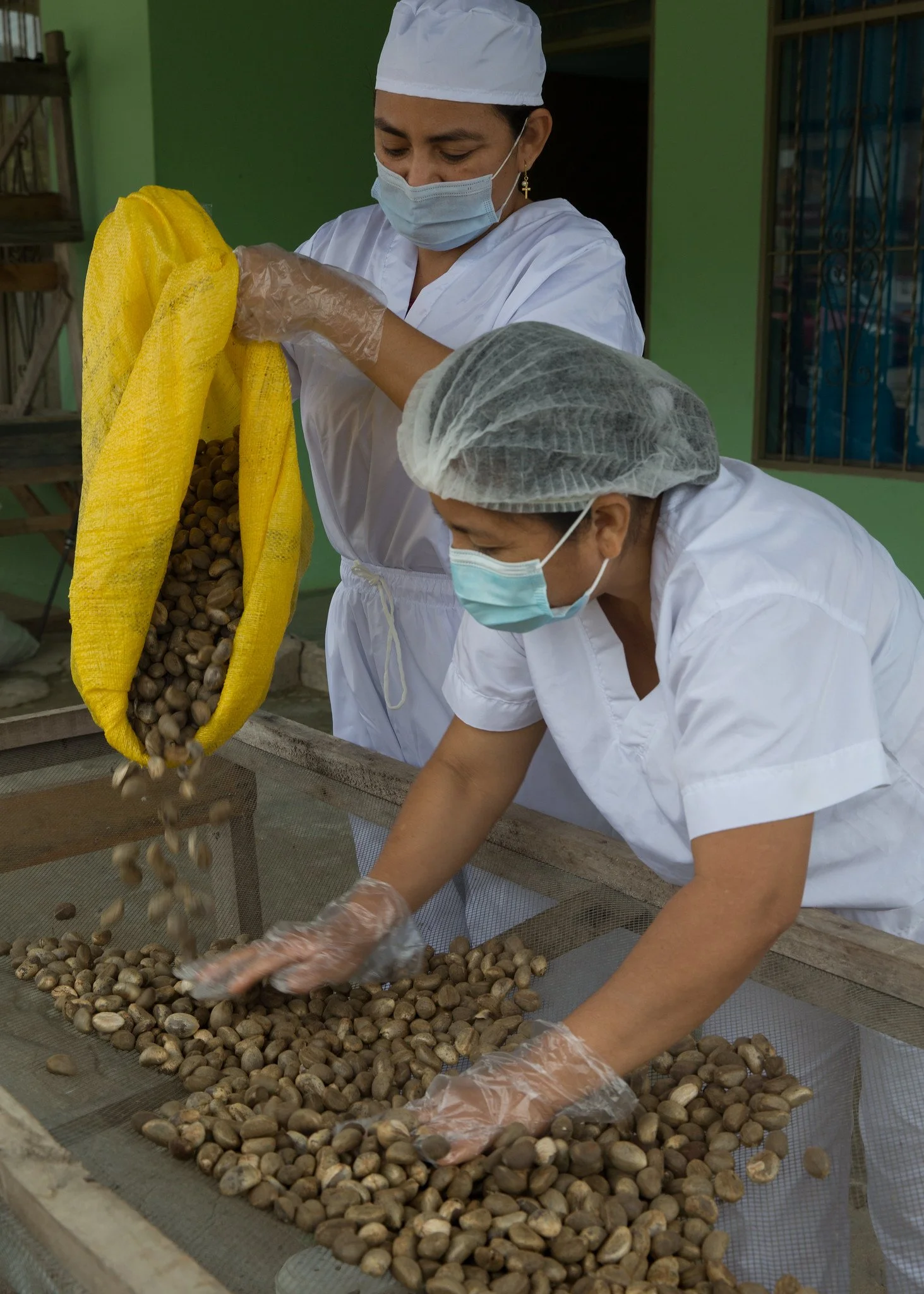
Photos: Bioingredientes Amazónicos, ©Manglar TV/ WWF Colombia
Sowing Development and Autonomy
As part of the broader movement to foster Indigenous-led enterprises, the Regional Indigenous Incubator for the Amazon was launched as a joint initiative by the Coordinadora de las Organizaciones Indígenas de la Cuenca Amazónica (COICA) and NESsT. It is supported by IDB Lab and has secured the commitment of three national organizations: OPIAC in Colombia, CONFENIAE in Ecuador, and AIDESEP in Peru.
Underway since 2023, the program brings together consolidated efforts to finance Indigenous-led enterprises across three Amazonian countries. But it goes much further than simply mobilizing resources: central to its strategy are processes and models in which Indigenous Peoples are no longer “recipients,” but creators and active decision-makers in governance bodies to guide their choices in investments and technical support. In doing so, the program aims to build capacities and institutional structures that support the autonomous development of both Indigenous-led organizations and enterprises over time.
Through a hybrid financing approach, the program combines non-refundable and interest-free refundable funds. This combination supports enterprise operations without placing undue pressure on them, while also providing a form of “financial training” that strengthens economic management and supports a gradual transition toward more demanding business models.
“The program’s support was fundamental for us because we were coming out of a difficult period brought on by COVID. We lost many customers, and our production levels also dropped.””
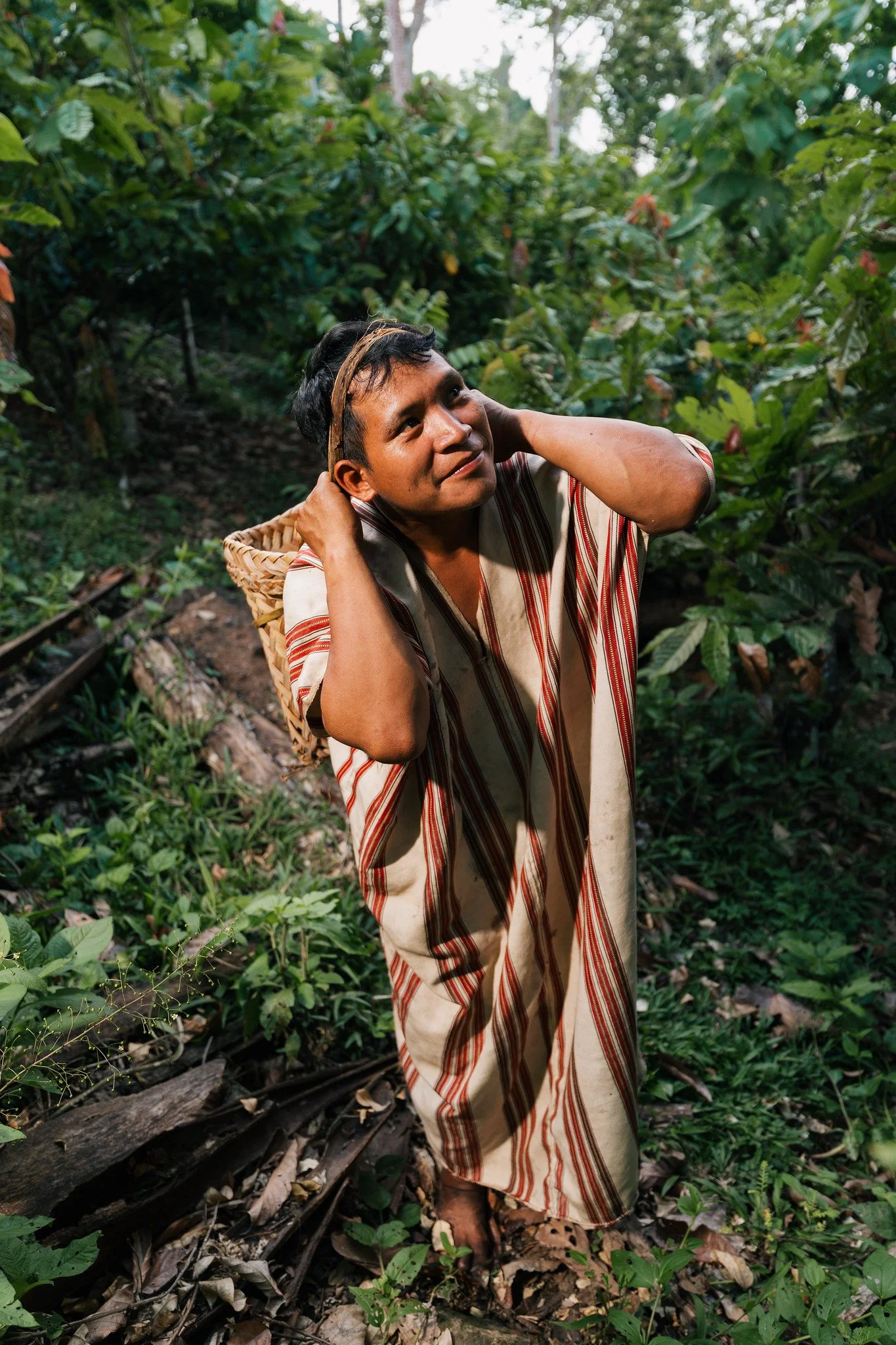
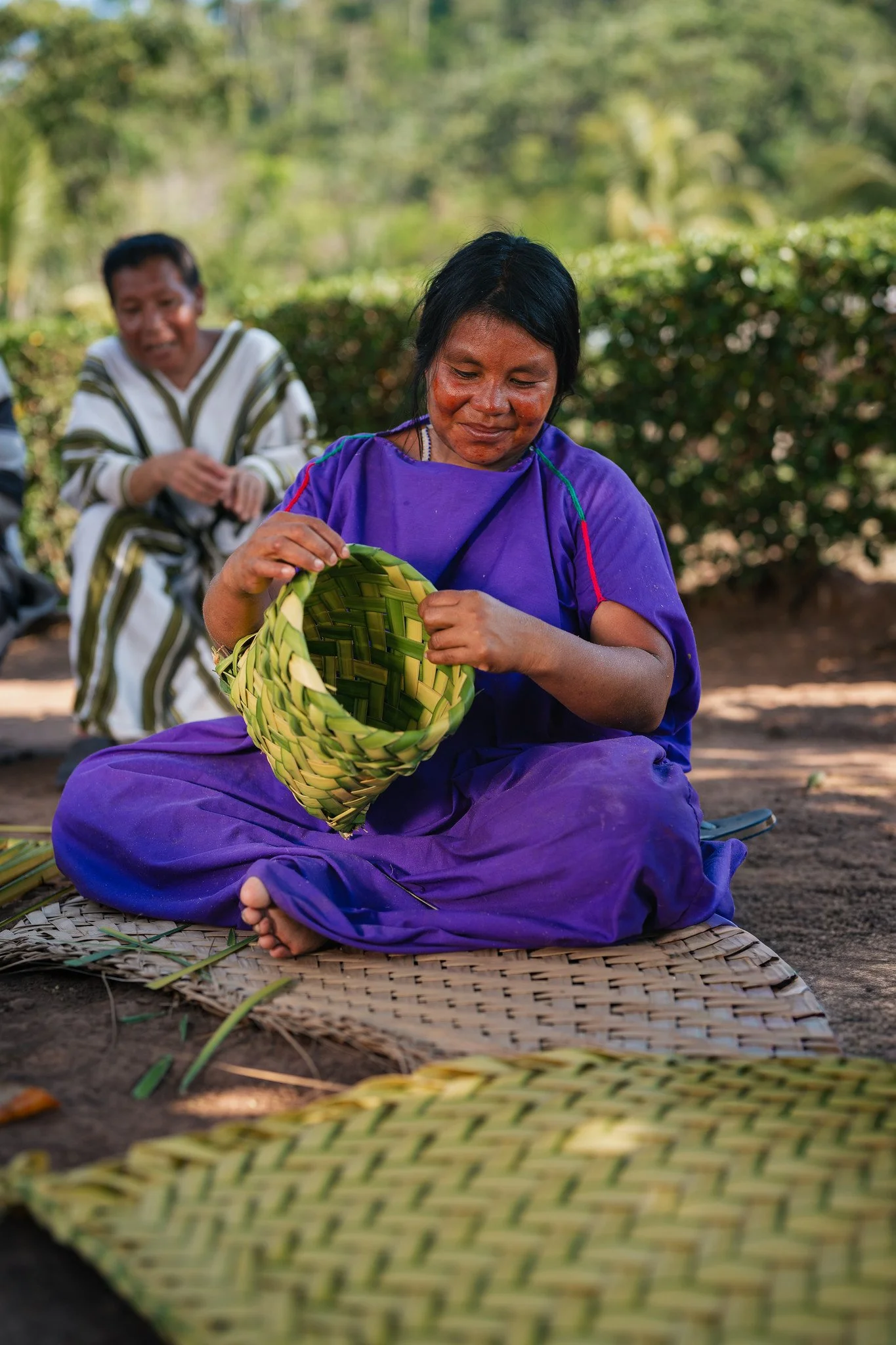
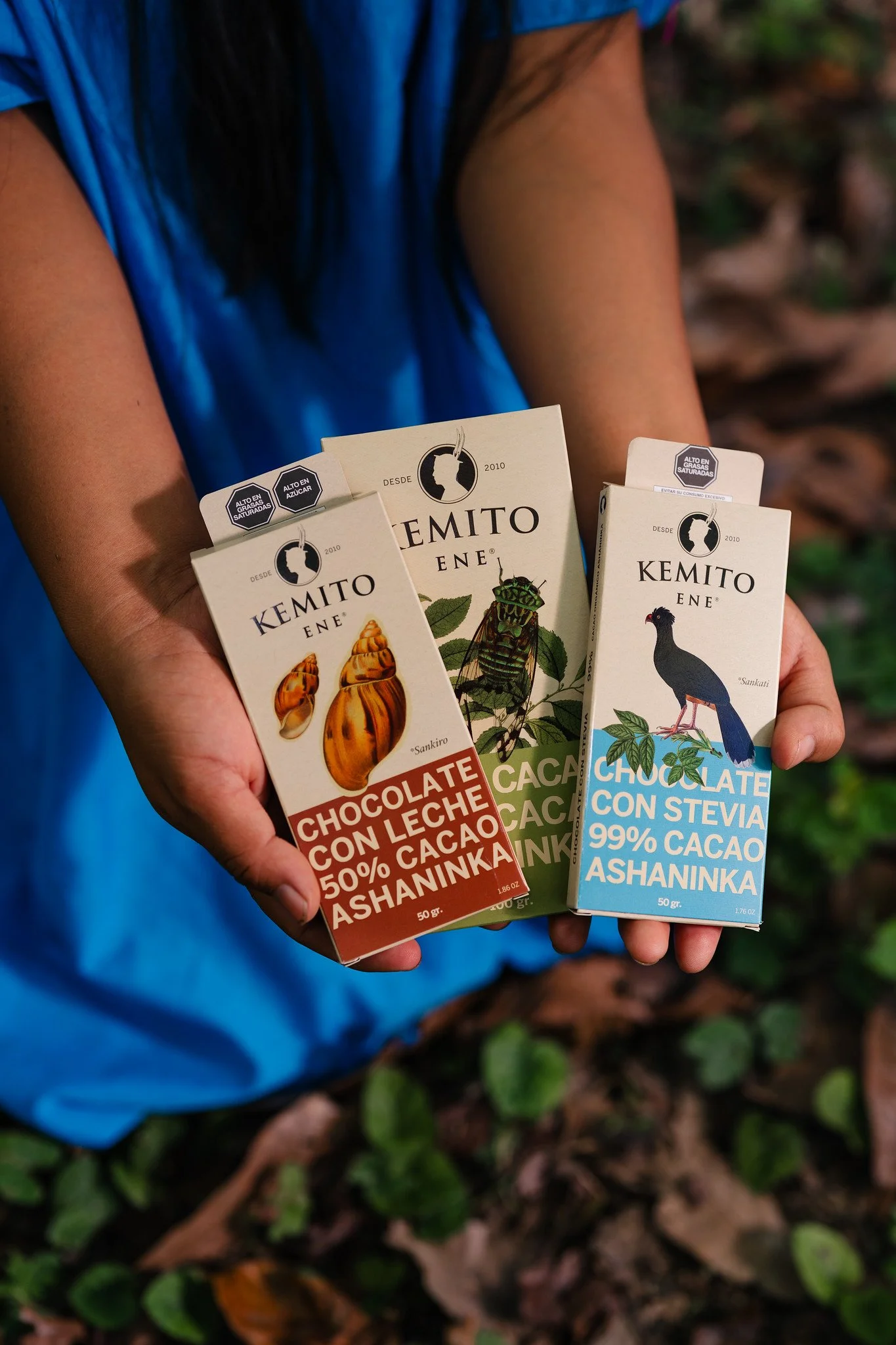
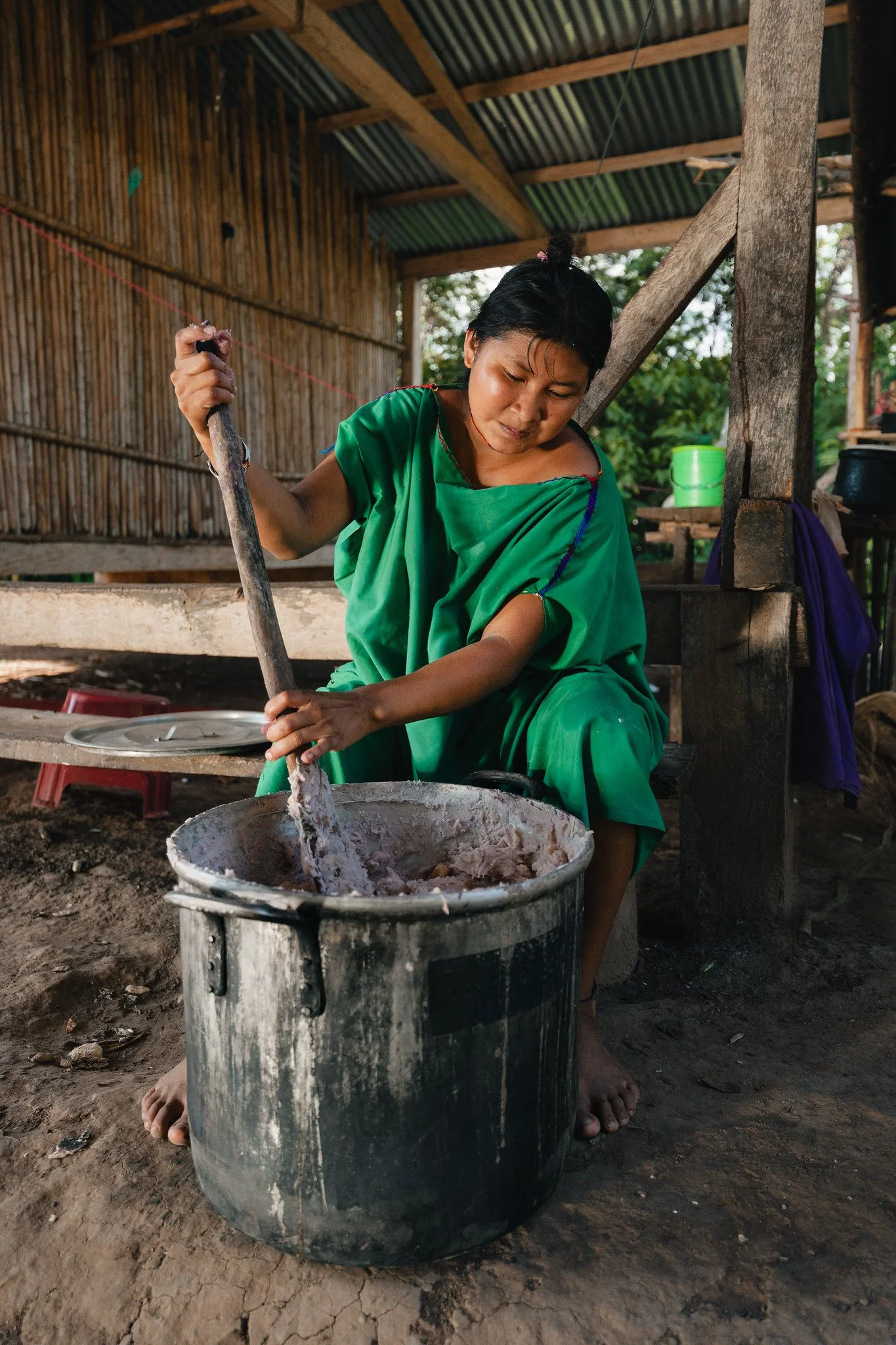
Photos: Kemito Ene
The regional pilot program has supported and accelerated 13 Indigenous enterprises in Colombia, Ecuador, and Peru, directly benefiting 1,749 families, mobilizing USD 738,000, and contributing to the conservation, restoration, and improved management of 84,200 hectares of forest.
Beyond the numbers, the program has contributed to meaningful positive change: stronger household economies, greater openness to innovation, increased income stability, new and strengthened community leadership, and growing participation of women and youth in the management of associations.
In many communities, there is also clear evidence of reduced deforestation and even restoration processes linked to the enterprises. Through the participation of Indigenous-led organizations, the program has also propelled visibility and positioning of Indigenous-led enterprises, elevating both the presence and voices of Amazonian Indigenous leaders in decision-making, exchange, and learning spaces at both national and international levels.
““I want Indigenous women, young women and girls, to believe in themselves. Life is not easy, but it’s not impossible for us to start our own ventures and support ourselves.””
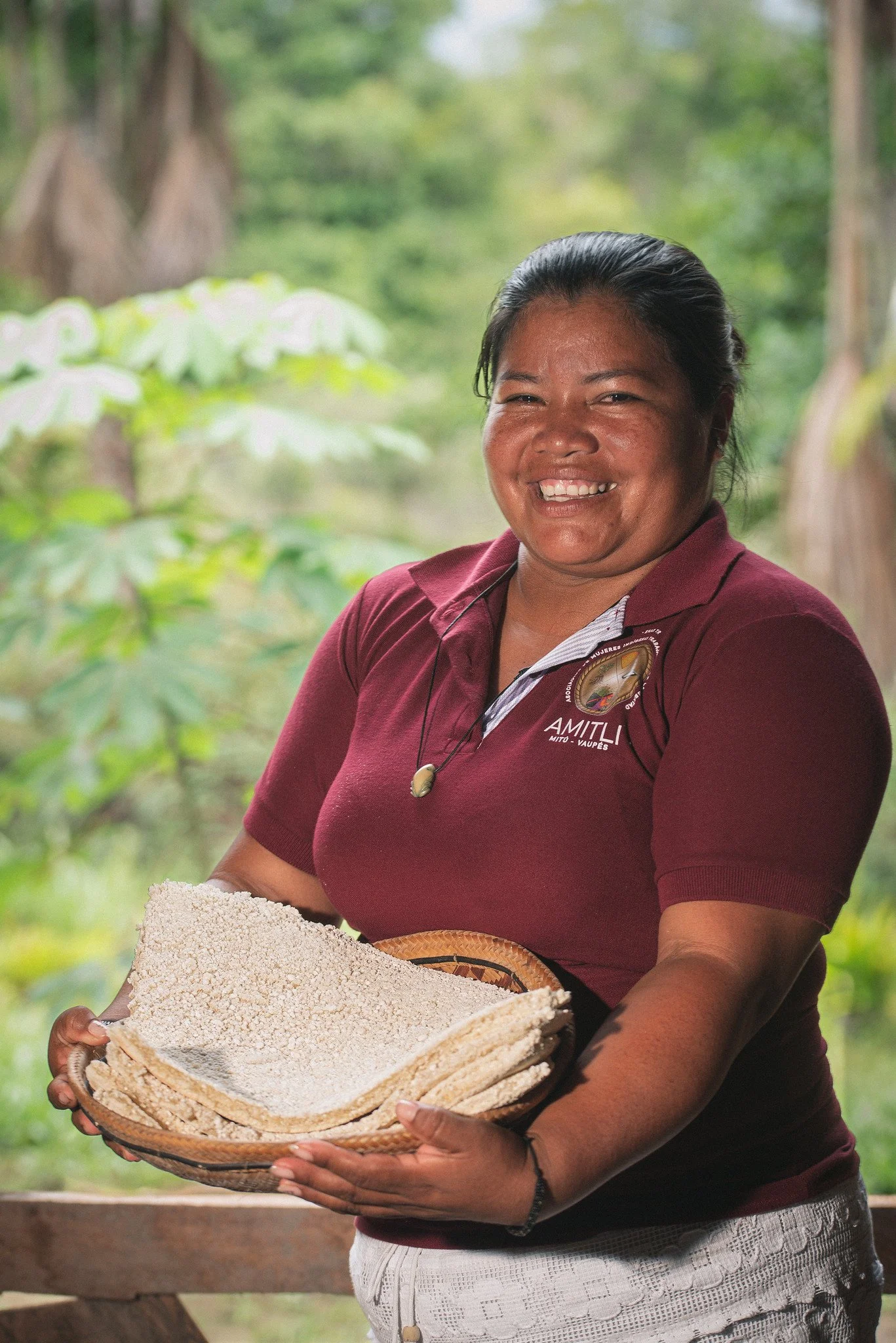
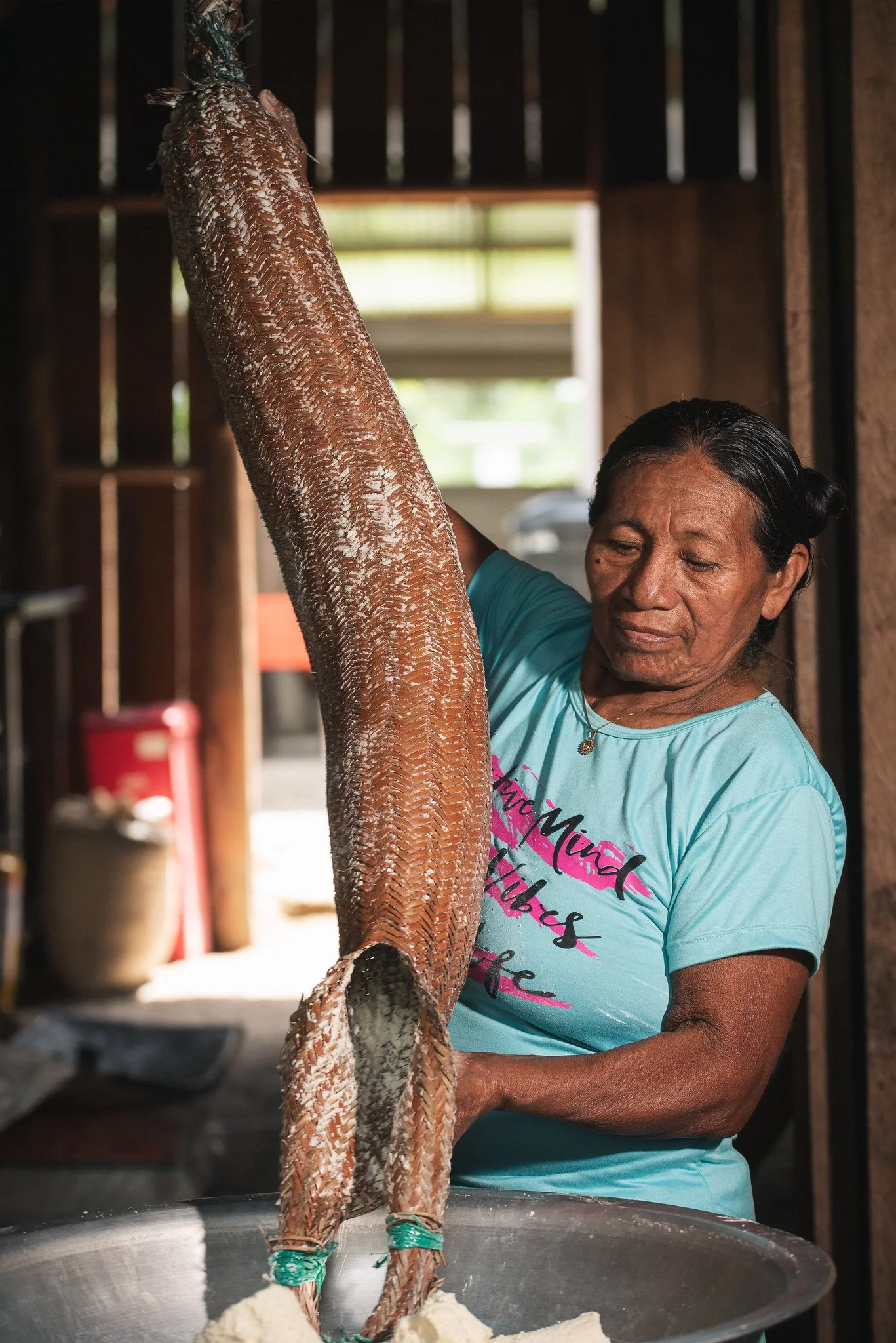
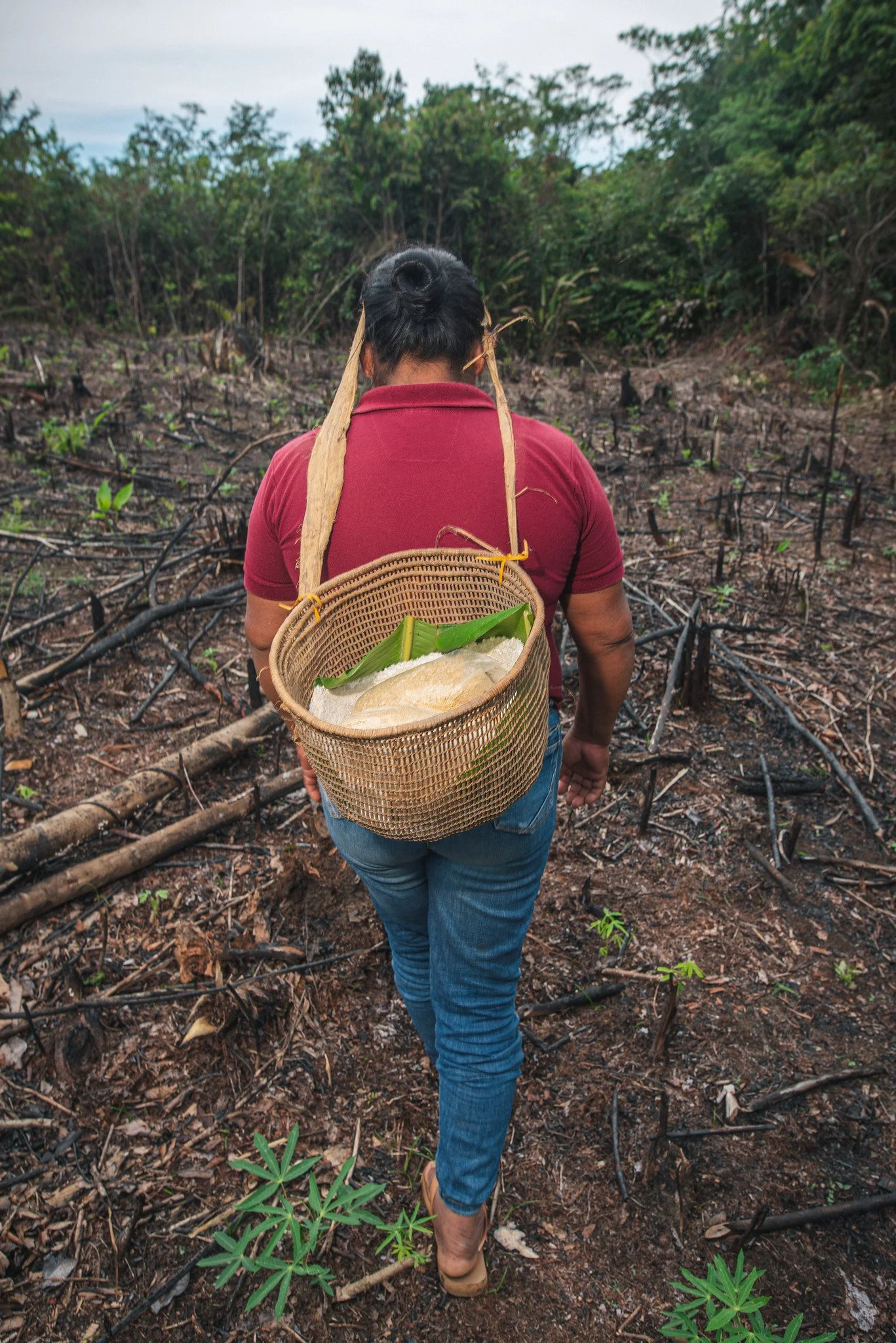
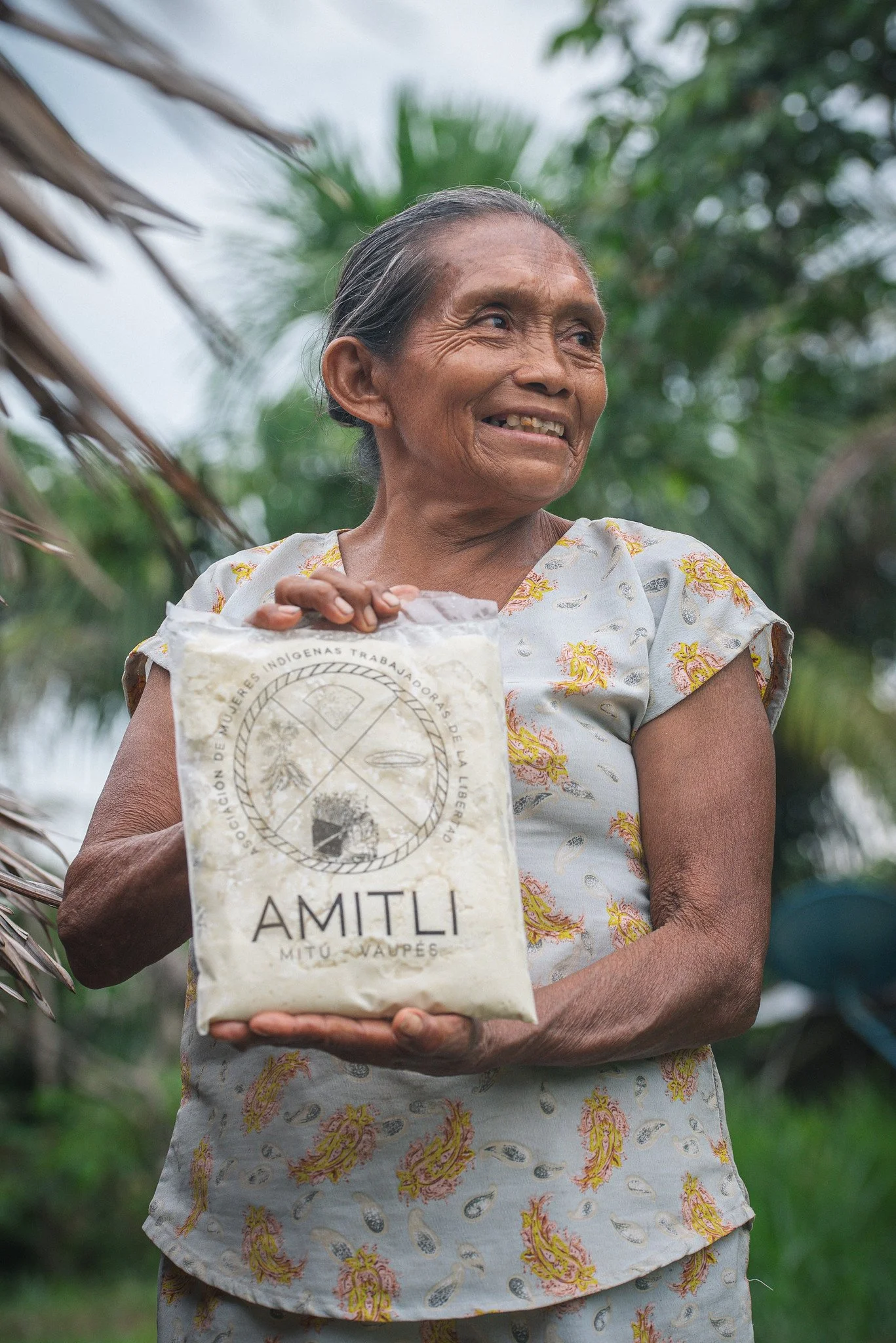
Photos: AMITLI
The crisis in the Amazon is extremely complex and will not be reversed overnight. Even so, programs like the Regional Indigenous Incubator for the Amazon show that strengthening the ecosystem of Indigenous and community-led enterprises is a key pillar in building a resilient Amazonian economy with conservation at its center.
““It means a lot that the reality of our work – Indigenous and community-based tourism led by our peoples – is being recognized. We’re proud to share the results we’ve achieved and the new infrastructure that we’ll open soon.” ”
Learn more about the Regional Indigenous Incubator for the Amazon below:
Sources:
Panel Científico por la Amazonía. (2021). Informe de evaluación de Amazonía 2021.
RAISG. (2020). Amazonía bajo presión 2020.
Vergara, A., et al. (2022). Informe Amazonía Viva 2022. WWF.