
Simone Pisu from Sustainable Fishery Trade (SFT), an enterprise that connects small-scale fishing families directly to the market, spent two weeks meeting with important sector leaders in San Francisco.
An opinion piece from NESsT CEO Chad Sachs: During a recent trip to Junín, Peru, to visit some of the companies in our NESsT Lirio Fund portfolio, I found myself reflecting on the difference between the numbers we see in a portfolio report versus the real life change we see happening in the field.
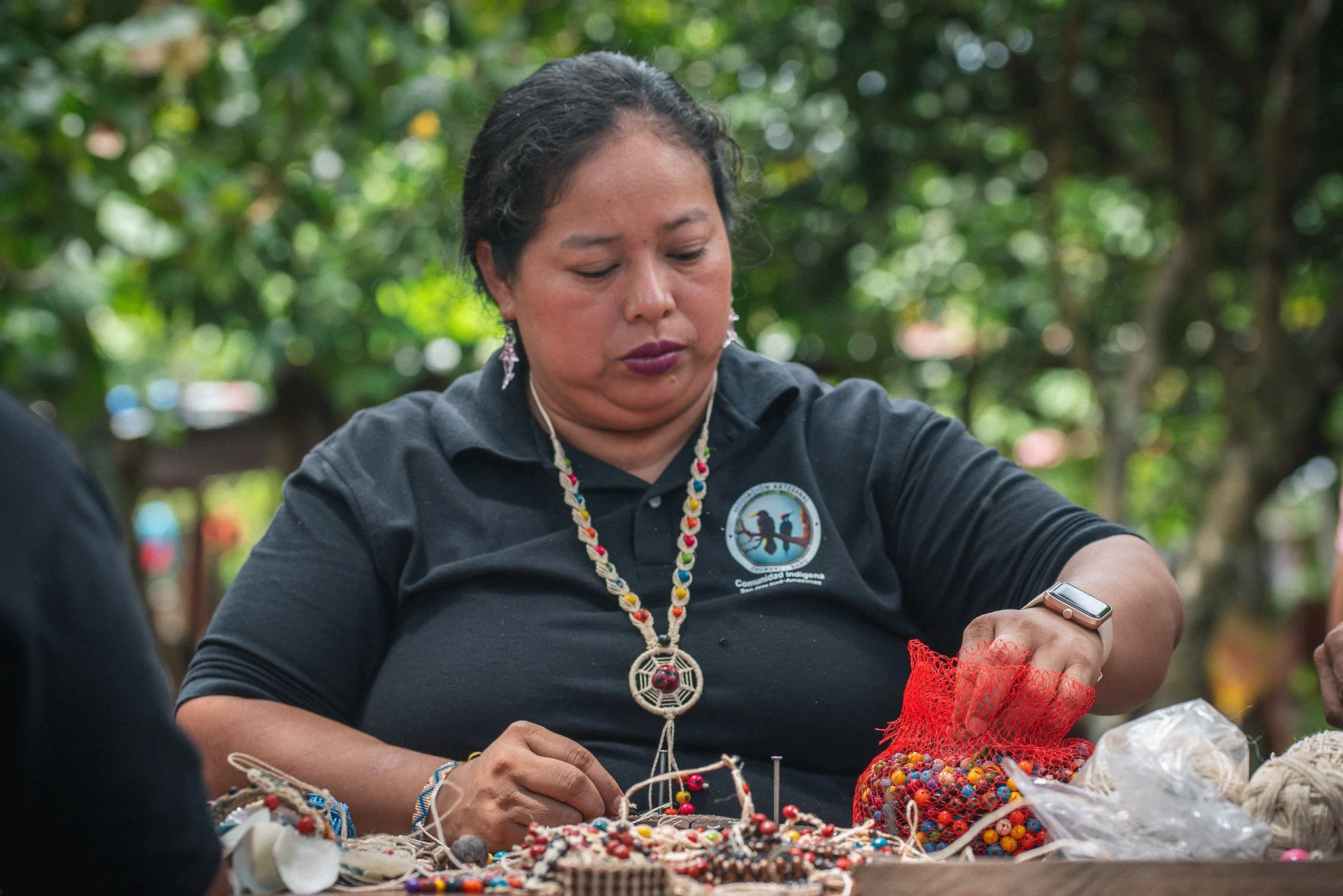
NESsT and The Ashmore Foundation announce a three-year partnership to support Indigenous Peoples and Local Communities (IPLC)-led bioeconomy enterprises in the Colombian Amazon. The partnership, which marks a renewed collaboration between NESsT and The Ashmore Foundation, will help strengthen NESsT's ongoing work in the region with a specific focus on opportunities for women and young people within Indigenous enterprises.
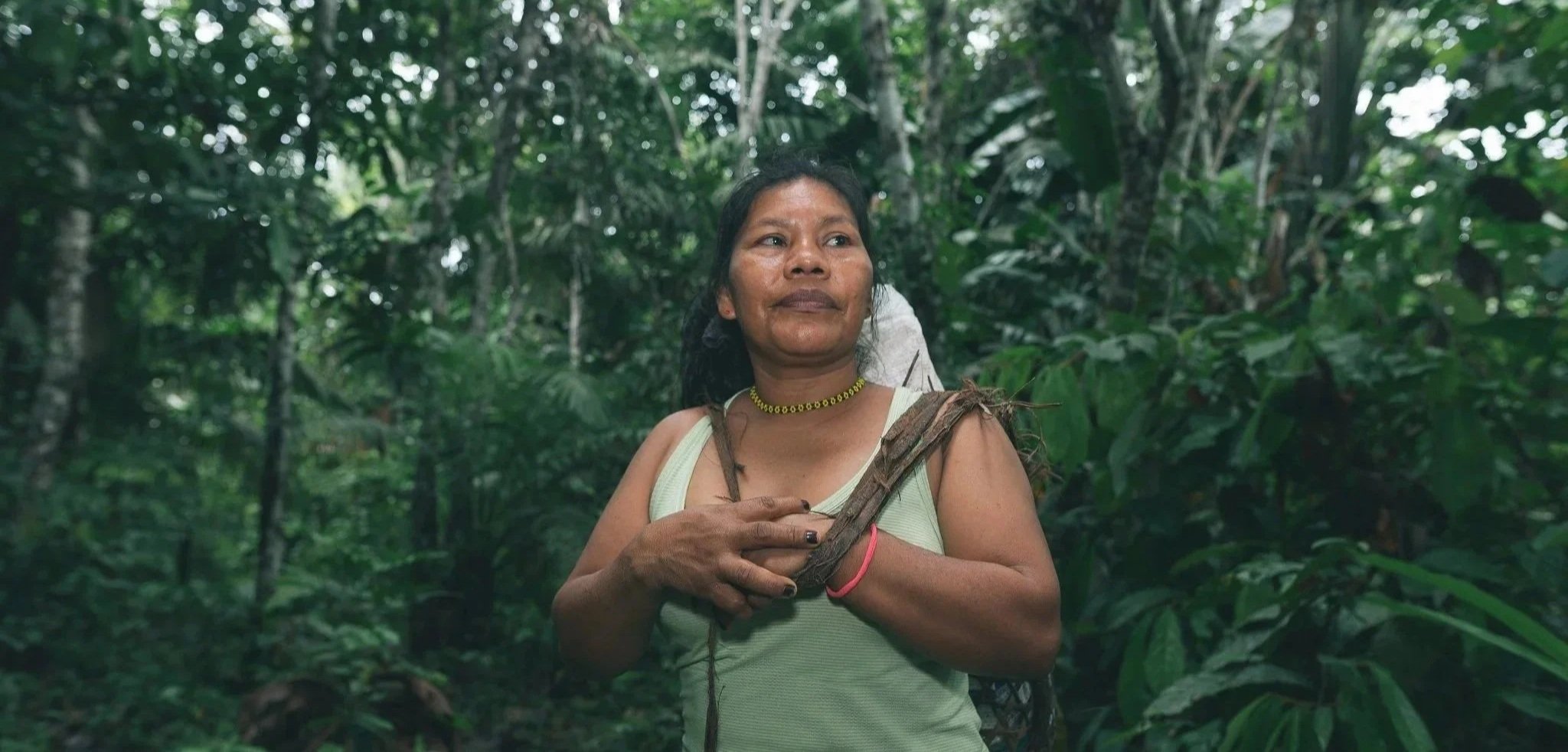
“Echoes for the Amazon” is an impact investment fund created by Festival Cordillera and Páramo Impacta and managed by NESsT to protect this vital global ecosystem, working alongside those who have been doing so for generations. With NESsT’s support, every transaction generates sustainable cycles of care, regeneration, and long-term impact.
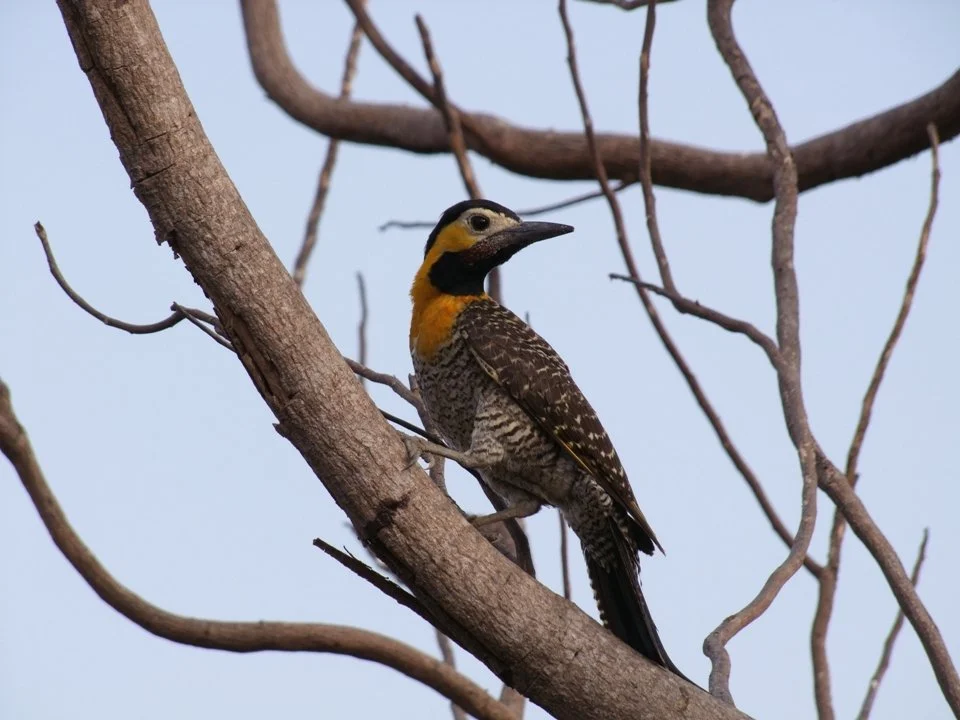
NESsT, in partnership with IEB and CEPF, is launching Raízes do Cerrado: Strengthening the Sustainability and Impact of Socio-Bioeconomy Enterprises for Conservation, aiming to strengthen the socio-bioeconomy as a pathway to conserving the Cerrado, one of the most biodiverse biomes in the world.
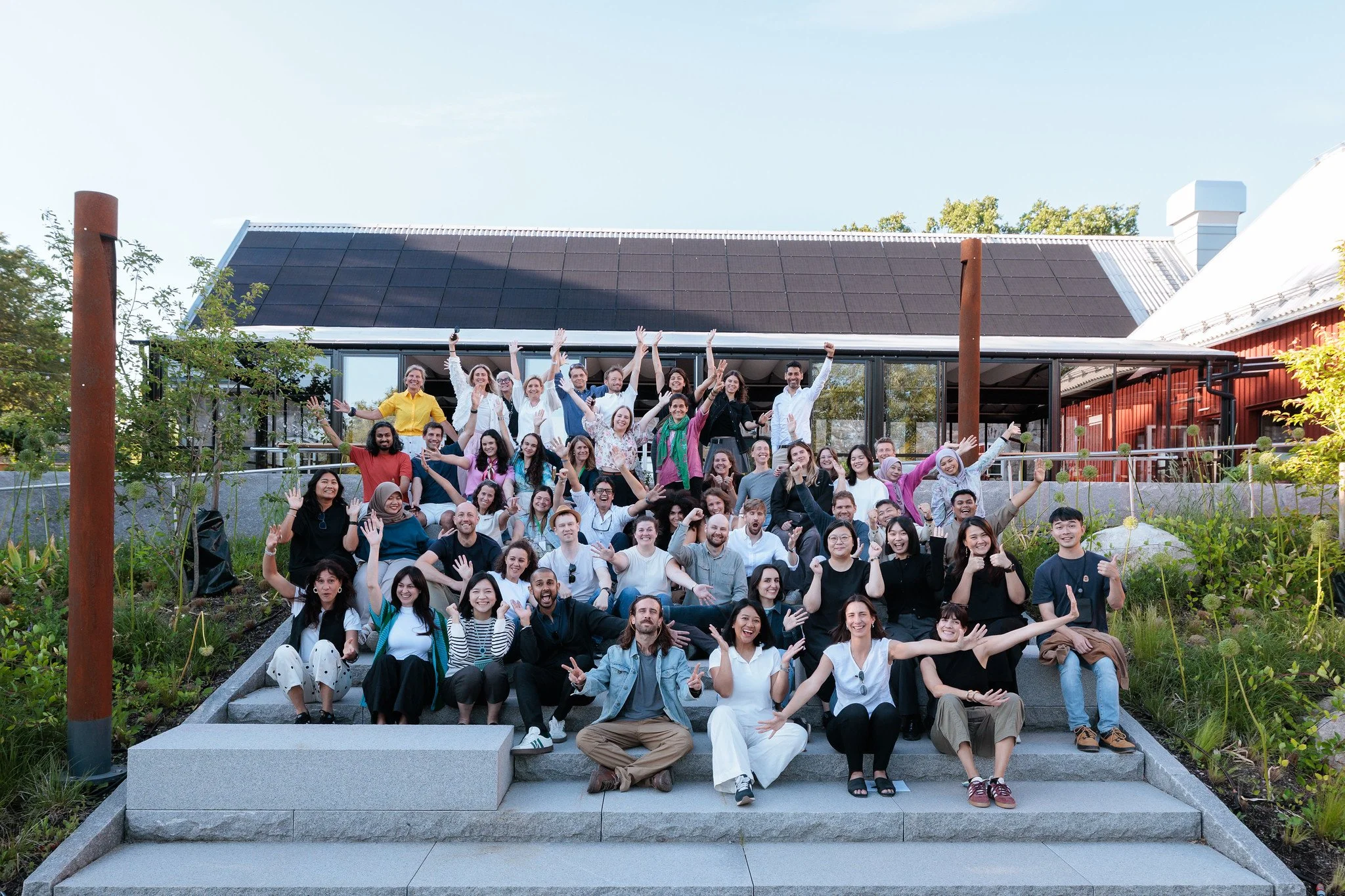
Last month we joined several partners from across the IKEA Social Entrepreneurship network in Älmhult, Sweden, for three days of dialogue, exchange, and collective reflection on how we can better support social enterprises creating positive social and environmental impact around the world.
Simone Pisu from Sustainable Fishery Trade (SFT), an enterprise that connects small-scale fishing families directly to the market, spent two weeks meeting with important sector leaders in San Francisco.