

NESsT is proud to announce that the Lirio Fund has surpassed $20 million USD in disbursements through 37 loans, which have contributed to over 1.5 million hectares of land preserved and 16,000 lives positively impacted.
NESsT is proud to announce that the Lirio Fund has surpassed $20 million USD in disbursements through 37 loans, which have contributed to over 1.5 million hectares of land preserved and 16,000 lives positively impacted.
As NESsT enters a new year, NESsT CEO Chad Sachs reflects on the organization’s growth, the resilience of the social enterprises we support, and the collective impact made possible by NESsT’s extensive community of supporters.
By prioritizing privacy, autonomy, and collective governance, CoopTech Hub – an innovative tech cooperative that recently joined the NESsT Violet Fund – is supporting Polish organizations and communities to work together securely, transparently, and independently.
Indigenous Peoples remain largely underrepresented in global decision-making spaces — revealing a contradiction between their leading role in protecting nature and their absence from the forums where environmental and economic policies are defined. This exclusion is no coincidence: it reflects historical, linguistic, financial, and political barriers that limit the access of those who live in and protect the territories to the tables where the future of biodiversity and the economy is decided.
Beginning next week, NESsT will participate in COP30 Brazil, in Belém, Pará — a historic conference that will place the Amazon at the center of global climate discussions and mark the largest Indigenous presence ever recorded in UN negotiations. We will be there alongside entrepreneurs from our Amazon portfolio, bringing experiences born in the territories and showing that the most effective climate solutions come from those who live in and protect the forest.
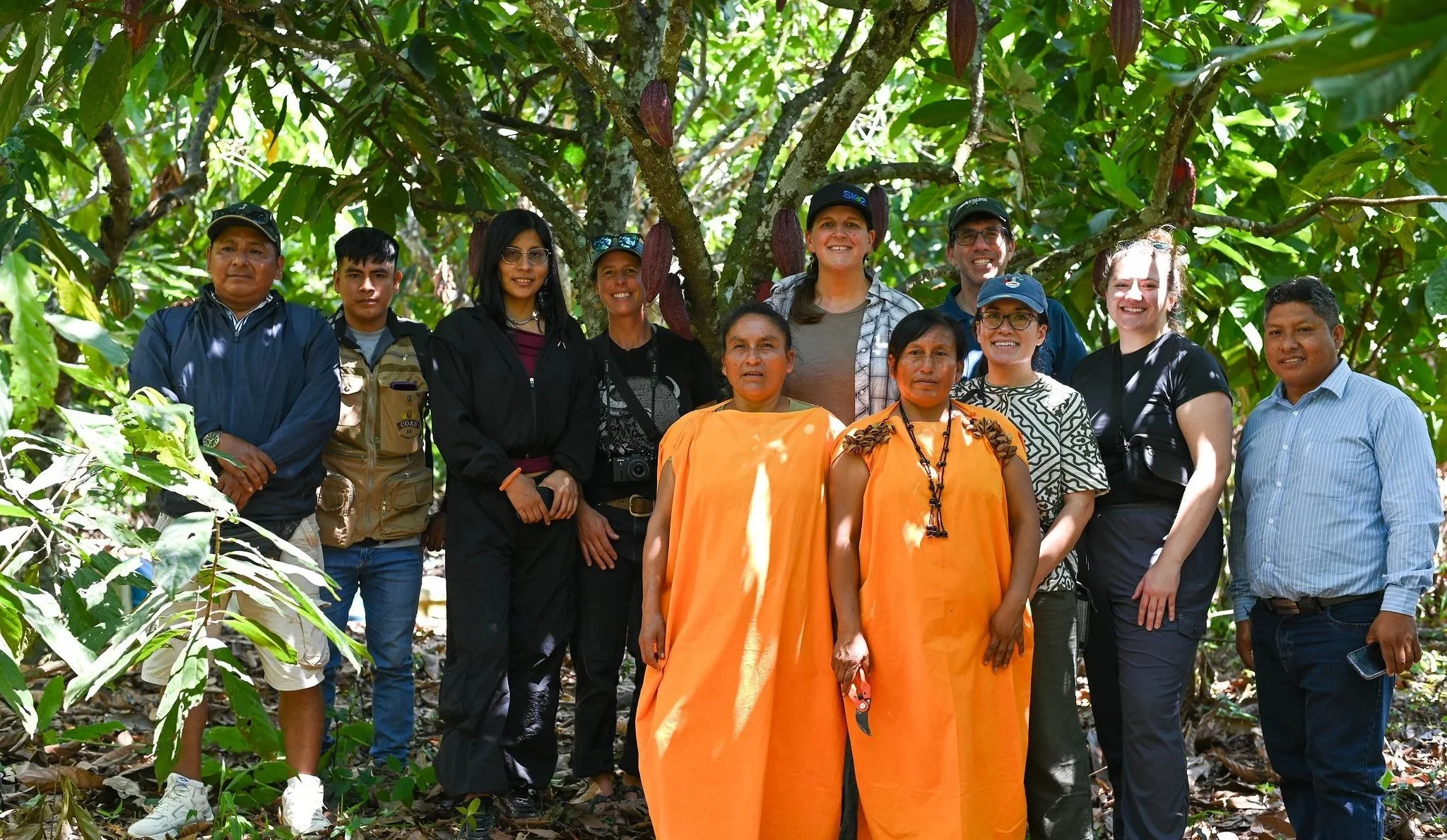
Cooperativa Agraria Sonomoro del Vraem (COAS) joined the NESsT Lirio Fund in 2023 and has since received a revolving capital line of credit and a term loan to scale its cacao production, ensure steady income for its cacao producers, and strengthen its commitment to conserving local biodiversity. Based on the cooperative’s strong track record of sustainable operations in a volatile market, in 2025, NESsT renewed the cooperative’s revolving credit loan, ensuring it can continue to pay local producers for raw cacao while meeting the rising global demand for high-quality cacao.
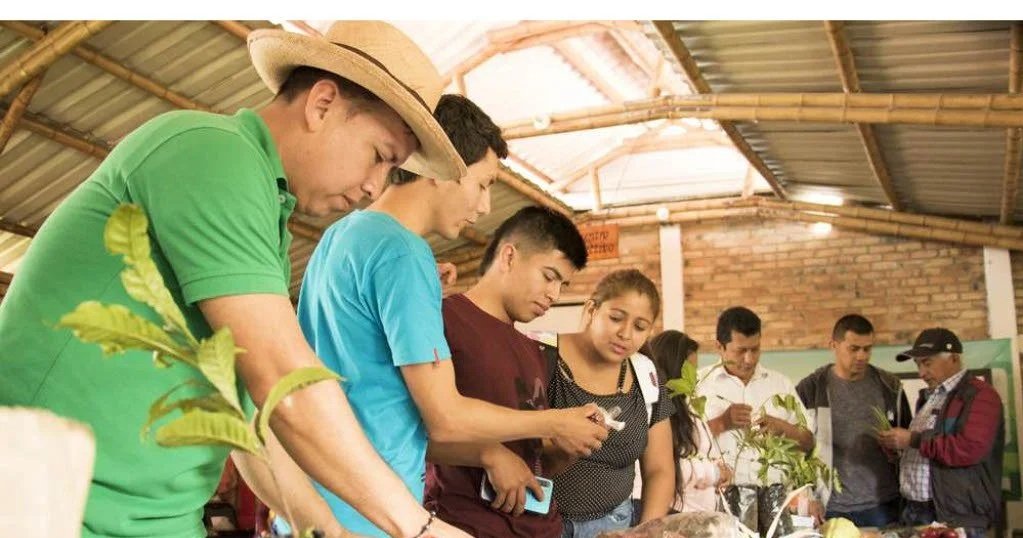
In 2025, the NESsT Lirio Fund extended repeat loans to Greenbox and Cuencas del Huallaga, reflecting our continued commitment to these enterprises’ business models and impact. Operating in regions where farming families have few income livelihood options and often turn to illicit crops and environment-damaging monocultures to generate quick income, these enterprises offer sustainable livelihood alternatives through sustainable, organic agriculture and meaningful technical assistance.
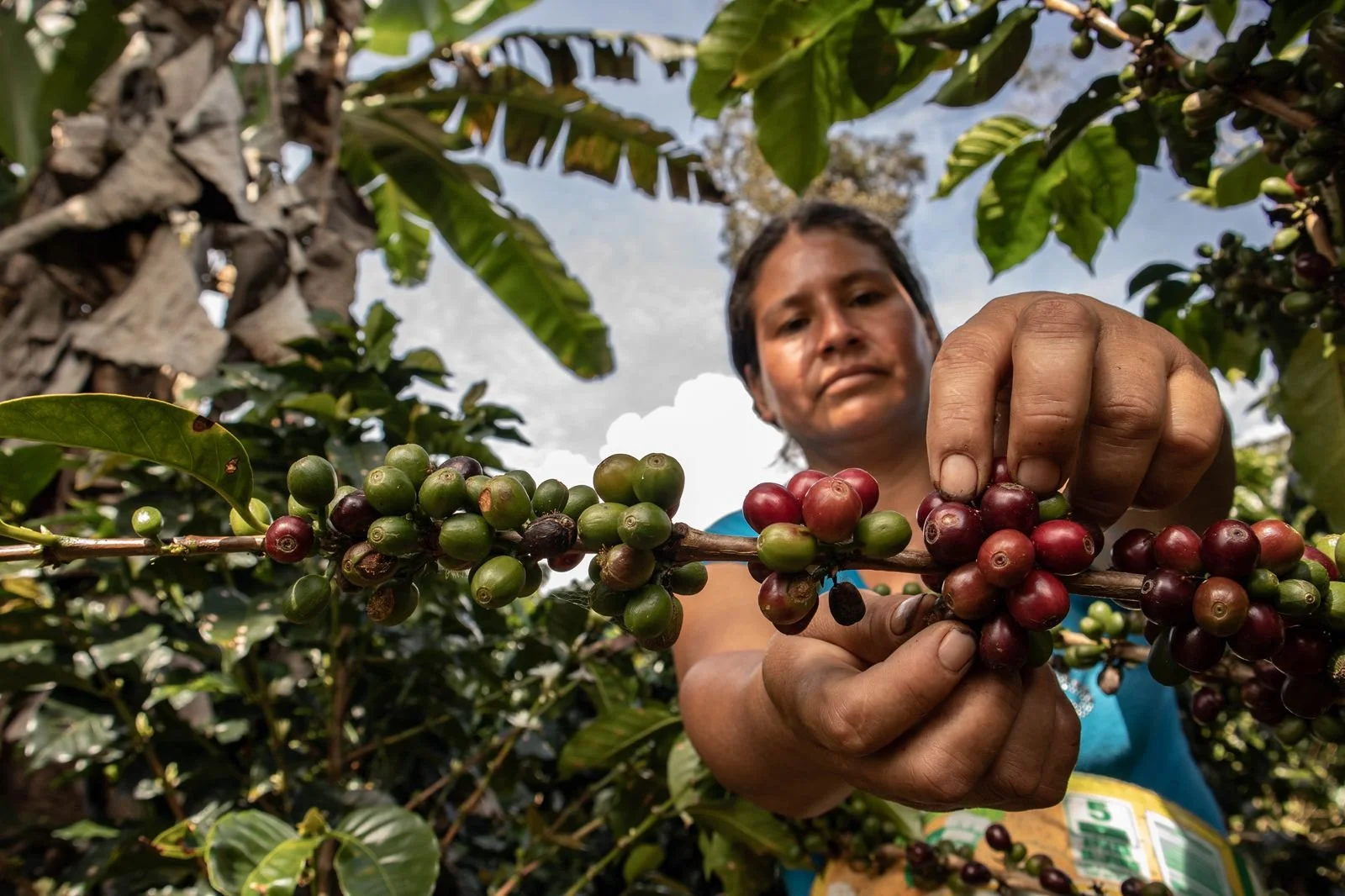
For over 50 years, FCC has worked to improve the livelihoods of small farmers in an area of Colombia greatly affected by armed violence. The NESsT Lirio Fund extends a revolving working capital line to this long-standing federation of coffee growers, complementing the strategic support it receives as part of the NESsT Acceleration Portfolio.
In the first half of 2025, Lirio Fund enterprises Kulkao, Lagunas de los Condores, and Pebani received repeat loans from NESsT, reflecting our continued confidence in the enterprises’ business models and impact. Read to learn more about their continued impact and growth as part of our fund portfolio.
As part of its ongoing commitment to address the pressing challenges faced by entrepreneurs in Latin America, particularly in the Andes-Amazon region, the NESsT Lirio Fund is expanding its reach into Brazil. The fund is investing in small and medium-sized enterprises that create dignified income opportunities and improve local livelihoods while contributing to environmental conservation.
Located in the jungle areas of central and eastern Peru, Kulkao sources cocoa from over 400 smallholder farmers living in the remote regions of the Amazon basin. Its products include cocoa butter, cocoa powder, and cocoa nibs that are sold to local and international markets such as Europe and North America. Due to its success, in 2023, NESsT approved a second revolving loan to Kulkao, supporting the social enterprise to continue to purchase cacao beans from local farmers committed to organic, sustainable practices.
Flower producer Cattleya manages employs 350 individuals, primarily from the nearby rural towns of Suesca and Sesquilé, providing them with a stable source of income, fair wages, well-being services, and professional development opportunities. Over 50% of Cattleya’s workforce are women who are the primary earners of their families.